11 Ways to Use Your Greenhouse in Cold Months
Photo credit: MNStudio/Shutterstock.com
A greenhouse isn’t just for starting tomatoes in spring. In the colder months, it can be the hardest-working “room” on your property if you let it. Even an unheated one gives you a little buffer from the weather and opens up options you just don’t have out in the open.
If yours mostly sits empty after summer, here’s how to put it to work all winter long.
Grow cold-hardy greens for fresh salads

You don’t need summer heat to grow lettuce, spinach, arugula, and kale. In a greenhouse, especially with a bit of row cover over the beds or containers, you can keep cut-and-come-again greens going well into winter.
Sow them thickly in troughs, raised beds, or even old totes with drainage holes. Harvest outer leaves as you need them. Growth will slow when days are very short, but you’ll still get fresh, tender greens at a time when store-bought options are pricey and tired-looking.
Overwinter tender potted plants and perennials
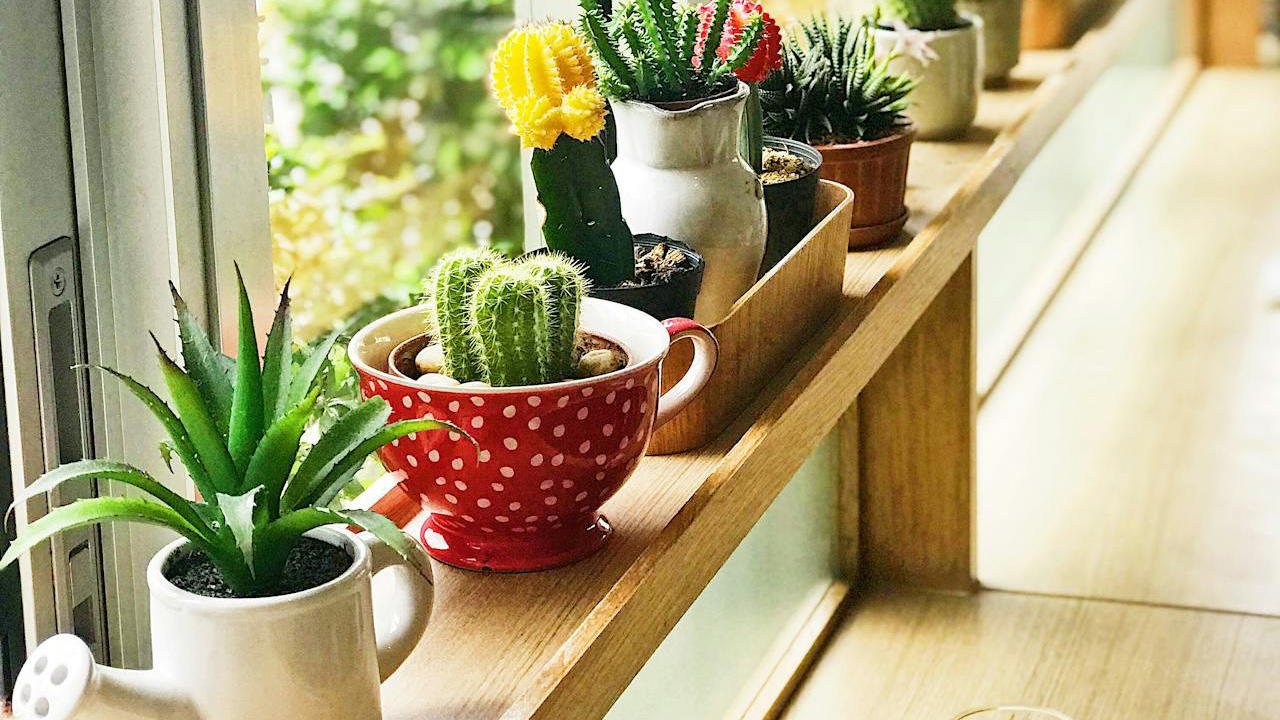
If you have tender perennials, fig trees, herbs, or favorite potted plants that hate a hard freeze, the greenhouse can be their winter shelter. Move them in before nighttime temperatures really bottom out.
Group plants with similar needs together, and don’t overwater—most of them are resting, not actively growing. The greenhouse doesn’t have to stay warm like a living room; even a few degrees above outside temps can be enough to carry certain plants through winter instead of starting over every year.
Start cool-season crops earlier than you could outside

For an early spring jump, use late winter to start broccoli, cabbage, onions, leeks, and early flowers in trays or plug flats inside the greenhouse. A simple heat mat and dome over trays can help germination on cold nights.
You’re basically buying time. While the garden beds are still cold and soggy, your seedlings are already up and getting established. When the soil outside is finally workable, you’re not starting from zero—you’ve got sturdy little plants ready to move out.
Use it as a protected potting and project space
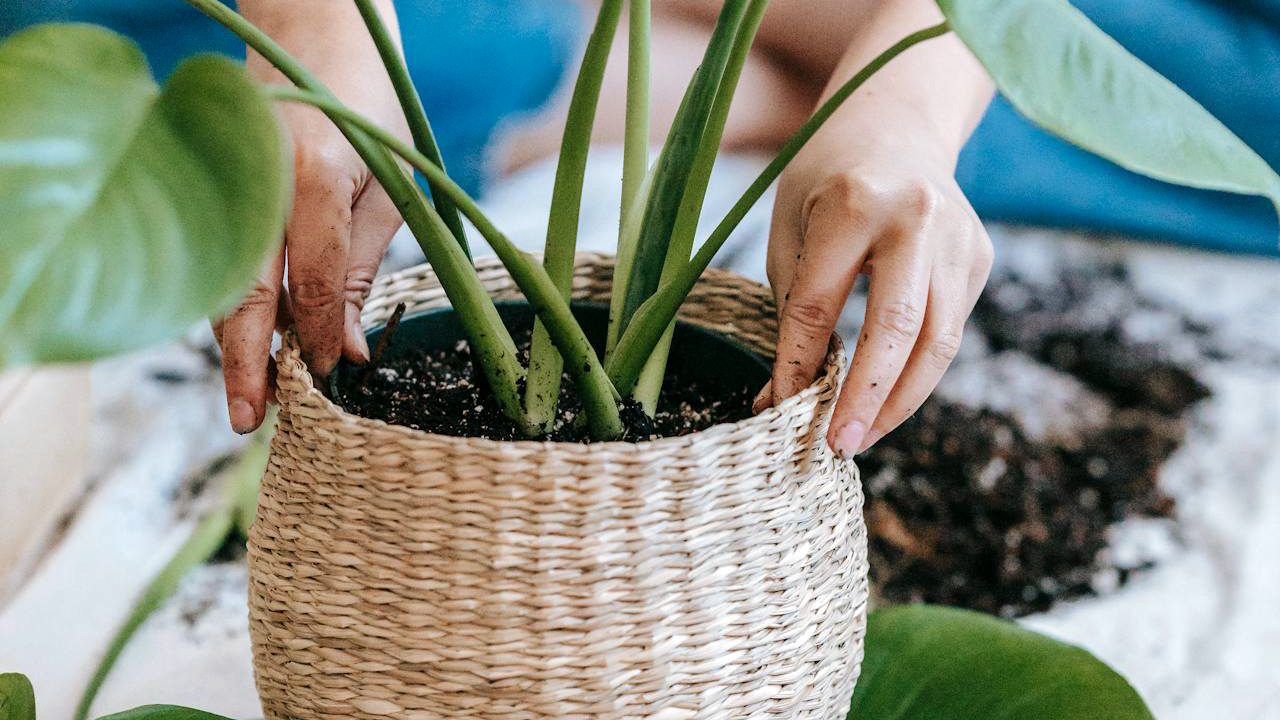
Cold, windy days make outdoor potting miserable. A greenhouse gives you a wind-free, somewhat warmer spot to repot houseplants, mix potting soil, clean tools, and prep seed trays.
Set up a simple potting bench or even just a sturdy table. Keep your main soil mixes, pots, and small tools in there. When you have an hour to yourself, you can knock out a few chores without freezing fingers and potting mix blowing everywhere.
Propagate cuttings from shrubs and favorite plants
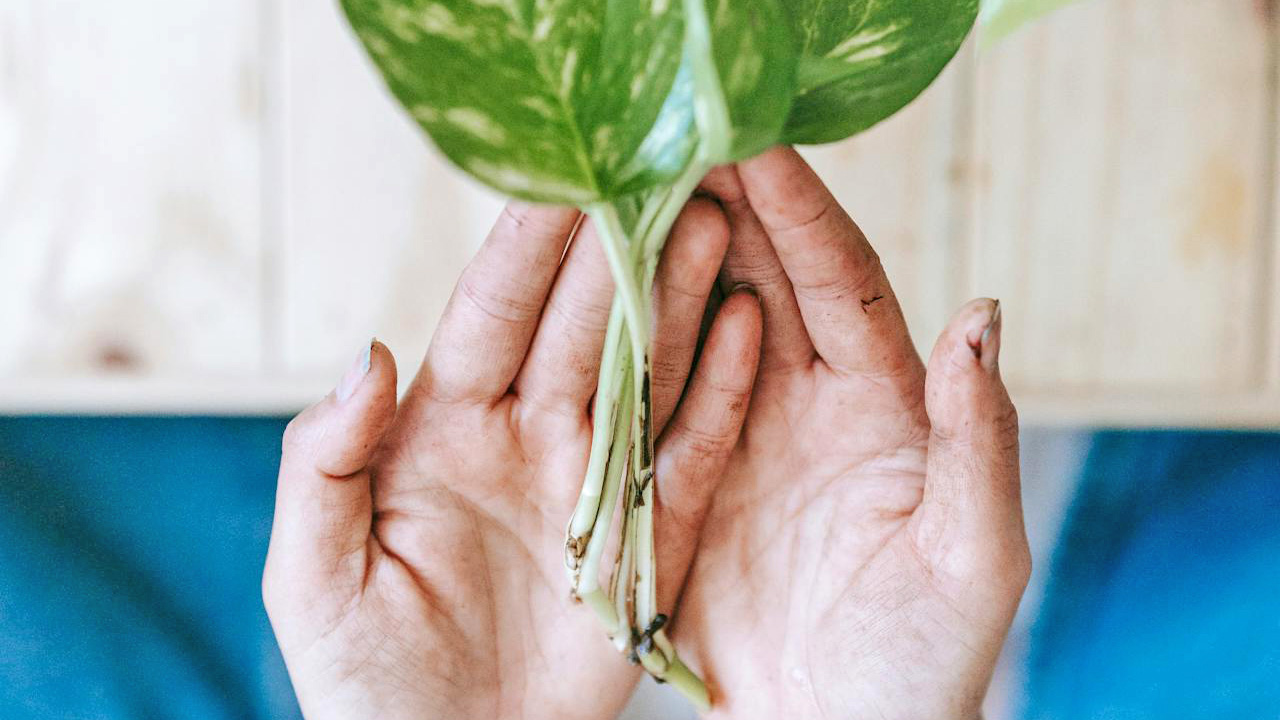
Late fall and winter can be a good time to take hardwood cuttings from shrubs like hydrangea, forsythia, or currants, and softwood cuttings from houseplants or herbs. Stick them in pots or trays of moist, gritty mix and keep them in the greenhouse where they’re protected from the worst of the weather.
You won’t see much happening above the soil at first, but roots quietly form over the colder months. By spring, you may have a batch of baby plants you didn’t pay retail for—ready to fill gaps in your garden or swap with friends.
Dry herbs, flowers, and seed heads out of the weather
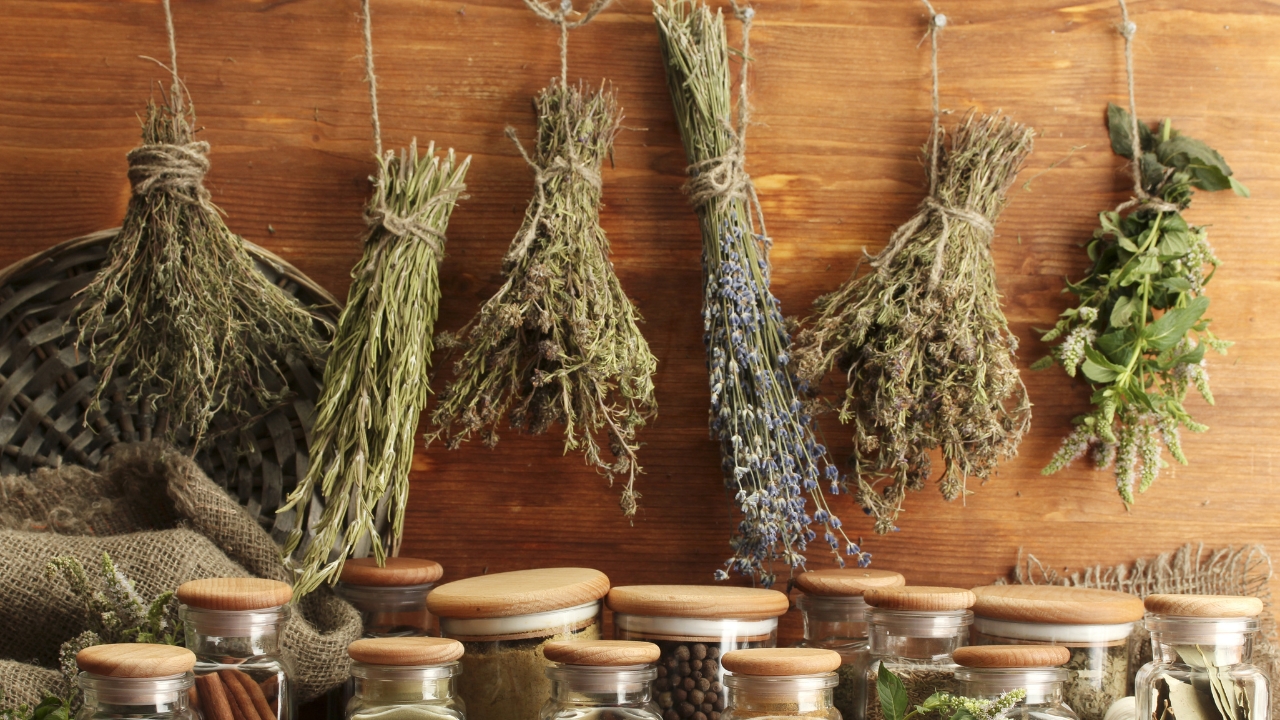
The drier air in a greenhouse can help with drying herbs and seed heads if you have decent airflow. Tie herbs in small bundles and hang them upside down, or lay flower heads on mesh racks.
Just make sure the area doesn’t get overly humid or completely sealed tight, or you’ll end up with mold. A cracked vent or small fan can keep air moving. It’s an easy way to save your own seed or make simple dried bundles for winter cooking and projects.
Give houseplants a bright “rehab” space

If your houseplants struggled with low indoor light all fall, the greenhouse can serve as a recovery zone on milder winter days. Bright, filtered light helps them put on new growth without baking like they might in summer.
Rotate a few at a time into the greenhouse for a week or two, especially if you have sunny but cool days. Just keep an eye on nighttime lows—many houseplants don’t like dipping too far below the mid-40s, so you may need to bring them back inside or add a small heater if your nights are really cold.
Use it to harden off young plants gradually

Even in winter and early spring, you can use the greenhouse as a step-down space between indoor conditions and full outdoor exposure. Seedlings that started under lights inside can move to the greenhouse first instead of going straight out into wind and big temperature swings.
They’ll get used to cooler temps and more natural light under a bit of protection. When it’s truly time to move them into the garden, they’re less likely to sulk, scorch, or flop over from shock. It’s like giving them a little practice round before the real thing.
Store soil mixes and tools where they won’t stay soaked

Bags of potting mix, amendments, and even some tools last longer if they’re not constantly sitting in rain or snow. Use a corner of the greenhouse to store soil, amendments, stakes, and clean pots so they stay dry and easy to reach.
You’ll spend less time digging through wet, half-frozen bags or de-rusting tools in spring. Just keep anything that could be damaged by temperature extremes (like liquids that freeze) closer to the house if your greenhouse isn’t heated.
Experiment with new varieties on a small scale

The greenhouse is a great place to test unfamiliar varieties or borderline-hardy plants without committing your whole garden. Try a new type of lettuce, an unusual herb, or a tender shrub cutting in a protected pot.
If it thrives in that buffer zone, you’ll know it’s worth giving some prime space outside later. If it fails, it failed in a pot, not in the middle of your main bed. That little “test lab” helps you learn your conditions without making every plant a guess.
Create a cozy spot for you, not just your plants
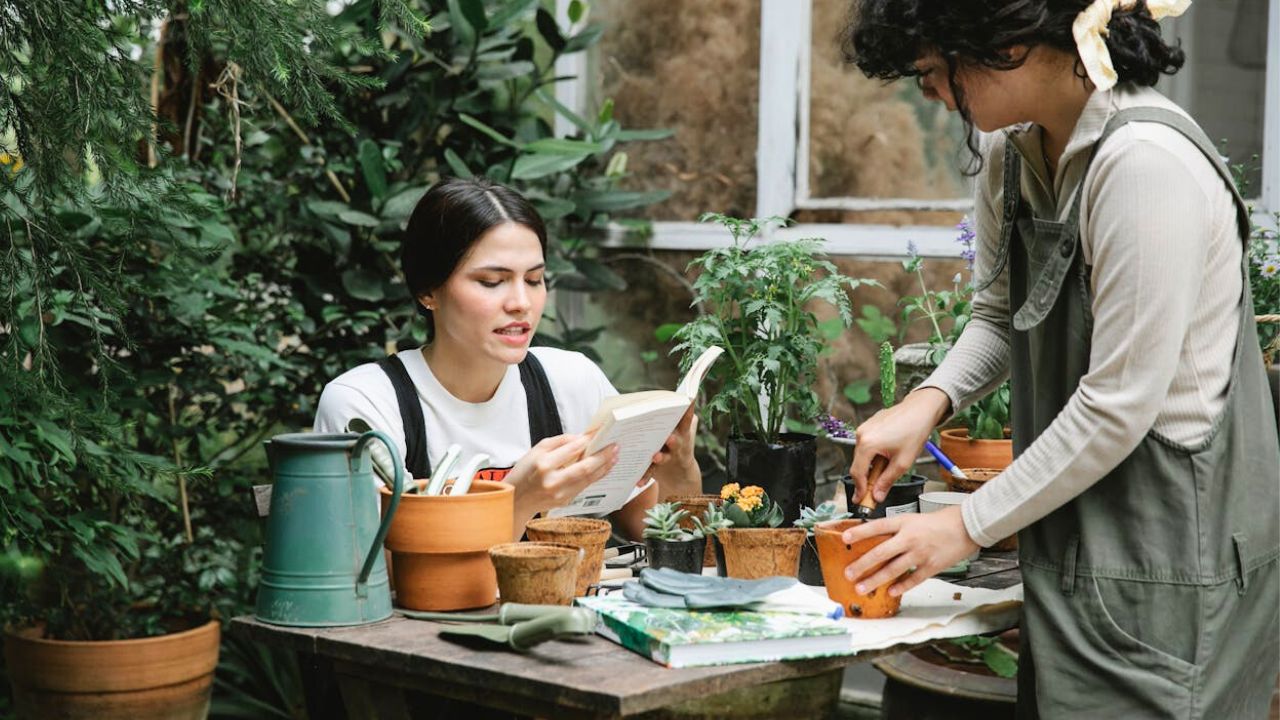
On sunny winter days, the inside of a greenhouse can feel surprisingly nice compared to the wind outside. Put a simple chair or small bench in a corner. Bring a mug of something warm, sit among the pots, and give yourself ten quiet minutes.
It sounds small, but having a place to go that feels alive and green when everything else is dormant can help you push through the longest stretch of the year. The greenhouse doesn’t just serve the plants—it can serve you, too.
Like Fix It Homestead’s content? Be sure to follow us.