How to overwinter peppers for an earlier harvest next year
Photo credit: Vasin Hirunwiwatwong/istock.com
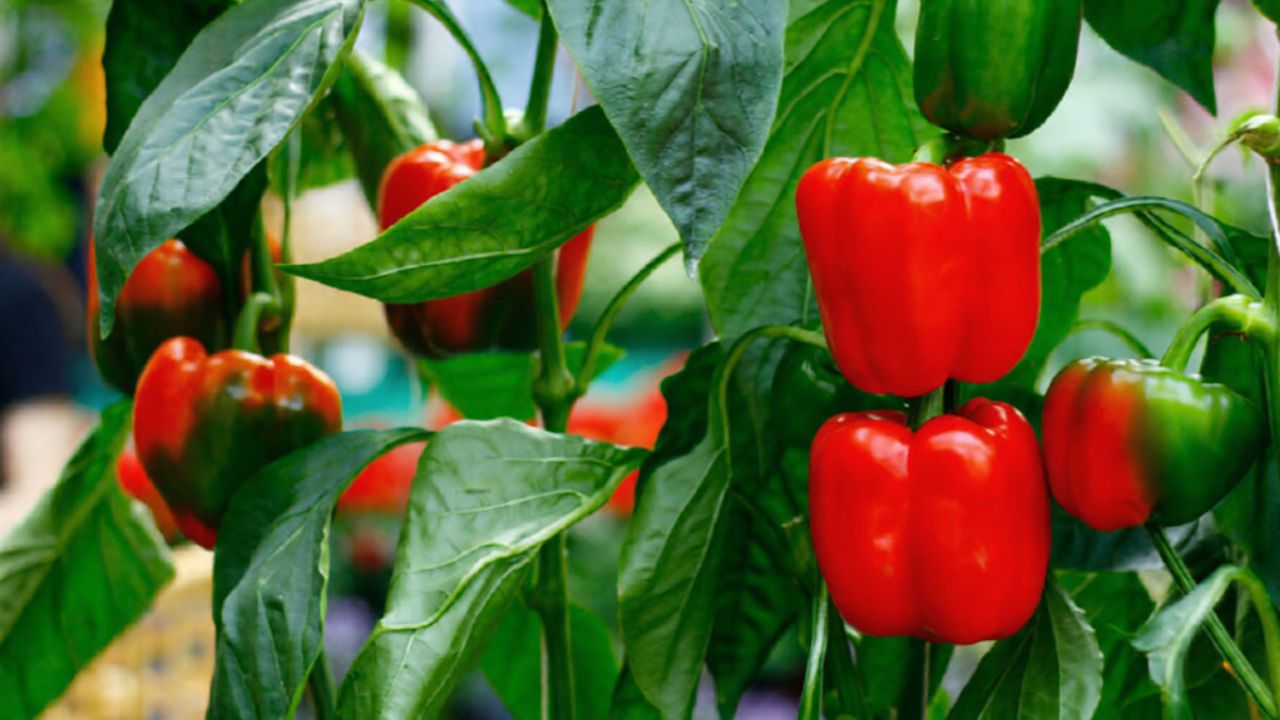
Peppers act like annuals in a lot of gardens, but they’re technically tender perennials. If you’re willing to baby a few plants through winter, you can start next season with mature roots and get peppers weeks earlier than usual. It sounds fussy, but once you know the steps, it becomes a simple yearly rhythm.
Decide which plants are worth saving
You don’t have to overwinter every pepper you grew. Pick the ones that really earned their keep—varieties that produced well, stayed healthy, or are harder to find as starts in spring. Hot peppers and smaller-fruited types often overwinter better than huge bell peppers, but you can experiment.
Mark your chosen plants before frost so you’re not guessing in the dark later. It’s easier to dig and pot up when the weather is still mild and the plant isn’t in panic mode.
Dig and pot them up before a hard freeze
Before your first real freeze, gently dig around the pepper, trying to keep as much of the root ball intact as you can. Shake off some of the garden soil and settle it into a pot with fresh, well-draining potting mix.
Choose a pot just a bit larger than the root ball; huge pots stay too wet indoors. Water thoroughly once to help everything settle. This move is a shock to the plant, so expect some leaf drop—it’s normal.
Give them a haircut for easier winter care
Peppers don’t need full, leafy tops in winter. In fact, all that foliage just asks for trouble in low light. Trim the plant back by about one-third to one-half, focusing on weak or crossing branches and any that look damaged.
Leave a simple framework of healthy stems with a few leaf nodes. This makes it easier to fit the plant in your indoor space and reduces stress on the root system while it’s adjusting.
Find a cool, bright spot—not a cozy living room corner

Overwintering peppers do best in a cool, bright location: think an unheated room that stays above freezing, a bright basement window, or a sunroom that doesn’t roast. Regular house temps are okay if that’s all you have, but cooler is usually better for a true semi-dormant rest.
They need light, but not blazing heat from a south window plus a heater. If your only bright spots are warm, just accept they may stay a bit more leafy and active and need slightly more water.
Water less, but don’t let them bone-dry
In winter, peppers aren’t using nearly as much water. Let the top inch or two of soil dry out before watering again, and then water thoroughly until it drains from the bottom. Dump any excess from saucers so roots aren’t sitting in it.
If leaves yellow and fall off slowly, that can be normal adjustment. If stems shrivel and soil is dust-dry, they need more water. It’s a balance between “not soggy” and “not desert.”
Skip fertilizer until you see new growth
This is not the time to push growth. Fertilizing in winter encourages weak, leggy stems that don’t help the plant long-term. Hold off on feeding until days get noticeably longer and you see fresh, strong growth starting at the nodes.
When that happens, you can resume a diluted fertilizer every few weeks, but go slow. They’ve been resting; you’re gently waking them up, not shocking them.
Move them back outside in stages in spring
Once nighttime temps are consistently above 50°F, you can start hardening peppers off again. Put them outside in a sheltered, shady spot for a few hours at a time, bringing them in at night. Gradually increase sun exposure over a week or two.
After they’ve adjusted, you can either keep them in containers or transplant them back into the garden. Don’t be surprised if they explode with flowers far earlier than your newly planted starts. That’s the whole point.
Watch for pests and prune as you go
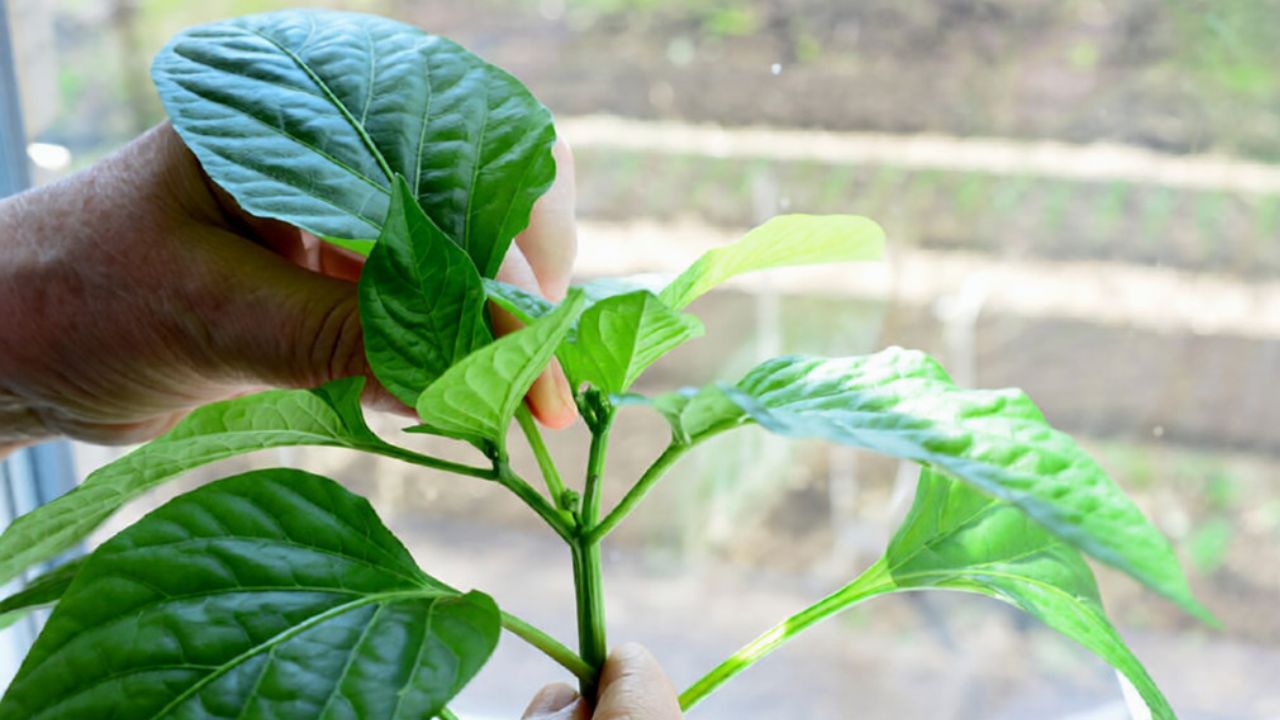
Indoor time can invite aphids or spider mites. Check leaves and stems occasionally and rinse or treat issues early before they turn into full infestations. A simple shower under the faucet goes a long way.
As the plant grows again, keep shaping it—remove weak growth, pinch back overly long branches, and encourage a strong, open structure. A well-shaped overwintered pepper is usually more productive and manageable than a brand-new, lanky seedling.
Like Fix It Homestead’s content? Be sure to follow us.