10 Holiday Hosting Habits That Actually Make Things Easier
Photo credit: Rod Long/Unsplash.com
Hosting for the holidays doesn’t have to feel like you’re running a restaurant and a daycare at the same time. A lot of the stress comes from trying to do everything from scratch, all at once, with a house full of people watching. A few simple habits before and during the day can take the edge off and make it feel manageable.
These are the quiet things good hosts do that make guests feel welcome—and keep you from collapsing afterward.
Planning the menu around your actual stove and oven space

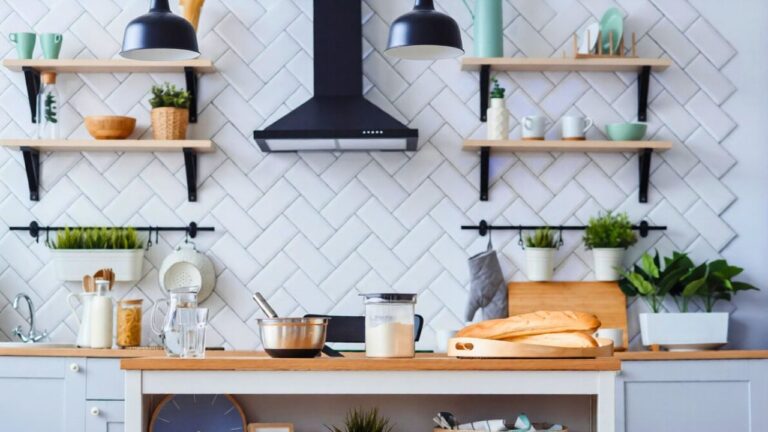
It’s easy to get carried away with recipes and forget how many burners and racks you actually have. Before you finalize the menu, sketch out when each dish needs the oven or stovetop and for how long. If everything wants 350°F at 4 p.m., you know something has to change.
Swap in a slow-cooker side, a cold salad, or a make-ahead dish that just needs reheating. When the menu matches your kitchen, the whole day feels smoother.
Prepping one category fully the day before
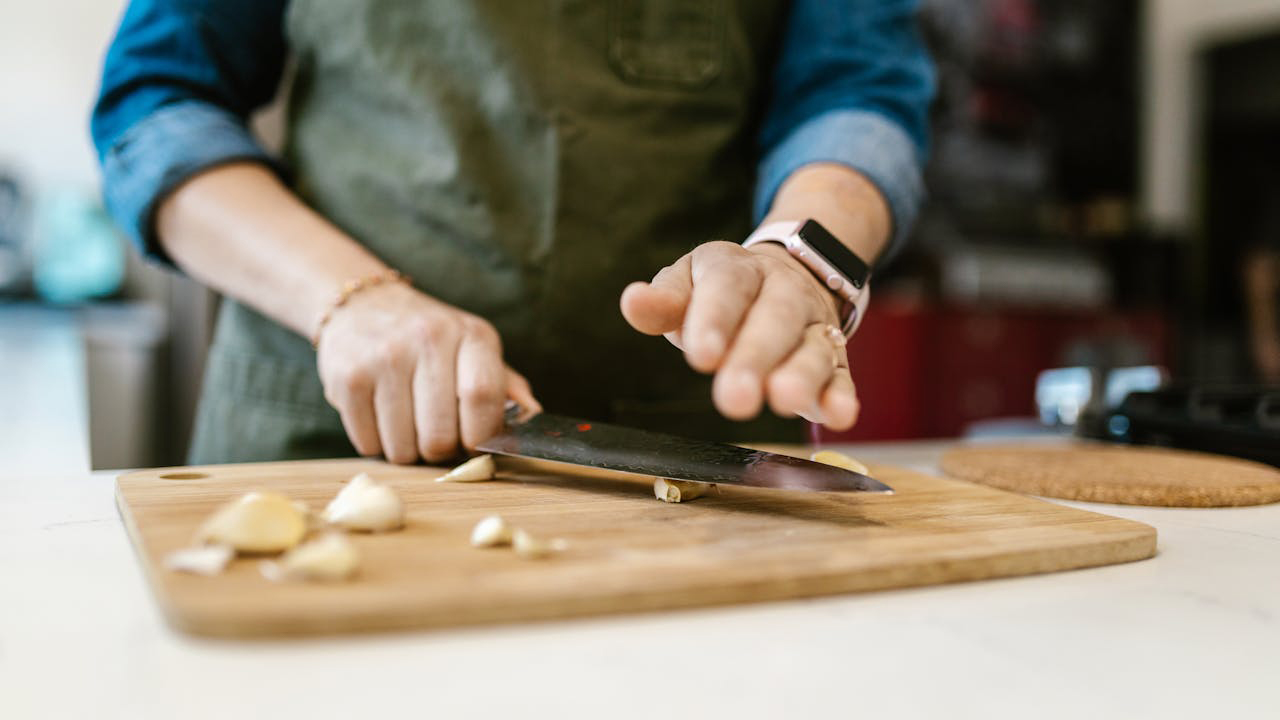
Instead of “a little bit of everything,” pick one category to finish early—desserts, cold sides, or breakfast for the next morning. Getting that entire category done gives you real breathing room.
The day of, you’re not bouncing between baking pies and basting meat and chopping vegetables. You’re pulling finished things out of the fridge and focusing on the main meal. It’s a completely different feeling.
Setting up self-serve stations for drinks and snacks

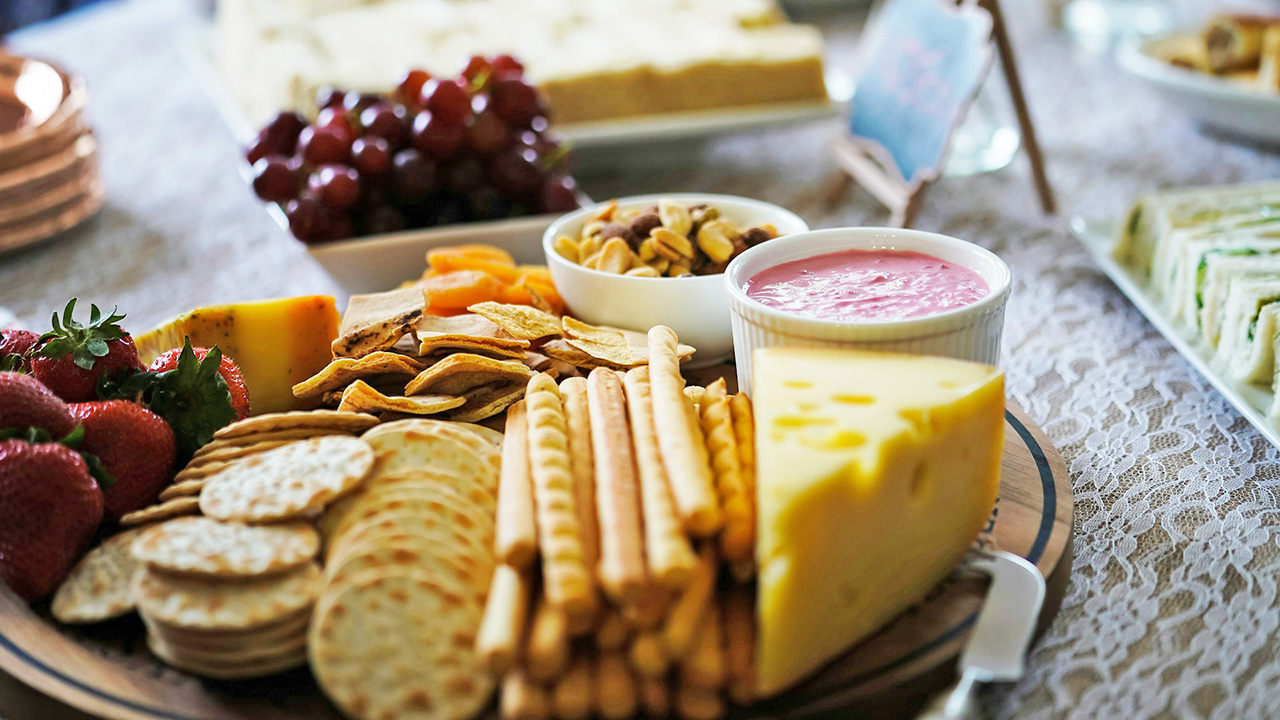
People feel more at home when they can grab their own drink or snack without asking every time. Set up a drink station with cups, napkins, and ice, and a small snack area with simple things—nuts, cheese, crackers, fruit.
Once that’s done, you’re not the only source of food and drink anymore. Guests can help themselves, and you’re freed up to focus on timing the meal and enjoying your own house.
Using disposable where it actually helps
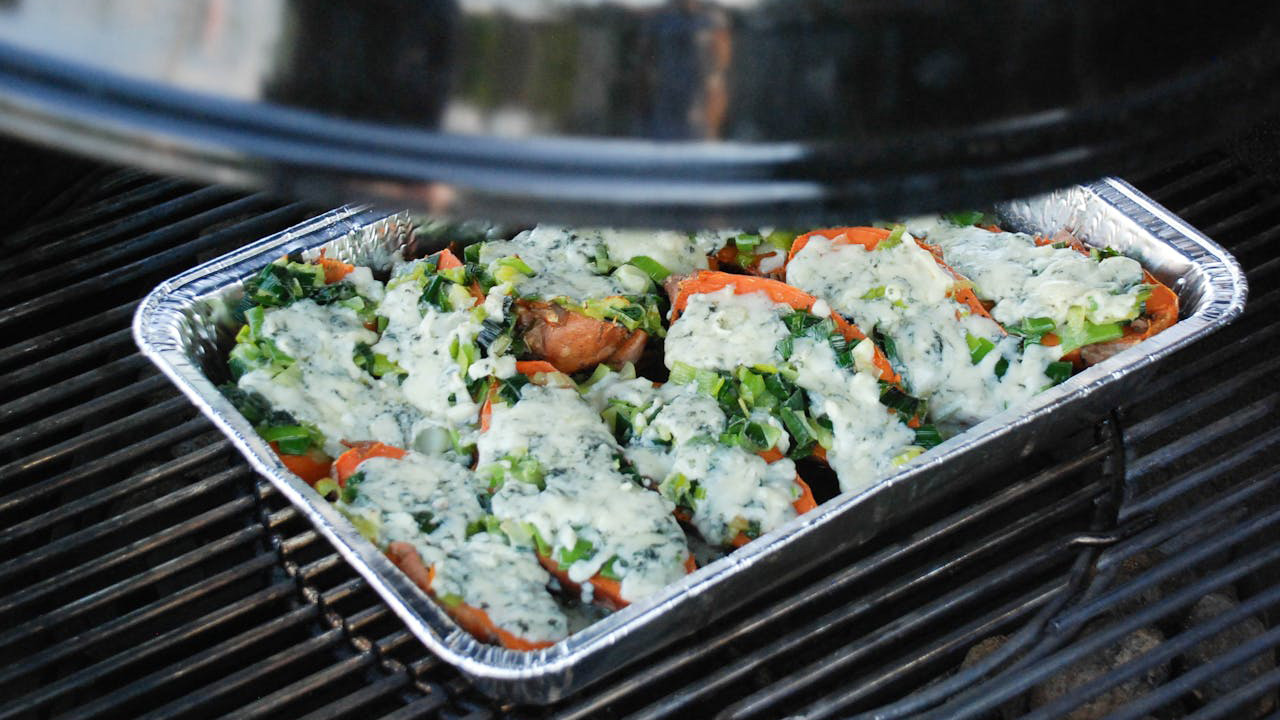
You don’t have to go full disposable everything, but it’s okay to be strategic. Dessert plates, appetizer plates, and cups for kids are good candidates. Or use disposables for the big crowd and save your real dishes for a small brunch.
Mixing in a little convenience cuts your dish load down without making the whole thing feel like a picnic. The goal is a night you can enjoy, not just one you survive.
Cleaning as you go in small bursts
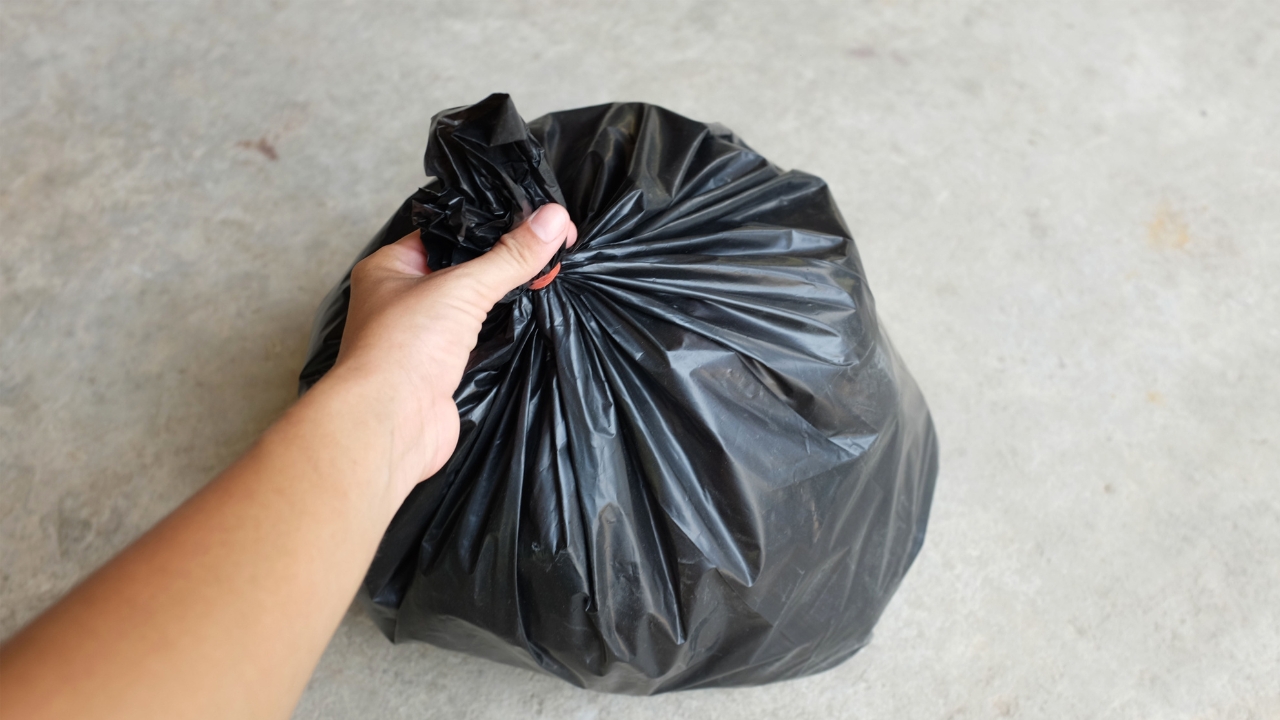
“Clean as you go” doesn’t mean scrubbing the kitchen during the party. It just means taking advantage of small windows. Stick dirty dishes into the dishwasher while something bakes, wipe a counter while coffee brews, toss trash before the bag is overflowing.
These tiny resets keep the mess from feeling overwhelming when everyone leaves. You’ll still have cleanup, but it won’t be a wall of chaos that makes you want to cry into the dishwater.
Giving guests one or two clear ways to help
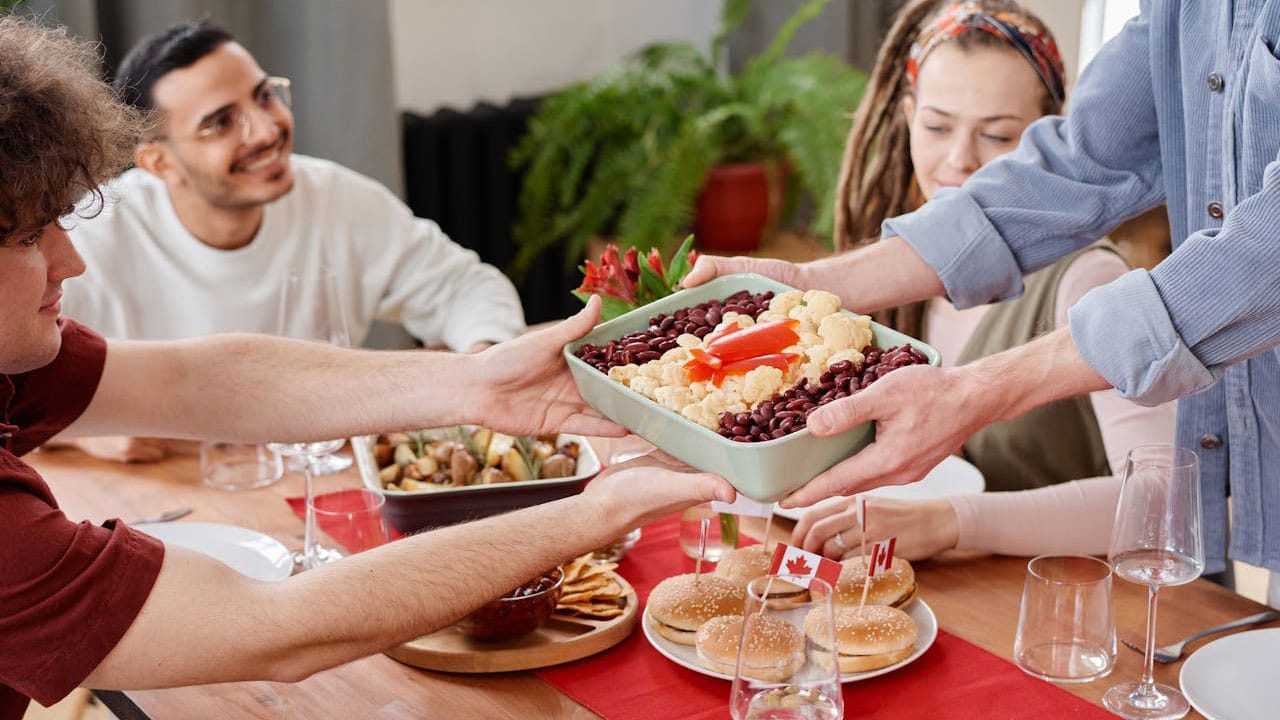
When someone asks, “What can I do?” have a couple of easy jobs ready: refill the water pitcher, stir the gravy, carry rolls to the table, or keep an eye on the kids’ table. Most people like to feel useful, but they don’t know where to jump in.
Assigning small, specific things makes hosting feel lighter. You’re not delegating your whole meal, just letting people share little pieces of the load.
Keeping expectations realistic for timing

Meals almost never hit the table at the exact minute you planned. Instead of apologizing constantly, build in a buffer. Have snacks out. Plan a simple activity or game for kids. Let people chat in the living room while you finish up.
If you expect slight delays, you’re less stressed when they happen. Guests pick up on that and relax, too. A calm host matters more than a perfectly timed casserole.
Having a simple “after dinner” plan
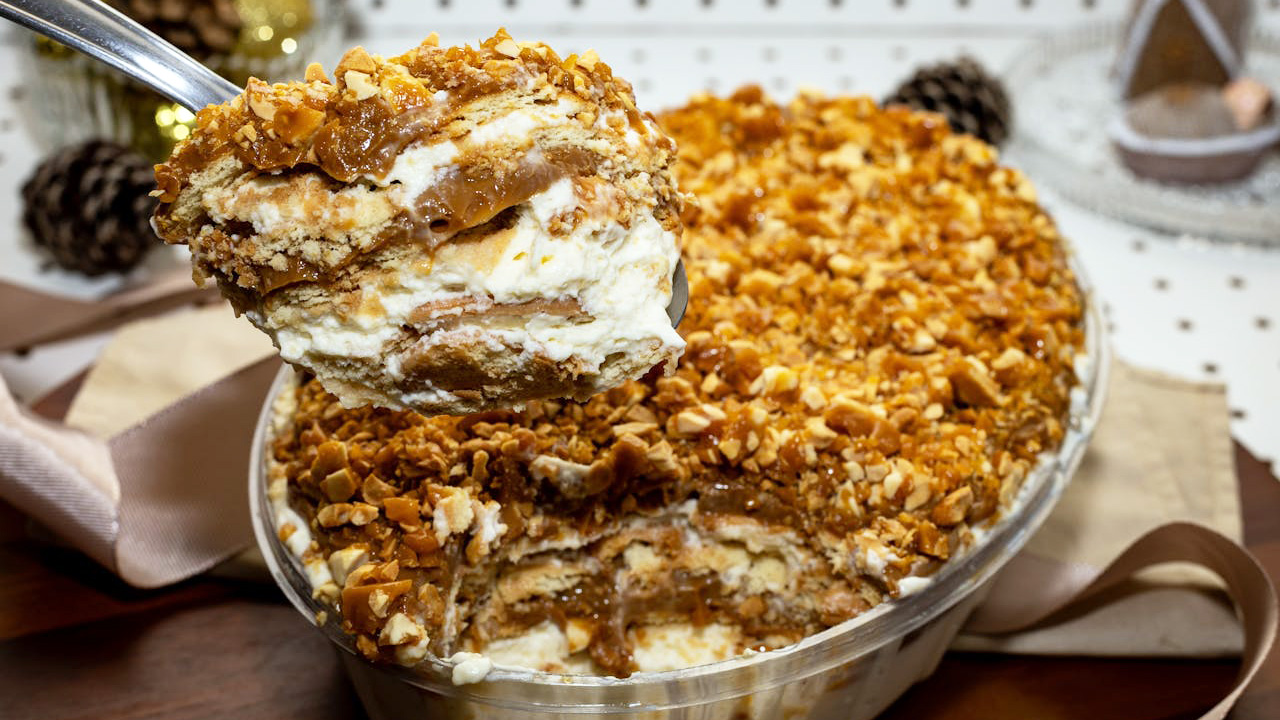
The moment after everyone eats can feel a little awkward if there’s no loose plan. You don’t need a full schedule—just one or two options: a walk, a board game, a movie, or setting out dessert and coffee.
Knowing what’s next keeps people from wandering aimlessly and gives you a chance to shift gears. It also keeps kids from tearing through the house while adults are still trying to finish a conversation.
Packing leftovers with a system, not a scramble
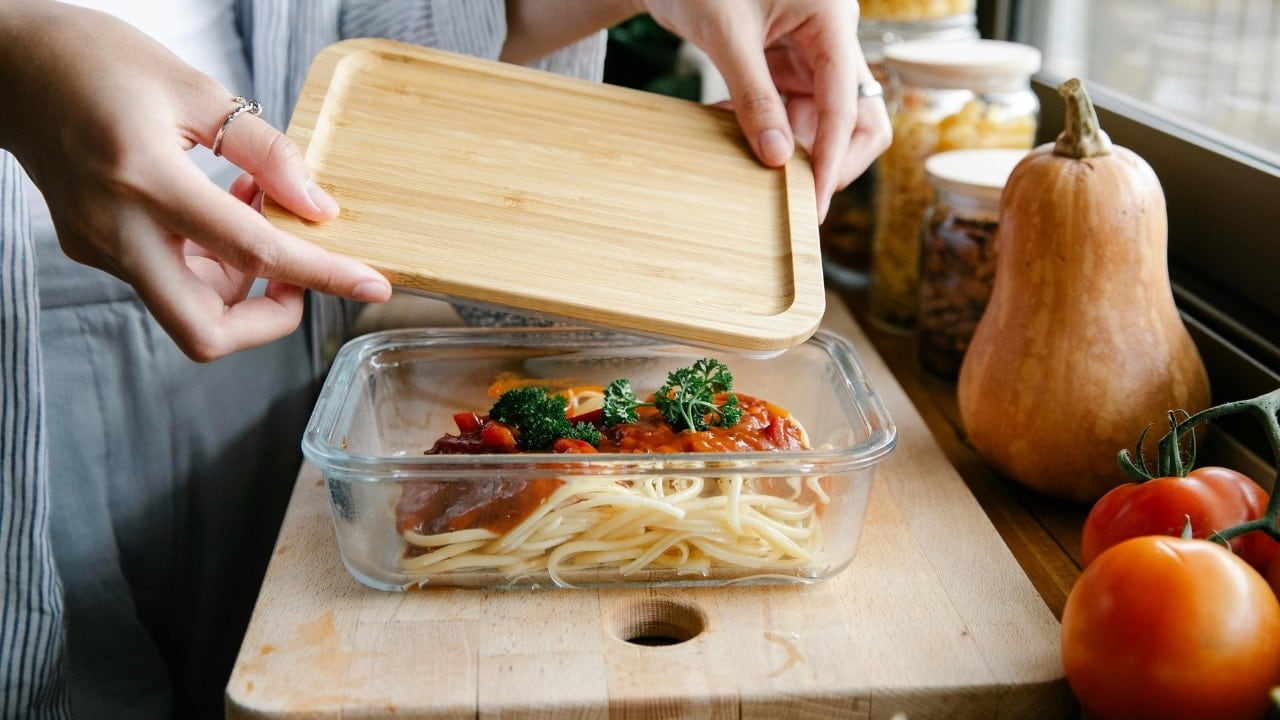
Leftovers can either be a big blessing or a big mess. Before the meal, set out containers, foil, bags, and a Sharpie. Decide if you’re sending food home or keeping most of it.
After dinner, designate one spot for to-go containers and let people build their own plates to take home. Label as you go. You’re not standing at the fridge shoving random spoonfuls into whatever you can find.
Letting “good enough” actually be enough

The most important hosting habit is giving yourself permission to stop. Stop adding one more side, one more dessert, one more extra thing. At some point, what you’ve done is plenty.
Guests care more about how it feels to be in your home than how many dishes you made from scratch. When you let yourself enjoy your own gathering, the whole holiday feels better—for you and for everyone sitting at your table.
Like Fix It Homestead’s content? Be sure to follow us.