The Calibers Homesteaders Rely on Most for Nighttime Predators
Photo credit: Steven Matto/Shutterstock.com
Nighttime predators hit different. Everything is harder: seeing clearly, judging distance, handling adrenaline, and making absolutely sure of your target and what’s behind it. On top of that, you’re often shooting from a porch, at weird angles, with buildings, pens, and roads sitting in the background.
That’s why most homesteaders who have done this for a while gravitate toward a few practical calibers for night work—rounds they know well, can shoot in the dark with confidence, and that make sense for their land.
Why lower recoil and familiarity matter more at night
Night shooting exposes every bad habit. If the rifle kicks harder than you’re used to or the muzzle blast makes you flinch, it will only get worse in the dark. That’s one big reason softer-shooting calibers like .223 are so popular for nighttime predator control.
You also need to be able to get follow-up shots without losing all your bearings. A caliber you can control lets you stay in the scope, watch impact, and be sure the animal is actually down before you relax.
.223 Remington: the nighttime workhorse
It’s not fancy, but .223 has become the default nighttime predator caliber for a lot of small farms and homesteads. It offers:
- Manageable recoil
- Plenty of bullet options tuned for coyotes and similar predators
- Compatibility with AR-style rifles that pair well with lights and night optics
With a good soft-point or varmint round, .223 will handle foxes, coyotes, and feral dogs at typical night distances without beating you up. Just keep your backstop in mind; the bullet doesn’t magically stop because it’s dark.
Mid-size calibers when your predators are bigger or further
If you’re in country where coyotes are large, wolves are a concern, or your shots are stretching across wide, open spaces, some folks step up to calibers like .243, 6.5 Creedmoor, or .308. They deliver more energy and penetration, which can matter on bigger predators or tougher angles.
The tradeoff is more recoil and muzzle blast, which can be a lot at 2 a.m. on the porch. If you go this route, it’s worth putting extra time into practicing under low light and making sure you’re genuinely comfortable with the rifle.
Rimfire and smaller centerfires for tight homesteads
In tighter setups—with barns, sheds, and neighbors all closer than you’d like—some homesteaders lean toward .22 WMR, .17 HMR, or other mild rounds for small predators that sneak in close. These calibers are not the answer for big dogs or long shots, but they can be appropriate for closer work when used carefully.
The goal at night is always to solve the problem without creating a worse one. That means respecting your backdrop even more than you would in daylight and sometimes choosing a smaller, more controlled option.
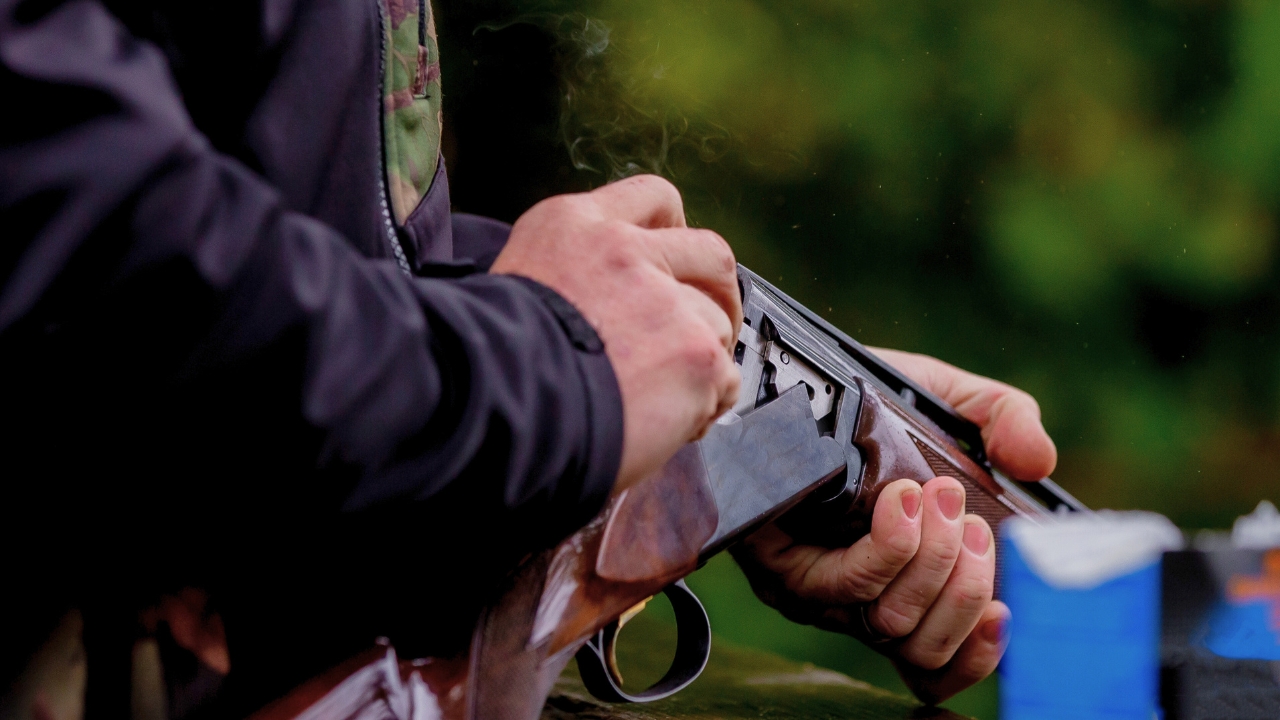
Don’t sleep on the shotgun at night
For predators that get very close to buildings, a shotgun with the right load is still hard to beat. At short distances, it gives you a wider hit pattern, less risk of a bullet carrying way downrange, and plenty of stopping power on foxes, raccoons, and similar pests.
A simple 12- or 20-gauge with a good light attached can cover a lot of those “right at the coop” emergencies where a rifle is overkill or dangerous. It’s not a caliber, but it absolutely belongs in the nighttime predator conversation.
The best “night caliber” is the one you’ve truly trained with
When you’re bleary-eyed on the back porch listening to something move in the dark, you’ll be grateful for the rifle you know like the back of your hand. For many homesteaders that ends up being a .223; for others it’s a mid-size deer rifle or a shotgun that’s been with them for years.
Whatever you choose, make yourself practice from the porch, from a window, and in low light (safely, with a proper backstop). Nighttime predators don’t give you much grace. Familiarity and safe habits matter more than any label on the ammo box.
Like Fix It Homestead’s content? Be sure to follow us.