
15 Ways to Be a Terrible Host
Photo credit: BearFotos/Shutterstock.com
Hosting doesn’t require a perfect house or catered food. Most people are happy with basic comfort, some decent food, and not feeling like a nuisance. Still, there are a few reliable ways to sink the whole experience so guests mentally steer clear next time.
If you want to avoid being the host everyone complains about on the way home, pay attention to this list—and then do the exact opposite.
1. Ignore the Invite Details Completely

Telling people to “come whenever” with no date, time, or plan is confusing. Following that up with last-minute changes or vague directions leaves guests stressed before they even show up.
Be clear. A simple message with day, time, and rough plan is enough. Hosting isn’t about perfection, but basic information shows respect for everyone’s time and energy.
2. Greet People Like an Interruption

If guests arrive and stand in the doorway while you half-wave from the kitchen, they feel like they walked into the middle of your chaos, not into a home where they’re wanted.
Take twenty seconds to stop and greet them. A “Hey, I’m glad you’re here” sets the tone. You can go back to the stove afterward, but the first impression matters.
3. Refuse to Show Anyone Where Anything Is
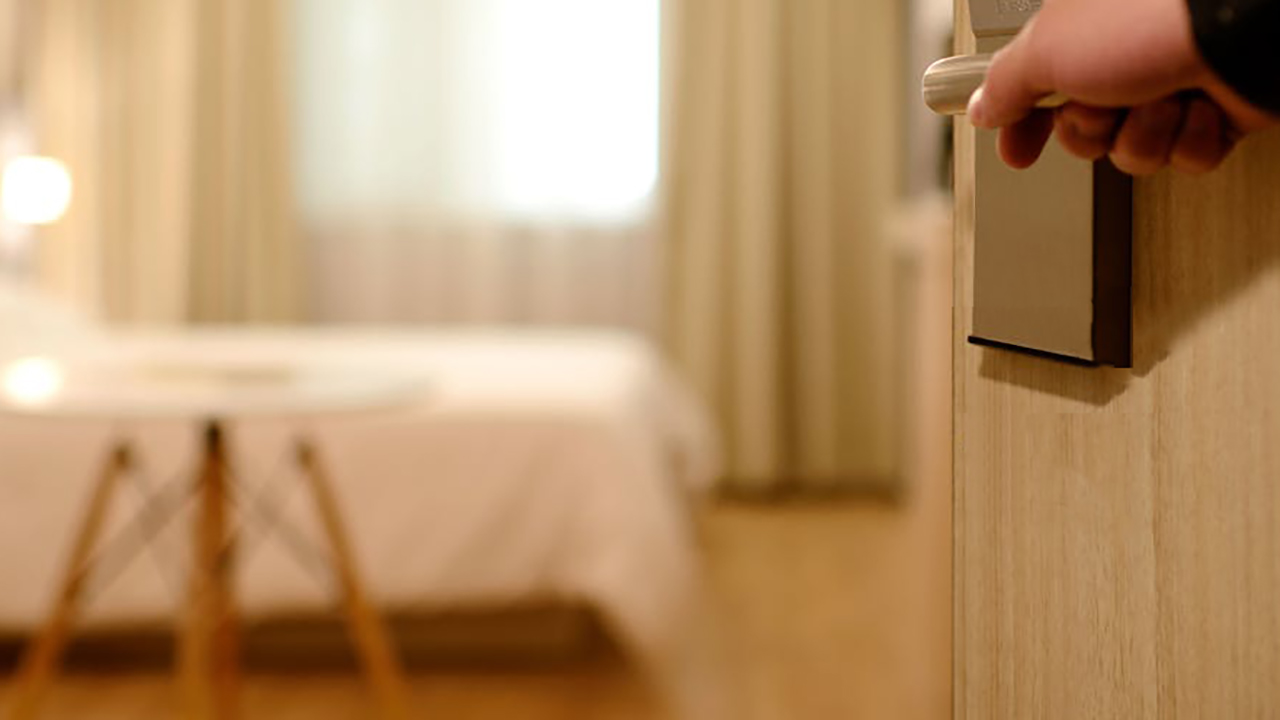
If no one knows where the bathroom, drinks, or trash are, they’ll spend the whole time awkwardly asking or going without. Hosting doesn’t mean hovering, but it does mean orienting people.
Give a quick, simple tour: “Bathroom’s right here, drinks are over there, trash by the back door.” After that, guests can relax and take care of themselves without feeling rude.
4. Make People Sit in Uncomfortable Spots
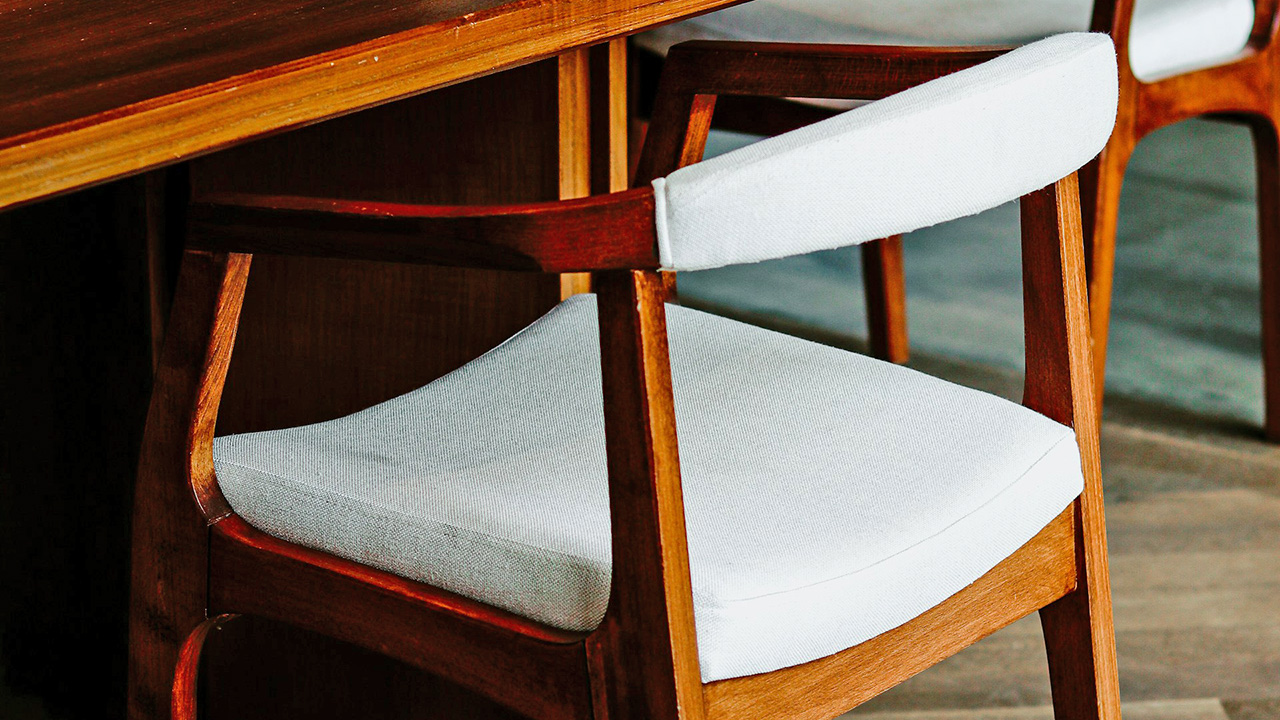
Folding chairs jammed against a wall, no place to set a drink, or seating that’s spread so far apart no one can talk makes visiting feel like a chore. People end up standing around and leaving early.
Pull seating closer, add a few extra spots, and offer someone a real chair if they’re struggling. Comfortable seating tells guests you actually thought about them.
5. Serve Food an Hour Later Than You Said

Life happens, but if no one has snacks and dinner runs an hour or two behind, people get hungry, grumpy, and done. Kids melt down, and adults start eyeing the door.
Have something simple ready on time even if the main course runs behind—chips and salsa, veggies and dip, cheese and crackers. It doesn’t have to be fancy, just accessible.
6. Talk Only to Your Favorite Person

If you spend the entire evening deep in a corner with one person and never check on anyone else, guests feel like extras in your night, not part of it.
You don’t have to host like a talk show, but make a point to chat with each person or family. A short check-in matters. It keeps people from feeling ignored.
7. Overshare and Overshock

Turning hosting into a dumping ground for every dramatic detail of your life can make people deeply uncomfortable. Guests end up nodding through oversharing they didn’t sign up for.
Be honest and real, but keep some boundaries. If you wouldn’t say it to a room full of coworkers, maybe don’t lay it on every cousin and in-law at once.
8. Leave Dishes and Trash Everywhere
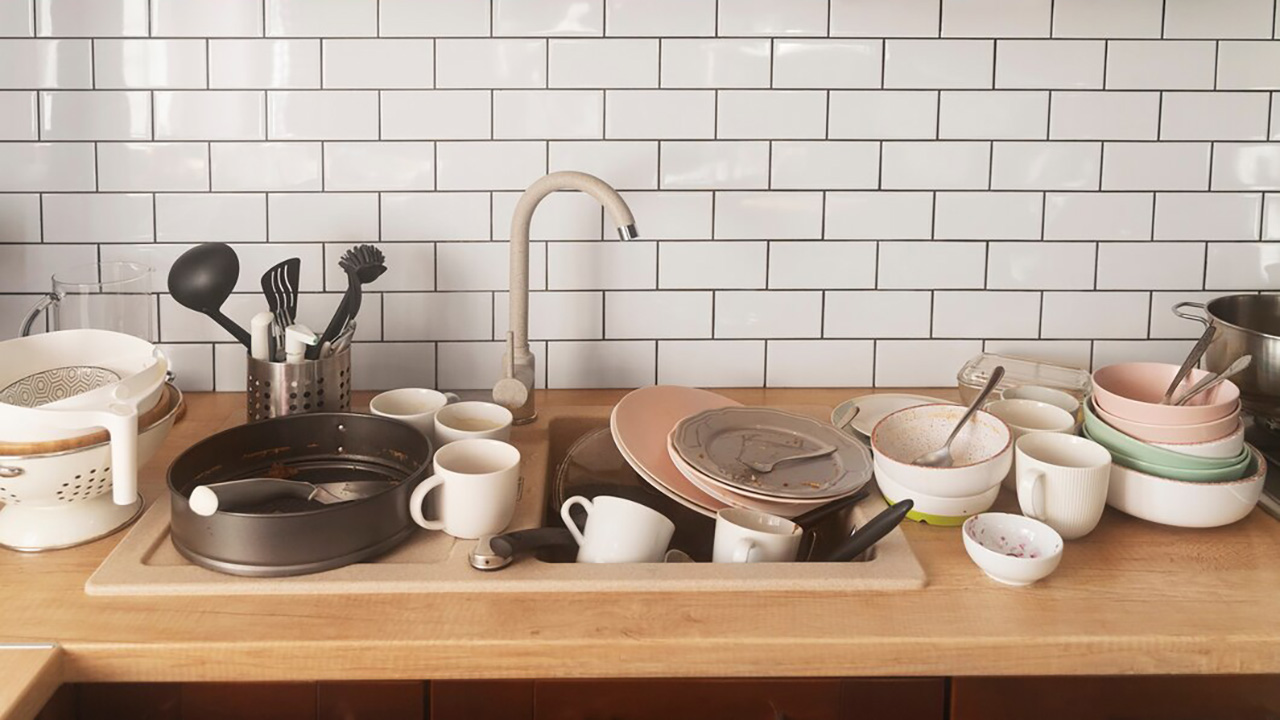
Letting dirty dishes stack up untouched and trash overflow into the room makes the whole house feel out of control. Guests won’t want to sit and visit when every surface feels sticky.
You don’t need a spotless kitchen mid-meal, but a couple of quick resets help. Load a round of dishes, bag the trash, and clear a space for people to sit and talk without staring at crusty plates.
9. Ignore Special Needs and Restrictions

If you invite someone over and overlook a wheelchair, mobility issues, or a serious food restriction, they’ll feel like an afterthought. It doesn’t take much to plan ahead a little.
Ask one or two practical questions beforehand, and adjust where you can. Clear a path, pick one safe dish, or set up a chair where it’s easier for them. It shows you actually wanted them there.
10. Let the Kids Rule the House Completely

Kids will be kids, but no one enjoys an evening where little ones run wild, scream through conversations, and yank on people constantly without any guidance.
Give kids some structure—a space to play, basic rules, and a few activities. Step in if things get rough or unsafe. Guests shouldn’t feel like they’re in a daycare with no adult in charge.
11. Talk Badly About Other Guests in Front of Everyone

Complaining about people who aren’t there, rolling your eyes at family members, and gossiping loudly sets a tone. Everyone wonders what you say about them when they leave.
You might think it’s funny or bonding, but it makes people uneasy. Keep those conversations private, later, with someone you truly trust—not on display in your living room.
12. Keep the House Dark and Depressing or Blindingly Bright

A house that’s practically a cave or lit like a warehouse isn’t comfortable. People strain their eyes trying to talk or feel like they’re under a spotlight.
Turn on enough lamps so people can see each other and their plates, then skip the harsh overhead lights if they’re glaring. A few balanced lights are enough.
13. Act Like Everyone Should Be Grateful You Bothered

If your whole attitude is “Look what I did for you,” guests will feel like they owe you for existing. Hosting can be work, but you chose it.
Accept compliments, take pride in your effort, but don’t make people pay for it with guilt. A simple “We’re glad y’all are here” goes further than any speech about how hard it was.
14. Watch the Clock the Whole Time

Checking the time constantly, sighing loudly, or making comments about how late it’s getting sends a clear message: you’re ready for this to be over. Guests will take the hint and avoid staying long in the future.
If you have an early morning, set an end time in the invite. That’s allowed. But once people are there, relax a little. Glancing at the clock every five minutes makes everyone feel rushed.
15. Never Say Thank You or Follow Up

Guests who brought food, helped clean, or drove a long way like to know it mattered. Ignoring that completely and disappearing afterward makes visits feel one-sided.
You don’t need a handwritten card. A quick text later—“Thanks for coming, we loved seeing y’all”—is enough. It leaves the memory of the visit on a warm note.
Like Fix It Homestead’s content? Be sure to follow us.