20 Tips for Becoming the Best Holiday Host
Photo credit: Nicole Michalou/Pexels.com
Being a good holiday host doesn’t look like a magazine spread. It looks like a home where people feel relaxed, welcome, and cared for, even if there’s a bit of mess and the rolls are slightly overbaked. The goal isn’t perfection—it’s comfort.
If you want your house to be the place people are happy to come back to year after year, these are the habits that make the biggest difference.
1. Start With the Entrance

The entry sets the tone. Clear a path, sweep quickly, and give people a place to put shoes and coats without tripping over everything. It doesn’t have to be fancy—just not chaotic.
A clean door mat, a simple wreath, and somewhere to put their stuff say, “We’re ready for you.” Guests relax quicker when they don’t feel like they’re stepping into a storage closet.
2. Make the Bathroom Guest-Ready

A fresh hand towel, soap that works, a clean toilet, and extra toilet paper in plain sight are non-negotiables. The bathroom is one of the first places people quietly judge how cared for they feel.
Take ten minutes before guests arrive. Wipe the sink, empty the trash, change the towel, and set out a few basics like tissues or spray. That tiny effort pays off all night.
3. Set Up a Simple Drink Station

You don’t need an elaborate setup. A counter with water, cups, maybe tea or cider, and ice if you have it is enough. The goal is to let people serve themselves without asking every time they’re thirsty.
Point it out early: “Drinks are over here—help yourself anytime.” It instantly takes pressure off you and makes guests feel comfortable settling in.
4. Plan Food You Can Actually Handle

This is not the time to attempt four new complicated recipes at once. Choose mostly familiar dishes you know you can pull off and mix in one or two “special” things if you want.
Food that’s ready on time and warm beats impressive dishes that have you crying in the kitchen. The more relaxed you are, the more relaxed your guests will be.
5. Have Snacks Ready Before the Main Meal
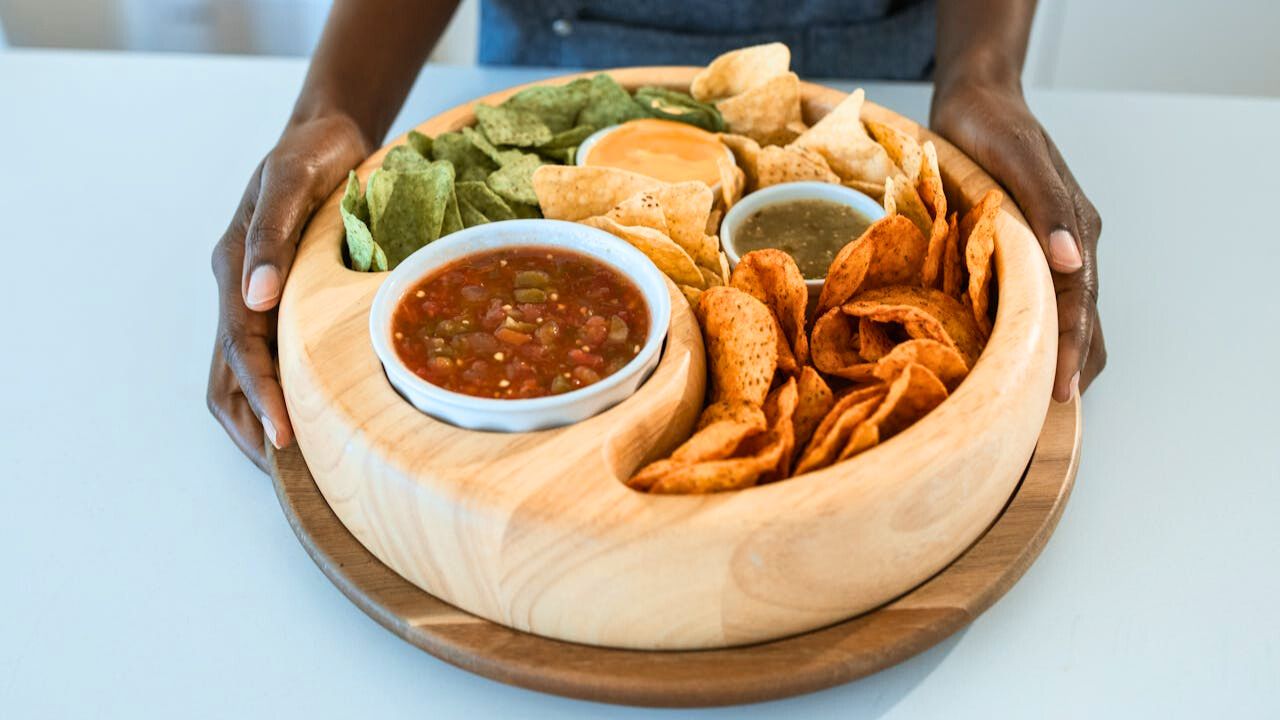
People arrive hungry. Kids especially. A few bowls of snacks—veggies and dip, cheese and crackers, fruit, nuts, or chips—keep everyone happy while you finish cooking.
Set them somewhere easy to reach but out of the main cooking path. You’ll field fewer “When are we eating?” questions and keep energy up while you pull the rest together.
6. Create Comfortable Seating Clusters
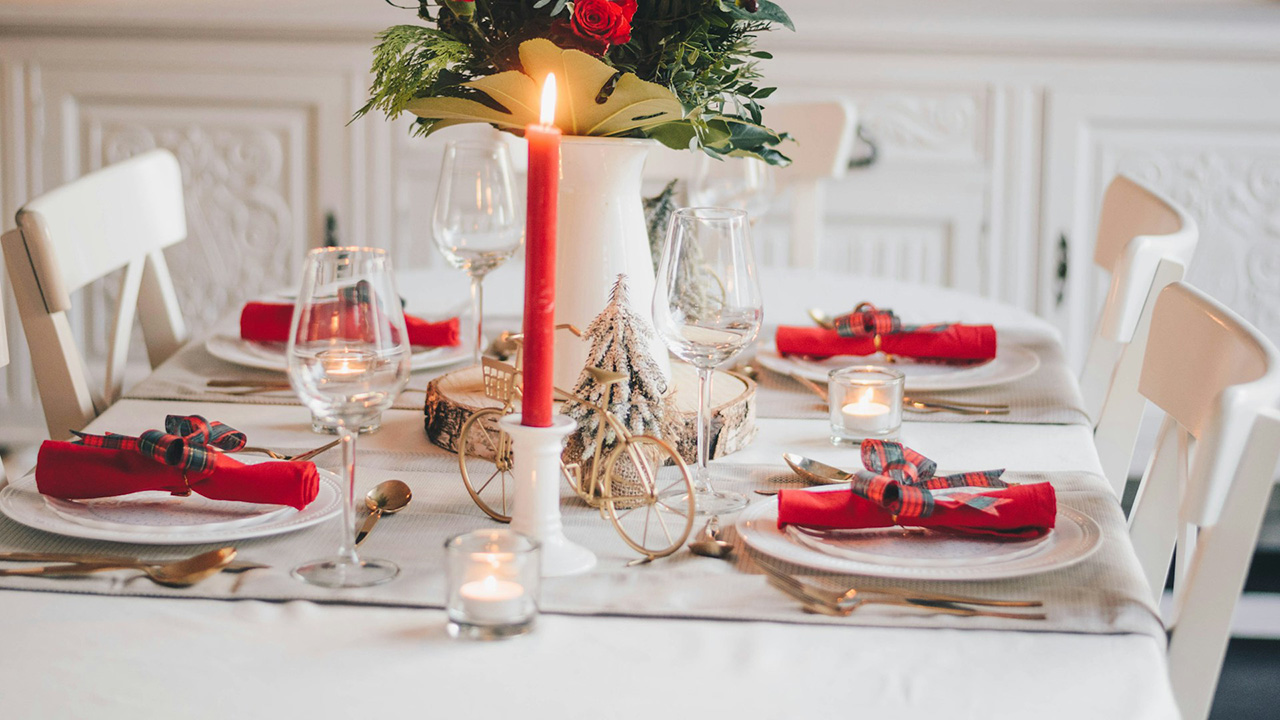
Think about where people will actually sit and talk. Pull chairs in closer, add a few extra seats, and create small groups instead of one long awkward line of chairs against a wall.
You don’t need matching furniture. Folding chairs mixed with regular seating is fine when they’re arranged thoughtfully. People stay longer when they have a comfortable place to land.
7. Keep Background Noise Balanced

Soft music can make the house feel warm, but it should never be loud enough that people have to shout. If you’re competing with the speaker, turn it down.
Choose a playlist that doesn’t demand attention and let it run. If a game or movie is on later, consider turning the music off so there’s only one main noise source at a time.
8. Make a Simple Kids’ Zone

Even a small basket of toys, some coloring supplies, or an easy movie set up in the next room gives kids somewhere to go that isn’t underfoot. It helps parents relax and keeps little ones happier.
Think basics: blocks, cars, dolls, puzzles, or a simple craft. You don’t have to entertain them nonstop; you’re just giving them a space to exist without constantly being told “Don’t touch that.”
9. Ask About Allergies and Needs Ahead of Time

A quick message—“Any allergies or food needs I should know about?”—shows you care. You’re not promising a separate buffet; you’re just making sure no one goes home sick or hungry.
If there is a need, plan one or two things they can safely eat and clearly point them out that day. People remember that level of thoughtfulness.
10. Use Real Timelines, Not Fantasy Ones

Be honest about how long your food takes, how many dishes you can manage, and how your day looks. If dinner is going to be at 5:30, say that—not 4:00, “if everything goes perfect.”
Realistic timelines mean less stress for you and less confusion for guests. If you’re running behind, say so and keep snacks flowing. People are patient when they feel informed.
11. Let Guests Help in Small Ways
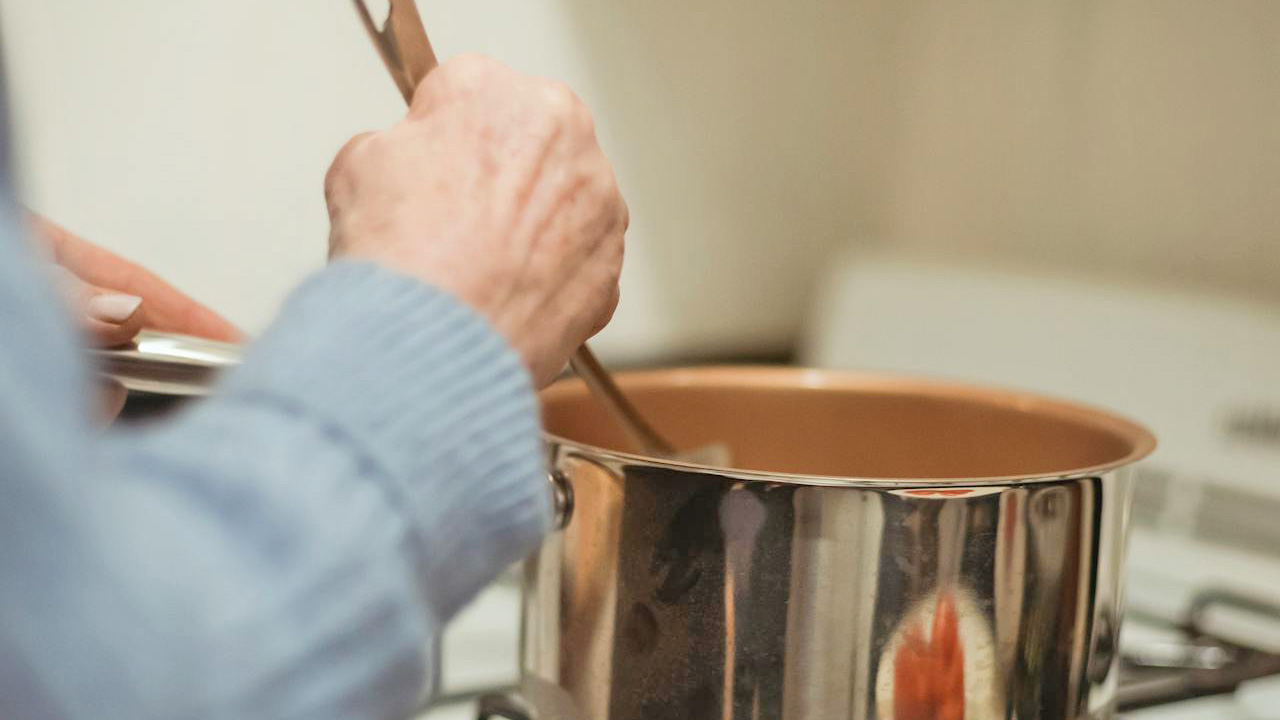
Most people like to feel useful. Let them bring a side, set out plates, stir something, or hold the baby while you finish. You don’t have to give away control of the whole kitchen to accept help.
If someone offers, say yes to something small. It builds a shared feeling instead of you doing everything alone while everyone else hovers awkwardly.
12. Keep Trash and Dishes Under Control

You don’t have to clean constantly, but a couple of quick resets make the house feel calmer. Take five minutes here and there to bag trash, stack plates, and clear surfaces where people sit.
This keeps mess from snowballing and makes it easier to relax after everyone leaves. Plus, guests feel more at ease in a space that’s lived-in but not buried.
13. Watch the Temperature and Adjust

More bodies, oven heat, and doors opening all change how the house feels. Pay attention to people fanning themselves or grabbing sweaters. Adjust the thermostat or crack a door when needed.
You don’t have to ask every person what they prefer. Just stay aware and aim for a middle ground where no one is obviously miserable.
14. Build in Unstructured Time

Not every minute needs a planned activity. People enjoy hanging out at the table after eating, chatting on the couch, or playing with the kids. That’s usually where the best memories come from.
Have a loose plan—meal, maybe a game or gifts—but leave gaps for people to breathe. Being a good host means knowing when to step back and let moments happen on their own.
15. Keep Conversations Safe and Kind

You can’t control everything people say, but you can gently redirect when things get tense. Changing the subject, asking a light question, or stepping in with a story can keep the room from turning into a debate club.
You set the tone. If you avoid shaming, heavy criticism, and hot-button topics, others usually follow your lead.
16. Offer Thoughtful, Simple Extras

Little touches make guests feel seen: a place to plug in phones, labeled cups or markers, blankets in a basket, or a small basket of essentials in the bathroom for overnight guests.
None of this has to be expensive. It’s the feeling of “they thought about this” that sticks, not the price tag.
17. Be Flexible With Expectations
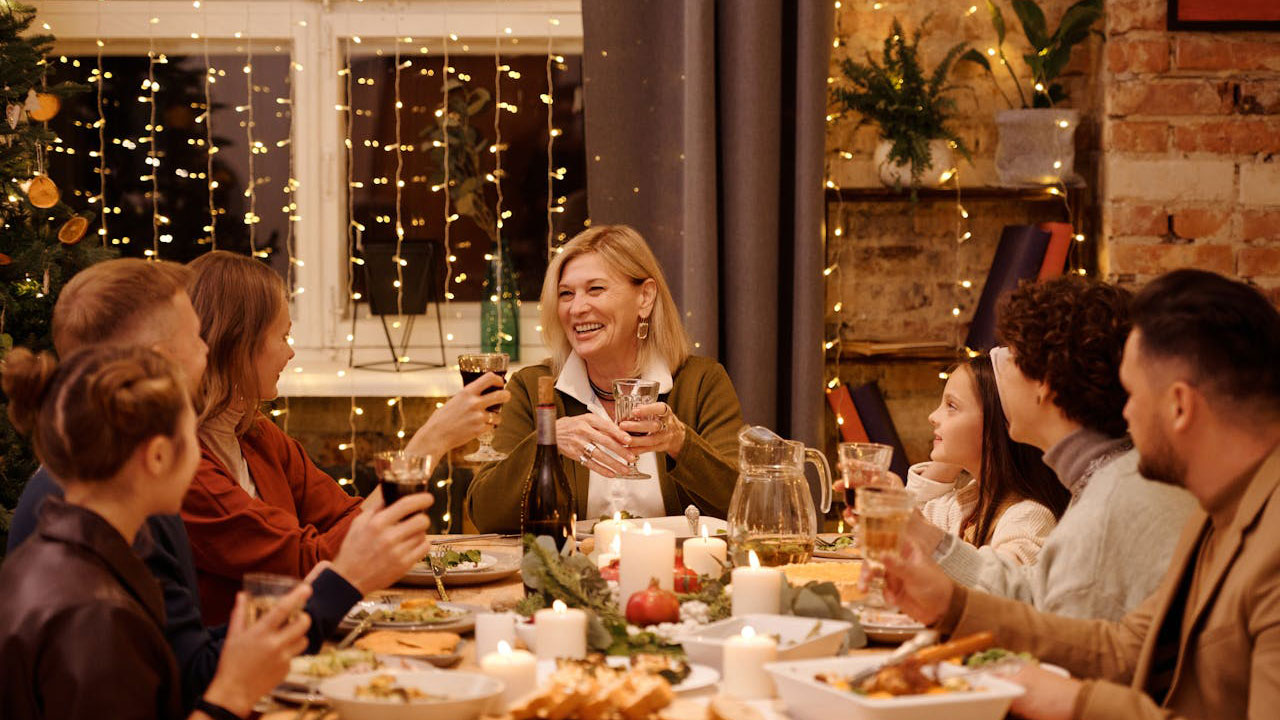
Kids melt down, someone forgets a dish, a recipe flops, or the power flickers. Staying flexible and laughing things off instead of spiraling keeps everyone else calm, too.
When something goes sideways, say, “We’ll roll with it,” and move on. Guests don’t need perfection; they need you to stay mostly steady.
18. Make Goodbyes Warm, Not Awkward

Walk people to the door if you can, help them gather their stuff, and tell them you’re glad they came. It sounds simple, but it sends them home with a good feeling.
You don’t have to drag out the goodbye for thirty minutes. A short, sincere goodbye sticks with people long after they’ve forgotten what sides you served.
19. Follow Up With a Quick Message
Later that night or the next day, a simple text—“Thanks for coming, we had a good time with y’all”—goes a long way. It reassures people they weren’t a burden and that you truly enjoyed having them.
This is especially meaningful if someone drove far, brought food, or helped clean. It keeps the relationship warm between holidays.
20. Remember Your Own Family in the Middle of It
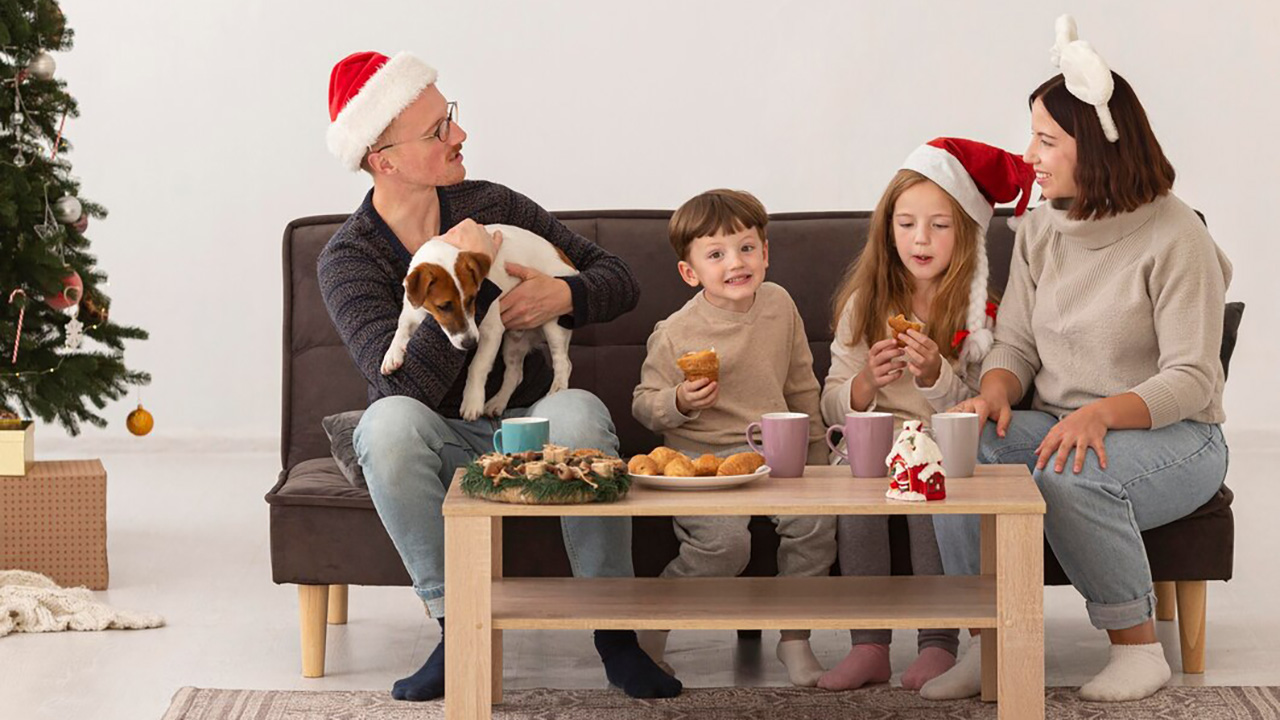
The best hosts don’t ignore their own spouse and kids while trying to impress everyone else. Checking in with them, letting them sit and enjoy, and not overloading them with pressure sets the whole tone of the house.
If your family feels respected and cared for, that feeling spills over onto guests too. At the end of the day, the people who live there set the atmosphere more than the decorations ever will.