6 reasons people walk through your house and instantly think, “Nope”
Photo credit: Kues/Shutterstock.com
Most people won’t tell you why they didn’t like your house. They’ll say something polite and move on to the next listing—or leave your holiday gathering and not come back as often. But there are a few things almost everyone notices right away, even if you’ve stopped seeing them.
You don’t need a perfect house. You just need to fix the stuff that makes people mentally check out before they even see the good parts.
The smell hits before the decor does
Smell is the first thing people “see.” Old cooking oil, trash, mildew, pet accidents, or too much air freshener all send a message. If someone walks in and can’t tell what the actual house smells like under the scents, they assume you’re covering something.
Open windows when you can, deep clean soft surfaces, and wash pet bedding regularly. Use light, simple smells—one candle or a simmer pot—not plug-ins in every outlet. Clean and neutral beats strong and confusing every time.
Cluttered entry that feels like a choke point
If guests or potential buyers are squeezing around shoes, bags, and mail in the entry, it sets the tone fast. It feels like the house doesn’t have enough storage, even if the rest of the place is fine.
Give your entry a hard edit. One spot for shoes, one hook per person, and a single surface for keys or a bowl. Everything else finds another home. When people can walk in without dodging stuff, the whole house feels calmer and bigger.
Dark rooms with heavy window treatments
Rooms that are dark in the middle of the day feel smaller and older. Heavy curtains, closed blinds, and furniture blocking windows all work against you. People read “gloomy” and start wondering what you’re hiding or how much it’ll cost to brighten things up.
Pull back curtains, raise blinds, and move furniture away from windows. Swap dark, thick panels for lighter ones and use lamps instead of relying on one sad overhead light. More light instantly makes everything feel cleaner and less dated.
Obvious maintenance issues no one handled
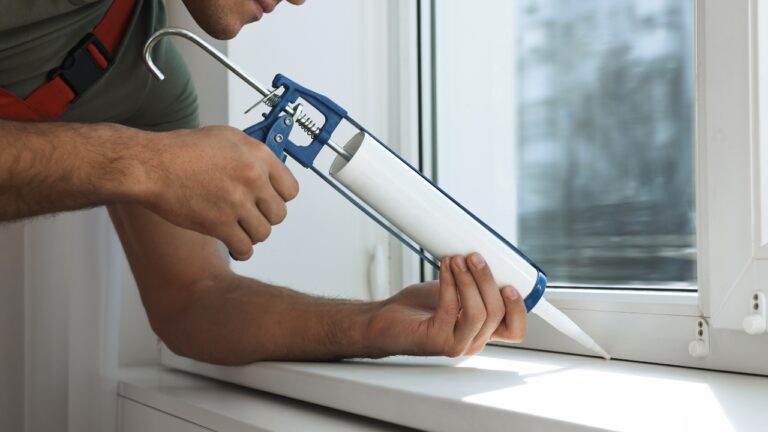
Peeling caulk, water stains, loose doorknobs, cracked outlet covers, and wobbly railings don’t look huge individually, but together they tell people you’re not keeping up. If little things are ignored, they assume big things might be, too.
Walk through your house like you’re the buyer. Make a list of every little repair you’d notice in someone else’s home, then knock them out over a few weekends. Cheap fixes—fresh caulk, patched nail holes, tightened hardware—go a long way toward “this place is cared for.”
Dated finishes that boss the whole room around
One or two older pieces are fine. Whole rooms controlled by orangey cabinets, busy granite, or a specific trendy color from 15 years ago are harder to look past. People see work, not “character.”
You don’t have to gut everything. Sometimes paint, updated hardware, new light fixtures, and swapping one loud item (like a wild backsplash) is enough. The goal is to move your house from “time capsule” to “a little older, but well kept.”
No clear place to sit and relax
If every surface is covered and every chair is shoved against a wall or piled with stuff, people feel like they’re intruding, not welcome. They’re not sure where to sit, what they might knock over, or how to relax.
Create a few obvious “landings”—the sofa with a cleared coffee table, a chair with a side table, the dining table with most of the clutter gone. When the house tells people, “Sit here, you’re fine,” they’re much more likely to want to stay.