The home maintenance shortcuts that are causing long-term damage
Photo credit: Tanita_St/Shutterstock.com
Shortcuts are seductive in home maintenance because they promise to save time and money in a space that already eats plenty of both. Yet the pattern that emerges from inspectors, contractors, and property managers is blunt: the fastest fix is often the one that quietly erodes your home’s value, safety, and operating costs over the long haul. I see the same missteps repeat across starter condos, aging rentals, and high-end renovations, and the damage usually shows up years after the “quick win” felt like a smart move.
The most expensive problems rarely start with a dramatic failure, they begin with small compromises that seem harmless in the moment. Skipping a service visit here, painting over a stain there, or letting a contractor breeze past permits can all look like practical decisions until they turn into structural repairs, system breakdowns, or legal headaches. The real discipline in caring for a home is learning which shortcuts are actually slow-motion liabilities.
When “good enough” repairs quietly undermine the structure
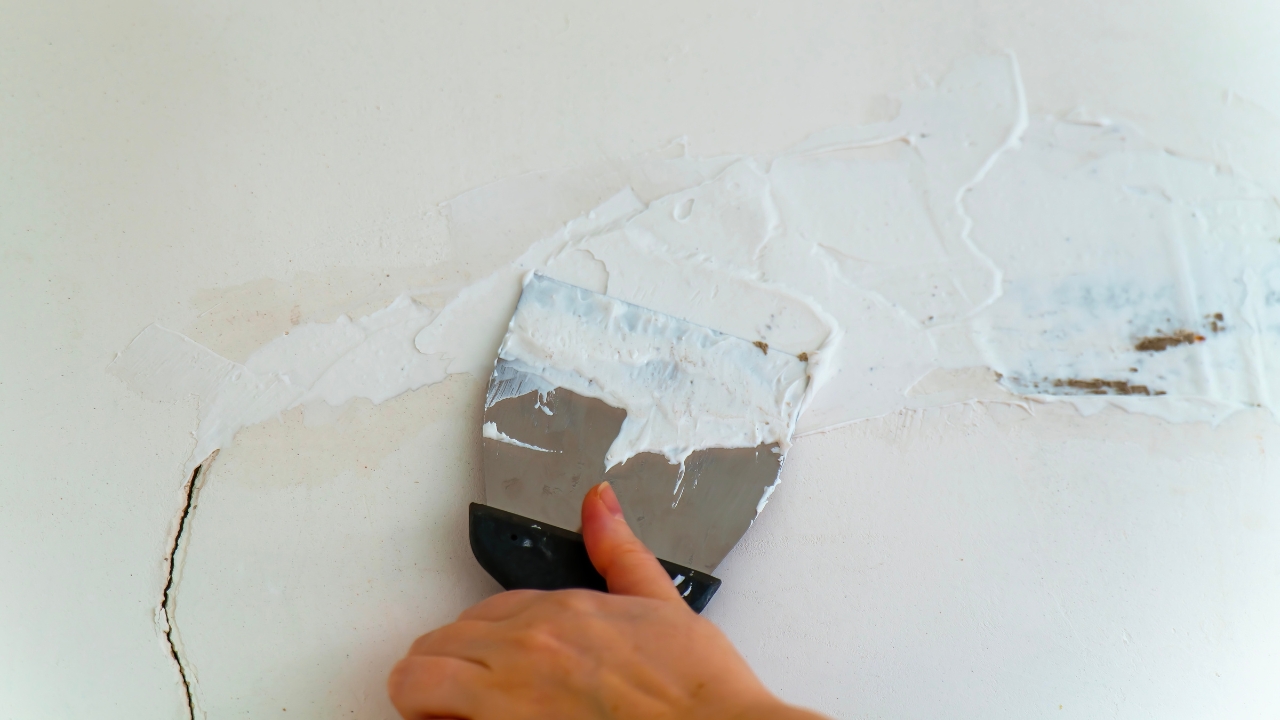
One of the most common patterns I see is the temptation to patch over symptoms instead of addressing the underlying issue. Cosmetic fixes, from slapping joint compound over a crack to laying new flooring over a tired subfloor, can make a room look refreshed while leaving the real problem untouched. Guidance on Home Improvement Shortcuts That Are a Bad Idea underscores that “Measuring twice is still a thing” and that “Doing a lit” of quick fixes without proper prep often leads to failures that cost far more to correct than a careful job would have in the first place.
The risk multiplies when shortcuts intersect with structural elements. Inspectors consistently flag foundation cracks, especially horizontal ones or those wider than 1/4 inch, as among the biggest red flags in a property, along with structural sagging and roof issues like missing shingles or visible dips. Treating those warning signs as mere cosmetic flaws, or covering them with paint or new finishes, does not change the fact that they are foundation issues you can’t ignore. Once movement or water intrusion progresses, the repair bill can leap from a few hundred dollars in early intervention to tens of thousands in structural remediation.
HVAC “hacks” that wreck comfort and equipment
Heating and cooling systems are another place where shortcuts look clever until they break something expensive. I often hear homeowners talk about closing vents in unused rooms to “push” more air to the spaces they actually use, or to cut energy costs in parts of the house they rarely enter. Yet detailed guidance on Closing your vents is clear that “Some people will try to save energy by closing the vents in rooms that aren’t being used,” but this can actually increase pressure in the ductwork, strain the blower, and reduce the system’s efficiency instead of improving it.
Technicians who specialize in HVAC longevity echo the same warning. They note that “Sometimes, people close vents in certain rooms that they don’t want to heat or cool. But this actually makes your HVAC” system work harder, not smarter, by disrupting designed airflow and potentially causing the evaporator coil to freeze or the heat exchanger to overheat. On a broader scale, property managers report that Air Conditioning problems alone account for 14.2% of all reported issues, a figure that captures how often cooling systems become the weak link when they are pushed beyond their intended operating conditions. The shortcut of forcing a system to behave like a zoned setup without the right equipment often ends with premature breakdowns and higher utility bills.
Deferred maintenance: the slow leak in your budget
Beyond specific tricks like closing vents, the broader shortcut that drains household finances is simple neglect. It is easy to postpone routine tasks such as flushing a water heater, cleaning dryer vents, or servicing major appliances when everything still appears to be working. Yet guidance on Ignoring appliance maintenance highlights how “Your” icemaker and other higher-end components can start to scale up, clog, or fail when filters and internal parts are not cleaned or replaced on schedule, turning a cheap maintenance visit into a full replacement.
Industrial maintenance experts describe the same pattern in more formal terms. They warn that Over-reliance on corrective maintenance, where you wait for something to break before fixing it, “can lead to higher long-term costs.” While it may seem cost-effective initially, continually reacting to failures tends to increase labor, parts, and emergency service costs. Asset management specialists add that Increased breakdowns and repairs are the predictable result when systems are ignored. Over time, neglecting asset maintenance means small issues can become big problems, causing unexpected breakdowns that hit both your schedule and your wallet.
Cosmetic cover-ups that trap moisture and hide risk
Paint and flooring are two of the most abused tools in the shortcut arsenal, especially when homeowners are trying to refresh a space quickly for a sale or a rental listing. It is tempting to roll a fresh coat of paint over a water stain or to install new hardwood over an uneven, slightly soft subfloor. Flooring specialists flag this as a major Mistake to Avoid, noting that Installing hardwood floors over a subfloor that has moisture damage, uneven surfaces, or debris can lead to cupping, squeaks, and premature failure of the new floor. The shortcut saves a day of prep and demolition but can cut years off the life of an expensive finish.
Humidity and water intrusion make these cosmetic fixes even riskier. Home performance experts warn that Covering up moisture problems will not fix the underlying issue, and that a fresh coat of paint or a new layer of wallpaper will not cut it when it comes to humidity. Trapped moisture can feed mold behind walls, rot framing, and cause finishes to peel or bubble, often in ways that are far more expensive to remediate than addressing the original leak or ventilation problem. In practice, the cheapest path is usually to expose and dry out the damage, not to hide it.
DIY pest control and quick flips that miss the root cause
Pest control is another area where I see homeowners and small landlords reach for shortcuts that feel thrifty but backfire. Store-bought sprays and traps can knock down visible insects or rodents, yet they rarely address how and why the pests are entering the building in the first place. Specialists in commercial pest management describe the Financial Burden of Ineffective Pest Control Strategies While DIY efforts may seem like a cost-saving strategy in the short term, they can lead to recurring infestations, health risks, and property damage over time. Misapplied chemicals can also stain surfaces, corrode materials, or create liability if used improperly around tenants or pets.
The same mindset shows up in the way some investors approach renovations. In the rush to get a property back on the market, it is common to see Common Shortcuts in House Flipping, such as Skipping HVAC System Maintenance or focusing on surface-level upgrades that do not address the root cause of problems. Another recurring issue is ignoring underlying moisture or electrical concerns while installing trendy finishes. Those choices can leave the next owner with hidden hazards and can also expose the flipper to legal disputes if undisclosed defects come to light after the sale.
Permits, contractors, and the legal cost of cutting corners
Not all shortcuts are physical, some are procedural, and they can be just as damaging. Skipping permits or failing to verify a contractor’s paperwork is a classic way to shave weeks off a project timeline, but it also strips away key protections. Legal specialists who work with homeowners stress the importance of Avoiding the Top Contractor Mistakes That Ruin Projects Verify that your contractor pulls all necessary permits before work begins, no matter how much time it might save. Without that paper trail, you may struggle to sell, face fines, or be forced to open up finished walls for inspection.
Even when permits are in place, the urge to accept the lowest bid can lead to its own form of shortcut. Contractors who underprice work sometimes recoup their margin by using substandard materials, rushing labor, or skipping key steps like proper waterproofing and ventilation. Those omissions may not be obvious for a year or two, but when they surface, the original contractor can be hard to track down or unwilling to stand behind the work. The short-term win of a cheaper quote can morph into a long-term liability that costs more than a careful, fully permitted job would have from the start.
How to spot and resist the shortcut trap
Recognizing these patterns is the first defense against them. I look for a few telltale signs: any solution that focuses solely on appearance, any advice that promises big savings by “tricking” a system into doing something it was not designed to do, and any contractor who downplays permits or inspections. When guidance on Getty Images projects warns that “Measuring” and proper prep are non-negotiable, it is really a reminder that quality work rarely aligns with the fastest possible timeline. The same logic applies to structural warnings from Sep inspection guidance, which treats cracks, sagging, and roof issues as urgent, not optional.
On the maintenance side, I try to reframe routine tasks as insurance premiums rather than chores. When experts on Nov home care warn against skipping regular checks, and asset managers document how neglect leads to Over time breakdowns, they are essentially arguing for a mindset shift. The real shortcut is not the one that skips work today, it is the one that prevents a crisis tomorrow by dealing with small issues while they are still cheap and contained.