7 times you should replace a smoke detector even if it still beeps
Photo credit: Zigmar Stein/ Shutterstock.com
Your smoke detector’s beeping is supposed to protect you, not confuse you. Yet there are moments when a chirping alarm is a warning that the device itself is no longer trustworthy, even if it still makes noise. Knowing when to replace a beeping detector, rather than just silencing it, can be the difference between an annoying false alarm and a life‑saving alert that works when you need it most.
1) When your smoke detector “chirp[s] every 30 to 60 seconds” for a low battery – but the beeping continues after you replace it
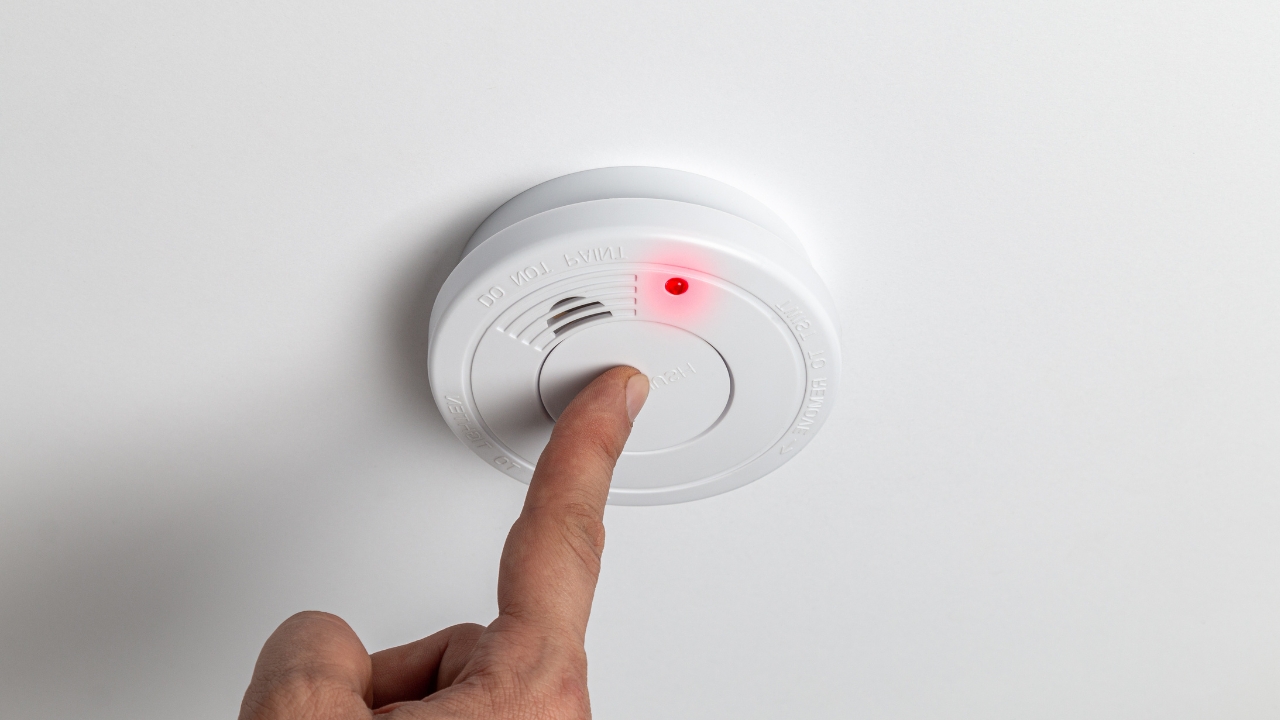
When your smoke detector starts to “chirp every 30 to 60 seconds,” the guidance in smoke detector beeping coverage is clear that this pattern usually signals a low battery, which is one of the most common reasons a unit beeps. You should always start by installing a fresh battery correctly and using the test button to confirm power. If the chirping stops, the detector has likely returned to normal operation and can keep doing its job.
However, if the alarm keeps beeping after you have replaced the battery and checked the contacts, the reporting notes that the issue may not be the battery at all. At that point, the device’s internal electronics can be failing, which means it may not respond when real smoke appears. Safety officials advise that if a unit does not respond properly after a new battery, you should replace the detector, because relying on a malfunctioning alarm puts everyone in the home at risk.
2) When dust or debris keeps triggering the sensor even after cleaning
Dust or debris can interfere with a smoke detector’s sensors and cause beeping, as detailed in the same technical explanations of why alarms misbehave. Tiny particles can drift into the sensing chamber and confuse the device into thinking there is smoke, which leads to repeated chirps or full alarms. Guidance from fire safety brochures stresses that you should Clean the unit at least once a year, gently vacuuming or wiping the vents so normal household buildup does not trigger nuisance alerts.
Sometimes, though, contamination goes beyond what routine cleaning can fix. If excessive dirt, dust or grime gets into the sensing components and cannot be removed, experts on false alarms say you should replace the detector immediately. Persistent beeping from dust or debris, even after you Clean and reset the unit, is a sign the sensor is no longer reliably distinguishing real smoke from everyday air. Keeping a compromised detector in service can train you to ignore alarms, which is exactly what fire safety professionals warn against.
3) When high humidity or steam causes constant nuisance alarms
High humidity or steam, such as from a bathroom shower or cooking, can trigger nuisance alarms and beeping, according to detailed explanations of how these devices work. Water droplets in the air can scatter light inside the sensing chamber in a way that mimics smoke, so a detector placed just outside a steamy bathroom or directly over a stovetop may react every time you shower or boil water. You might find yourself hitting the silence button repeatedly, which can delay your response if a real fire starts soon after.
Technical advice from battery and alarm specialists notes that You can trigger a smoke alarm with enough humidity or dirt in the air, and that Dust particles can interfere with the sensor and trigger a false alarm, as outlined in guidance on smoke detector beeping. If relocating the device a few feet away from the bathroom or kitchen does not stop the constant nuisance alarms, the detector may be overly sensitive or damaged by repeated exposure to moisture. At that point, replacing it and installing a new unit in a better location is essential so you do not start ignoring every beep.
4) When strong chemicals or fumes repeatedly set it off
Strong chemicals or fumes, such as from fresh paint or cleaning products, can cause a smoke detector to beep, as outlined in technical breakdowns of common alarm problems. Volatile compounds from these products can behave like smoke inside the sensing chamber, especially in tightly sealed rooms with poor ventilation. If you notice that every time you repaint a room or use heavy-duty cleaners the same detector starts chirping or sounding a full alarm, the fumes are likely overwhelming its sensor.
Guidance on reducing nuisance alarms explains that when a detector repeatedly reacts to non-fire sources, it can become effectively unusable because people start to disconnect or ignore it. If beeping continues whenever you use fresh paint or cleaning products, even after you ventilate the space and wipe the unit, the device may be overly sensitive or compromised. Replacing that alarm with a new one, ideally positioned slightly farther from the source of fumes, helps ensure you still hear it for real smoke while avoiding the pattern of false alerts that erodes trust.
5) When incorrect placement near bathrooms or kitchens keeps causing false alarms
Incorrect placement of a smoke detector, such as being too close to a bathroom or kitchen, can cause frequent beeping or false alarms, according to detailed troubleshooting guides. Units installed right outside a bathroom door or directly above a toaster or oven are constantly exposed to steam, humidity and cooking aerosols that mimic smoke. Over time, this exposure can lead to repeated nuisance alarms that tempt you to disable the device or remove the battery, which leaves the area unprotected.
Placement advice from home maintenance experts notes that False alarms while cooking often mean you should Install detectors with features or locations that reduce these triggers, as explained in guidance that begins with Chirping and when to Replace the battery and continues through how to Check basic positioning. If a detector continues to beep because it is installed in the wrong location, and relocating it is difficult or the housing is damaged, you may need to replace it and reinstall a new detector in a better spot. That simple change can dramatically cut false alarms while preserving fast detection where it matters.
6) When you hear the specific end-of-life chirping pattern
An end-of-life signal is a specific type of chirping pattern that indicates the smoke detector itself needs to be replaced, not just the battery, as explained in technical alarm documentation. This pattern is distinct from a low-battery chirp and is designed to tell you that the sensing technology has aged out. Even if the alarm still beeps when you press the test button, the manufacturer is signaling that the internal components can no longer be trusted to detect smoke accurately.
Fire safety brochures emphasize that if your alarm does not respond properly after replacing the battery, you should replace the unit, and that a beeping smoke alarm may need cleaning but cannot be kept forever, as outlined in official Smoke Alarm Facts. When you hear the end-of-life chirp, there is no fix or reset that restores full performance. Ignoring that signal keeps an expired device on your ceiling, which can create a false sense of security during the very emergencies it was meant to detect.
7) When your smoke detector reaches the manufacturer’s recommended replacement age (often around 10 years)
Many smoke detectors have a manufacturer-recommended replacement age, often around 10 years, at which point they should be replaced even if they still beep and appear to function. Over a decade, exposure to Dust and humidity gradually degrades the sensor’s ability to recognize real smoke. Even if you Clean the exterior and test the alarm regularly, the internal components can drift out of calibration, which increases the risk of both missed fires and nuisance alerts.
Real-world experiences shared in discussions of Kidde Smoke Alarms, where users note that Dust and humidity can set them off and advise, “But if you do that and they keep false alarming, replace them with a different brand,” reinforce that age and environment matter, as seen in Kidde smoke alarms reports. Once your detector hits that “often around 10 years” mark printed on the label, it is no longer considered reliable. Replacing it on schedule, rather than waiting for a failure, keeps your home aligned with modern safety standards and reduces the odds that a critical alarm will stay silent.
Like Fix It Homestead’s content? Be sure to follow us.