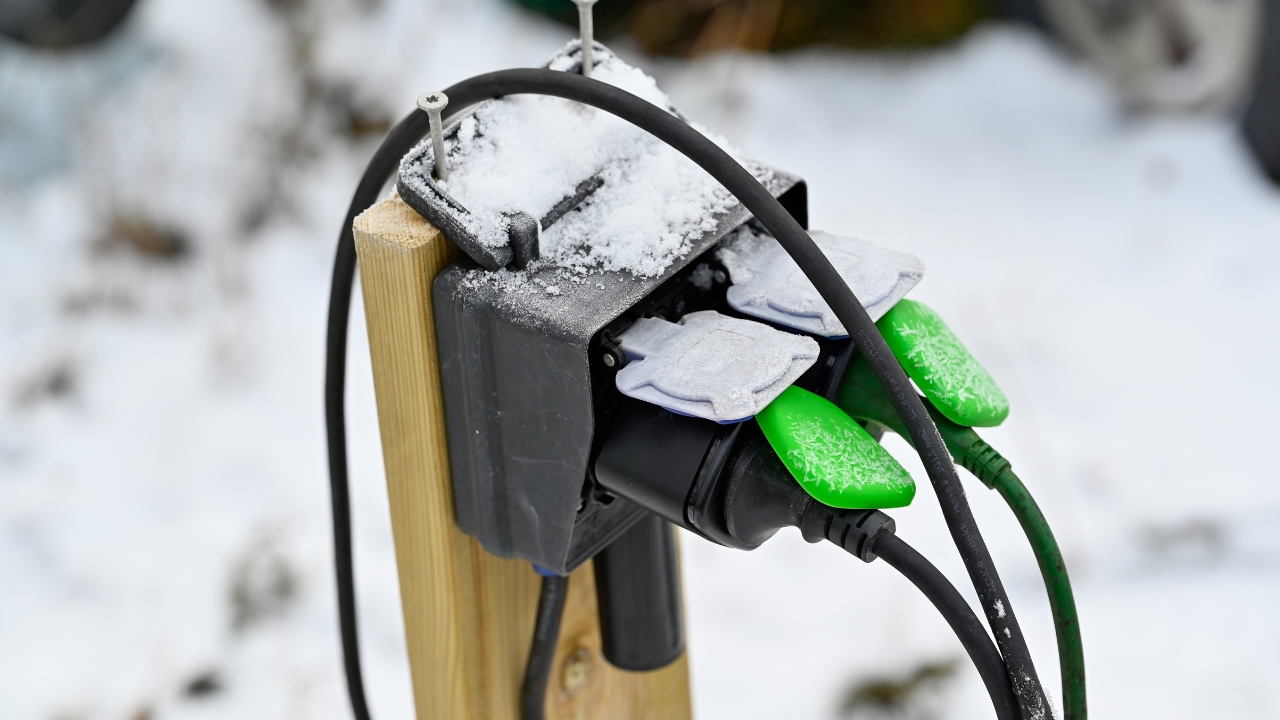
The summer shortcut that can turn into a winter electrical problem
Photo credit: bluejava1/Shutterstock.com
Summer makes it easy to improvise with your home’s power, from running a fan on the porch to plugging a pool pump into the nearest outlet. Those shortcuts feel harmless when the weather is warm and dry, but the same quick fixes can quietly set you up for electrical trouble once freezing temperatures, snow, and ice arrive. If you rely on extension cords, outdoor outlets, and makeshift wiring all summer, you need a plan now so those choices do not turn into a winter electrical problem.
By tightening up how you power decks, yards, and garages, you protect more than your holiday lights. You reduce the risk of shocks, fires, and expensive repairs at the very moment your home is working hardest to keep you warm. The goal is not to scare you away from outdoor power, but to help you use it in a way that survives the shift from July heat to January ice.
How a summer convenience becomes a cold‑weather hazard
When the weather is pleasant, you tend to treat electricity as flexible, stretching one outlet to handle a fan, a phone charger, a speaker, and maybe a bug zapper. That mindset often leads you to leave cords in place for months, draped over railings or snaked through doorways, effectively turning a temporary fix into semi permanent wiring. The problem is that what works on a dry patio in August can fail spectacularly once moisture, salt, and freezing temperatures attack every weak point in your setup.
Electrical pros warn that one of the most common mistakes is using an extension cord in place of permanent wiring, a shortcut that safety guidance labels with a clear “Never Use” in any “Place of Wiring.” Once winter hits, that same cord can crack, short, or overheat under snow, turning a summer convenience into a cold weather hazard that threatens your home’s electrical system and anyone who touches it.
Why outdoor outlets and cords suffer in winter
Outdoor power equipment lives in the harshest part of your home environment, and winter magnifies every weakness. As the temperature drops, plastic and rubber coverings stiffen, seals shrink, and tiny gaps open around plugs and covers. Snow that melts during the day and refreezes at night pushes moisture deeper into outlets and junction boxes, where it can corrode metal parts and create paths for electricity to escape.
Guidance on Why Winterizing Your Outdoor Electrical Fixtures is Important explains that, as the weather turns, your Electrical Fixtures, such as porch lights and exterior receptacles, need to withstand the harsh winter conditions instead of simply surviving a summer thunderstorm. That means checking gaskets, tightening covers, and using an electrical circuit tracer tool to confirm that buried or hidden wiring has not been damaged before snow and ice hide problems from view.
The hidden impact of cold on extension cords
Even if you buy a heavy duty outdoor cord, winter can quietly destroy it from the inside out. Most outdoor extension cords are made from thermoplastic or rubber based jackets that stay flexible in moderate weather but become stiff and brittle in deep cold. When you step on a frozen cord, drive over it with a snow blower, or sharply bend it to move a decoration, that cold induced brittleness accelerates failure in ways you may not see until the cord shorts or stops working.
Manufacturing guidance on The Hidden Impact of Cold on Cord Materials notes that Most outdoor cords are vulnerable to cracking once temperatures plunge, especially where the jacket is already nicked or pinched. Similar concerns show up in engineering advice on designing wire harnesses for harsh conditions, which highlights that the primary concern here is the brittleness that can develop in insulation materials, increasing the risk of short circuits or electrical failure when the temperature swings.
Overloaded outlets: a summer habit that bites in December
In warm weather, you might plug a power strip into a porch outlet to run a laptop, a fan, and a string of café lights, then forget about it once the days get shorter. By the time you add holiday inflatables, roofline lights, and a heated birdbath, that same outlet is quietly running near or beyond its safe capacity. The danger is not just tripped breakers, but overheated wiring inside walls and junction boxes that were never designed for constant high loads.
Home safety guidance on Overloaded Power Outlets and Circuits warns that Too many plugs in one outlet, especially when Using double adapters or power boards without understanding the circuit limit, is one of the five main electrical hazards at home. Holiday specific advice on Holiday and outdoor outlet safety adds that moisture is a constant outdoor threat and recommends spreading decorations across multiple circuits when possible, a simple step that can keep a summer habit of overloading one receptacle from turning into a December fire risk.
Moisture, ice, and the risk to outdoor outlets
Water and electricity are a bad mix in any season, but winter creates a special kind of exposure. Snow piles against siding, ice dams drip down walls, and wind driven rain can blow directly into poorly protected receptacles. If your outdoor outlets lack proper covers or are mounted in spots where water pools, every thaw and refreeze cycle increases the chance that moisture will find its way inside.
Cold weather maintenance advice stresses that Outdoor outlets are especially vulnerable to snow and ice, and recommends that you Use Weatherproof Outlet Covers that maintain protection against the elements even when something is plugged in. Separate guidance on Why Is It Important to Protect Outdoor Outlets explains that Ground Fault Circuit Interrupter (GFCI) devices are critical because Outdoor receptacles are exposed to the elements and more likely to experience faults that could shock someone standing on wet ground or ice.
Summer damage you do not notice until it is freezing
Not every winter electrical problem starts in winter. Warm weather activities can quietly damage wiring and equipment that only fail once the temperature drops. A weed trimmer that nicks a buried cable, a dog that chews a cord, or a ladder that scrapes a light fixture can all leave behind exposed conductors that stay hidden until snow, salt, and condensation turn them into active hazards.
Warm season troubleshooting guides list Exposed wiring as Another common problem in the summer, often caused by weather related damage such as wind or UV exposure. When those same damaged spots are later buried under snowbanks or soaked by freezing rain, they can trip breakers, shock anyone who touches nearby metal, or cause intermittent outages that are much harder to diagnose in the dark and cold.
How to inspect and winter‑proof your outdoor power
If you used any temporary wiring over the summer, your first winter task is to walk the property and remove what does not belong. Unplug and coil extension cords, check for cuts or stiffness, and retire anything that feels brittle or shows cracked insulation. Then look at every exterior outlet, light, and junction box, paying attention to loose covers, missing gaskets, and any sign of rust or staining that might indicate past water intrusion.
Cold weather checklists for Winter Proofing Electrical Outlets and Safeguarding Outdoor and Garage Outlets recommend that you Inspect Your Outlets and the area around them Before temperatures plunge, sealing gaps and redirecting water so moisture does not ruin your outlets. Broader advice on Electrical Fixtures also suggests using an electrical circuit tracer tool to confirm that circuits feeding exterior loads are intact and correctly labeled, which makes it easier to shut things down safely if a problem appears mid winter.
Choosing safer gear instead of risky shortcuts
One of the easiest ways to avoid a winter electrical headache is to upgrade the equipment you rely on instead of stretching what you already own. That can mean replacing a daisy chain of cords with a properly rated outdoor receptacle, swapping old plastic covers for in use weatherproof ones, or choosing low wattage LED decorations that draw far less current. When you buy new gear, you should look for products specifically labeled for outdoor use and for the temperature range you expect in your climate.
Modern shopping tools make it easier to compare ratings and certifications, since Google’s Shopping Graph organizes Product information from brands, stores, and other content providers so you can filter for outdoor and weather resistant options. Local repair specialists who see the consequences of shortcuts every day, such as those who document Common Electrical Issues in Brunswick Homes Outdated Electrical Panels, also point out that heat and salty air do a number on electrical systems, a reminder that your gear needs to be chosen for the real conditions outside your walls, not just for how it looks on a sunny day.
When to call a professional instead of improvising
There is a clear line between safe DIY and work that belongs in a licensed electrician’s hands, and winter is not the season to blur it. If you see scorch marks on an outlet, smell burning plastic, or notice lights dimming when outdoor equipment kicks on, you are dealing with symptoms that go beyond a simple cord replacement. The same is true if breakers trip repeatedly when you plug in holiday displays or if a GFCI outlet will not reset after a storm.
Home safety checklists that rank Faulty wiring, overloaded outlets, and unsafe DIY work among the top hazards emphasize that ignoring these signs can lead to serious injury or costly damage if ignored. When you combine that with the extra stress winter places on your system, from electric heaters to always on exterior lights, the smarter shortcut is often to schedule a professional inspection now instead of hoping that a summer fix will survive another season of snow and ice.
Like Fix It Homestead’s content? Be sure to follow us.
Here’s more from us:
- I made Joanna Gaines’s Friendsgiving casserole and here is what I would keep
- Pump Shotguns That Jam the Moment You Actually Need Them
- The First 5 Things Guests Notice About Your Living Room at Christmas
- What Caliber Works Best for Groundhogs, Armadillos, and Other Digging Pests?
- Rifles worth keeping by the back door on any rural property
*This article was developed with AI-powered tools and has been carefully reviewed by our editors.