10 Mistakes That Will Wreck Your Garden Beds
Photo credit: Jon Rehg/Shutterstock.com
Garden beds can be a great way to grow food, flowers, or just make your yard look better—but only if you set them up right and stay on top of a few key things.
We’ve had our share of garden flops, and most of the time, the problem wasn’t the plants—it was what we did (or didn’t do) before and after planting. If your garden beds keep falling flat, here are 10 mistakes that can wreck them and how to avoid making the same ones we did.
Ignoring the Soil
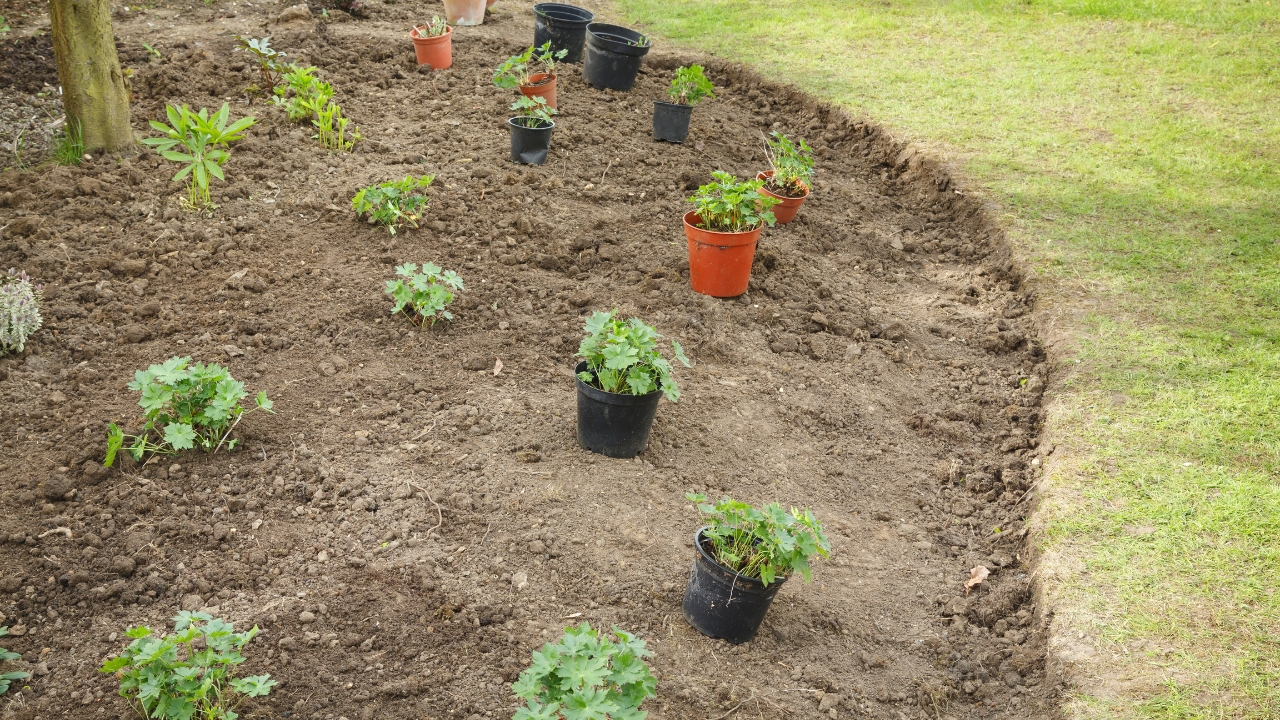
If you’re planting in whatever dirt happens to be there, your plants are probably going to struggle. Poor soil doesn’t hold water well and usually lacks the nutrients plants need.
We learned early on to test our soil and amend it with compost before planting. You don’t need a fancy mix—just something rich, loose, and not packed down like clay or sand.
Planting Too Close Together

It’s tempting to pack everything in when the plants are small, but they’ll outgrow those tiny gaps fast. Overcrowded beds lead to poor airflow, stunted growth, and more pests.
Now we give each plant room to breathe, even if the bed looks sparse at first. It fills in fast, and we end up with healthier plants and less mess.
Skipping Mulch
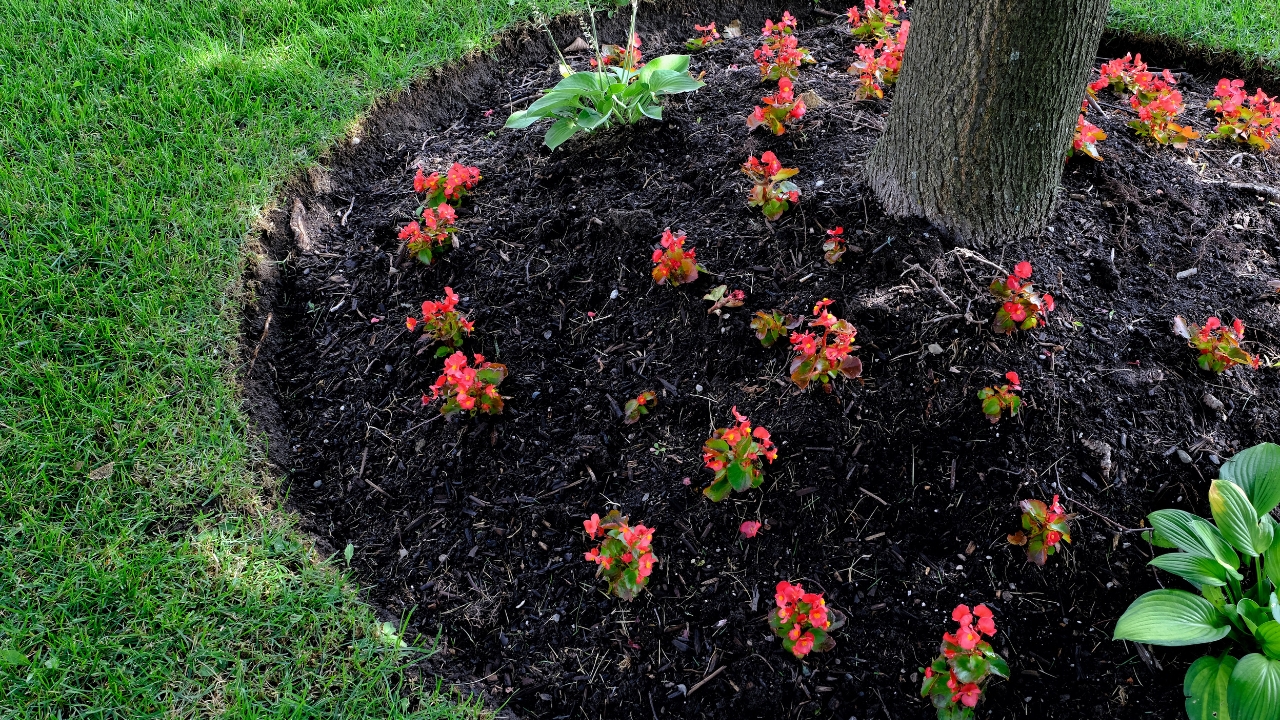
We skipped mulch the first year and spent way too much time fighting weeds and trying to keep the soil from drying out. Never again.
A good layer of mulch locks in moisture, keeps weeds down, and helps regulate soil temps. It’s one of the easiest ways to protect your garden beds and cut down on maintenance.
Watering Too Often
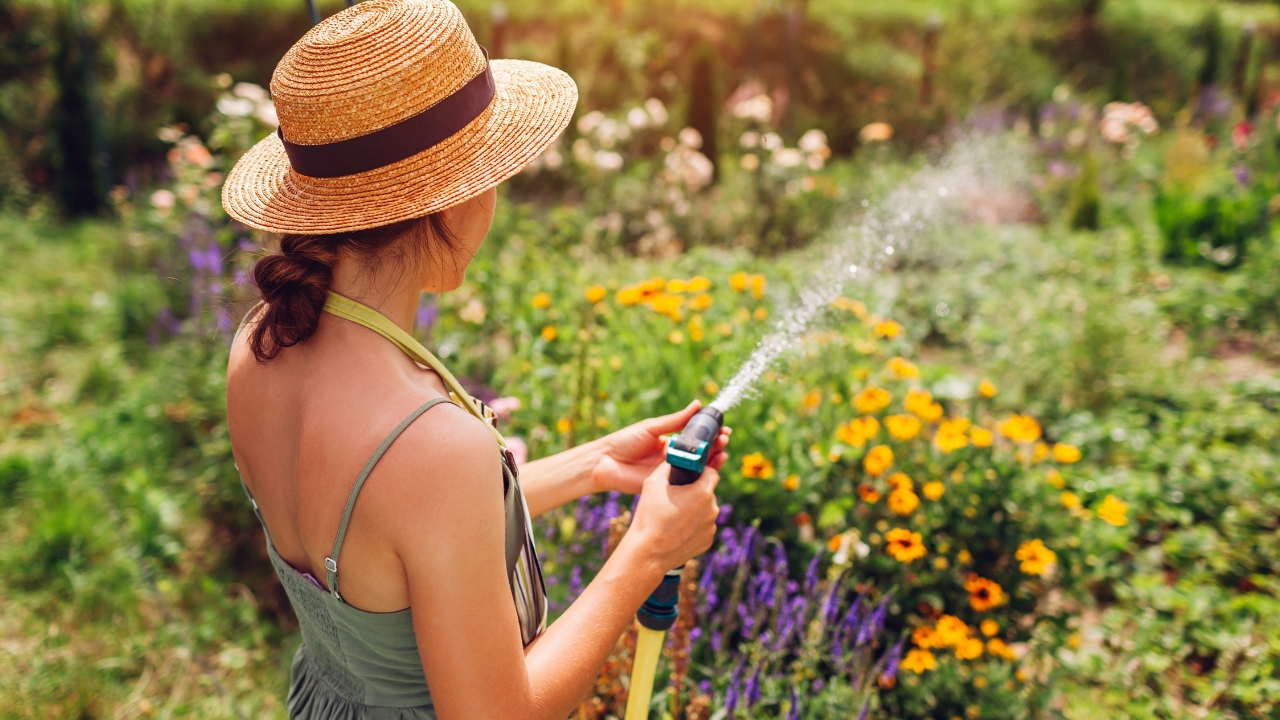
It’s easy to overwater, especially when things aren’t growing fast. But too much water can rot roots, invite fungus, and attract the wrong bugs.
Now we water deeply but less often, so the roots grow stronger and the soil has time to breathe. If the top of the soil feels dry, that doesn’t always mean the roots need more.
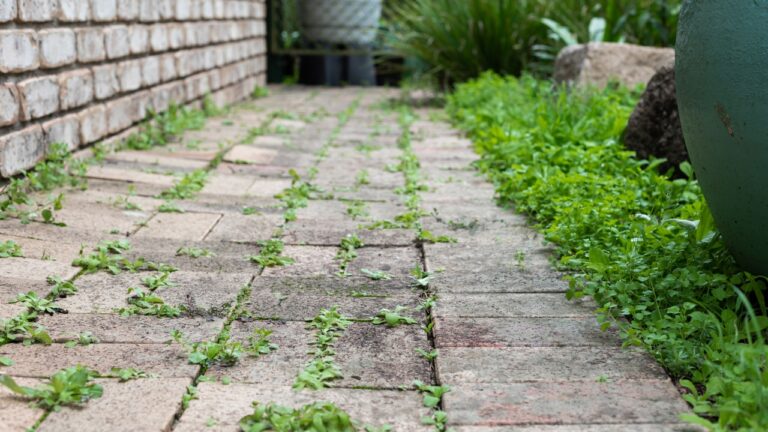
Letting the Weeds Take Over
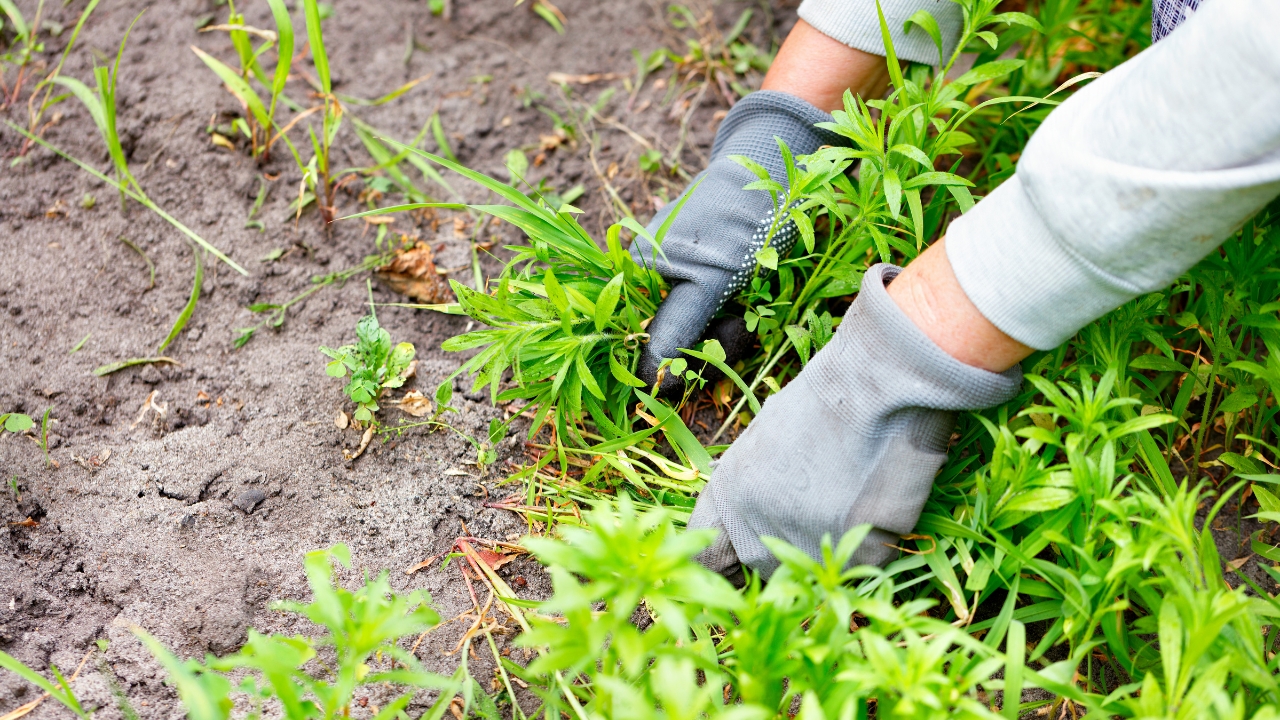
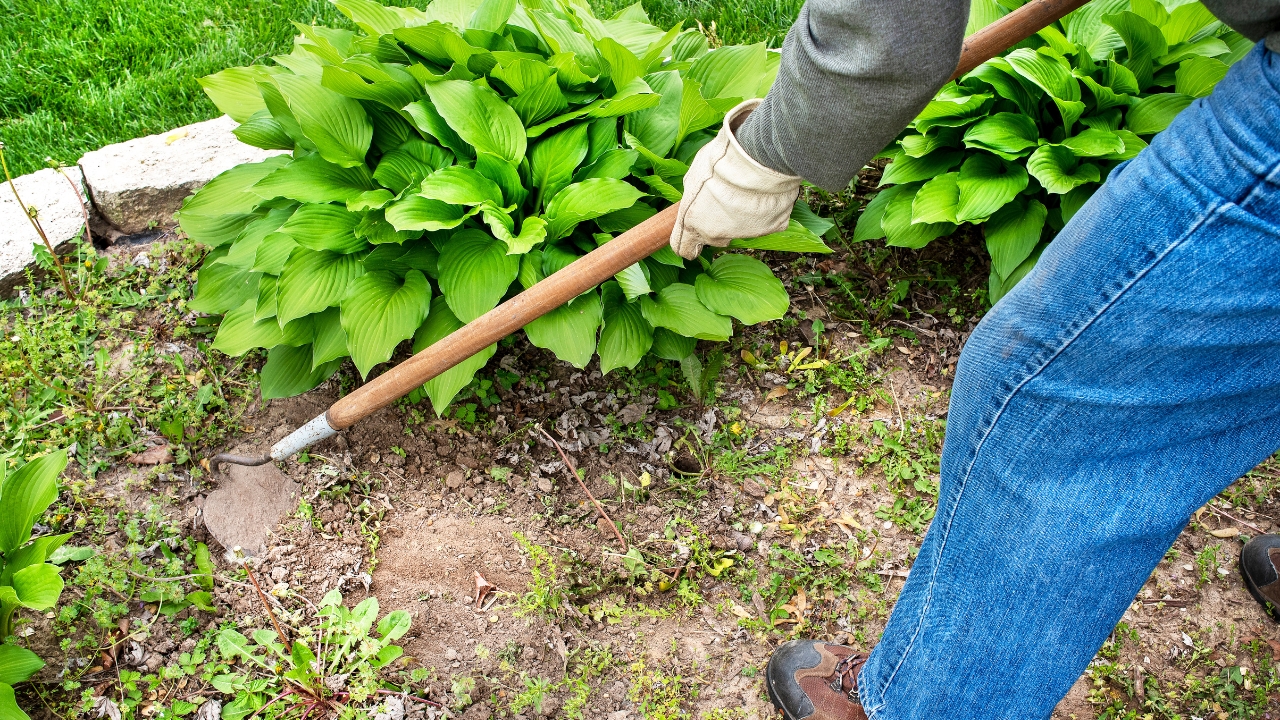
Weeds don’t just look bad—they compete for nutrients, choke out your plants, and can spread fast if you ignore them for too long.
We learned to weed early and often, especially in the first few weeks after planting. A quick pull every few days beats having to overhaul a bed full of invaders later.
Using the Wrong Plants for the Spot

Some plants just aren’t meant for certain spots—too much sun, not enough drainage, the wrong climate entirely. We found that out the hard way.
Now we pay more attention to plant tags and light requirements before we stick anything in the ground. Matching the plant to the space makes everything easier in the long run.
Forgetting to Rotate Crops
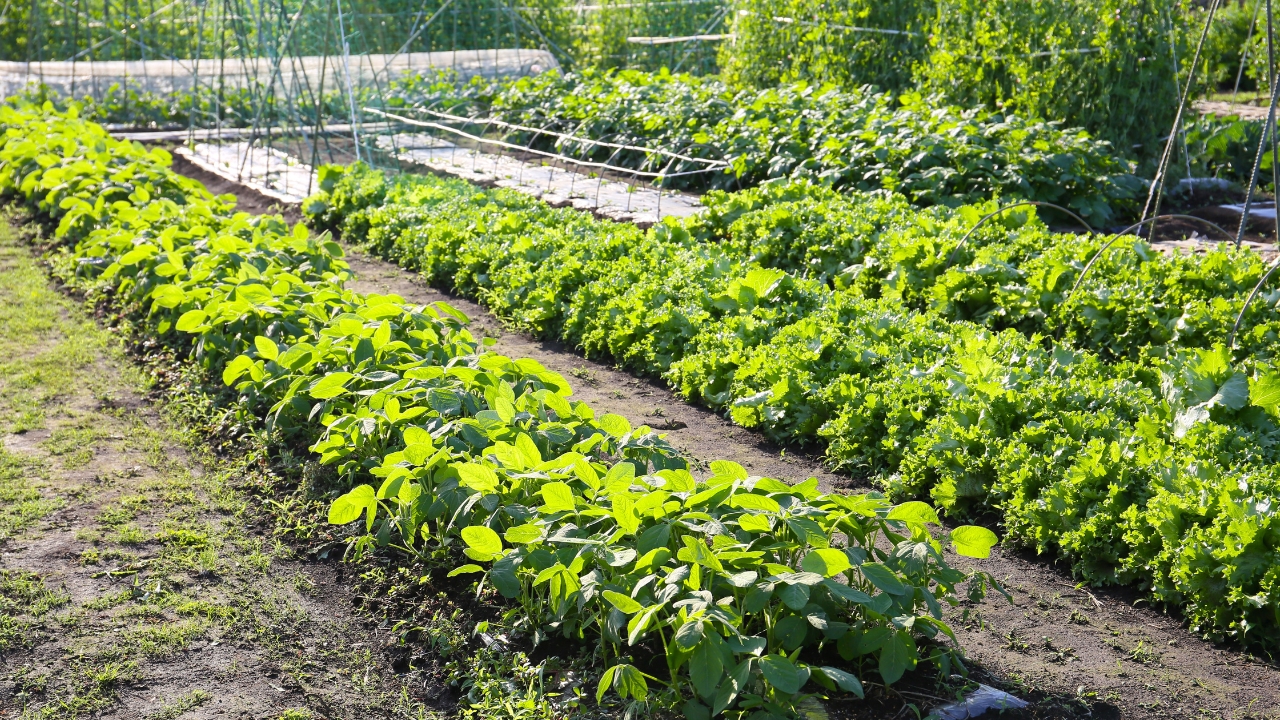
If you grow the same stuff in the same bed year after year, the soil gets depleted and certain pests and diseases can start to build up.
We started rotating our crops each season—especially the veggies—and it made a huge difference in how healthy everything stayed. Even just swapping plant families helps.
Letting the Edges Get Messy
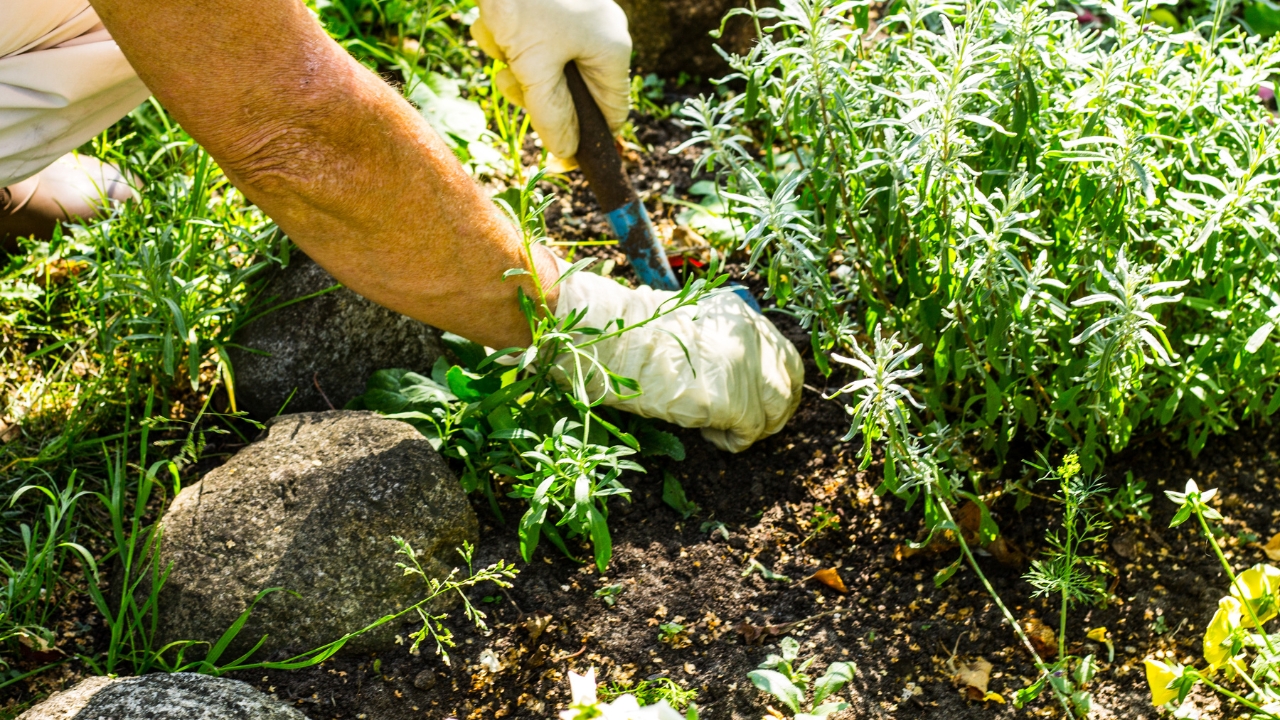
We used to let grass creep into the edges of our garden beds, and it made everything harder to manage. Mowing around them was a pain, and weeds snuck in fast.
We added a simple edge—just bricks laid flat or a shallow trench—and it kept the lines clean and the grass out. It doesn’t have to be fancy, just something to define the space.
Ignoring Pest Signs
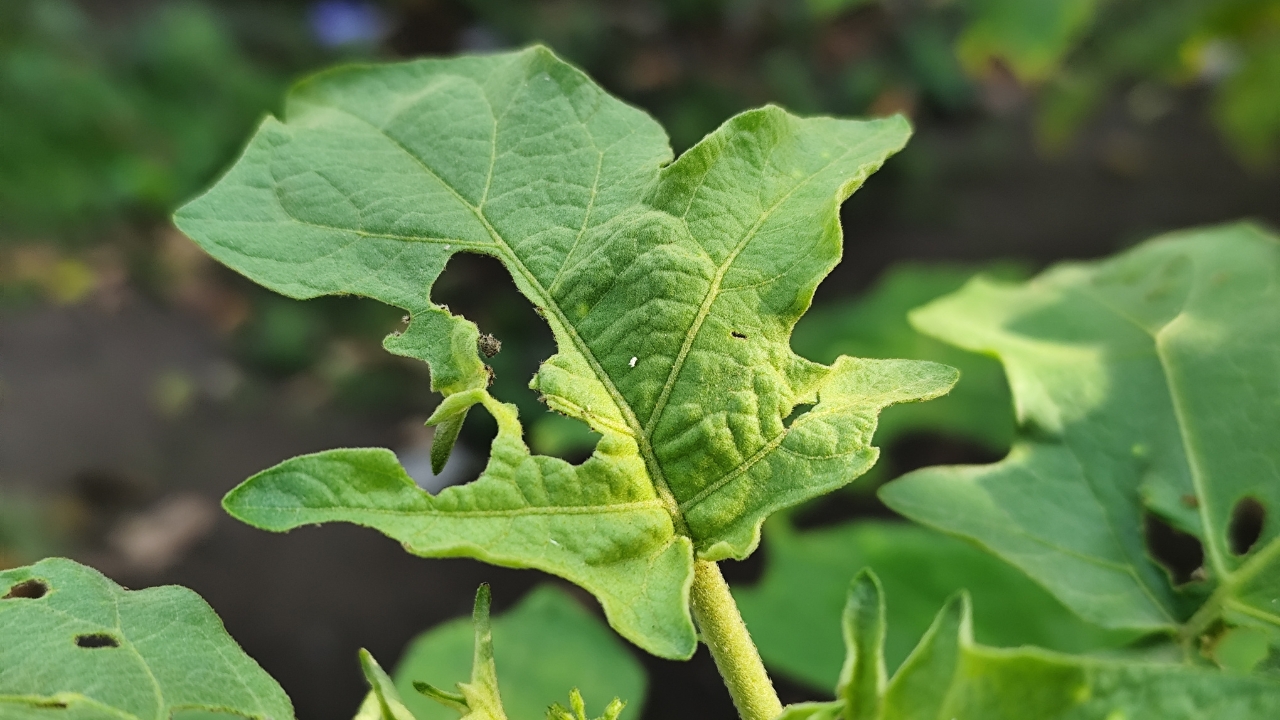
We didn’t notice bug damage until entire plants were already struggling. Chewed leaves, weird spots, or missing seedlings—if you see it, deal with it early.
Now we walk the beds every couple days and check for anything off. It only takes a few minutes, and it’s saved us from bigger issues down the road.
Using Beds as Storage Space
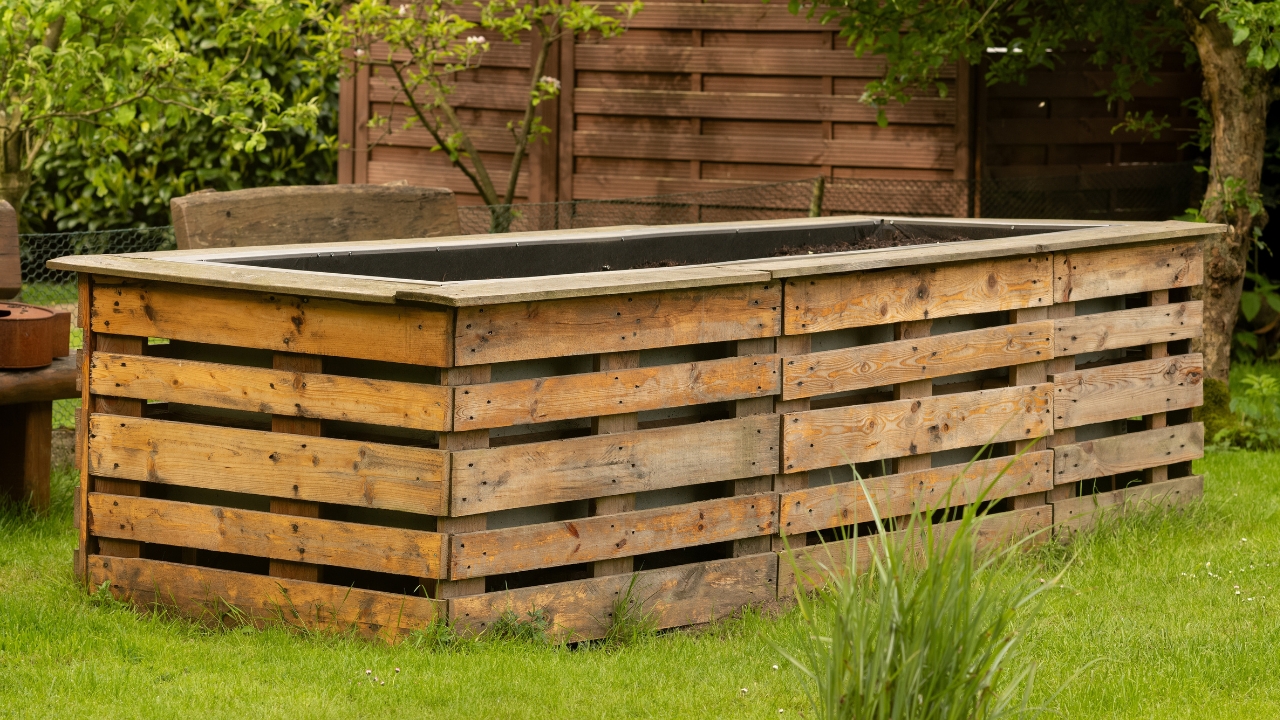
At one point, our raised beds became a dumping spot for leftover pots, garden tools, and bags of soil. It made the space feel chaotic and harder to work in.
Now we treat the beds like growing space only. Everything else gets its own spot. It keeps the area clear, and it’s way easier to stay on top of planting and maintenance.
Like Fix It Homestead’s content? Be sure to follow us.