10 Hidden Dangers in Your Barn That Could Harm Your Animals
Image Credit: StephanF/ Shutterstock.
If you’ve got livestock, keeping them safe isn’t something you can afford to overlook. A barn might seem secure, but problems build up fast if you’re not paying attention. Small hazards—loose boards, bad wiring, or poor ventilation—can turn into major issues that lead to injuries, sickness, or worse.
The best way to protect your animals is to stay ahead of the risks. That means regular inspections, fixing weak spots before they become a problem, and knowing what dangers to watch for. Here’s what you need to check before it costs you time, money, or one of your animals.
Poor Ventilation

If your barn doesn’t have proper airflow, you’re setting your animals up for respiratory problems. Ammonia from manure builds up fast, and if you can smell it, that means your livestock has been breathing it in for hours. Dust and mold spores also hang in the air, causing long-term damage to their lungs.
The solution is simple—good ventilation. Make sure your barn has windows, vents, or fans to keep fresh air moving. In winter, don’t seal everything up too tight. Animals need shelter, but they also need clean air. If you notice animals coughing or wheezing, it’s time to improve airflow.
Toxic Feed Contamination
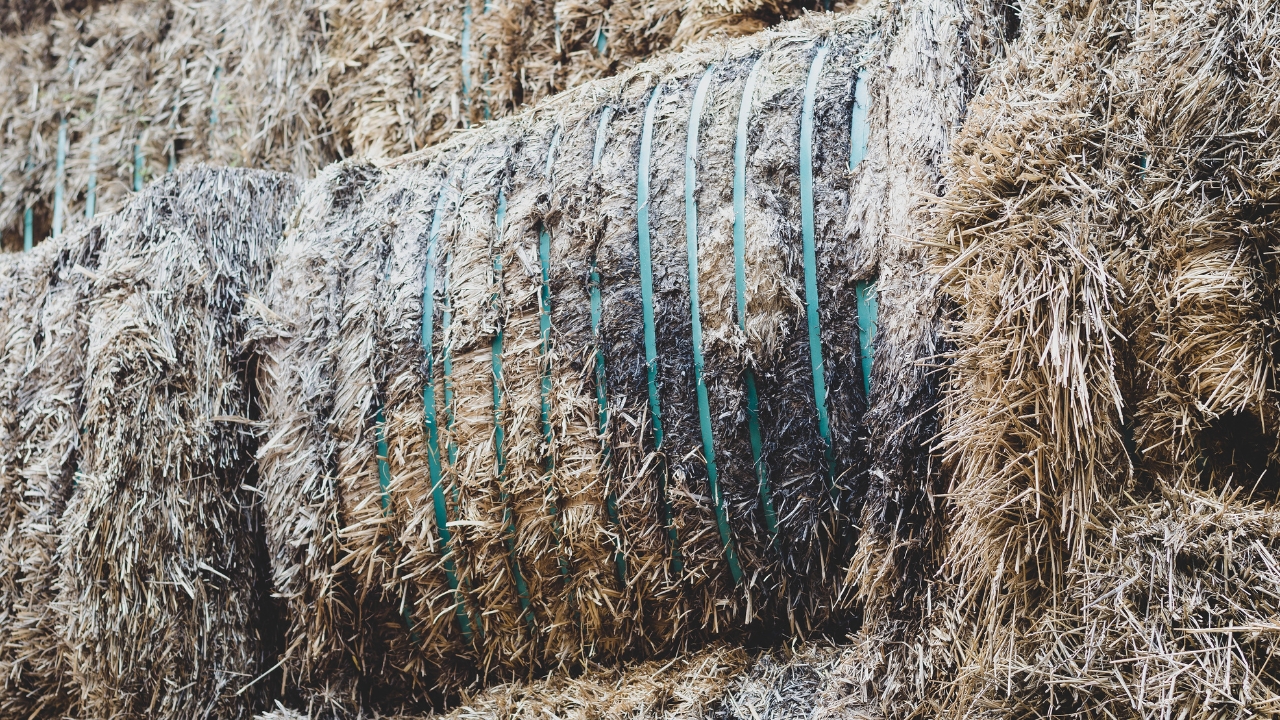
Moldy hay, spoiled grain, or feed contaminated by rodents can wipe out livestock fast. Mold produces mycotoxins, which can cause everything from weight loss to sudden death. Even slightly musty hay isn’t worth the risk—if it smells off, it’s bad.
Store hay in a dry, well-ventilated area, and never stack damp bales. Keep grain in rodent-proof containers with tight lids. Regularly check stored feed for signs of mold or pests. If you see discoloration, smell anything sour, or find droppings, toss it. Saving a few bucks isn’t worth losing an animal.
Loose or Damaged Flooring
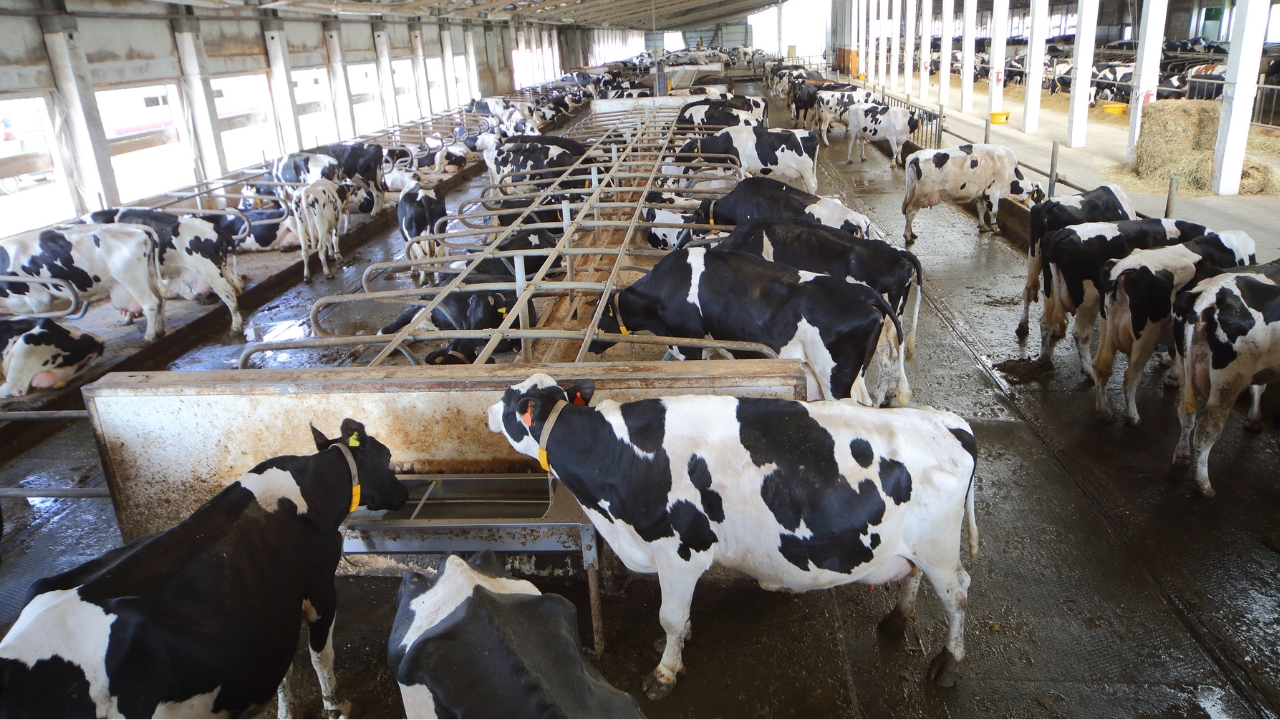
Bad flooring is one of the easiest ways for livestock to get hurt. Slippery concrete, uneven dirt, and loose boards can lead to sprains, joint damage, or serious falls. Larger animals like horses and cows put a lot of weight on their feet—one bad slip can mean permanent damage.
If you’re working with concrete, add rubber mats for traction. Dirt floors should be packed down and leveled regularly. If you’ve got wood floors, check for soft spots and loose boards. Walk every inch of your barn and pens—if it’s not safe for you, it’s not safe for your animals.
Exposed Nails and Sharp Edges
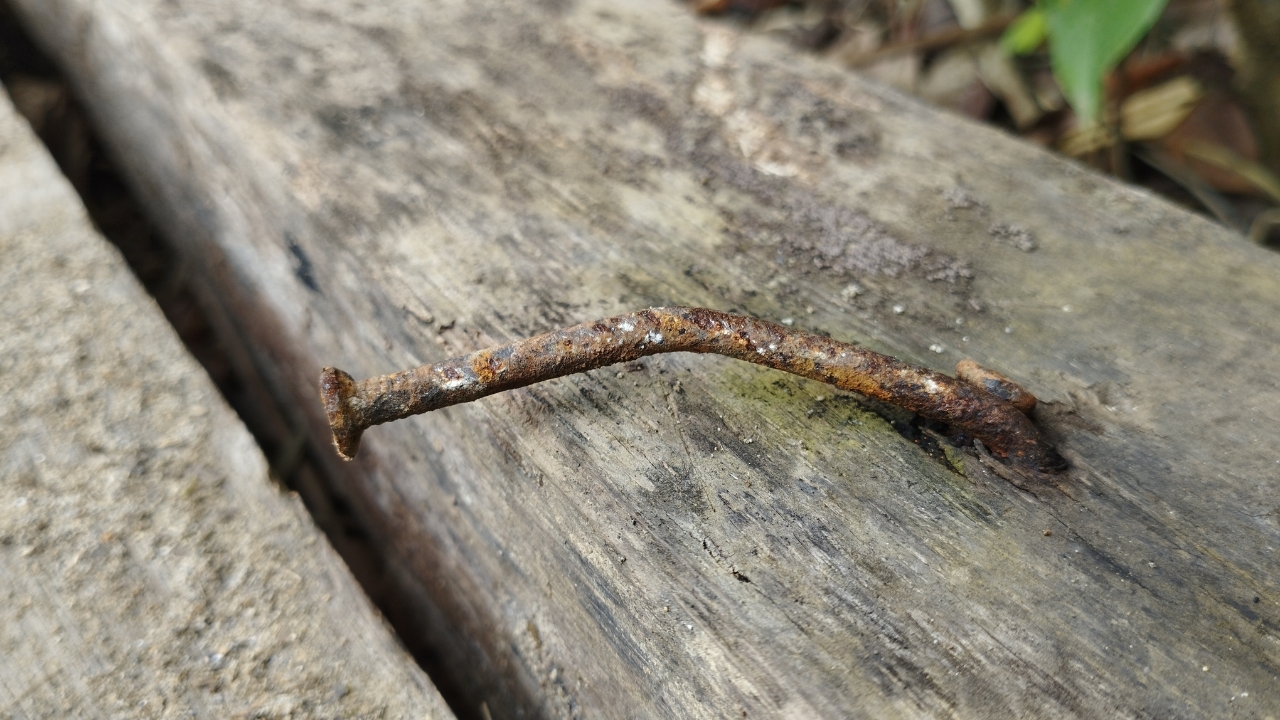
Barns get banged up over time, and loose nails, broken boards, or jagged metal edges are an accident waiting to happen. A deep cut on a leg or hoof can turn into an infection, and if you don’t catch it early, you’re looking at vet bills or worse.
Do a walk-through of your barn every few weeks. Look at stall walls, gates, and feeding areas for anything that could snag an animal. Keep a hammer and some wire cutters handy—you don’t want to find out about a loose nail because of an injured animal.
Rodents and Pests

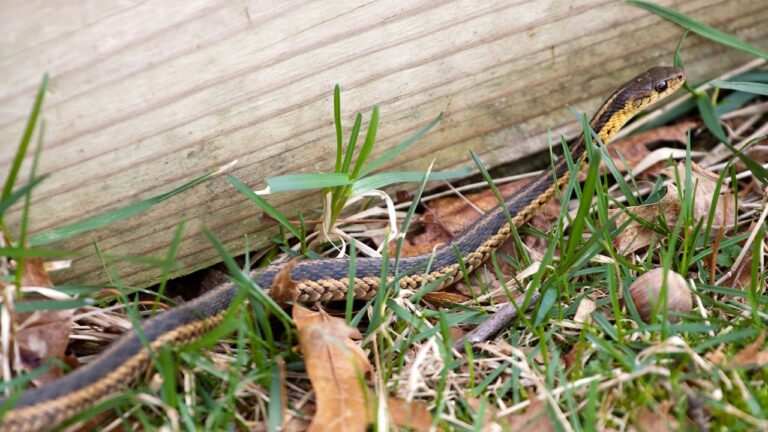
Mice and rats aren’t just stealing grain—they’re bringing disease, chewing through wiring, and attracting bigger predators like snakes and raccoons. If you see rodent droppings, you already have a problem.
Keep feed in heavy-duty bins with secure lids, and don’t leave spills sitting around. Set traps or use barn cats to keep the rodent population down. If you’re finding chew marks on wires or wooden structures, it’s time to do a serious cleanup before things get out of control.
Faulty Electrical Wiring
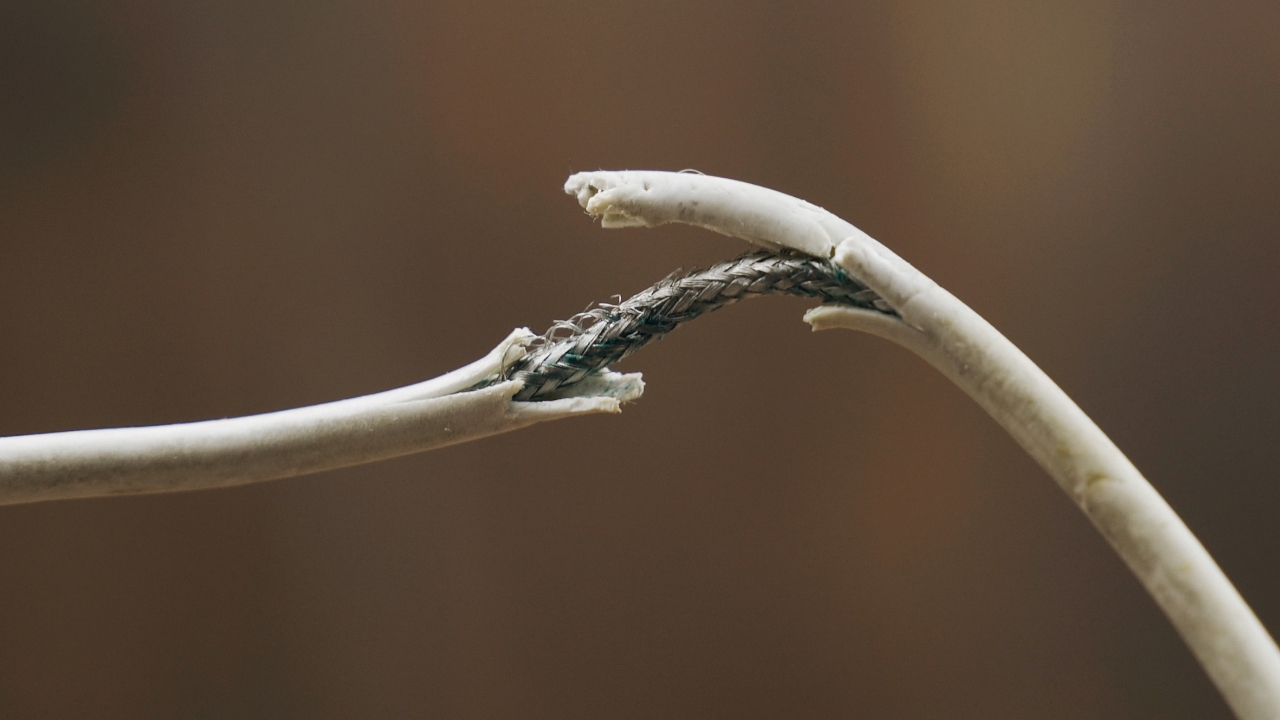
Bad wiring in a barn is a major fire hazard. Rodents chew through insulation, old connections corrode, and before you know it, you’ve got exposed wires sparking near dry hay. Barn fires happen fast, and once they start, they’re almost impossible to stop.
If you’ve got an old barn, get the wiring checked. Use outdoor-rated fixtures and keep wires inside conduit to protect them. Don’t overload circuits, and if you’re using heat lamps or electric water heaters, make sure they’re secured and in good condition. A little maintenance now can prevent a disaster later.
Improperly Stored Chemicals
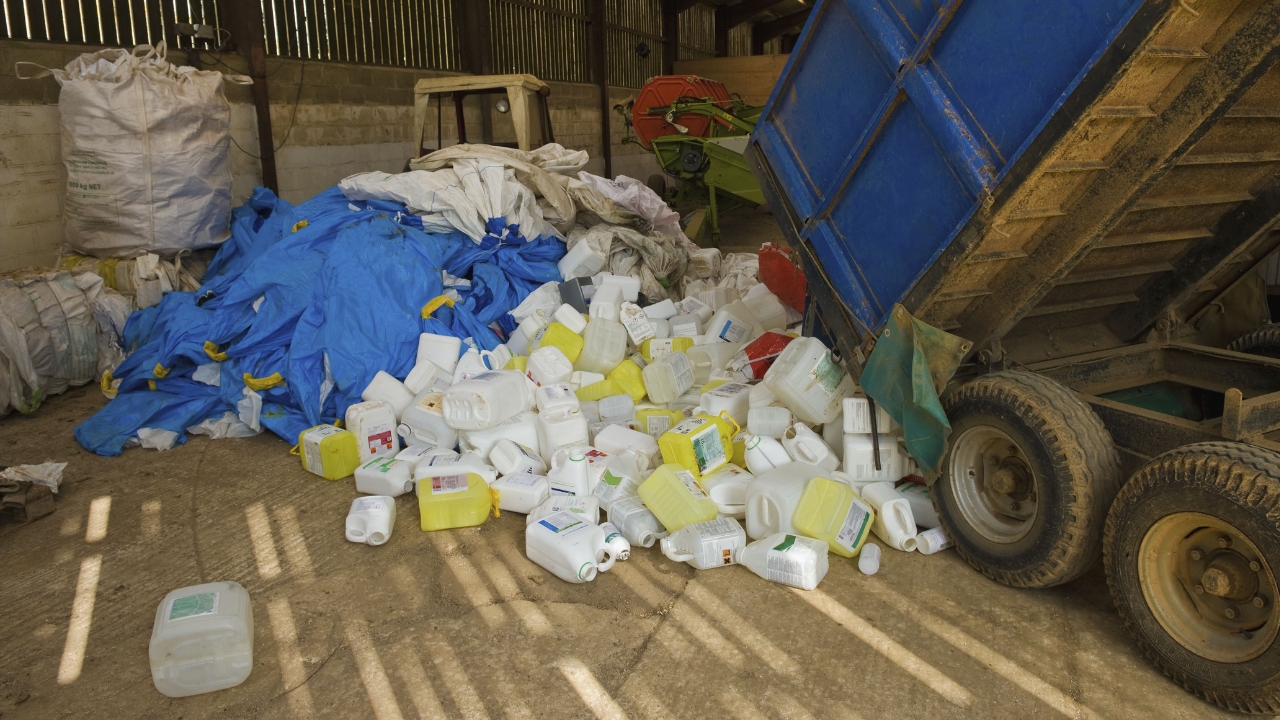
A surprising number of barns have pesticide containers, rat poison, and cleaning products sitting on open shelves. It only takes one curious animal knocking over a bottle or licking a spill to turn into an emergency.
Store all chemicals in locked cabinets, away from feed and water sources. Read labels, and don’t assume something is safe just because you’ve used it before. If you’re treating animals with dewormers or medications, make sure they’re stored properly and not expired.
Unsecured Gates and Latches
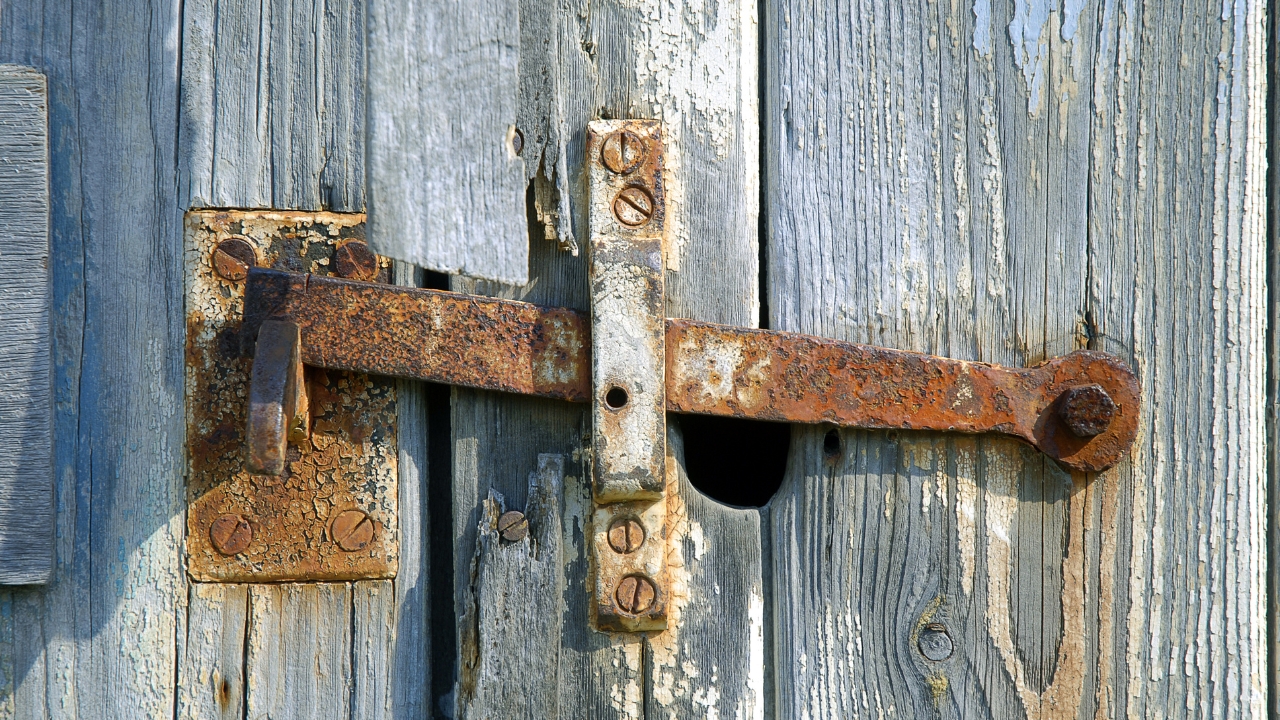
Loose animals can mean a lot more than a headache—it can mean injuries, lost livestock, or animals getting into dangerous situations. If your animals have ever figured out how to open a latch, you already know how determined they can be.
Check gates and latches regularly, especially after storms or heavy use. If a gate swings open too easily, reinforce it. Use double latches on pens with animals known for escape attempts. If you’ve ever had to chase a loose cow or goat, you know this is one problem you don’t want to deal with twice.
Heavy Hay Bales Stored Unsafely
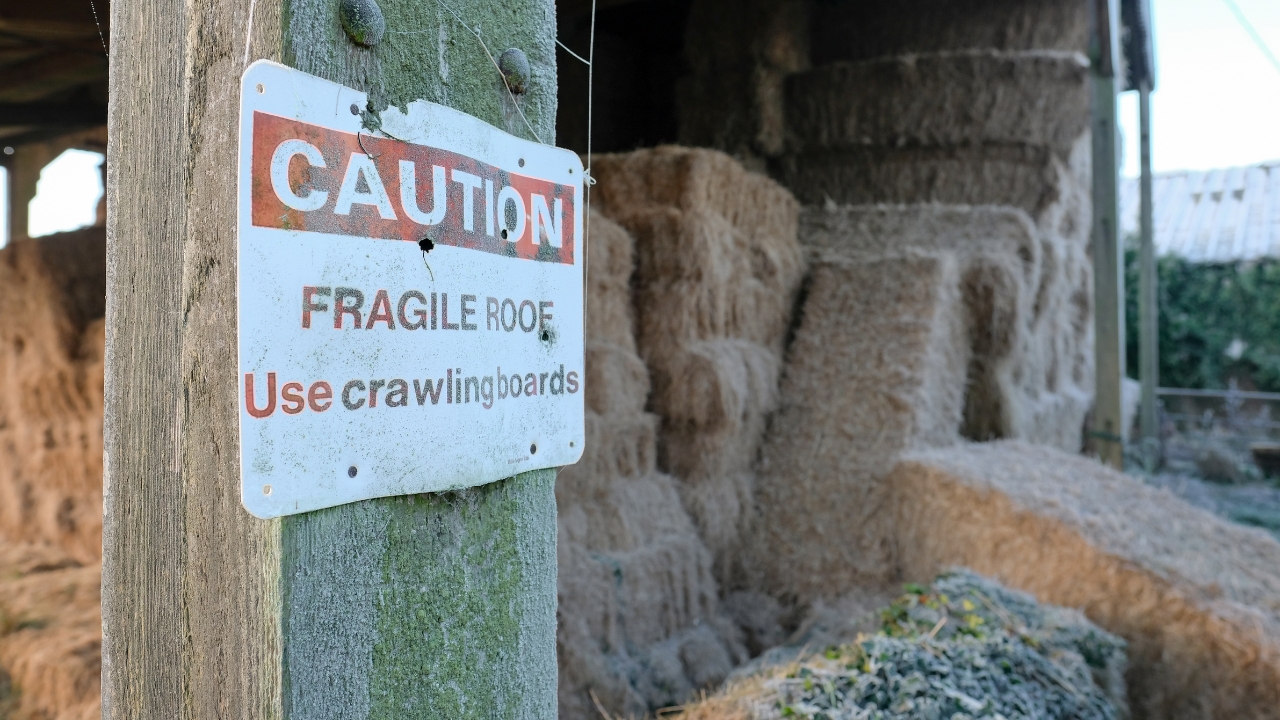
A falling hay bale isn’t just dangerous—it’s deadly. Large square or round bales weigh hundreds of pounds, and if they’re stacked improperly, they can crush anything underneath them.
When stacking hay, keep heavier bales on the bottom, and don’t pile them too high. If you store hay in a loft, make sure the structure can handle the weight. When pulling bales down, do it carefully—yanking one too hard can send a whole stack tumbling.
Standing Water and Mud
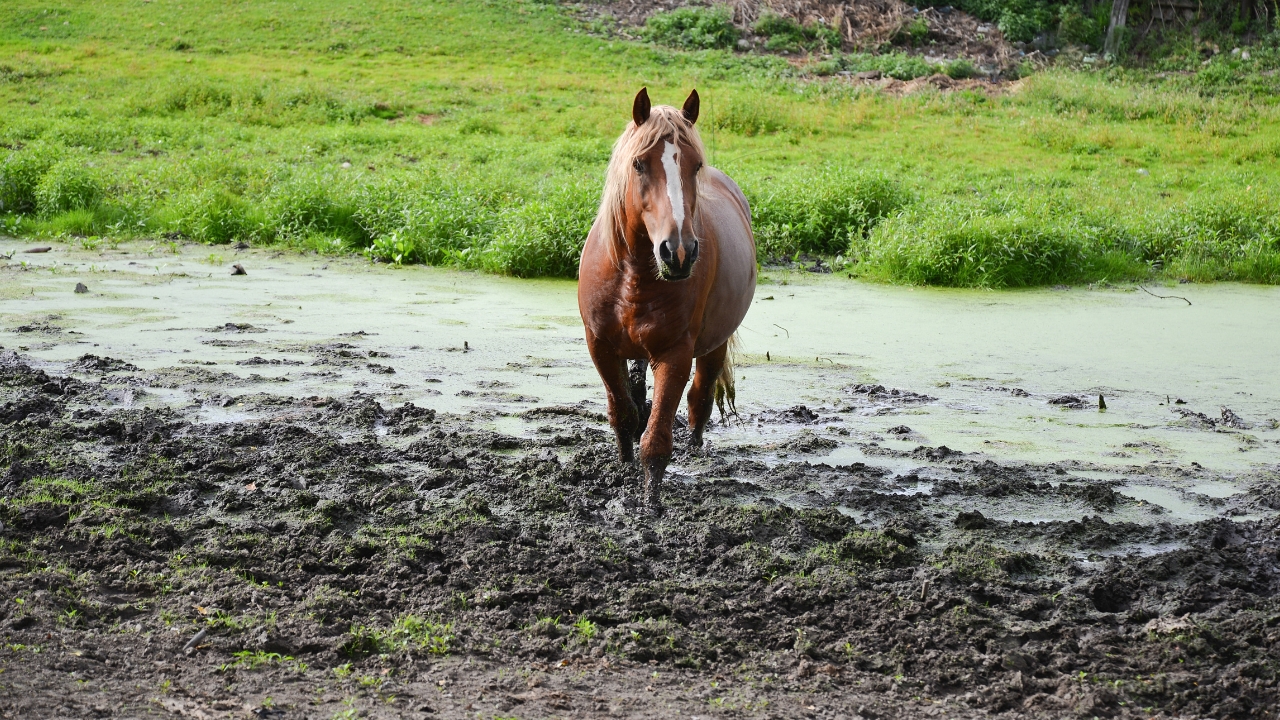
Wet, muddy areas around the barn might not seem like a big deal, but they lead to hoof rot, bacterial infections, and parasites. Standing water also attracts mosquitoes, which carry diseases that can hit livestock hard.
Fix drainage issues by using gravel or sand in high-traffic areas. Keep stalls dry with proper bedding, and regularly clean out water troughs to prevent algae buildup. If you’ve got persistent mud, redirect runoff and look into better footing options before it causes long-term hoof damage.