Why “nine-month high” sales still feels slow in most neighborhoods
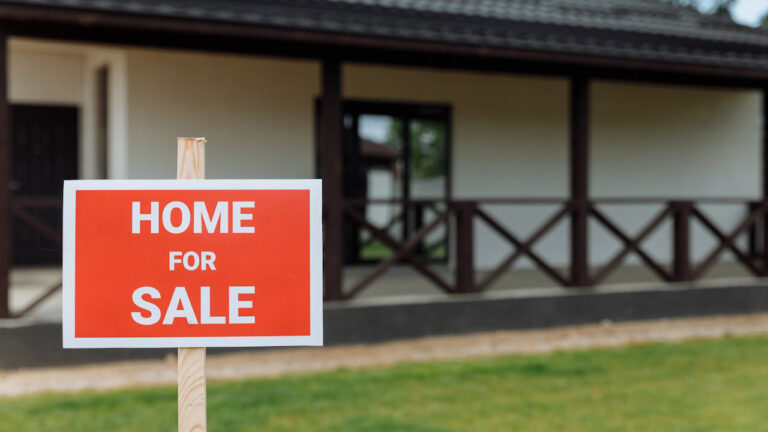
Photo credit: Thirdman/Pexel.com
Across the country, you keep hearing that home sales are hitting “nine‑month highs,” yet your own neighborhood still feels oddly quiet. Listings linger, open houses are sparsely attended, and buyers and sellers seem more cautious than the headlines suggest. The disconnect comes from a market that is technically improving on paper but still constrained by high prices, elevated borrowing costs, and fragile confidence.
To understand why the data looks upbeat while the street-level experience feels sluggish, you have to zoom out. National numbers smooth over sharp local differences, and even modest upticks are being measured against an unusually weak baseline. Layer in sellers who would rather wait than cut prices, buyers worn down by years of sticker shock, and an economy flashing mixed signals, and “better” can still feel a long way from “busy.”
National “highs” are built on a very low bar
When you hear that existing-home sales have climbed to a nine‑month high, you are usually looking at a small move off a depressed floor, not a return to the boom years. For example, the 0.5% gain in Existing home transactions that WASHINGTON analysts recently highlighted is statistically real, but it is hardly a surge you would necessarily feel in your own ZIP code. When sales have been muted for months, even a fractional uptick can qualify as a “high” in technical terms, especially if the comparison point is a particularly weak stretch of last winter or spring.
That framing matters because it shapes expectations. You might assume that a nine‑month high means bidding wars are back and every decent listing is drawing multiple offers, yet the underlying data still shows a market that is only inching forward. National Associ economists are comparing today’s volumes to a period when many buyers were sidelined by affordability shocks and many sellers simply stayed put. Until sales climb far more than 0.5% and stay elevated for several seasons, the improvement will feel incremental rather than transformative in most neighborhoods.
Prices climbed faster than incomes, and the hangover is real
Even as sales volumes wobble higher, prices remain the main reason activity feels sluggish on the ground. Since 2021, home values have jumped far faster than wages, and that gap has left a long affordability hangover. One detailed analysis notes that, since 2021, prices climbed so sharply that buyers were pushed to the sidelines and sales stayed muted, a pattern captured in a recent cruel summer assessment that likened the housing market to the unhappy families in Anna Karenina. When you layer those price gains on top of higher mortgage rates, the monthly payment shock is still jarring, even if asking prices are no longer setting fresh records every month.
That is why you can see more “for sale” signs without feeling much more action. Buyers who stretched to chase rising prices in 2021 and 2022 are now more cautious, and first‑timers are running the numbers on 30‑year loans and walking away. Aug and As the literary framing suggests, every local market is unhappy in its own way, but the common thread is that affordability has not reset to a comfortable level. Until incomes catch up or prices correct more meaningfully, the psychological drag from those post‑2021 increases will keep many would‑be buyers on pause, dulling the impact of any national sales “high.”
Inventory is up, but not where you need it
On paper, you are living through a more balanced market, with far more homes available than just a year ago. The May 2025 Monthly Housing Market Trends Report found that the inventory of homes for sale rose 31.5% year‑over‑year, a huge jump that should, in theory, give buyers more options and cool price growth. Yet that 31.5% figure is national, and it blends together starter homes in the Midwest, luxury condos on the coasts, and everything in between. If your neighborhood skews toward one of the segments that is still chronically undersupplied, you may not feel any relief at all.
Part of the problem is that much of the new inventory is not in the price bands or locations where demand is most intense. Builders have focused heavily on higher‑margin properties, and existing owners with ultra‑low mortgage rates are reluctant to list unless they can command top dollar. That is why you can read about a big inventory spike and still see only a handful of new listings in your school district or commute radius. The national 31.5% gain masks the reality that, for many buyers, the right kind of home in the right place remains scarce, which keeps activity subdued even as the overall market loosens.
Days on market are stretching back toward “normal”
Another reason your neighborhood feels slow is that homes are simply taking longer to sell than they did during the pandemic frenzy. Federal data on the median number of days property listings spend on the market shows that the typical home is now sitting longer before going under contract, according to the median days on market series. That shift is even clearer in July data, when Homes spent a median of 58 days on the market, 5 more than the prior month and 7 more than a year earlier, a sign that buyers are taking their time and sellers are adjusting expectations.
From your vantage point, that translates into more “For Sale” signs that linger for weeks, even if they eventually close near asking price. In a balanced market, homes typically sit for 30 to 60 days before selling, according to Average days on market guidance for buyers, so what feels slow compared with 2021 may actually be closer to historical norms. The trouble is that your expectations were reset by an abnormal period when listings vanished in days or even hours. As the clock stretches back toward 58 days and beyond, the street can feel sleepy even while the underlying pace is simply reverting to something more sustainable.
High rates and record prices are colliding
Even with more inventory and longer marketing times, the cost of buying has not come down enough to unleash a wave of demand. Mortgage rates remain elevated compared with the ultra‑cheap loans of a few years ago, and prices in many areas are still at or near all‑time highs. One national report noted that home sales dropped to a nine‑month low even as prices hit an all‑time high, with Stubbornly high mortgage rates and rising prices intensifying hardships for would‑be buyers. That combination means that, for many households, the math simply does not work, no matter how motivated they are to move.
At the same time, analysts have pointed out that Many buyers are deterred by high mortgage rates even though There are significantly more homes for sale than a year ago, a tension highlighted in a home price analysis that underscored how record prices and borrowing costs are colliding. When your monthly payment on a modest house rivals what a luxury home would have cost a few years back, you are more likely to stay put, rent longer, or look in a different region altogether. That resistance shows up as thin open house traffic and fewer offers, even in a period when national sales figures are technically improving.
Policy and construction trends keep supply tight
Behind the scenes, structural forces are also limiting how fast the market can truly heat up. President Trump and his economic team have pursued policies that, according to one major outlook, could have complex implications for housing affordability, especially around tariffs and financing conditions. Analysts at a leading bank note that starts for multi‑family units have not kept pace with demographic demand, creating the dearth in supply that continues to prop up prices, as detailed in a housing market outlook. When new construction lags, even a modest pickup in sales can feel constrained because there simply are not enough homes to go around in the places people most want to live.
Industry experts are blunt that the remainder of 2025 is likely to remain challenging for the U.S. housing market. One widely cited forecast summarized the Key takeaways this way: Industry professionals expect conditions to stay tight, and Wou see affordability pressures persist even if rates ease a bit. That backdrop helps explain why your neighborhood does not suddenly feel hot just because a national report mentions a nine‑month high. Without a meaningful surge in building, especially of smaller and more affordable homes, any improvement in sales will be capped by the underlying shortage.
Buyer psychology has flipped from FOMO to caution
Perhaps the biggest shift you can feel on the sidewalk is psychological. During the pandemic boom, buyers were gripped by fear of missing out, rushing to waive inspections and bid over asking. Now, the mood has swung toward skepticism and fatigue. Even as the 30‑year fixed‑rate mortgage hovers near its lowest level of 2025, buyers are not stampeding back. One report on why buyers are ghosting the market noted that Though the 30‑year rate has ticked down, cheaper loans are not enough to overcome concerns about prices, job security, and the broader economy.
That change in mindset shows up in subtle ways: more canceled showings, fewer pre‑approval letters, and buyers who tour a property twice and then disappear. Nov surveys of consumer sentiment point to households that are wary of overpaying at the top of the market, especially after watching friends stretch into homes that now feel like a burden. When fear of missing out is replaced by fear of regret, even a statistically “better” sales environment can feel eerily quiet. You may see a few more closings on your block, but the urgency and buzz that defined 2021 are gone, replaced by a cautious, wait‑and‑see posture.
Sellers would rather delist than cut the price
On the other side of the table, many sellers are refusing to meet the market. Instead of trimming their asking price to attract buyers, they are simply pulling listings altogether. One detailed analysis found that delistings jumped 45% as owners chose to remove homes from the market rather than accept lower offers, with Home buyers shying away from high prices and elevated borrowing costs. That behavior keeps inventory statistics somewhat inflated while reducing the number of properties that are truly in play, which is why your local market can feel thin even when online portals show plenty of listings.
Other data points to a similar pattern. A recent briefing noted that Rates ruled the rhythm of the market and that Spiking mortgage rates earlier in the year cooled the spring shopping season, keeping many potential sellers on the sidelines despite a three‑year high in affordability, as detailed in a seller behavior report. When owners feel they “missed the top” or cannot replicate their current low mortgage rate on a new purchase, they are more inclined to wait for a better moment. The result is a standoff: buyers want deals that reflect higher financing costs, while sellers cling to yesterday’s valuations, leaving fewer transactions to animate your neighborhood.
The broader economy is sending mixed signals
Finally, you cannot separate housing from the wider economic mood. Households are absorbing higher costs for everything from groceries to car insurance, and that strain shapes how confident they feel about taking on a 30‑year mortgage. One national review of economic warning signs highlighted that Inflation ticked back up to 3% in January and has slowed its decline since, raising concerns that price pressures could linger and could slow economic growth, as outlined in a warning signs analysis. When you are already stretched by Inflation and worried about January and future paychecks, stretching further for a house feels risky.
Housing specialists have also warned that tariff actions can act as a tax on the American consumer, raising costs for building materials and renovations. A year‑in‑review note described how these tariff moves seemed devoid of understanding about their impact and even raised fears of a tariff‑driven crash, underscoring the burden on the American household. When you combine that with reports that Existing home sales fell to a nine‑month low and that The June all‑cash sales share hit 29% of transactions, up from 27% in May and 28% a year ago, as detailed in The June breakdown, you get a picture of a market increasingly dominated by All‑cash buyers who are less sensitive to rates. For regular households relying on financing, that environment feels anything but brisk, no matter what the national “high” of the month happens to be.
Like Fix It Homestead’s content? Be sure to follow us.
Here’s more from us:
- I made Joanna Gaines’s Friendsgiving casserole and here is what I would keep
- Pump Shotguns That Jam the Moment You Actually Need Them
- The First 5 Things Guests Notice About Your Living Room at Christmas
- What Caliber Works Best for Groundhogs, Armadillos, and Other Digging Pests?
- Rifles worth keeping by the back door on any rural property
*This article was developed with AI-powered tools and has been carefully reviewed by our editors.