The power-outage mistake that silently damages HVAC systems
Photo credit: M Production/istock.com
Every time the lights flicker off, your first instinct is usually to check the fridge, the Wi‑Fi and your phone battery. The equipment that quietly takes the biggest hit, however, is often your heating and cooling system. The most expensive damage does not happen while the power is out, but in the chaotic seconds when electricity cuts off or roars back to life.
The most common mistake is simple and easy to avoid: letting your HVAC try to restart itself at full blast the moment power returns. That split second of stress, repeated over years of outages, can quietly shorten the life of compressors, circuit boards and motors long before you expect to replace them.
Why outages are harder on HVAC than on your phone
Modern HVAC equipment is packed with sensitive electronics that react very differently to outages than your smaller gadgets. Phones and other handheld devices typically have built‑in surge protection and low‑voltage safeguards, but large appliances do not. Reporting on household equipment notes that Phones and other small electronics are designed to ride out spikes, while washers, dryers, refrigerators, stoves, dishwashers and HVAC systems rely on exposed control boards that are vulnerable when voltage swings.
Those control boards act as the brain of your furnace or air conditioner, coordinating compressors, blower motors and safety switches. When a storm or grid problem cuts power, your system shuts down instantly, which is usually safe. The real danger comes when electricity returns in an unstable way, with high‑voltage spikes or sagging low voltage that can overwhelm delicate components. Technical guidance on Power problems warns that surges can fry circuit boards, thermostats and communication modules, while outages can scramble settings and leave systems struggling to restart.
The silent killers: surges, brownouts and low voltage
When people think about a blackout, they picture the moment everything goes dark, but the most destructive forces arrive when the grid is unstable. A What Exactly is described as a brownout, a period when lights dim and voltage drops without going fully out, can be brutal on compressors and fan motors. Instead of getting the full power they need to start and run smoothly, these components struggle, overheat and pull high current, which accelerates wear and can leave windings and insulation damaged even if the unit seems to recover.
Low voltage has become known in the trade as one of the quietest threats to air conditioning. Detailed analysis of Why Low Voltage Is One of the Silent Killers of A/C Units explains that compressors are designed for a narrow voltage range, and when supply dips, they can stall under load, overheat and eventually fail. At the other extreme, restoration surges can be just as devastating. Power specialists warn that Catastrophic Equipment Damage often comes from high‑voltage spikes when power is restored, which can instantly destroy sensitive electronics in HVAC systems and other large appliances.
The big mistake: letting the system restart itself
The most common and costly error after an outage is doing nothing at all and allowing your HVAC to come back on automatically the moment power returns. If your air conditioner or heat pump was running when the outage hit, it will try to restart under full pressure as soon as the thermostat and control board wake up. Technicians who have studied outage damage report that Yes, a system that is running when power cuts off can be harmed, especially if electricity flickers off and then quickly back on, forcing the compressor to restart against high refrigerant pressure.
That rapid cycling is exactly what many outages create: a brief loss of power, a partial return, then another drop as the grid stabilizes. Each time, your compressor and blower try to start again, drawing heavy current through already stressed components. Guidance on What Happens to Your HVAC During a Power Outage notes that sudden shutdowns and restarts can permanently damage compressors and electronics, especially if they occur in rapid succession. The mistake is not just that the system restarts, but that it does so without any delay or manual check, at the exact moment voltage is most unstable.
How to shut down and restart safely
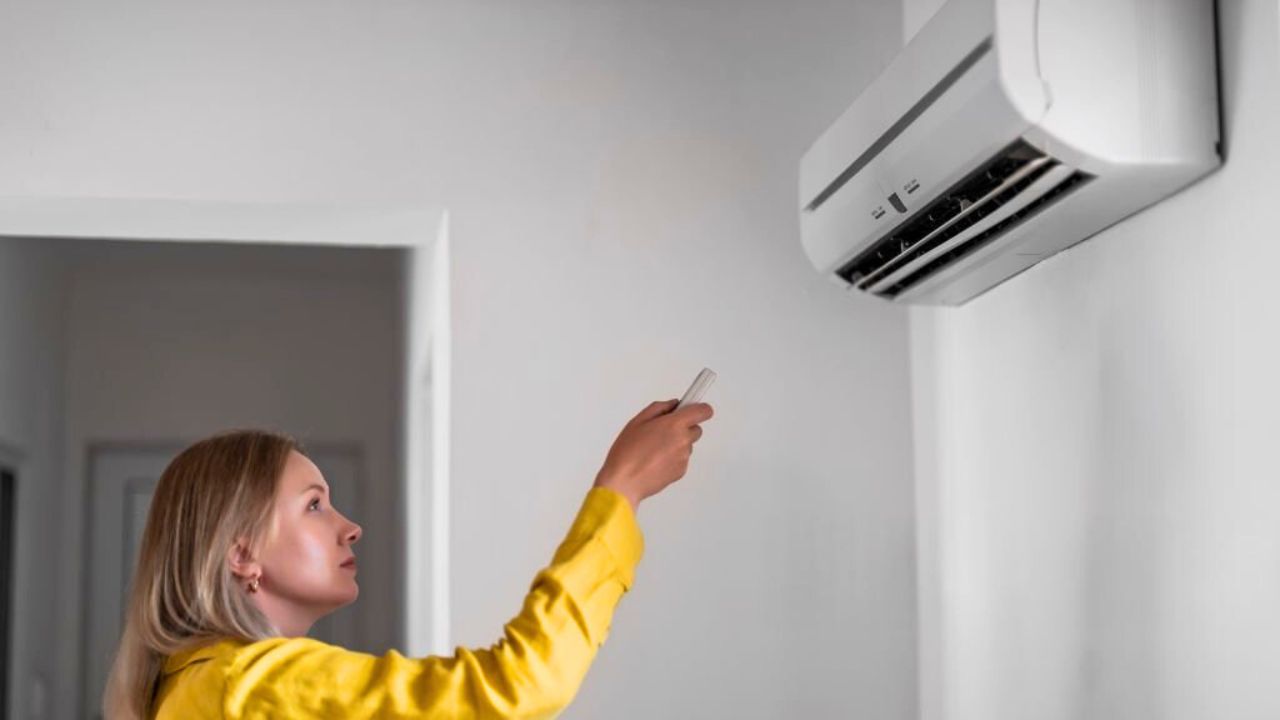
The safest move when the power goes out is to take control of your HVAC before the grid does it for you. As soon as you notice an outage, you should Set your thermostat to off. That single step prevents the system from kicking on the instant electricity returns, which is when surges and low voltage are most likely. If you have access to the indoor air handler or furnace switch, turning that off as well adds another layer of protection for control boards and blower motors.
Once power has been stable for at least several minutes, you can bring the system back online in stages. One widely recommended sequence is to Follow a simple five step process: Turn off your air conditioner at the thermostat, shut off the breaker to the outdoor unit, wait for power to stabilize, then restore the breaker and finally turn cooling back on after a delay. This staggered restart gives refrigerant pressures time to equalize and lets you confirm that lights are no longer flickering, which reduces the risk of a hard start that can strain the compressor. If the system fails to start, trips a breaker or makes unusual noises, guidance on How outages affect air conditioners stresses that you should call a professional rather than repeatedly resetting breakers, which can mask serious damage.
Long term protection: surge devices, brownout awareness and backup plans
Preventing damage starts long before the next storm shows up in the forecast. Whole home surge protection and appliance rated devices can shield your HVAC from the worst spikes. Homeownership guidance points out that Damage happens when a surge overwhelms an appliance’s control board, and recommends a surge protector at the electrical panel plus appliance rated protectors of at least 1,000 joules. HVAC specific advice on Power Surge When power is restored emphasizes that air conditioners in particular benefit from dedicated surge protection devices that can absorb high voltage spikes before they reach compressors and control boards.
Brownout awareness is just as important. If you notice lights dimming or voltage sagging, you should manually shut off your HVAC rather than letting it struggle through low power. Technical training on Brownout effects explains that equipment trying to run during extended low voltage can overheat and fail even without a full outage. For homes without a backup generator, service experts outline Best Practices for Power Outages If you lack standby power, including turning off HVAC breakers during severe storms and waiting before restoring them. If you do have a generator, you should size it so that it can handle the starting current of your HVAC, or work with a contractor to stage loads so the system does not try to start at the same instant as other large appliances.
Finally, it helps to understand how outages affect comfort so you can plan ahead. Analysis of Unexpected power outages notes that summer storms and winter freezes can quickly push indoor temperatures to uncomfortable or even unsafe levels, especially in poorly insulated homes. Guidance on How indoor temperatures rise during outages explains that the rate depends on outdoor conditions, insulation and outage length, and that systems that fail to restart afterward may need professional inspection and repair. By combining safe shutdown habits, staged restarts and permanent surge and brownout protection, you can avoid the quiet mistake that ruins HVAC systems and keep your most expensive home appliance working through many more storm seasons.
Like Fix It Homestead’s content? Be sure to follow us.
Here’s more from us:
- I made Joanna Gaines’s Friendsgiving casserole and here is what I would keep
- Pump Shotguns That Jam the Moment You Actually Need Them
- The First 5 Things Guests Notice About Your Living Room at Christmas
- What Caliber Works Best for Groundhogs, Armadillos, and Other Digging Pests?
- Rifles worth keeping by the back door on any rural property
*This article was developed with AI-powered tools and has been carefully reviewed by our editors.