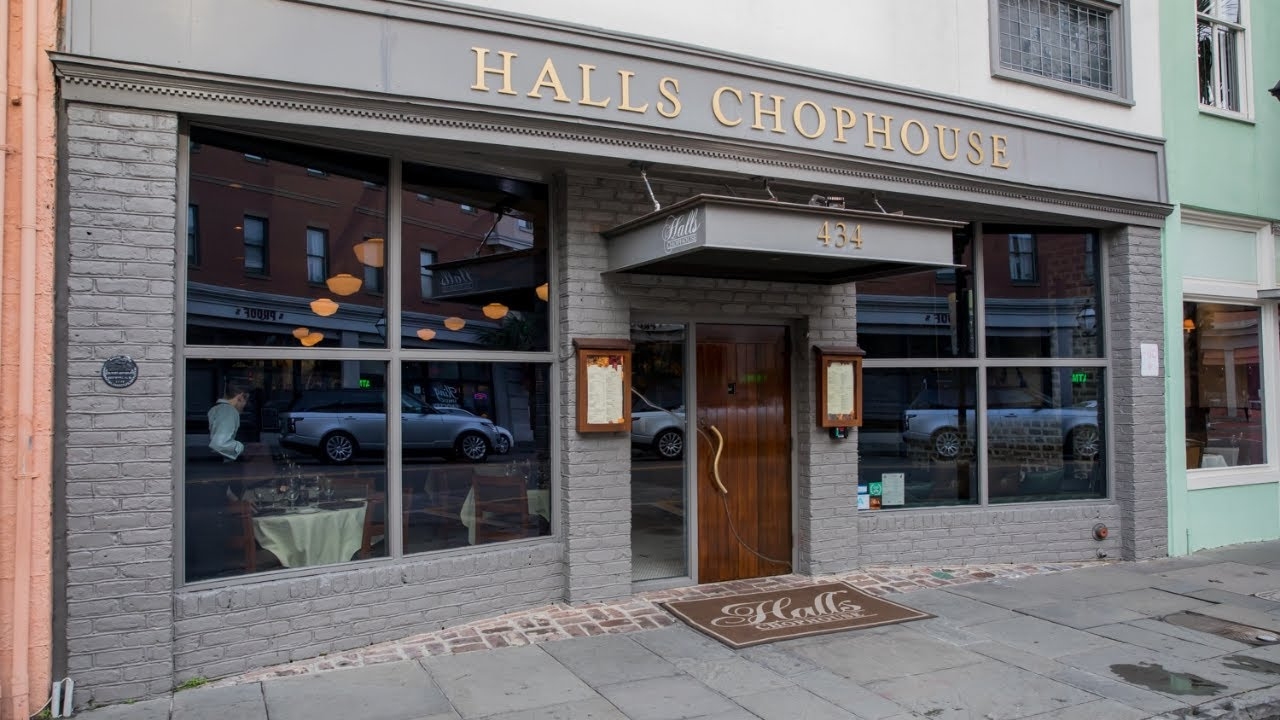
Halls Chophouse hikes its filet to $61 as beef prices squeeze steakhouses
Photo credit: JS_Odyssey/Youtube
When you sit down at a white-tablecloth steakhouse this winter, the sticker shock is no accident. Halls Chophouse lifting its signature filet to $61 is not a flex, it is a survival tactic in a beef market that has turned brutally expensive. As cattle supplies tighten and costs climb, you are watching a quiet reset of what a luxury steak dinner costs in the United States.
Behind that single menu line is a chain of droughts, herd culls, and supply bottlenecks that have pushed operators into what some are bluntly calling “code red.” If you run a restaurant, you are being forced to choose between raising prices to levels that risk alienating guests or swallowing costs that can wipe out your margin on the busiest nights of the year.
Halls Chophouse’s $61 filet and what it signals
When Halls Chophouse moved its eight ounce filet to $61, it sent a clear signal to anyone who follows the business of dining: the old price ceiling on premium steak has cracked. You are no longer paying only for ambiance and service, you are paying for a raw ingredient that has become dramatically more expensive in a short span of time. For a group that has built its reputation on consistent quality across fine dining restaurants in the Southeast, a decision like that is not made lightly, because it risks turning a celebratory splurge into a moment of hesitation as soon as you open the menu.
The fact that Halls Chophouse, which operates multiple fine dining locations, is willing to plant a $61 number next to a core cut tells you that the economics of beef have shifted enough to justify the gamble on your willingness to pay. Reporting on steakhouses under pressure notes that operators with several locations, including Halls Chophouse, are warning that rising costs are forcing them to reprint menus and rethink portion sizes as they try to keep flagship items like filets on the plate without sacrificing quality or going into the red, a dynamic that has now pushed eight ounce filets at some venues past $60.
“Code red” in the dining room
If you run a steakhouse right now, you are not just tweaking prices, you are operating in what some owners are openly calling a “code red” environment. That phrase is not marketing drama, it reflects a sense that the traditional playbook for handling food inflation, modest menu increases and quiet cost cutting in the kitchen, is no longer enough. When your core product is suddenly 20 percent more expensive than it was a year ago, the math on every plate that leaves the pass changes, especially during the holiday season when you rely on big checks to carry slower months.
One veteran operator with five steakhouses in the Southeast has described his restaurant as being in “code red” because beef costs are surging so fast that he has had to raise menu prices multiple times while still watching margins erode. He has warned that with his restaurant in “code red,” he is being forced to pass along more of the increase to guests, even as he worries about pushback from regulars who are used to a certain price range for their favorite cuts, a tension captured in reporting on how rising beef costs are driving
Like Fix It Homestead’s content? Be sure to follow us.
Here’s more from us:
- I made Joanna Gaines’s Friendsgiving casserole and here is what I would keep
- Pump Shotguns That Jam the Moment You Actually Need Them
- The First 5 Things Guests Notice About Your Living Room at Christmas
- What Caliber Works Best for Groundhogs, Armadillos, and Other Digging Pests?
- Rifles worth keeping by the back door on any rural property
*This article was developed with AI-powered tools and has been carefully reviewed by our editors.