10 Things That Keep Our Garden Beds Looking Clean
Photo credit: Christine Bird/ Shutterstock.com
Flower beds can go from pretty to messy real fast. We’ve had years where everything looked tidy and pulled together, and others where it looked like we gave up halfway through spring.
After plenty of trial and error, we figured out what actually makes a difference in keeping things clean—not fancy upgrades or expensive materials, but simple habits and smart choices. Here are 10 things we do that help our flower beds stay neat and manageable all season long.
Stick With One Kind of Mulch
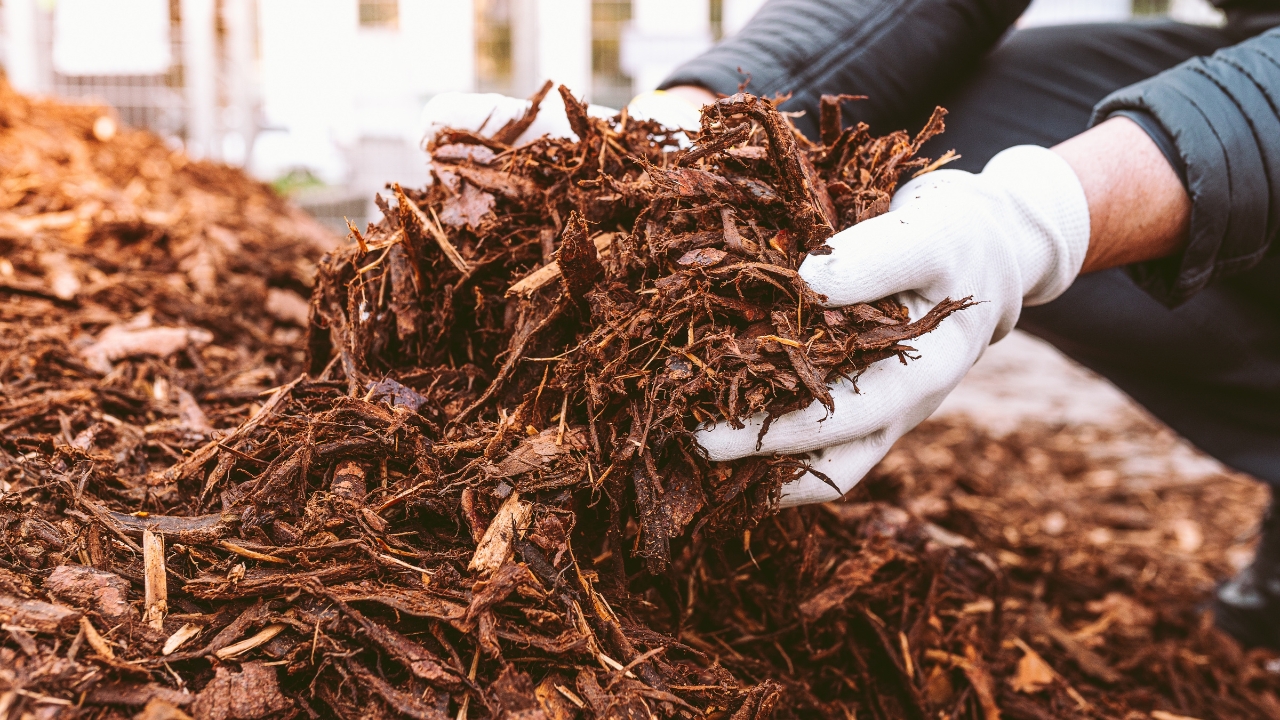
Mixing different mulch types makes the beds look patchy and disjointed. Once we picked one style—dark brown shredded bark—we stuck with it everywhere.
It keeps moisture in, blocks weeds, and gives everything a consistent, tidy look. We refresh it once a year, and it really does pull the whole yard together.
Edge the Beds Regularly
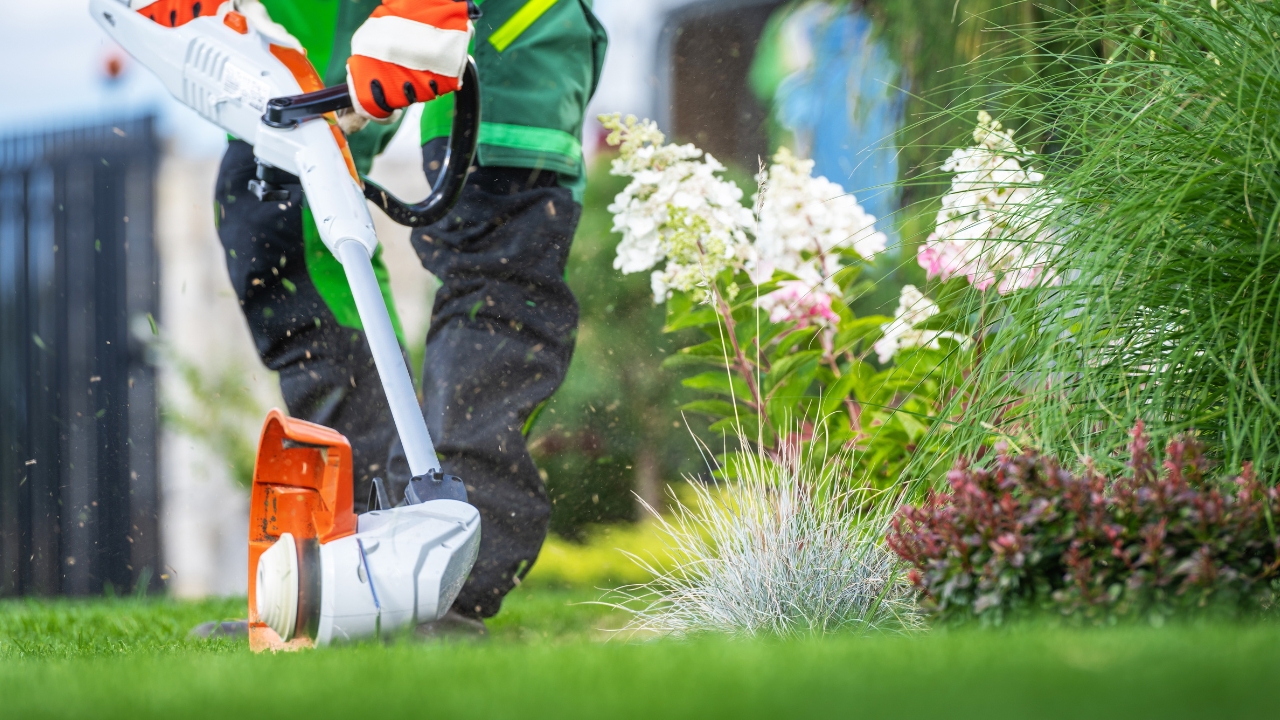
When grass starts creeping into the beds, it’s game over for that clean look. We keep a sharp edge with a flat shovel or half-moon edger.
Even a shallow trench along the border makes a big difference. It helps the mulch stay put and gives that nice defined line that makes everything feel more intentional.
Keep Plant Spacing in Check
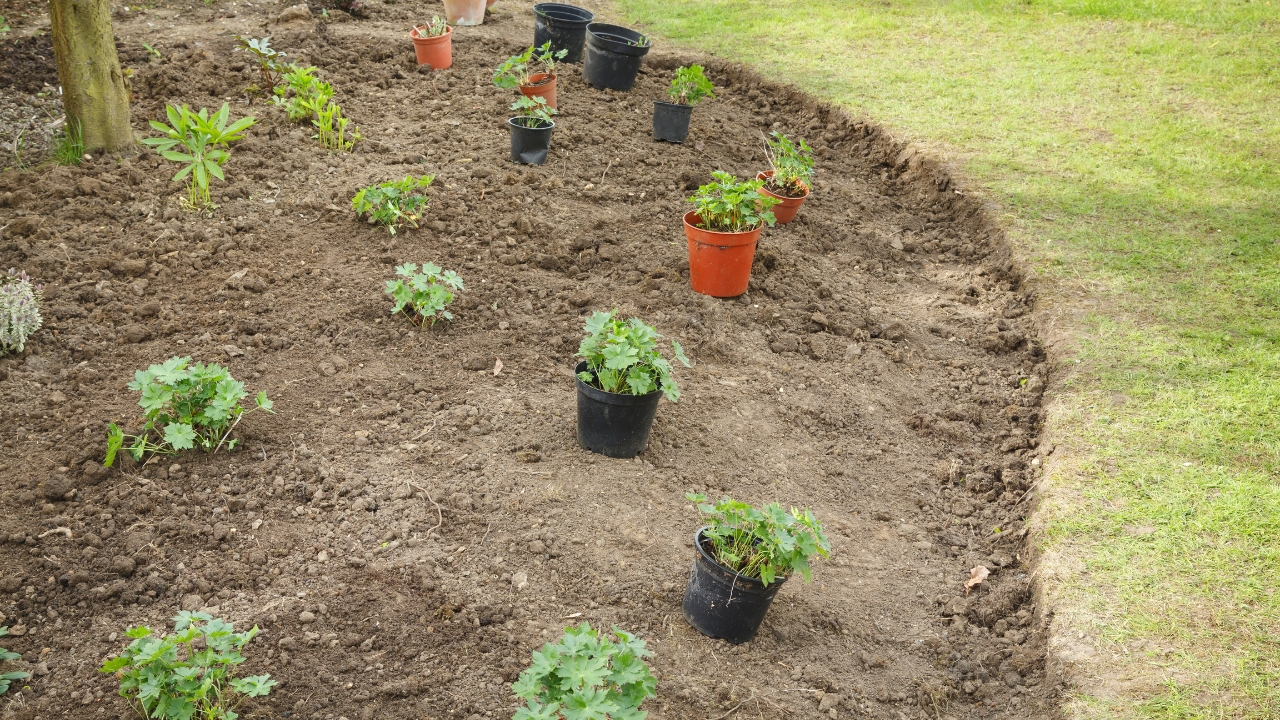
We used to cram too many plants into each bed, and it always looked messy by midsummer. Now we give everything room to grow from the start.
Proper spacing keeps things from looking overcrowded and gives each plant a chance to shine. It also cuts down on disease and makes weeding easier.
Use Weed Barrier Strategically
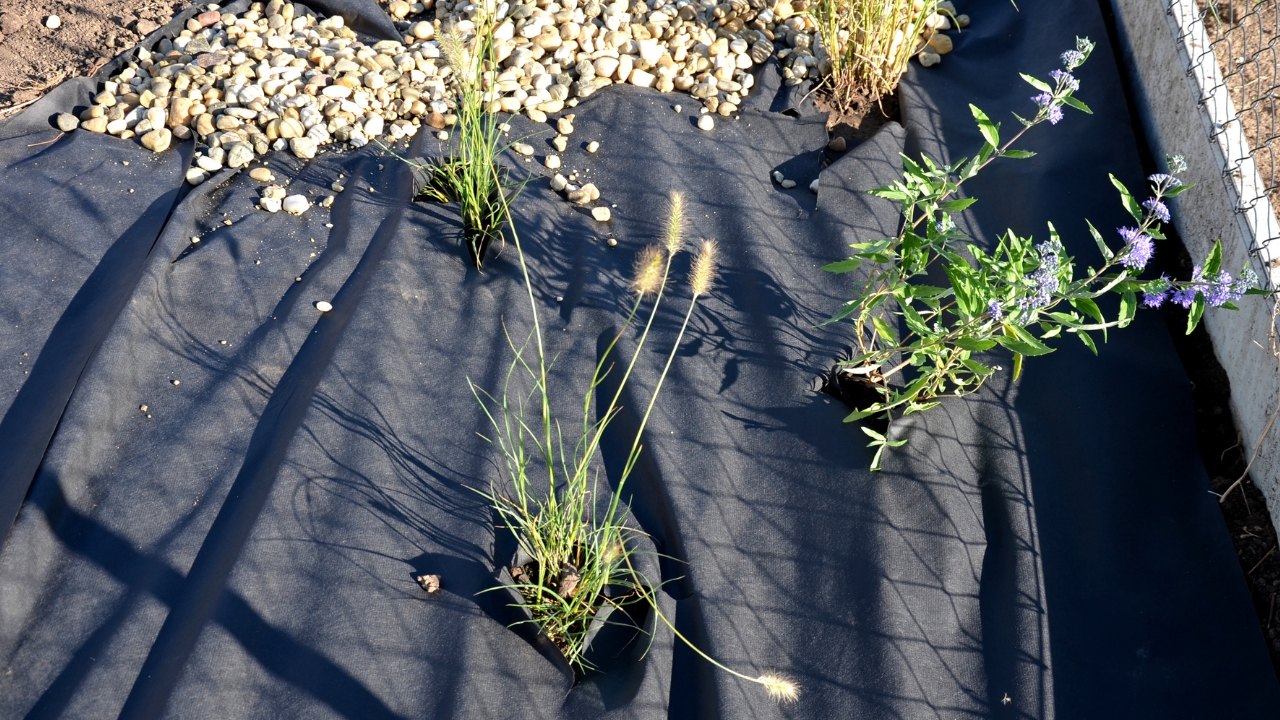
We don’t love using weed fabric everywhere, but in beds that aren’t heavily planted, it helps keep things tidy. Especially around shrubs or trees with open ground.
We lay it down before mulching, then cut holes for the plants. It won’t stop every weed, but it slows them down enough to stay ahead of the mess.
Choose Low-Maintenance Perennials
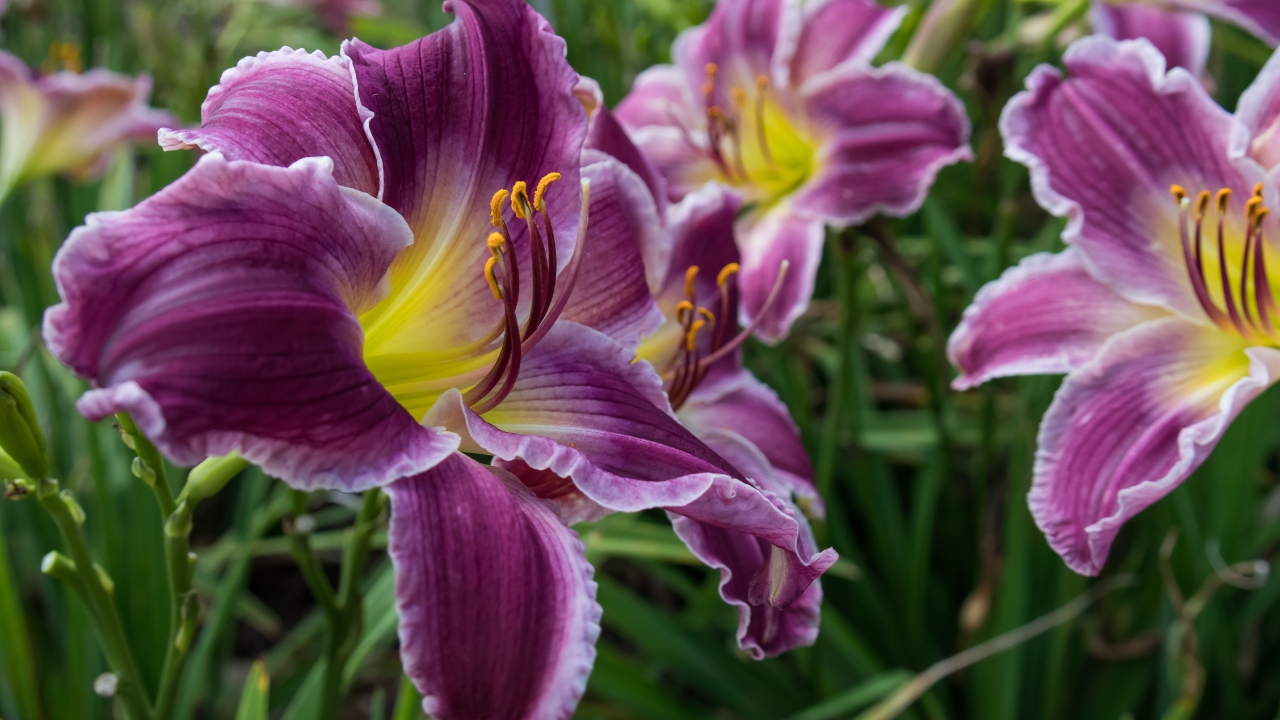
We’ve learned to be picky with what we plant. Some flowers look great for a week and then flop over or need constant deadheading.
We lean into tough perennials that hold their shape and don’t get unruly—things like daylilies, salvia, and black-eyed Susans. They look good with less upkeep, which helps the beds stay tidy without constant fussing.
Tuck in a Few Groundcovers

Bare spots attract weeds and make everything look unfinished. We started adding low-growing groundcovers like creeping thyme or ajuga in those problem areas.
They fill in fast, stay neat, and help crowd out weeds. It’s a good trick for keeping the beds full without piling in more high-maintenance flowers.
Clean Up Spent Blooms and Foliage
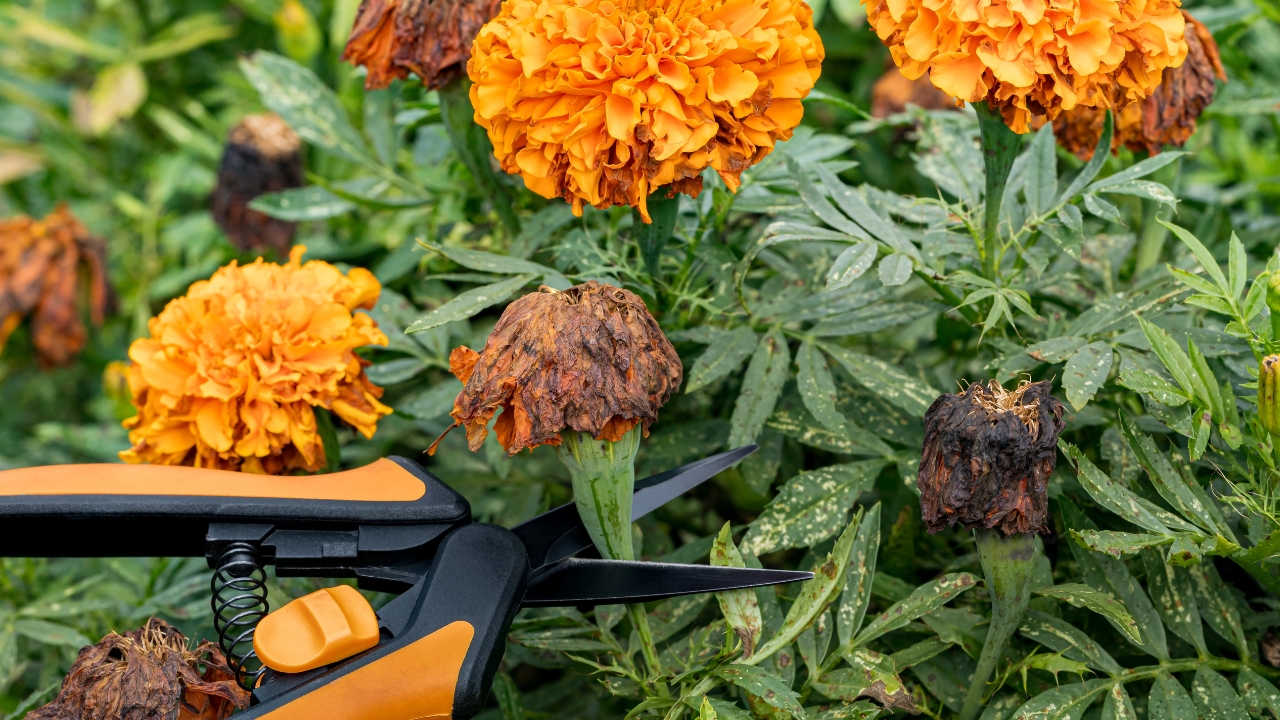
We try to walk the beds once a week to snip off dead flowers and clean up anything that’s flopping or turning brown. It’s a five-minute job that makes a big difference.
Deadheading not only keeps things looking better—it also encourages more blooms. Plus, staying ahead of the mess keeps it from becoming a bigger job later.
Keep Tools Close
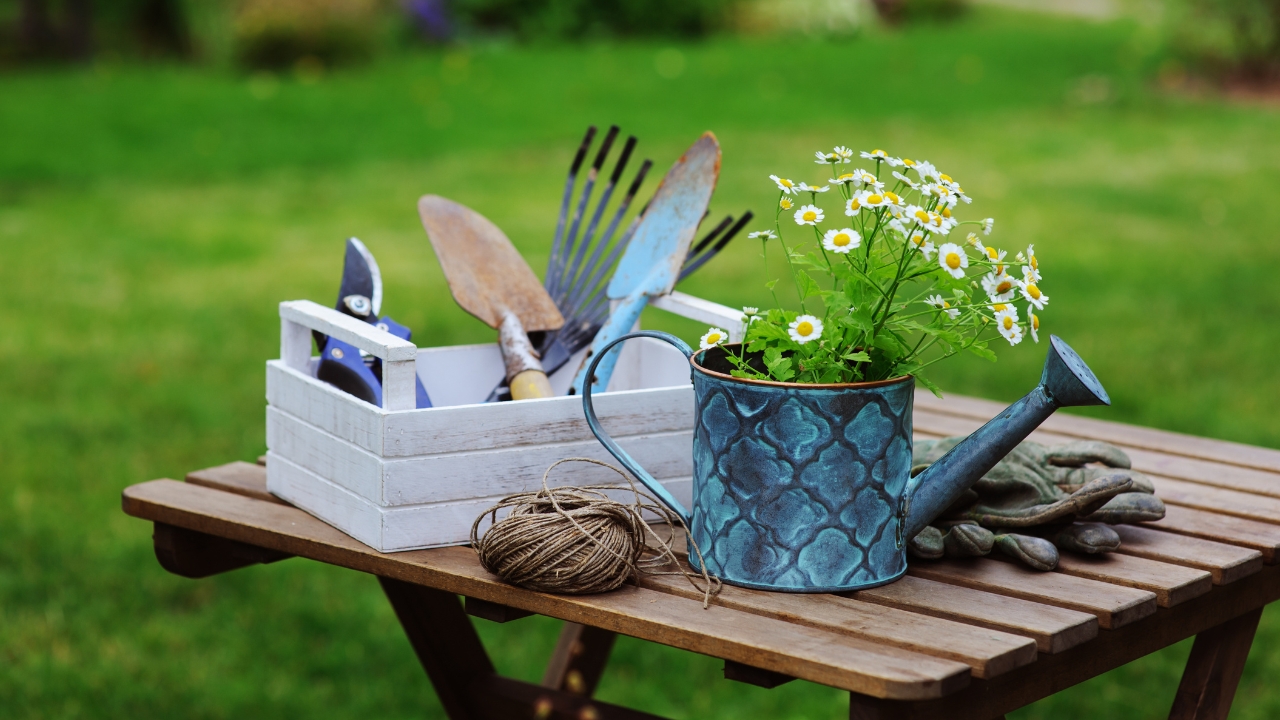
Having pruners, gloves, and a small hand rake nearby makes it easier to stay on top of maintenance. If we have to go digging in the garage, it usually doesn’t get done.
We keep a small tub or bucket stashed near the porch so we can tackle small jobs when we walk by. It turns “I’ll do it later” into “I’ll do it now.”
Don’t Overdo the Decorations
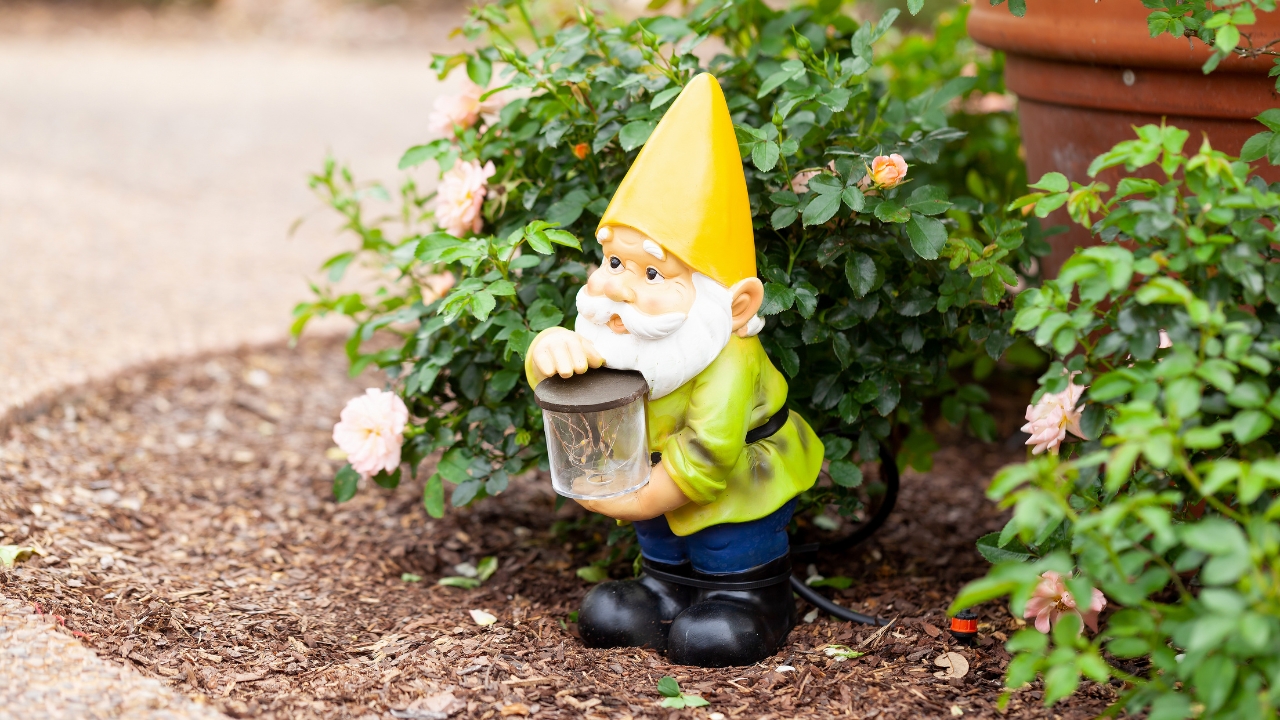
A few well-placed accents can be nice, but too many little statues or signs start to look cluttered. We’ve cut back on the extras and kept it simple.
Clean beds with healthy plants are the best statement piece. Now we stick to maybe one or two items per bed—like a birdbath or a single trellis—and skip the rest.
Refresh Once Each Season
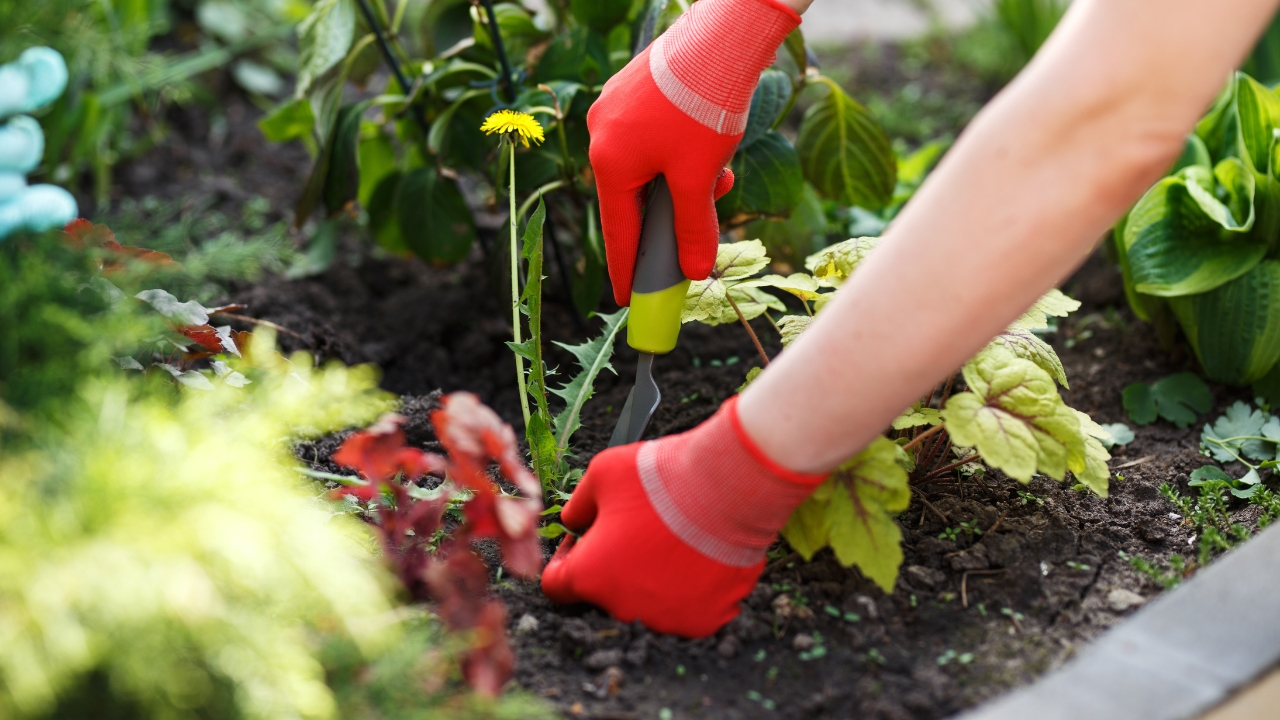
No matter how tidy your beds start out, they need a reset now and then. We plan one cleanup each season to pull weeds, fluff the mulch, and replace anything that’s not thriving.
It’s not about redoing everything—just tightening up the details. That once-a-season refresh keeps the whole yard looking clean without needing to babysit it every weekend.
Like Fix It Homestead’s content? Be sure to follow us.