Why “cosmetic flips” are getting flagged more often during insurance reviews
Photo credit: Yuliya Taba/istock.com
Insurers are scrutinizing quick, surface-level renovations more aggressively because the financial stakes around property risk have rarely been higher. When a home looks brand new but still hides old wiring, brittle plumbing, or a tired roof, the gap between appearance and actual risk can be costly for both you and your carrier. That gap is exactly why “cosmetic flips” are now more likely to be flagged during insurance reviews.
If you are buying, selling, or insuring a recently flipped property, you are operating in a market where climate pressure, construction inflation, and new fraud tools all converge on one question: does the work you see on the listing photos actually reduce risk, or just photograph well? Understanding how insurers answer that question will shape your premiums, your coverage options, and in some cases whether you can get a policy at all.
What insurers mean by a “cosmetic flip”
From an insurance perspective, a cosmetic flip is a property where most of the budget went into what you can see, not what can fail. Industry guidance describes Cosmetic projects as those focused on relatively small repairs and aesthetic upgrades, such as fresh paint, new cabinet fronts, or updated light fixtures, rather than the structural, electrical, or mechanical systems that drive loss severity. You might walk into a 1970s ranch that now sports quartz counters and matte-black faucets, yet still relies on original galvanized pipes and an aging panel box, which are exactly the components most likely to trigger a claim.
Insurers care less about whether a home looks dated and more about whether the systems behind the walls have been modernized. A full rehab that replaces roofing, rewires the house, and upgrades plumbing meaningfully changes the risk profile, while a purely cosmetic flip often leaves the underlying exposure untouched. When you apply for coverage on a property that has clearly been staged for resale but lacks documentation of deeper work, underwriters increasingly treat it as a red flag that the renovation may not align with the actual hazards they are being asked to insure.
Why the broader property insurance market is on edge
The heightened scrutiny of cosmetic flips is not happening in a vacuum, it is part of a property market where risk and cost are rising faster than traditional pricing models can comfortably handle. Analysts point to Rising Property and Casualty Insurance Premiums as climate change drives a greater frequency of catastrophic events, from hail and wind to wildfire and flooding, which means every mispriced home adds pressure to an already stressed pool of capital. At the same time, carriers are dealing with Inflation in Construction and Repairs, with material price volatility pushing up the cost of every claim they pay.
Strategists warn that this environment is creating a growing disconnect between the coverage carriers can provide and the protection customers and communities require, especially in regions hit repeatedly by severe weather. Property insurers are also tightening conditions around wind and hail, with Tighter Terms for Weather related risks that industry leader Troy Crawford of Westfield says are necessary for Insurers to keep premiums affordable while absorbing significant catastrophe losses. In that context, a flipped home that might be more vulnerable to wind, water, or freeze damage because the bones were never upgraded looks like an avoidable risk that underwriters are less willing to overlook.
Climate, aging homes, and why surface work is not enough
Climate pressure is forcing carriers to distinguish sharply between homes that are merely refreshed and those that are genuinely resilient. Advisors note that Climate Change and Insurance Premiums are now tightly linked, with Climate impacts pushing insurers to reward necessary repairs that reduce loss potential and to penalize properties that have not kept pace. Reports on winter damage show that Older Homes Are Being Flagged More Frequently because houses built decades ago often have aging insulation, older plumbing, and outdated heating systems that are more likely to fail in extreme cold.
When you buy a cosmetic flip in that category, you are effectively asking your insurer to treat an old house as if it were new, even if the pipes, roof, and insulation have not been brought up to modern standards. Market reviews note that Despite some rate moderation, carriers remain cautious about exposure to catastrophe prone properties, with High severity weather events still driving losses. That caution translates into more probing questions about whether a flip included upgraded windows, reinforced roofs, and modernized mechanicals, or whether the renovation stopped at the drywall.
Regulators, compliance pressure, and stricter underwriting
Regulators are also pushing insurers to tighten their oversight, which indirectly makes cosmetic-only renovations more suspect. Compliance experts describe how Why 2025 Is Breaking the Insurance Industry Compliance Playbook, with Insurers facing a regulatory wave that forces them to adjust business models in real time and document how they manage risk. In practice, that means underwriters must be able to show that they did not ignore obvious warning signs, such as a property that has been flipped quickly without permits or inspections that verify the quality of the work.
On top of that, oversight bodies are sharpening expectations around fraud detection and market conduct. Analysts highlight that Additionally, the NAIC provides model laws and regulations that states adopt to ensure market conduct and consumer protection, and non compliance can result in significant fines. When regulators expect carriers to prove they are not subsidizing risky behavior, a pattern of claims tied to cheaply renovated flips becomes a compliance issue, not just a pricing problem, which is why you see more applications for such homes routed to manual review or declined outright.
AI, automation, and the new “second look” at flipped homes
Technology is amplifying this shift by giving insurers tools to spot inconsistencies between a home’s glossy listing photos and its underlying risk. Industry consultants describe how Feb trend reports on The Rise of AI in Claims and Underwriting call it a Game Changer for Customer Experience, with Automation and AI enabling decisions in minutes rather than weeks. Those same tools can cross check renovation claims against permit databases, satellite imagery, and historical loss data, flagging properties where the story of a “fully updated” home does not match the records.
Fraud specialists note that AI tools analyze photos submitted by claimants, cross referencing them with historical damage reports and accident data to provide an immediate red flag for fraud. Long form research on new detection methods explains that But the use of advanced machine learning model and refined analytics can minimize this problem, a trend that Thi industry is aware of and striving to mitigate. For you, that means a flipped home with suspiciously uniform finishes, inconsistent timestamps on listing photos, or damage patterns that do not match the reported renovation history is more likely to be flagged automatically, even before a human underwriter reviews the file.
How shoddy workmanship shows up in claims data
Insurers are not just reacting to aesthetics, they are reacting to patterns of failure that show up after the sale. Consumer guidance on evaluating flips notes that Low quality flips often betray themselves through poor workmanship, with Uneven flooring, improperly installed fixtures, and visible cosmetic issues that should raise concerns. Contractor watchdogs add that Signs of shoddy workmanship include uneven surfaces, sloppy paint jobs, loose fixtures, or poor attention to detail, all of which hint that the same shortcuts may exist in hidden systems.
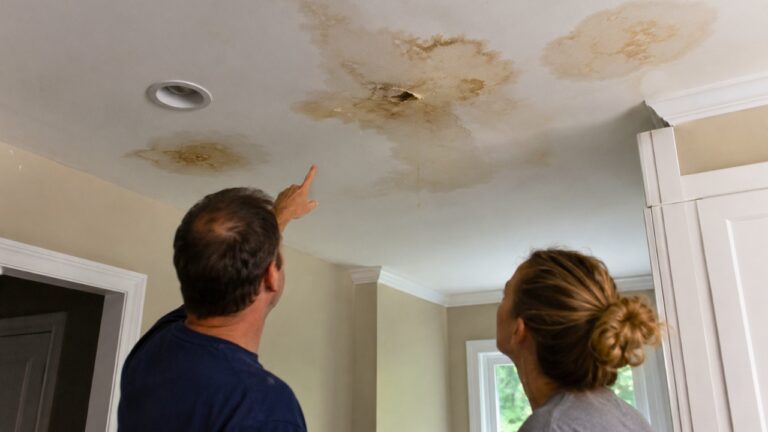
Homebuyer resources urge you to Check for obvious mistakes in the renovation During the showing, such as loose outlets, drafty gaps in doors and windows, or fixtures that do not work properly, because these are early warnings that the flip prioritized speed over durability. Real estate advice pieces point out that Fortunately, although some home sellers might try to cover water damage with a fresh coat of paint, careful inspection can reveal stains, warping, or mismatched finishes that suggest one area was patched while another, more serious problem was left alone. When those telltale signs correlate with higher claim rates, insurers respond by treating cosmetic flips as a distinct, higher risk category.
Adverse selection, moral hazard, and why flips worry actuaries
Behind the scenes, actuaries see cosmetic flips through the lens of asymmetric information, where you and the seller know more about the property’s true condition than the insurer does. Economic teaching materials explain that if individuals with pre existing health conditions are more likely to seek insurance, the pool becomes riskier and carriers may raise premiums to cover the costs, a classic case of adverse selection. The same logic applies when properties with hidden defects are more likely to be flipped quickly and then insured as if they were fully renovated, concentrating risk among homes that look safe on paper but are more likely to generate claims.
There is also a moral hazard angle when investors assume that if something fails after the sale, the buyer’s insurer will pick up the tab. That mindset can encourage minimal compliance with building codes and a focus on finishes that help the property appraise higher, rather than upgrades that reduce long term risk. As insurers recognize these incentives, they respond by demanding more documentation, limiting certain coverages on recently flipped homes, or pricing policies to reflect the possibility that the renovation was designed to shift risk rather than eliminate it.
Why insurers treat “cosmetic” risk differently, from teeth to houses
One way to understand the shift is to look at how carriers already handle cosmetic versus functional risk in other lines of coverage. Dental plans, for example, often pay for diagnostic and preventative services that have some cosmetic benefit by spotting underlying issues before they become serious, but as one practice notes, These diagnostic and preventative services have some risk reducing value, while But insurance doesn’t cover strictly aesthetic treatments. The principle is simple: insurers are willing to subsidize work that prevents bigger losses, not procedures that only improve appearance.
Property underwriters are now applying the same logic to home renovations. A new roof, upgraded electrical system, or modern plumbing is like preventative dentistry, it reduces the chance of a costly claim. By contrast, a flip that focuses on countertops and paint without touching the systems that fail in storms, freezes, or fires is closer to elective whitening, it might help resale value but does not change the underlying risk. As that distinction becomes more explicit in underwriting guidelines, you should expect more questions about which parts of a flip were structural and which were purely cosmetic.
How you can protect yourself when buying or insuring a flipped home
If you are considering a flipped property, you need to think like an underwriter before you ever call an agent. Start by asking for permits, contractor invoices, and inspection reports that show whether the renovation went beyond surface level work, especially in older homes that might otherwise be flagged as higher risk. Consumer advocates warn that some sellers rely on staging tricks and fresh paint to distract from underlying problems, but Fortunately careful buyers can spot mismatched finishes, inconsistent flooring transitions, or rooms that look oddly untouched, all of which suggest that one area received attention while another did not.
On the insurance side, you should be prepared for more detailed questionnaires and possibly inspections before a policy is issued. Some specialty brokers caution flippers not to delay coverage, noting in their guidance that marketing materials like Aug promotions that say See How We are Different and invite you to GET STARTED NOW or call 888 412 7630 are responding to a real need for specialized coverage during renovation, not just after the sale. By engaging your insurer early, documenting the scope of work, and prioritizing risk reducing upgrades, you can avoid having your flip lumped in with the purely cosmetic projects that are now drawing the most scrutiny.