The “beef price lag” that explains why your cart doesn’t get cheaper right away
Photo credit: 97/istock.com
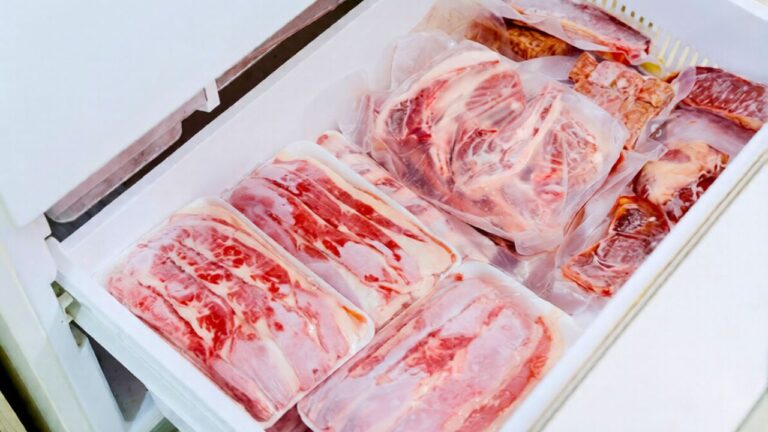
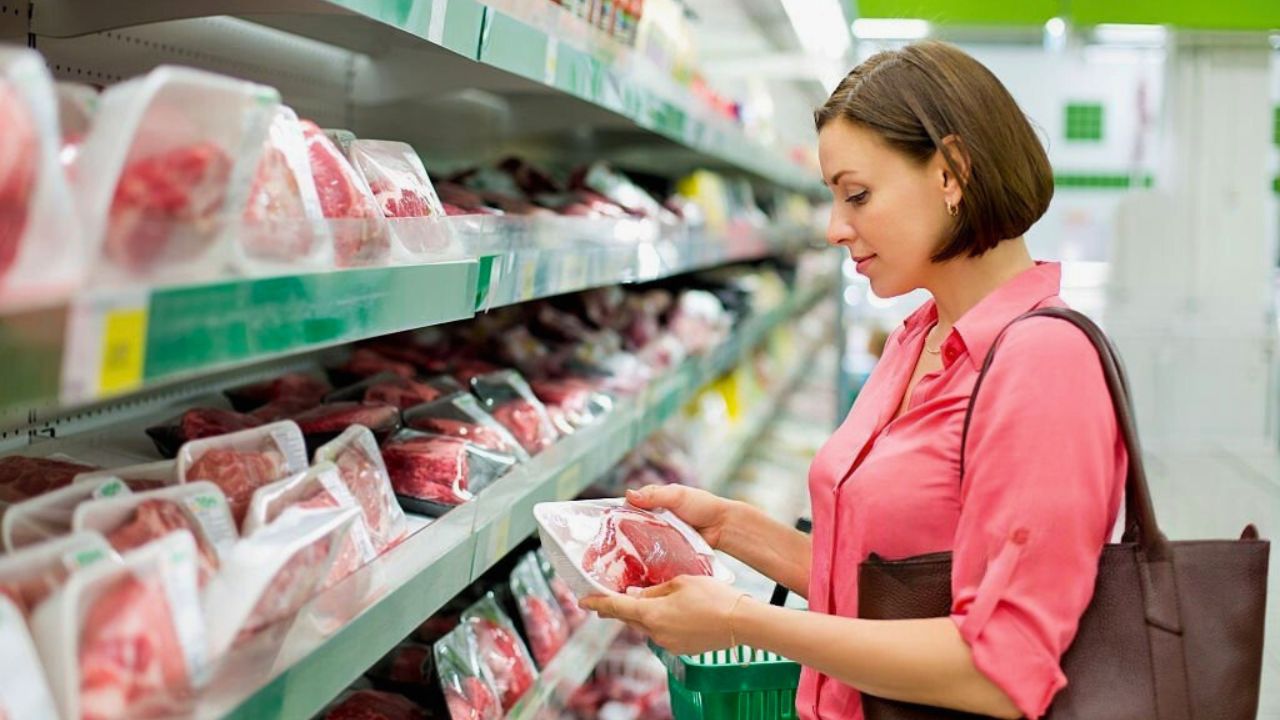
When beef finally starts to get cheaper for ranchers and wholesalers, you expect your grocery bill to follow almost instantly. Instead, your ribeye and ground chuck often stay stubbornly high, even as headlines hint at relief. That gap in timing, the “beef price lag,” is baked into how cattle are raised, processed, and priced long before you push a cart down the meat aisle.
Understanding that lag helps you read the meat case more like a market report than a mystery. Once you see how cattle cycles, packer margins, and retail strategies interact, you can better judge when a sale is a real bargain, when it is just marketing gloss, and why your cart does not get cheaper the moment upstream prices blink lower.
Why your steak price ignores good news for months
You feel the sting of high beef prices at the checkout, but the first signs of change show up far earlier in the chain, in cattle auctions and wholesale markets. Even when those upstream prices start to soften, retailers are slow to pass savings along, because they are still working through older, higher cost inventory and contracts that locked in expensive beef. That is the core of the lag: your store is pricing meat based on what it cost to secure and ship weeks or months ago, not on what cattle are trading for today.
Industry voices say the traditional link between what ranchers receive and what you pay has frayed. R‑CALF USA chief executive officer Bill Bullard has argued that the once close relationship between beef prices and cattle prices has been “severed,” which helps explain why you can see cattle markets cool while retail prices barely budge. For you, that means the first wave of relief is almost invisible, buried in packer and retailer margins, and only later shows up as a few cents off per pound.
The long cattle cycle that keeps prices sticky
Beef is not like lettuce or even chicken, where supply can adjust quickly when demand or costs change. You are buying the end of a production cycle that can stretch close to a decade, which makes the whole system slow to respond. When drought, high feed costs, or low profits push ranchers to shrink their herds, the result is fewer calves, less beef, and higher prices for years, not months, even if conditions improve later.
Government analysts describe how Cattle numbers, cattle prices, and beef production tend to move in a roughly 10‑year cycle, far longer than the quick turnarounds possible for hogs or chickens. That slow rhythm means even if demand cools or feed gets cheaper, ranchers cannot conjure extra finished cattle in a few weeks. For you, the practical effect is that price spikes caused by tight supplies unwind slowly, and the lag between better conditions on the ranch and lower prices in your cart can stretch across several grilling seasons.
Rebuilding herds is a multi‑year project, not a quick fix
When prices soar, you might assume ranchers can simply raise more cattle and flood the market, pushing your costs down. In reality, rebuilding the national herd is a multi‑year commitment that starts with decisions about whether to keep a heifer for breeding or send her to feed. That choice delays beef production from that animal for years, even as it lays the groundwork for more calves later, so the supply response to high prices is deliberately slow and cautious.
Analysts note that Rebuilding the cattle herd takes a long time, and recent years have forced ranchers into “painful decisions” about culling cows or exiting the business altogether. Even when conditions finally improve enough to justify expansion, it takes multiple calving seasons before those choices translate into more boxed beef for your supermarket. That lag on the supply side is one reason your burger stays expensive long after ranchers start betting on a bigger herd.
How packers and retailers stretch the lag
Between the pasture and your plate, beef passes through packers, processors, and distributors that each add costs and make pricing calls. These companies do not instantly reprice meat every time cattle futures move; they work off existing contracts, plant schedules, and marketing plans. When wholesale prices fall, they may widen their margins for a while instead of immediately trimming what you pay, especially if shoppers have already shown they will tolerate higher price points.
Research on the sector describes the cattle and beef market as a complex system where Price is determined by supply, demand, and bargaining power across multiple segments. That structure gives large packers and big-box retailers room to smooth out volatility, which can protect you from sudden spikes but also delays the benefit of downturns. In practice, the lag becomes a kind of buffer that absorbs early price relief at the processor level before any of it shows up on the shelf.
Why retail prices fall slower than cattle and wholesale prices
Even when cattle and wholesale beef values finally start to decline, the sticker on your favorite cut often barely moves at first. Retailers are juggling more than raw commodity costs: labor, energy, packaging, and rent all feed into the final price. If those other expenses are rising, your store may hold beef prices steady or cut them only modestly, even as the underlying meat gets cheaper.
Bill Bullard has said that If the price of cattle goes down and the wholesale price of beef goes down, retail prices will eventually follow, but he stresses that you are “not seeing immediate relief.” Historical work from federal economists backs that up, noting that Livestock and meat prices vary more in the short run than the costs of processing and marketing. That imbalance means retailers often use falling wholesale prices to rebuild margins that were squeezed during spikes, slowing the pass‑through to your cart.
What the pandemic taught you about beef bottlenecks
The pandemic offered a crash course in how fragile the beef pipeline can be once it leaves the ranch. You saw empty shelves and purchase limits even when cattle were still available, because the chokepoint was inside processing plants and distribution networks. Those disruptions showed that retail prices can soar or stay elevated for reasons that have little to do with how many animals are on pasture at any given moment.
Academic work on that period notes that retail beef prices diverged from upstream markets as packers struggled with labor shortages and plant slowdowns, even as consumer demand for at‑home cooking surged. Those bottlenecks amplified the lag between changes in cattle prices and what you paid at the store, and they left a legacy of higher operating costs and risk premiums that still shape how aggressively retailers discount beef today.
Record prices, holiday demand, and your shrinking beef budget
For many households, beef has shifted from a weekly staple to an occasional splurge, especially around holidays. You might save steak for birthdays or a big Sunday dinner, leaning more on chicken or pork for everyday meals. That change in behavior is not just anecdotal; it reflects how sustained high prices have forced you to triage your protein budget.
In one snapshot from the holiday season, a California visitor named Michael Imperioli summed it up bluntly, saying “Beef, it is just for special occasion right now,” and insisting it had to be a “very, very special occasion” to justify the cost. At the same time, local experts pointed out that cattle and beef prices were peaking as holiday demand collided with tight supplies, even as 20 states chose that moment to sue the Trump administration over unrelated policy issues. For you, the takeaway is that seasonal surges can mask early signs of relief, stretching the lag even further.
Why tight supplies are so hard to unwind
Even as you hear that inflation is cooling in some parts of the economy, beef remains a standout for stubbornly high prices. A big reason is that the industry is working through one of the smallest cattle herds in decades, the result of years of drought and high feed costs that pushed ranchers to sell off animals. That structural shortage keeps wholesale prices elevated and limits how far retailers are willing to cut.
Market coverage has highlighted that A major driver of the rising price of beef is a record low cattle supply, with the start of 2025 marked by the smallest herd in years and ranchers still needing expensive feed. Economists also stress that The capacity for a production response in the cattle cycle is delayed, so even strong price signals cannot quickly reverse earlier herd reductions. For you, that means the lag is not just about retailer behavior; it is baked into the biology and economics of how cattle are raised.
Demand resilience: why you keep buying beef anyway
One reason the lag persists is that you and other shoppers have not abandoned beef, even as prices climbed. You might trade down from ribeye to chuck roast or buy smaller portions, but you still put beef in the cart because it holds a special place in your cooking and culture. That steady demand gives retailers little incentive to slash prices the moment their own costs ease.
Food economists point out that Despite higher retail prices, consumers continue to value beef strongly in their diets, and that when you put constrained supply together with loyal demand, it is hard for prices to move downward. Specialists in the beef chain add that the answer to What is causing our precious hamburger to cost more is “complicated,” as Jayson Lusk, head of the Agr economics department at a major university, and Clint Walenciak explain. For you, the message is that as long as you keep reaching for beef, retailers can afford to let the lag run longer before they feel pressure to discount.
How you can shop smarter around the lag
You cannot change the cattle cycle or force packers to move faster, but you can time your purchases and choices to blunt the impact of the lag. Watching for genuine price breaks on less glamorous cuts, like chuck, round, or sirloin tip, often gives you better value than waiting for a dramatic drop on ribeye that may never come. Grinding your own burger from roasts when they are on sale can also help you sidestep some of the pricing games in pre‑formed patties.
Market analysts note that Cattle life cycles also make it difficult for the industry to adjust supply quickly, and that ground beef in particular is influenced by multiple sources, from fed cattle to cull cows, which complicates supply adjustments even further. That complexity means ground beef prices can sometimes soften earlier than premium steaks, giving you an opening to keep burgers on the menu while you wait for other cuts to catch up. By paying attention to how different products move, you can work around the lag instead of being trapped by it.
Like Fix It Homestead’s content? Be sure to follow us.
Here’s more from us:
- I made Joanna Gaines’s Friendsgiving casserole and here is what I would keep
- Pump Shotguns That Jam the Moment You Actually Need Them
- The First 5 Things Guests Notice About Your Living Room at Christmas
- What Caliber Works Best for Groundhogs, Armadillos, and Other Digging Pests?
- Rifles worth keeping by the back door on any rural property
*This article was developed with AI-powered tools and has been carefully reviewed by our editors.