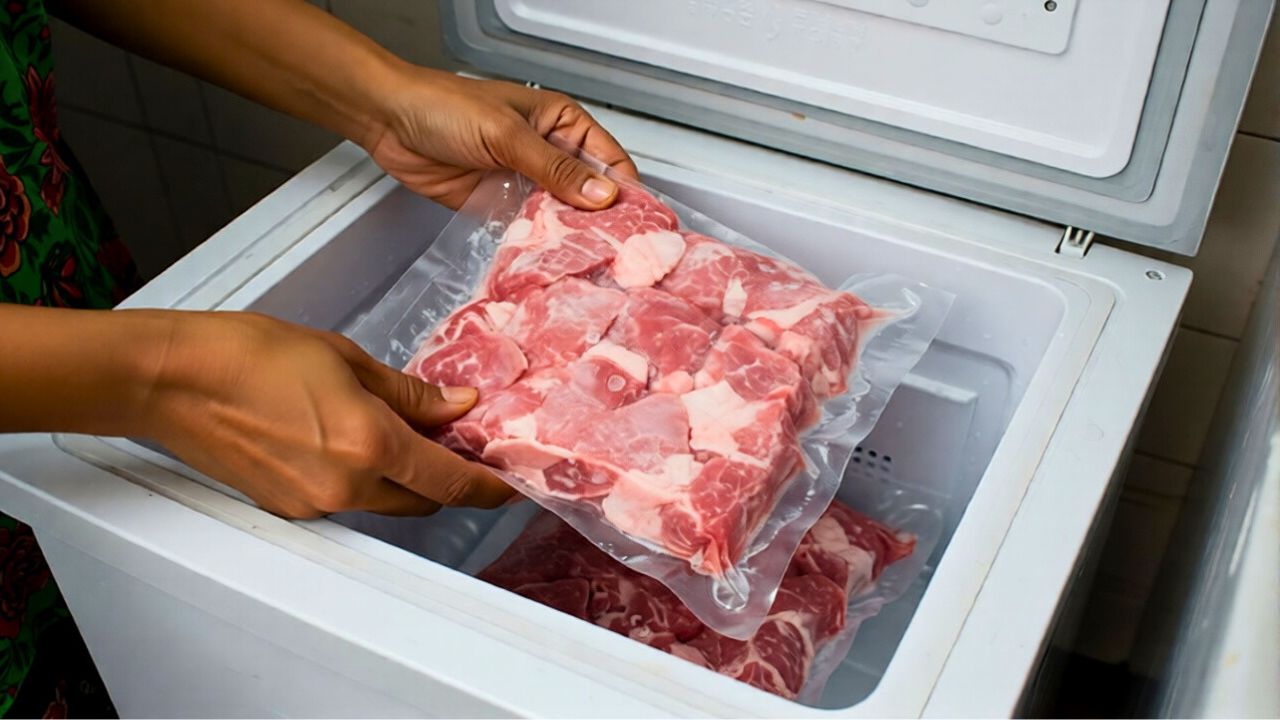
Freezer inventory mistakes that waste money when meat prices are high
Photo credit: Magician Artist/Shutterstock.com
When meat prices climb, your freezer stops being a convenience and becomes a serious financial tool. Every overlooked steak, mystery package, or thaw-and-refreeze mishap quietly drains money you already spent. By tightening up how you track, store, and rotate what is in that deep, cold drawer, you protect both your budget and the quality of the meals you serve.
The biggest leaks are not dramatic power outages or broken appliances, they are small, repeatable inventory mistakes that add up over months. If you treat your freezer like a well run pantry instead of a black hole for “deal” meat, you can stretch every dollar you put into chops, roasts, and ground beef, even when prices are stubbornly high.
1. Treating the freezer like a black hole instead of an investment
You probably think of the freezer as a safety net, a place where meat can sit indefinitely until you are ready for it. In reality, every package you slide onto a shelf is a cash investment that can lose value if you forget what is there or how long it has been stored. When you toss discounted chicken thighs or a bulk pack of ground beef into the back without a plan, you are effectively parking money in an account you never check, which is how you end up throwing out food you once bought to “save” money.
Food waste experts point out that the first step in cutting losses is to Invest in proper storage and to Start with a grocery list & a plan instead of impulse buying. When you treat meat as a line item in your budget rather than a vague “stock up” opportunity, you naturally buy what fits your weekly meals and your freezer capacity. That mindset shift, from bottomless cold storage to finite, valuable inventory, is what keeps you from losing track of expensive cuts and repeating the same wasteful cycle every few months.
2. Ignoring temperature control and assuming “frozen is frozen”
One of the most expensive misconceptions is that any temperature below freezing is good enough. Meat quality and safety depend on how cold your freezer actually stays, not just whether there is frost on the walls. If the temperature drifts too warm, ice crystals grow larger, texture breaks down, and the risk of spoilage rises, especially when you are storing meat for more than a few weeks. That means your “bargain” ribeye can come out dry, mealy, or even unsafe, forcing you to toss it.
Guidance on Optimal Freezer Temperature for Meat Storage stresses that for home use, maintaining a consistent setting cold enough to meet the USDA guidance is essential to protect everything in your freezer. The Recommended Freezer Temperature is not a suggestion, it is a baseline for keeping meat safe over the long term. Using a standalone thermometer or a smart sensor to verify that your appliance actually holds that temperature, instead of trusting the dial, is a small step that prevents large losses.
3. Letting freezer burn quietly destroy expensive cuts
Freezer burn is one of those problems you only notice when you pull a package out and see gray, dry patches on what used to be a beautiful cut. Those spots are not just cosmetic, they signal that air has reached the surface and pulled out moisture, which translates into tough, off flavored meat on the plate. When you are paying premium prices for steaks, roasts, or specialty sausages, letting them sit unprotected until freezer burn sets in is like leaving cash out in the rain.
Specialists in cold storage warn that Freezer burn can seriously impact both the taste and texture of meat, even when it is still technically safe to eat. They emphasize that it is about respecting your investment and making the most of it, since proper wrapping and air removal significantly reduce the risk to your meat’s quality. When you see freezer burn as a preventable form of waste rather than an inevitable side effect of freezing, you are more likely to double wrap valuable cuts, press out air from bags, and avoid leaving meat in flimsy store packaging.
4. Using the wrong packaging and skipping a second layer
Even if you buy the best meat in the case, tossing it into the freezer in thin supermarket wrap is a fast track to disappointment. Those packages are designed for short term display, not months of rock solid storage. Air seeps in through tiny gaps, moisture escapes, and you end up with dry edges or off flavors long before you planned to cook the meat. When prices are high, that kind of slow damage is the difference between a celebratory roast and a tough, forgettable dinner.
Butchers who see the results of poor packaging every day point out that Freezing Meat, Common Practice With a Common Mistake, often comes down to relying on the original wrap instead of transferring meat into a freezer safe container or heavy duty bag. They recommend treating the first layer as a starting point, then adding a second barrier like foil, butcher paper, or a vacuum sealed bag to keep air out. When you take a few extra minutes to repackage meat properly before it goes into deep storage, you extend its usable life and protect the flavor you paid for.
5. Skipping labels and dates so meat turns into “mystery packages”
One of the fastest ways to waste money is to let your freezer fill with unmarked bundles that all look the same once they are frosted over. Without labels, you cannot tell ground beef from ground pork at a glance, and you definitely cannot remember whether that roast went in last month or last year. The result is predictable: you either throw out anything that looks too old, or you keep pushing it aside in favor of newer, clearly identified packages, which eventually leads to more waste.
Simple organization habits can stop that cycle. Advice on freezer management starts with a basic rule: Here, Label everything that goes into your freezer with the contents and the date. A roll of masking tape and a permanent marker are enough to turn a chaotic drawer into a readable inventory. When you can see at a glance that you have two packs of chicken thighs from earlier this month and a pork shoulder from last week, you are far more likely to build meals around what you already own instead of buying more meat you do not need.
6. Forgetting to rotate stock and use a “first in, first out” rule
Even if you label perfectly, you still lose money if you always grab whatever is on top. Meat does not improve with age in the freezer, and older packages slowly lose quality even at ideal temperatures. When you ignore rotation, you end up cooking the freshest purchases first while older, equally expensive cuts drift to the back and eventually become too frostbitten or questionable to use. That is not just wasteful, it is the opposite of how any smart pantry or restaurant kitchen operates.
Food waste guidance that urges you to Jump into better habits also highlights why you should care about food waste in the first place. Adopting a simple first in, first out system, where you move older meat to the front and place new purchases behind, mirrors how professional kitchens protect their margins. You can reinforce that habit by keeping a running list on your fridge or in an app, crossing items off as you use them, and planning at least one weekly meal around the oldest meat in your freezer so nothing quietly ages out of usefulness.
7. Overstuffing or underfilling the freezer so it runs inefficiently
Freezer inventory mistakes are not just about what you buy, they are also about how full you let the appliance get. When you cram every inch with meat, air cannot circulate properly, which can create warmer pockets and uneven freezing. That inconsistency can leave some packages partially thawed at the edges or slow to freeze in the center, which affects both safety and texture. On the other hand, running a nearly empty freezer means it has to work harder to maintain temperature every time you open the door, which wastes energy and money.
Experts who focus on keeping expensive meat safe point out that Proper storage is about more than just wrapping, it also involves maintaining stable conditions inside the unit. A reasonably full freezer, organized so that cold air can move around packages, holds temperature better during brief door openings and power blips. Using bins or baskets to group similar items, like ground meat or poultry, helps you avoid digging around and leaving the door open longer than necessary, which further protects the quality of everything inside.
8. Freezing meat without a meal plan or portion strategy
Buying meat in bulk can be smart when prices spike, but only if you break it down into portions that match how you actually cook. Tossing a five pound family pack of chicken breasts into the freezer as one solid block might feel efficient in the moment, yet it forces you to thaw the entire thing later even if you only need enough for two people. That leads to partial refreezing, rushed cooking to “use it up,” or outright waste when you cannot get through it all in time.
Guides on cutting food waste emphasize that you should Start with a plan before food ever hits your cart. For meat, that means deciding in advance how many meals you want from each purchase and packaging accordingly, whether that is two chicken breasts per bag, one pound of ground beef per container, or individual steaks wrapped separately. When you freeze in meal sized portions, you only thaw what you need, which protects both quality and your schedule, and you are less tempted to overcook or overeat just to avoid throwing food away.
9. Failing to audit your freezer regularly and adjust your habits
Even with good intentions, your freezer inventory can drift off course if you never stop to review what is actually happening inside. A quick monthly audit, where you pull everything out, check labels, and group similar items, reveals patterns you might miss in day to day cooking. You may discover that you consistently avoid certain cuts, that you have far more ground meat than you ever use, or that some packages are approaching the outer limits of how long you are comfortable keeping them. Each of those findings is a chance to adjust your buying and cooking habits before more money goes to waste.
Temperature and storage specialists like Mar and food waste advocates who explain Why You Should Care About Food Waste both circle the same point, which is that small, consistent habits protect your budget over time. When you treat your freezer like a living system instead of a static box, checking temperatures, reorganizing shelves, and updating your shopping list based on what you already have, you turn it into a tool that works for you. That discipline is what keeps high meat prices from dictating your meals and your monthly spending.
Like Fix It Homestead’s content? Be sure to follow us.
Here’s more from us:
- I made Joanna Gaines’s Friendsgiving casserole and here is what I would keep
- Pump Shotguns That Jam the Moment You Actually Need Them
- The First 5 Things Guests Notice About Your Living Room at Christmas
- What Caliber Works Best for Groundhogs, Armadillos, and Other Digging Pests?
- Rifles worth keeping by the back door on any rural property
*This article was developed with AI-powered tools and has been carefully reviewed by our editors.