The home-safety red flag inspectors keep noticing, DIY electrical “fixes” that aren’t really fixes
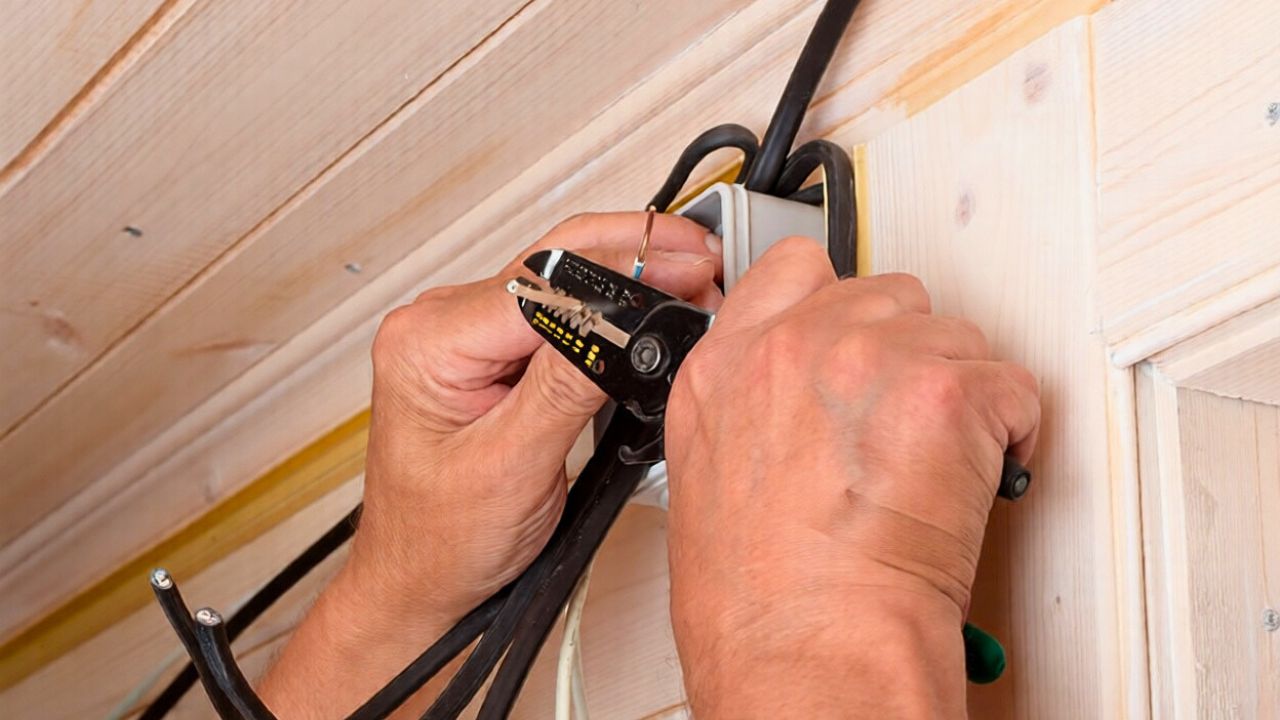
Photo credit: Vladimir soldatov/istock.com
Home inspectors keep circling the same problem in their reports: improvised electrical work that looks clever at first glance but quietly raises the risk of fire, shock, and failed inspections. What feels like a quick DIY “fix” often turns into a bright red flag that spooks buyers, frustrates insurers, and leaves you paying twice to have the job done correctly. If you want a safer home and a smoother sale, you need to know which shortcuts professionals spot instantly and why they are not really fixes at all.
The red flag inspectors talk about first: DIY wiring everywhere
When an inspector walks into a house and sees mismatched outlets, odd switch behavior, or a patchwork of cable types, the first conclusion is usually the same: someone has been experimenting with the electrical system. One of the most common DIY red flags that home inspectors encounter is faulty electrical work that was never permitted or inspected, and that pattern alone can push a cautious buyer to walk away from the purchase altogether. As one inspection guide notes, One of the the biggest issues is that these projects hide behind fresh paint or new fixtures, so the only clue is that something about the installation simply does not look like a licensed electrician’s work.
Inspectors also know that visible tinkering is usually just the tip of the iceberg. If you or a previous owner have a history of trial‑and‑error repairs, that suggests there may be junction boxes buried in walls, overloaded circuits, or splices wrapped in tape instead of proper connectors. Professional guidance on when to call an electrician explicitly warns that if Your Home Has a History of DIY Electrical Repairs, it becomes harder to troubleshoot safely because every undocumented change adds another unknown. For an inspector, that uncertainty is itself a safety concern, which is why improvised wiring is often the first and loudest red flag in the report.
Why “it works” is not the same as “it is safe”
From a homeowner’s perspective, it is easy to equate a light turning on or an outlet powering a laptop with success. Inspectors and electricians see something very different: a system that might function today while quietly violating basic safety rules. Professional checklists start with simple questions like whether switches and outlets are working properly and whether any are warm to the touch, because those clues can reveal deeper problems that are not obvious to you. A DIY Electrical Safety Checklist that asks, “Are your light switches and outlets working properly?” and “Are switches/outlets warm to the touch?” is not about convenience, it is about catching early signs of overheating, loose connections, or failing insulation before they ignite.
Home inspectors often uncover hidden electrical issues that fail to meet code even though the lights still come on and the breakers have not tripped yet. Guidance aimed at homeowners stresses that inspectors routinely find wiring that is not properly grounded, panels that are not code‑compliant, and circuits that are not functioning efficiently, all of which can cost you time and money to correct after the fact. One advisory explains that Home inspectors often uncover hidden electrical issues that fail to meet code, and those findings can derail a sale or force you into last‑minute negotiations. In other words, “it works” is the lowest possible bar, and inspectors are paid to look far beyond it.
The code violations hiding inside “simple” fixes
Many of the most common electrical code violations start with good intentions and a trip to the hardware store. Swapping an outlet, adding a light, or extending a circuit can feel straightforward, but the National Electrical Code is built around details that are easy to miss if you are not working with it every day. One professional overview of Common Code Violations You Might Not Know About notes that some of the most frequent problems stem from DIY fixes or outdated installations, such as replacing a two‑prong outlet with a grounded GFCI without actually providing a ground, or mixing wire sizes on the same circuit. To an inspector, those details are not technicalities, they are direct indicators of shock and fire risk.
Incorrect outlet and switch wiring is another recurring theme. When the “hot” and “neutral” conductors are reversed, a lamp or appliance may appear to work normally while leaving energized parts exposed in ways you cannot see. One inspection guide lists Incorrect Outlet and Switch Wiring and Reversed Polarity as clear reasons an electrical inspection will fail, right alongside missing or damaged cover plates. When an inspector finds those issues in one room, the assumption is that similar shortcuts may be scattered throughout the house, which is why even a “small” code violation can trigger a much deeper review.
The illegal extras inspectors keep flagging
Some of the most eye‑catching DIY projects are also the ones that make inspectors wince. Hidden junctions, improvised lighting, and plug‑in solutions that were never designed for permanent use all fall into a category of illegal add‑ons that look like upgrades but actually sidestep basic safety rules. A widely shared list of Illegal Electrical Extras Inspectors Say Homeowners Keep Trying to Install, a Story by Maggie Rhee, highlights “Wire Splices Hidden” in walls as a prime example. When you bury a splice behind drywall instead of using an accessible junction box, you are not just breaking a rule, you are making it nearly impossible to inspect or repair that connection safely later.
Inspectors also see a steady stream of unapproved devices added to panels or circuits that were never designed to handle them. That can include plug‑in heaters on already loaded bedroom circuits, DIY car‑charging setups using standard receptacles, or under‑cabinet lighting powered by daisy‑chained extension cords. Each of these “extras” may seem minor in isolation, but together they can push wiring beyond its rated capacity and defeat built‑in protections. When an inspector notes that a home is full of such improvisations, it signals a pattern of ignoring manufacturer instructions and code requirements, which is exactly the kind of pattern that makes buyers and insurers nervous.
Outdated panels and tired wiring that DIY cannot rescue
Even if every connection is technically correct, some electrical systems are simply too old for how you live today. Dated electrical panels and aging branch circuits are a recurring item on inspection reports, especially in homes that have added modern loads like induction ranges, hot tubs, or multiple gaming PCs without upgrading the service. Real estate guidance points out that Dated Electrical Panels Home inspectors will scrutinize can cost around $2,400 to replace, and that price tag often surprises sellers who assumed their panel was “fine” because the breakers had not tripped often.
Old wiring brings its own set of warning signs. Frequent breaker trips, lights that dim when a window air conditioner kicks on, or outlets that feel warm are all clues that your system is straining. One detailed guide to Signs Your Home Wiring Is Outdated lists “5 Signs Your Home’s Wiring Is Outdated” and “1 5 Warning Signs Your Electrical Wiring Needs an Upgrade,” including “1.1” Sign #1: frequent circuit breaker trips and warm or discolored outlets and switches. Those warm or discolored devices are described as serious warning signs of failing insulation inside the walls, which no amount of DIY tinkering can safely fix. At that point, an inspector is not looking for a clever workaround, they are looking for a licensed electrician and a plan to modernize the system.
Visual and audible clues inspectors never ignore
Long before anyone opens a panel, your home may already be broadcasting distress signals. Scorch marks around outlets, buzzing switches, and flickering lights are all symptoms that inspectors treat as urgent, even if you have learned to live with them. One safety advisory on electrical red flags lists “Scorch Marks or Burns” and “Loose Receptacles” among the five warning signs you should never ignore, explaining that discoloration or charring around a device often points to overheating or arcing at the connection. When an inspector sees those Aug style scorch patterns, they know there is more going on than cosmetic wear.
Lighting behavior tells its own story. Guidance on the Top Signs Your Home Wiring Needs Attention highlights “Flickering, Dimming, or Buzzing Lights” as a key indicator that circuits are overloaded or connections are loose. When you walk into a room and the lights flicker or dim every time a refrigerator or space heater cycles on, that is not just an annoyance, it is a sign that the wiring or panel is struggling to deliver stable power. Inspectors pair those visual and audible clues with what they find at the panel and in junction boxes, and if they see DIY repairs layered on top of those symptoms, the red flags multiply quickly.
Why pros say some electrical jobs should never be DIY
There is a reason licensed electricians and inspectors keep repeating the same advice: some electrical work is simply not suitable for a weekend project, no matter how many tutorials you watch. Complex tasks like replacing a service panel, running new circuits, or working inside a meter base involve coordination with utilities, permits, and strict adherence to code that goes far beyond swapping a light fixture. A detailed warning on Why DIY Isnt Worth the Risk explains that DIY electrical repair can appear cost‑effective, but hidden risks and consequences always outweigh the savings, especially when mistakes can lead to fire, injury, or denied insurance claims.
Home inspection professionals echo that message from a different angle. They point out that electrical issues can be very hazardous and that it may be wise to consult with a licensed electrician about anything noted in your inspection report, particularly if your home has less than 200 amp service or shows signs of overloading. One overview of major inspection problems notes that Electrical issues can be very hazardous, and that buyers are increasingly wary of homes where those issues have been “handled” by the owner instead of a professional. When you weigh the cost of a licensed electrician against the potential cost of a failed sale or a serious incident, the math shifts quickly in favor of hiring the pro.
How to read your home like an inspector
You do not need a license to start looking at your home through an inspector’s eyes, but you do need a structured approach. Start with the main components that professionals check: the service panel, visible wiring runs in basements or attics, and the condition of outlets and switches in each room. One step‑by‑step guide to preparing for an electrical inspection advises you to focus on the Main Components to Check, to Start with your circuit breaker panel, and to Make sure all breakers are labeled clearly and none are damaged or corroded. That same guidance emphasizes recognizing warning signs of electrical problems so you can address them before they become emergencies.
From there, walk room by room with a simple checklist. Test every switch and receptacle, note any that feel loose, warm, or discolored, and listen for buzzing when loads are turned on. A practical Electrical Safety Checklist that asks “Are your light switches and outlets working properly?” and “Are switches/outlets warm to the touch?” is a good starting point, especially if you pair it with observations about flickering lights or frequently tripping breakers. The goal is not to diagnose every issue yourself, but to identify patterns that suggest you should bring in a licensed electrician before an inspector or buyer does it for you.
Turning red flags into a safer, more marketable home
Once you know where the problems are, the smartest move is to stop layering new DIY fixes on top of old ones and instead plan for proper corrections. That may mean budgeting for a panel upgrade, having a professional rewire a problem circuit, or opening walls to relocate hidden junctions into accessible boxes. Guidance on why homeowners should not do their own electrical work notes that inspectors often uncover hidden issues that fail to meet code and are not functioning efficiently, and that bringing a system up to standard can take time. Addressing those issues proactively, rather than under the pressure of a pending sale, gives you more control over cost and scope.
It also pays to be transparent with future buyers. If your home has a history of DIY electrical repairs, documenting which projects have since been corrected by licensed electricians can help rebuild confidence. Professional advice on DIY home improvements and inspection red flags makes it clear that undisclosed amateur work can push buyers away from the purchase altogether, while documented upgrades can become a selling point. By treating electrical safety as a long‑term investment rather than a series of quick fixes, you not only reduce the risk of fire and shock, you also present a home that inspectors, buyers, and insurers are far more comfortable trusting.
Like Fix It Homestead’s content? Be sure to follow us.
Here’s more from us:
- I made Joanna Gaines’s Friendsgiving casserole and here is what I would keep
- Pump Shotguns That Jam the Moment You Actually Need Them
- The First 5 Things Guests Notice About Your Living Room at Christmas
- What Caliber Works Best for Groundhogs, Armadillos, and Other Digging Pests?
- Rifles worth keeping by the back door on any rural property
*This article was developed with AI-powered tools and has been carefully reviewed by our editors.