9 Mistakes That Prove You’ve Never Dealt With Predators
Photo credit: DMITRY KOROBEYNIKOV/Shutterstock.com
Predators are part of country life. If you’ve got livestock, you’ve got something that wants to eat them. And if you think you’re immune because you “haven’t seen anything yet,” you’re already on the losing end.
You don’t have to be paranoid, but you do need to be smart. These mistakes are dead giveaways that you’ve never had to clean up after a kill.
You Assume a Fence Is Enough

A standard fence might stop your animals from wandering, but it won’t stop much from getting in. Coyotes, foxes, bobcats—they’ll scale, dig, or squeeze through without breaking stride.
Predator-proof fencing takes extra effort—buried wire, electric lines, and strong gates. If you don’t have that in place, your animals are at risk.
You Leave Feed Out Overnight

Leaving feed out after dark brings in every unwanted guest: raccoons, opossums, rats, and the snakes that follow them. It’s not waste—it’s bait.
Clean up feed trays before nightfall. Secure your bags in metal bins. And if you’re keeping grain in the barn, make sure the lid actually latches tight.
You Don’t Lock Up at Dusk

Predators hunt when you’re relaxing. If your birds or goats aren’t secure before the sun sets, something’s going to find them. Don’t count on luck or timing.
Make evening lock-up part of your daily routine. Use strong latches and double-check them. One lazy night can cost you a lot more than sleep.
You Skip Trail Cams and Tracks
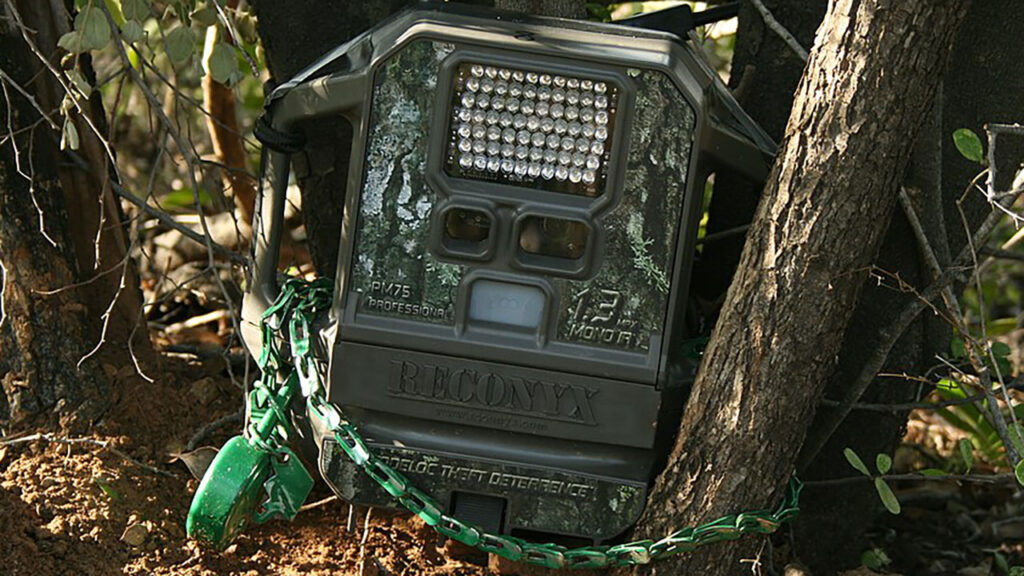
If you’re not checking for signs of predators—tracks, scat, feathers, broken fencing—you won’t know there’s a problem until it’s too late. Predators scout before they attack. You need to be doing the same.
Trail cameras and a good eye for prints can tell you what’s lurking around. Once you know what’s out there, you can make smarter decisions to protect your animals.
You Don’t Use Motion Lights or Alarms
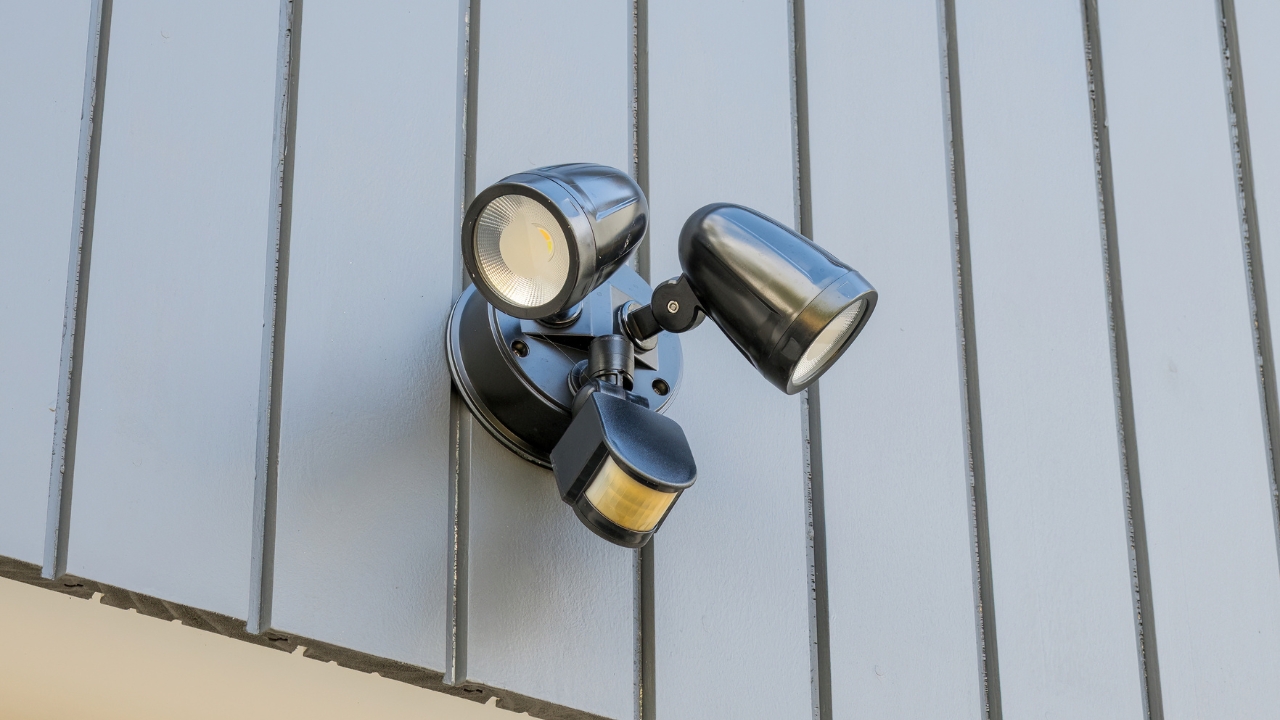
Lights and noise aren’t perfect, but they’re a great first layer. If your coop or barn is pitch black at night, you’ve given predators the perfect cover to move in unnoticed.
Motion-activated lights, alarms, or even a cheap radio left playing overnight can spook some threats. It’s not foolproof, but it’s better than silence and shadows.
You Rely on the Dog Alone
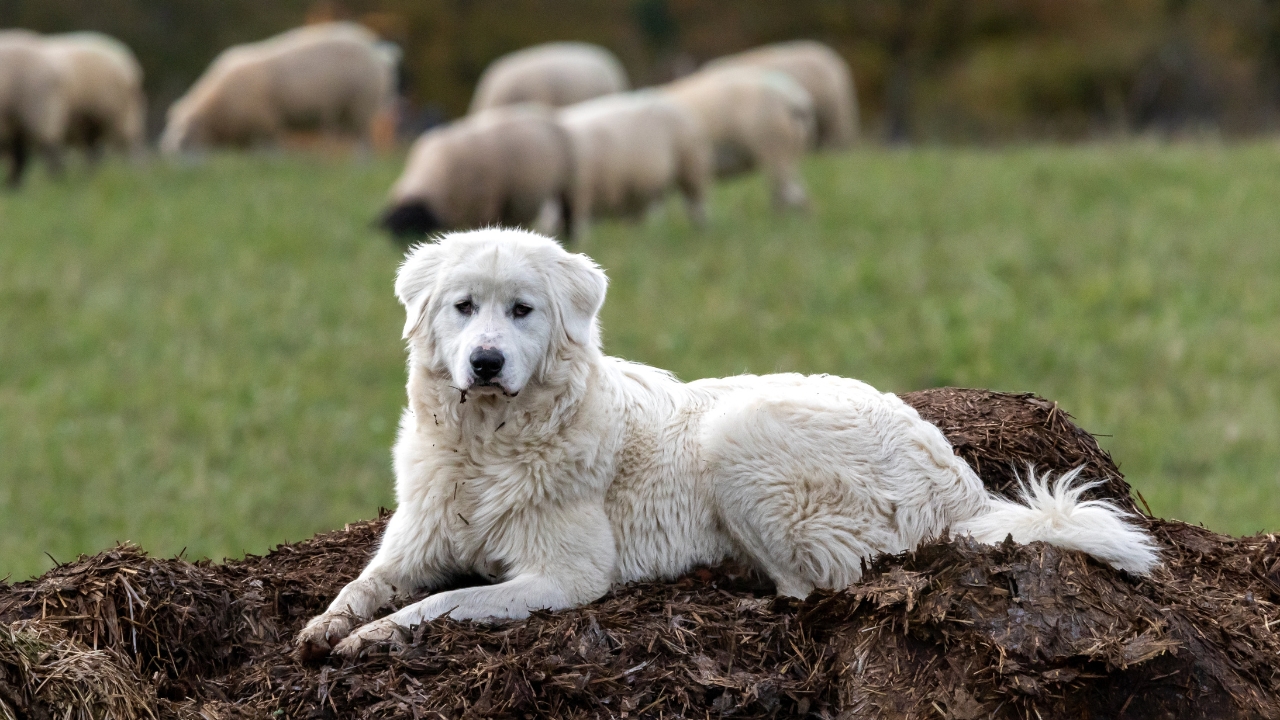
Farm dogs are great, but they’re not invincible. A single dog up against a pack of coyotes or a big cat isn’t guaranteed to win—and you might lose the dog in the process.
Livestock guardian breeds can help, but they need training and support. Don’t assume your dog’s barking is enough. You need multiple layers of defense.
You Don’t Rotate Grazing Areas
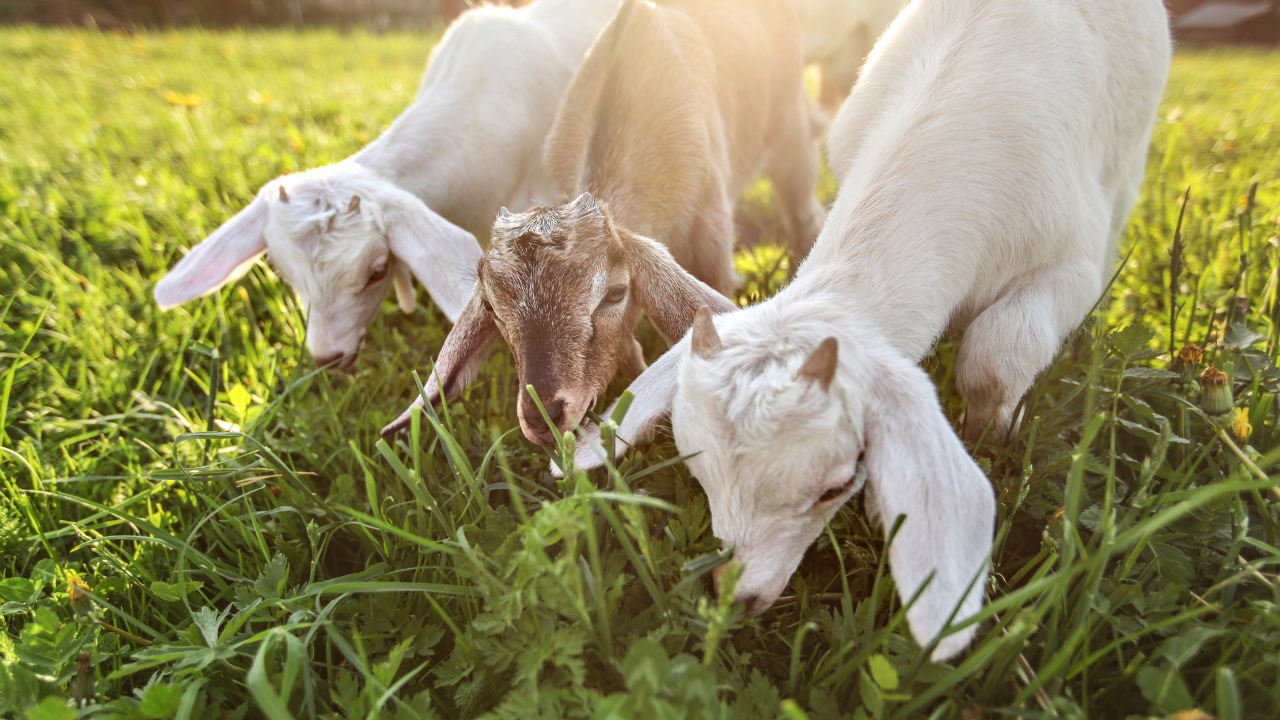
Leaving animals in the same pasture week after week turns it into a predator buffet. Patterns become predictable, and ambush points get easier to find.
Rotating pastures makes things harder for predators and gives your land time to recover. Break up the routine, and you’ll stay one step ahead.
You Don’t Walk the Fence Line Often
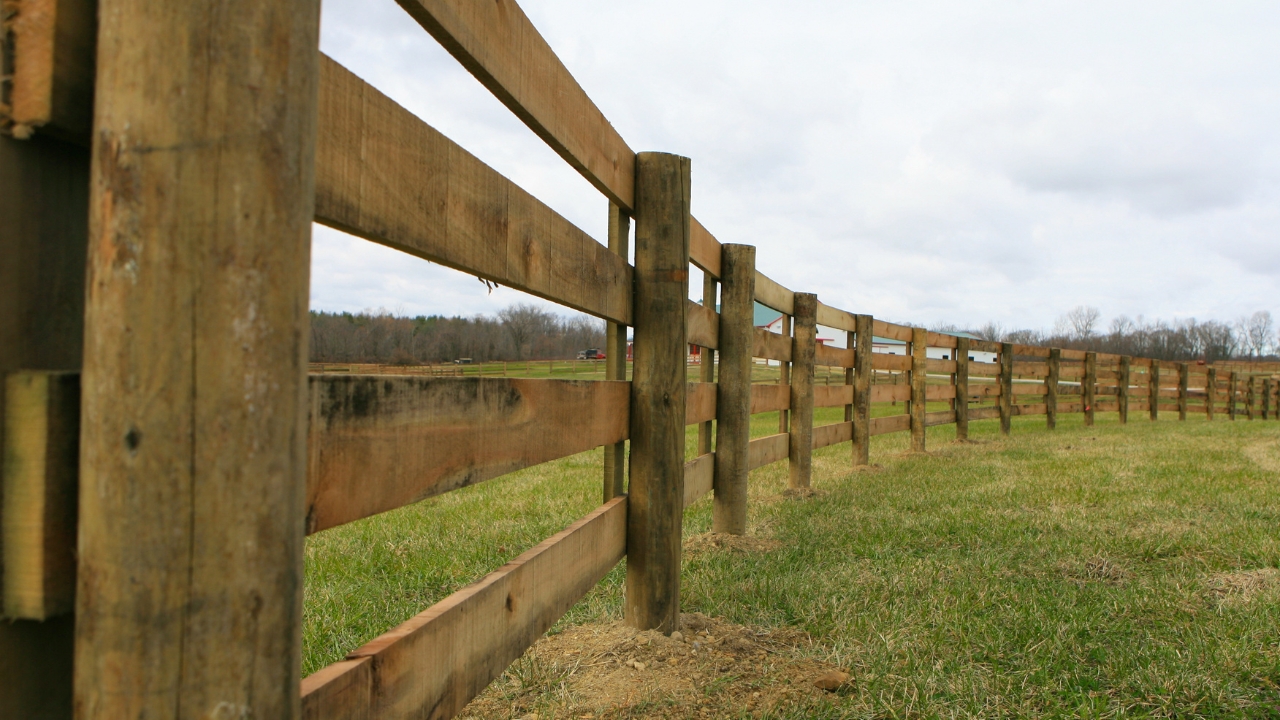
A predator only needs one weak spot. If you haven’t walked your fence line in a while, something could already be digging, chewing, or squeezing its way through.
Get in the habit of walking it regularly. Look for fresh dirt, tracks, loose wire, or scat. Maintenance now saves disaster later.
You Assume It Won’t Happen to You
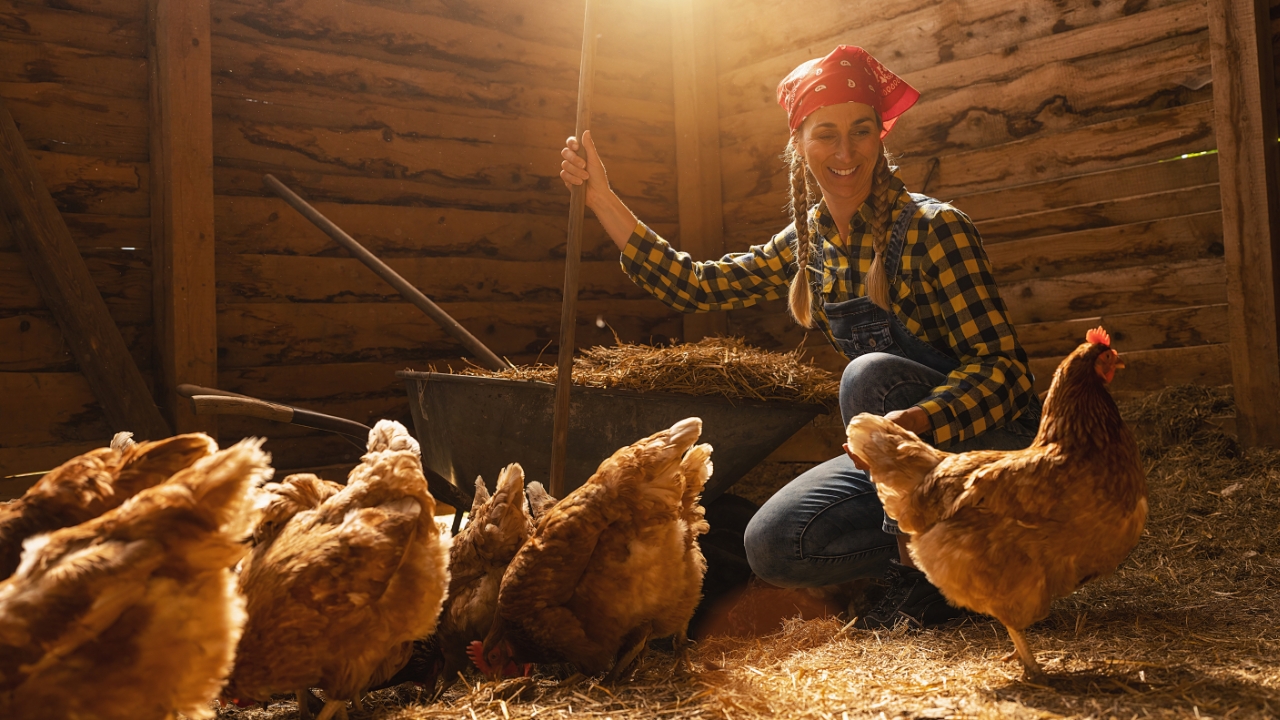
This is the biggest mistake of all. Thinking your place is too loud, too lit, too busy, or too new for predators is how people lose livestock. They’re out there, and they’re patient.
Be prepared from day one. You can hope for the best—but you better plan like the worst is already watching.
*This article was developed with AI-powered tools and has been carefully reviewed by our editors.