What to hide before guests arrive so your house feels calmer
Photo credit: Krakenimages.com/Shutterstock.com
When guests are on their way, you are not just tidying for appearances, you are trying to create a calmer atmosphere that lets everyone relax, including you. The fastest route to that feeling is not scrubbing every corner, it is hiding visual noise so the rooms people actually use feel open, intentional, and easy to move through. By targeting a few high impact spots and stashing the right things out of sight, you can make your home feel more serene in under an hour.
Instead of chasing perfection, you can focus on what visitors notice first and what tends to spike your own stress. That means clearing surfaces, editing decor, and quietly relocating personal items so the space feels welcoming rather than crowded. With a simple plan, you can walk to the door feeling composed instead of apologizing for the state of the house.
Start with a calm mindset and a short list
A peaceful visit starts before you touch a single object, it begins with deciding what actually matters in the time you have. When you treat your prep like a sprint instead of an endless project, you naturally prioritize the rooms guests will see and the clutter that makes you tense. Many organizers suggest you Live by lists, because a short written plan keeps you from ping-ponging between tasks and helps you stay focused on creating comfort rather than chasing dust bunnies.
For a quick company-ready reset, your list might include the entry, guest bathroom, living area, and kitchen surfaces, plus any hallway or guest room they will walk through. A simple sequence like “clear, contain, then clean” keeps you moving: first remove or hide what does not need to be out, then corral what remains, and only after that do a light wipe down. That approach mirrors broader advice on how to Prepare Your Home for Guests Stress Free, where decluttering comes first because it instantly changes how a room feels, even before you reach for a spray bottle.
Hide everyday clutter in the entryway
The entry is the first impression of your home’s energy, and it often doubles as a dumping ground for bags, shoes, and mail. To make it feel calm, you want to strip away anything that reads as “unfinished business,” like piles of paperwork or a week’s worth of deliveries. Experts on Hidden Clutter Zones Guests Notice Immediately point out that Entryway Drop Spots are one of the first places visitors clock, so it pays to Conceal keys, sunglasses, and dog leashes in a drawer, basket, or lidded box instead of leaving them scattered on a console.
For shoes and outerwear, aim for a single pair per person by the door and tuck the rest into a closet or under bed bins so the floor looks open. Hooks and a slim bench can stay, but off-season coats and extra totes should be relocated to keep the line of sight clean. When you reduce the number of visible items in this small zone, you instantly create a sense of order that carries into the rest of the house, reinforcing the idea that guests are stepping into a space that is cared for and under control.
Clear kitchen counters and dining surfaces
Because the kitchen is the hub of most homes, it collects everything from school forms to Amazon returns, which can make the whole house feel hectic. Before guests arrive, your goal is to reclaim the counters as work surfaces, not storage. Guidance on clutter hot spots notes that As the hub of most homes, the kitchen table, worktops, and island tend to attract paperwork and random objects, so start by sweeping those into a temporary bin you can sort later in a private room.
Once the clutter is off, keep only what you will actually use during the visit, like a coffee maker, a cutting board, or a single tray for drinks. Seasonal advice for high traffic areas recommends that you treat kitchen counters, the dining area, and the living room as priority zones, clearing space for cooking, serving, and seating so they can function smoothly for company. One practical approach is to follow the suggestion to Start by targeting these high traffic spots, then giving the dining table and chairs a quick reset so there is obvious room for plates, drinks, and elbows.
Tuck away personal items in the living room
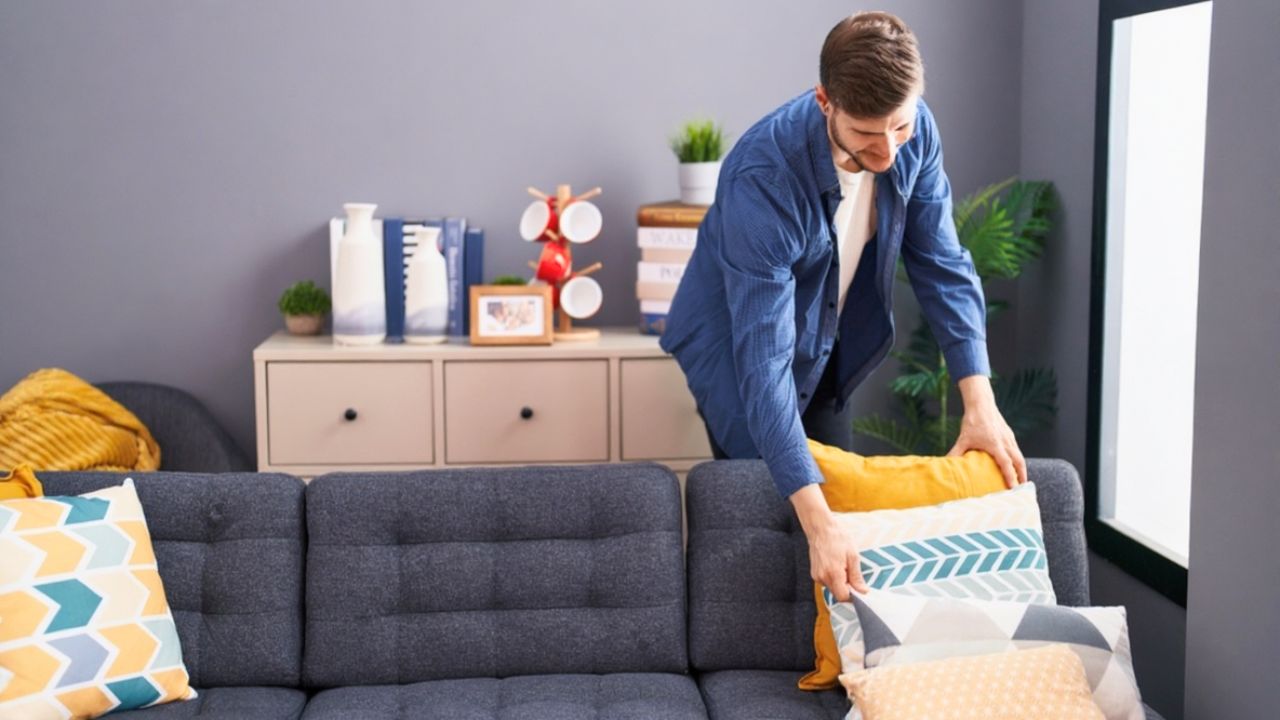
The living room is where guests linger, so visual calm here has an outsized impact on how your home feels. Instead of trying to deep clean, focus on hiding anything that reads as clutter rather than character, such as stacks of magazines, half finished projects, or too many throw blankets. A quick method is to Corral the clutter into baskets or bins in about ten minutes, Begin by removing anything that does not belong in the room, then close the door to the bedroom or office where you stash it so the main space feels streamlined.
Decor also matters here, because too many small objects can make surfaces feel busy even when they are technically clean. Advice on what visitors notice suggests that When you are hosting, it is a good idea to minimize the number of small decor pieces on tabletops and counters, since a few larger items look calmer than a scatter of trinkets. If you have fragile Glass and Ceramic Decor that you rarely notice until someone bumps a side table, consider following the lead of Glass and Ceramic Decor guidance and temporarily removing anything precious from high traffic surfaces so you are not quietly worrying about breakage all evening.
Streamline surfaces guests always clock
Some spots draw the eye no matter how much you hope people will ignore them, which is why editing those surfaces can instantly change the mood of your home. Coffee tables, sideboards, and nightstands can all benefit from a “one tray, one stack, one plant” rule that limits how much is out at once. Real estate advice on Clearing out excess belongings notes that removing extras not only makes a space look larger and more inviting, it also creates a sense of order throughout your home, which is exactly the feeling you want guests to absorb.
Lighting and scent also live on these surfaces, so it helps to remove clutter near lamps or candles so they can do their job without competing with piles of stuff. Short form guidance for hosts highlights that Hosting guests soon is easier if you clear clutter near lamps or candles so the room feels intentional rather than improvised. When you keep only a few well chosen pieces on display, you create breathing room for the eye, which makes the entire space feel calmer even if you have simply tucked the rest into a cabinet for the night.
Make the bathroom look like a hotel, not a medicine cabinet
Bathrooms are small, so every item left out has an outsized visual impact, and personal products can feel especially intrusive to visitors. Before guests arrive, sweep everyday toiletries, makeup bags, and prescription bottles into drawers or lidded bins so the counters read as clear and hygienic. Staging advice for baths recommends that In the bathroom, you keep dirty clothes in a hamper and hide toiletries like perfume, toothbrushes, and razors, leaving only a few attractive items on display while the home is being shown, which translates neatly to hosting overnight guests.
Once the clutter is hidden, a quick clean of the sink, mirror, and toilet will go much further. Cleaning pros like Brandon Pleshek of Clean That Up emphasize that guests notice whether the toilet sparkles and whether there are obvious smudges on reflective surfaces, so a focused wipe down here is worth more than vacuuming a room no one will enter. Fresh hand towels, extra toilet paper in plain sight, and a subtle room spray or candle are small touches that make the space feel more like a hotel powder room and less like a family workhorse.
Edit bedrooms and sleeping areas guests will use
Even if visitors are only staying for a few hours, any room where they might set down a bag or coat benefits from a quick declutter. For overnight stays, the priority is to make the bed feel inviting and the surrounding area feel open enough to move around without dodging piles. Hosting guidance stresses that Assess and Optimize Sleeping Arrangements, since One of the most critical aspects of hosting is ensuring your guests have a comfortable place to sleep, which includes clear surfaces for their belongings and easy access to outlets and lighting.
To create that calm, stash laundry baskets, extra gear, and personal paperwork in a closet or under the bed, then clear at least one nightstand so guests have a landing spot for phones and glasses. If you are preparing a room for the first time, practical checklists suggest you Get Sheets Truly Clean and remove any random storage from under the bed that might make the room feel cramped. A simple tray with a carafe of water, a small lamp, and a spare phone charger can make the space feel thoughtful without adding clutter.
Use smart hiding spots instead of random piles
Shoving everything into the nearest closet can backfire if guests need to hang a coat or if you later cannot find what you hid, so it pays to be strategic about where things go. Think in terms of zones: one bin for paper clutter, one for toys, one for miscellaneous items, each stashed in a room visitors will not enter. Party etiquette advice on small spaces suggests you CREATE ZONES so that Typically, even if everyone gravitates to the kitchen, you still have designated areas for food, drinks, and the host, and you can apply the same thinking to where you temporarily store clutter.
Longer term, you can reduce the amount you need to hide by letting go of items that never seem to find a home. A practical declutter checklist recommends you Get Rid of These Things First, including Broken items, Outdated technology, Unused furniture, and Old toys and games, so your storage spaces are not clogged with things you no longer use. When your closets and cabinets are not already overflowing, it becomes much easier to slide a basket of current clutter onto a shelf before guests arrive, instead of leaving it in plain sight.
Protect your own calm for the next visit
The most effective hiding strategy is the one that makes future hosting easier, not just tonight’s event. After guests leave, take five minutes to return stashed items to their proper rooms and decide whether any of them can be donated or recycled so they do not boomerang back to your surfaces. Design advice on how to Build a soothing home environment suggests that small, consistent habits are what ultimately create a space that nourishes your mind, body, and spirit, and that applies just as much to clutter as to color palettes.
Before your next gathering, you can also refine your checklist based on what actually mattered this time. If you noticed that guests gravitated to one room or ignored another, adjust where you focus your energy. Practical hosting guides for first time overnight company recommend that you take time to think through how guests will move through your home so you can remove obstacles before they arrive, rather than scrambling in the moment. Over time, that kind of thoughtful editing means you will have less to hide and more genuine calm built into your everyday rooms.
Like Fix It Homestead’s content? Be sure to follow us.
Here’s more from us:
- I made Joanna Gaines’s Friendsgiving casserole and here is what I would keep
- Pump Shotguns That Jam the Moment You Actually Need Them
- The First 5 Things Guests Notice About Your Living Room at Christmas
- What Caliber Works Best for Groundhogs, Armadillos, and Other Digging Pests?
- Rifles worth keeping by the back door on any rural property
*This article was developed with AI-powered tools and has been carefully reviewed by our editors.