The space-heater setup that’s common during cold snaps, and why fire departments hate it
Photo credit: Pixel Shot/Shutterstock.com
When temperatures plunge, you probably reach for the quickest fix: a portable heater, a cheap power strip, and the nearest outlet behind your couch or bed. Fire departments see that same setup every winter, and they know exactly how often it ends with smoke, sirens, and a family standing outside in the cold. The way you arrange a space heater in a cramped room can quietly turn a comfort appliance into the most dangerous object in your home.
The configuration that worries firefighters is so common it feels normal: a heater tucked close to furniture, plugged into an overloaded strip, running for hours while you sleep. Understanding why that layout is so risky, and how to rework it without freezing, is the difference between a safe cold snap and a catastrophic one.
The “normal” winter setup that quietly courts disaster
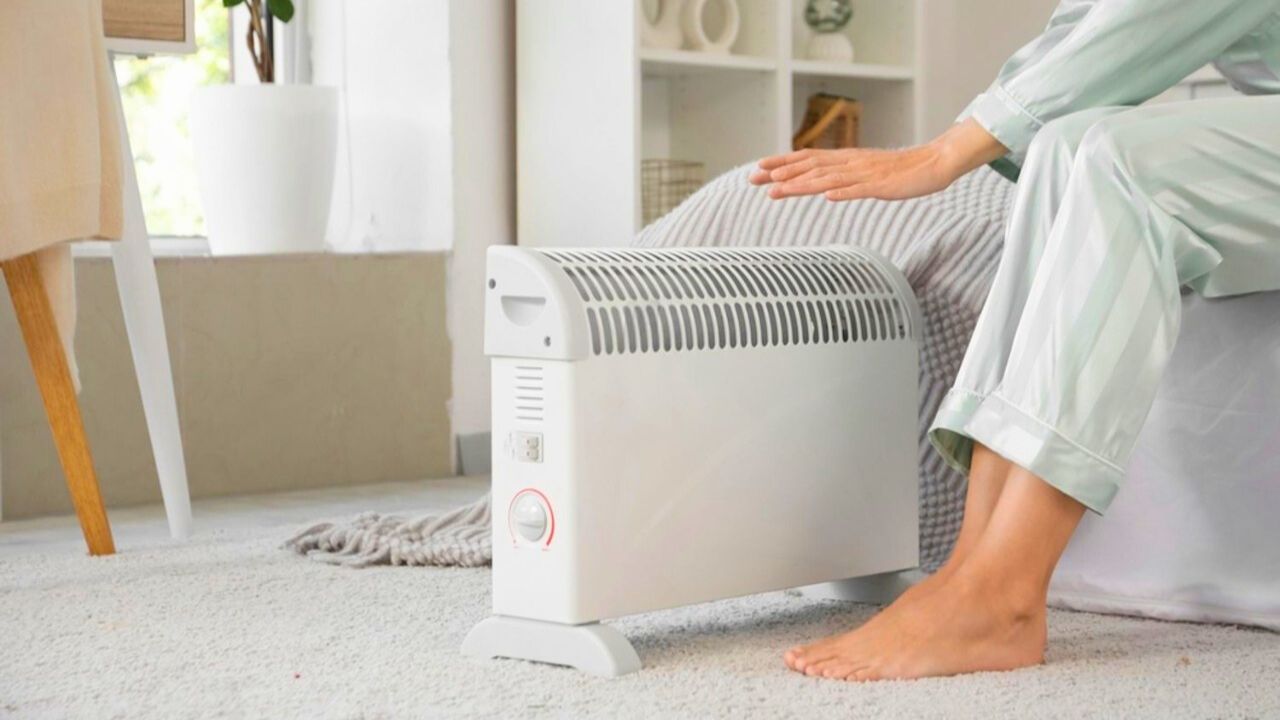
If you are like many people, your cold-snap routine starts with dragging a portable heater into the room that never quite warms up, then hunting for an open outlet. The nearest one is often hidden behind a couch, a bed, or a desk, so you plug the heater into a power strip that is already feeding a TV, a phone charger, and maybe a lamp. The heater ends up inches from curtains or bedding, pointed straight at the coldest corner of the room, and then you leave it running while you work, nap, or head to another part of the house.
Firefighters see that exact pattern in real incidents. In Wausau, the Wausau Fire Department recently shared that recent fires were traced back to space heaters and reminded residents not to overload power strips, a warning that came in a detailed safety reminder that also stressed basic precautions. In MUSCATINE, Iowa, officials described space heaters as helpful for small areas but also a leading cause of winter fires, especially when they are jammed into crowded rooms and plugged into the wrong kind of electrical hardware, a pattern they highlighted while warning that misuse sharply increases the risk of a fire in a report carried by MUSCATINE, Iowa (KWQC).
Why fire departments fixate on three feet of clearance
The detail firefighters repeat more than any other is distance. You are told to keep a heater at least three feet away from anything that can burn, but in a small bedroom or studio, that can feel impossible. So the heater ends up closer to a bedspread, a pile of laundry, or a dog bed, and you tell yourself that a few inches will not matter. The problem is that portable units are designed to throw intense heat into a small area, and fabrics do not need to touch the heating element to ignite; they just need to sit in that hot airflow long enough.
Cold-weather guidance from safety officials spells this out in plain terms, urging you to keep heaters at least three feet from curtains, bedding, and furniture and to turn them off before sleeping or leaving the room, advice that is laid out in a set of cold front safety best practices. In HARRISBURG, Pa., as the coldest weather of the season moved through South Central Pennsylvania, fire safety leaders again stressed that heaters must be kept away from combustibles because a single misplaced unit can start a fire, a point they drove home while urging precautions in South Central.
The hidden electrical load behind that cheap power strip
The other half of the risky setup is invisible: the strain on your wiring. A typical portable heater pulls 1,500 watts, which is enough to max out a standard 15 amp circuit all by itself. When you plug that heater into a bargain power strip that is already feeding electronics, you are asking thin internal wiring and low-cost plastic housings to carry a load they were never meant to handle. The strip may feel only warm at first, but over time the heat can damage insulation, loosen connections, and eventually spark.
Fire departments have started calling this out explicitly, warning residents not to overload power strips and to plug heaters directly into wall outlets instead. The Wausau Fire Department’s recent reminder about fires caused by space heaters included a clear instruction not to overload power strips, a point they emphasized in their Close advisory. Broader safety guidance echoes that message, urging you to avoid extension cords and multi-plug adapters with high-wattage heaters and to treat the heater as a dedicated appliance on its own circuit, a theme that runs through many Preventing space heater fire checklists.
Why “just for a minute” and overnight use are so dangerous
Even if your heater is placed correctly and plugged into a proper outlet, the way you use it can still create serious risk. You might turn it on “just for a minute” while you warm up under a blanket, then drift off to sleep with the unit still running inches from your bedding. Or you might leave it on to keep a pet comfortable while you run errands, assuming that nothing will change in the room while you are gone. Firefighters point out that most of the worst outcomes happen when nobody is watching the heater at all.
Cold-weather safety tips urge you not to leave a space heater running while you are sleeping or when you leave the room, stressing that unattended operation is when small problems turn into full-blown fires, guidance that appears prominently in advice on how to Use space heaters carefully. Leaders with Orange County Fire Rescue, speaking as a cold snap continued, told residents that heaters should never be left on around children, pets, or anything flammable and that you should always turn them off before leaving or going to bed, advice they shared while appearing on a segment promoted with the prompt to WATCH CHANNEL 9 EYEWITNESS NEWS.
The specific heater features firefighters want you to look for
Not all heaters are created equal, and fire departments are increasingly blunt about the models they want you to avoid. Older units without automatic shutoff, tip-over protection, or modern certifications are far more likely to overheat or keep running after they have been knocked over. If you are pulling a dusty heater out of a closet that you bought years ago at a discount store, you may be relying on technology that predates current safety standards.
Fire safety specialists recommend that you purchase a heater with built-in overheat protection and a tip-over switch, and that you choose models that meet standards set by national safety bodies, guidance that is spelled out in detailed Fire safety advice. Both the Consumer Product Safety Commission and the NFPA, the National Fire Protection Agency, have issued safety statements and recommendations related to the purchase of a space heater, urging you to look for units that comply with their standards and to follow their guidance from the moment you buy a heater to the way you operate it, a position summarized in a resource that notes that Both the Consumer Product Safety Commission, CPSC, NFPA, and the National Fire Protection Agency have weighed in.
How to rewire your habits without freezing
Changing how you use a heater does not mean resigning yourself to a cold house. It means treating the heater as a powerful appliance that deserves its own space and attention. Start by deciding where you actually spend time and arranging furniture so that you can keep a three-foot buffer around the heater while still feeling the warmth. That might mean pulling a chair slightly away from a wall or shifting a dog bed so it is not in the direct line of heat.
Next, build a routine around turning the heater off whenever you leave the room or go to sleep, even if that means layering up or adding an extra blanket at night. Safety alerts aimed at everyday users stress that as the weather gets colder, you may want to use a space heater, but you must avoid running it to the point of danger, a message captured in a SAFETY ALERT that reminds you to balance comfort with caution. In MUSCATINE, Iowa, fire officials framed space heaters as tools that are helpful for heating small areas but that require you to follow specific steps to reduce the risk of a fire, including giving them space and time-limiting their use, a point they made while explaining that Fire risks spike in winter.
What national safety agencies say about brands and placement
Beyond local fire departments, national safety agencies have tried to simplify your choices before you ever plug a heater in. They maintain lists of recalls, approved standards, and model-specific warnings that can help you avoid buying a unit with a known defect. If you are shopping online, it is worth pausing before you click “buy” on the cheapest option and checking whether the brand has a track record of meeting those standards.
Some safety guides recommend that you check brands on The Consumer Product Safety Commission website before you purchase a space heater, so you can confirm that the model you are considering is safe before you use the heater, advice that appears in a detailed overview that explicitly points you to The Consumer Product Safety Commission. Other experts urge you to visit the U.S. Consumer Product Safety Commission for guidance on safe heater placement and maintenance, noting that national regulators provide diagrams and checklists that go beyond the basic instructions in the box, a point underscored in advice that tells you to Visit the Consumer Product Safety Commission for more detail.
Safer alternatives when a room is always cold
If you find yourself relying on a space heater every single day of winter, the real problem may be your home’s underlying heating or insulation. Instead of running a portable unit nonstop, you can look at options that spread heat more evenly and reduce the need for a high-wattage appliance in one corner. That might mean sealing drafts, adding a programmable thermostat, or using a lower-wattage panel heater that is designed for continuous use in a specific space.
Some homeowners gravitate toward small fireplace-style space heaters because they feel cozier and more permanent than a basic box unit. Safety guidance for those products points you back to the same core rules, urging you to follow guidelines from the National Fire Protection Association, or NFPA, and to keep clearances and installation details in line with their recommendations, a point made in advice that answers “Yes” when asked if these units can be safe and then directs you to the Yes guidance from the National Fire Protection Association and NFPA. That same advice reminds you that even with a fireplace-style heater, you still need to follow manufacturer instructions for installation and use, because the look of a built-in unit does not erase the underlying fire risk.
How to audit your own setup before the next cold snap
Before the next blast of Arctic air hits, you can walk through your home the way a fire inspector would. Start with the rooms where you actually use heaters and look at three things: distance to anything that can burn, the type of outlet or power strip you are using, and whether the heater has modern safety features. If any of those checks fail, you have a clear to-do list: move furniture, free up a dedicated wall outlet, or replace an outdated unit.
Local and national experts have already laid out the checklist for you. In HARRISBURG, Pa., as the coldest weather of the season moved in, fire safety leaders urged residents to think ahead about how they would use heaters in South Central Pennsylvania, warning that a single careless setup can start a fire, a message they delivered while discussing precautions in As the region braced for winter. Broader resources on space heater safety emphasize the same steps, from checking that your unit meets standards set by Both the Consumer Product Safety Commission and NFPA to making sure you never leave a heater running when you leave the room or go to bed, a theme that runs through comprehensive CPSC and NFPA guidance.
Like Fix It Homestead’s content? Be sure to follow us.
Here’s more from us:
- I made Joanna Gaines’s Friendsgiving casserole and here is what I would keep
- Pump Shotguns That Jam the Moment You Actually Need Them
- The First 5 Things Guests Notice About Your Living Room at Christmas
- What Caliber Works Best for Groundhogs, Armadillos, and Other Digging Pests?
- Rifles worth keeping by the back door on any rural property
*This article was developed with AI-powered tools and has been carefully reviewed by our editors.