The “quick heat” hack that spikes carbon monoxide faster than you can smell anything
Photo credit: Vovashevchuk/istock.com
You feel the cold first, then the panic: the power is out, the furnace is silent, and the temperature is dropping fast. That is when the “quick heat” tricks start to sound tempting, from firing up a gas stove to dragging a charcoal grill inside. The danger is that some of those shortcuts can drive carbon monoxide levels up faster than you can smell anything at all, because you cannot smell this gas in the first place.
To protect yourself, you need to understand how these improvised heating moves turn a chilly room into a toxic one, why your senses will not warn you in time, and which safer options actually work. With a few deliberate choices and the right alarms in place, you can stay warm without gambling your life on a shortcut.
The lure of “quick heat” when the temperature drops
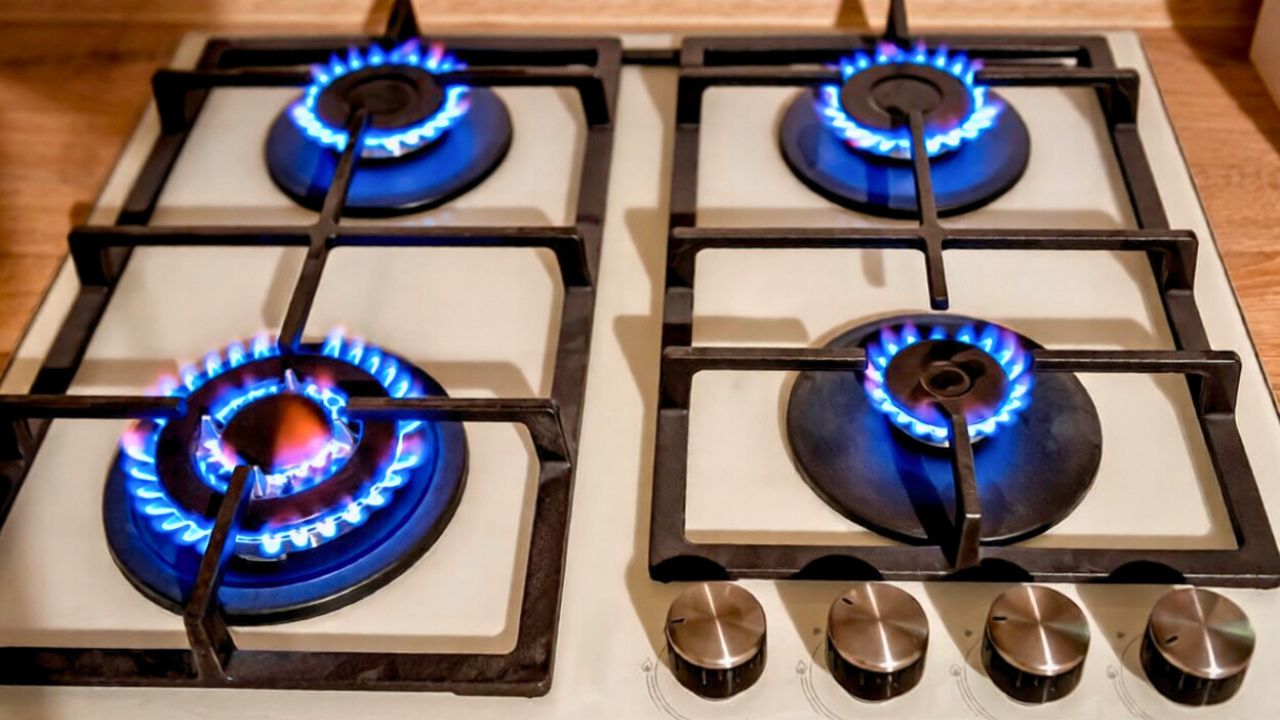
When your home cools rapidly, you are wired to look for the fastest possible way to feel warm again, not the safest. You might think about turning on every burner on the gas range, running the oven with the door open, or even bringing a camping stove into the living room, because those flames look like instant relief. The problem is that many of the devices you reach for in an emergency were never designed to be space heaters, and using them that way can flood your home with exhaust that has nowhere to go.
That is why heating specialists like Don warn you not to use charcoal grills, gas ovens, or propane heaters that are meant for outdoor use as indoor heat sources, since these “quick fixes” can trap combustion gases and create a serious carbon monoxide risk in a closed room, especially if windows and doors are sealed to keep out the cold, as explained in guidance on what not to use for heat from Don. When you are shivering, it is easy to underestimate how quickly those gases can build, and to overestimate how much warning you will get before something goes wrong.
Why carbon monoxide is so deadly, so fast
The core danger behind these improvised heating tricks is carbon monoxide itself, a gas that gives you almost no sensory clues before it starts to shut your body down. Carbon monoxide (often shortened to CO) is colorless and odorless, so you will not see smoke, smell anything unusual, or taste a metallic tang in the air as it accumulates. Instead, it quietly displaces oxygen in your bloodstream, binding to hemoglobin and preventing your blood cells from carrying the oxygen your organs need to function.
Medical toxicologists describe carbon monoxide as a “silent killer” because by the time you feel symptoms like headache, dizziness, or confusion, the concentration in your home may already be high enough to cause unconsciousness or death, particularly in children and older adults, according to detailed explanations of how Carbon interferes with oxygen transport. Because the gas is invisible and symptom onset can be gradual, you can sit in a room that feels merely stuffy, believing you are just tired or catching a cold, while your blood oxygen level is quietly dropping.
The “you’ll smell it first” myth that keeps people in danger
One of the most persistent and dangerous myths about carbon monoxide is that you will somehow smell it or “sense” it before it becomes life threatening. You might assume that if something is burning improperly, there will be a strong odor, visible smoke, or a telltale hiss that alerts you to a problem. In reality, carbon monoxide has no smell at all, and relying on your nose to detect it is like trying to hear ultraviolet light, it is simply not a signal your body can pick up.
Security and safety experts stress that since you cannot smell or see a CO leak, the only reliable warning comes from properly installed carbon monoxide detectors that sound an alarm long before levels become lethal, which is why they emphasize that, since you cannot smell this gas, you must leave immediately if an alarm goes off and then call for help from outside, as outlined in consumer safety advice that notes, “Since you can’t smell or even detect a CO gas leak, it is vital to have working carbon monoxide detectors installed in your home.” When you combine that invisibility with the false reassurance that you will “notice something” first, you get a perfect setup for people to stay in a poisoned room far longer than is safe.
How common “heat hacks” turn a cold room into a CO trap
The hacks that feel most clever in the moment are often the ones that create the highest risk, because they push fuel burning devices far outside their intended use. Using a gas oven to heat a kitchen, for example, keeps the flame running for hours in a space with limited ventilation, which can lead to incomplete combustion and rising carbon monoxide levels. Bringing a charcoal grill or a gasoline powered generator into a garage or enclosed porch concentrates exhaust in a semi sealed space, where it can seep through doorways and vents into bedrooms and living areas.
Fire safety officials warn that even seemingly minor improvisations, like using a gas space heater that is rated only for outdoor patios inside a small apartment, can create a deadly buildup, especially overnight when you are asleep and less likely to notice early symptoms, a pattern that has been highlighted in public health messaging about winter storms in North Carolina and other regions. The same logic applies when you block fresh air intakes or close every window and door to “hold in” heat, because you are also trapping exhaust that would otherwise disperse.
Safe ways to warm up quickly that do not involve combustion
The good news is that you can still get warm fast without lighting anything that burns inside your home. Instead of reaching for a gas flame, you can layer clothing, use hot water bottles, or move your body to generate heat. Simple routines like brisk indoor walking, stair climbing, or a short body weight circuit can raise your core temperature in minutes, and pairing that movement with blankets or insulated clothing helps you hold onto that warmth.
Practical guides to staying warm quickly suggest that, now that you know the risks of combustion based shortcuts, you can focus on strategies like adding socks and hats, drinking warm soups or teas, and using safe electric heating pads or blankets to feel warmer in just a few minutes, as described in a step by step approach to getting warm in seven minutes that notes, “Now there are a lot of ways to stay warm like putting on more clothes or drinking hot soups or teas.” These methods may not look as dramatic as a roaring flame, but they avoid combustion entirely, which means they cannot generate carbon monoxide in the first place.
When electric space heaters help, and when they add risk
Electric space heaters can be a safe part of your cold weather plan if you choose and use them carefully. Because they do not burn fuel, they do not produce carbon monoxide, which makes them far safer than propane or kerosene heaters in a closed room. The key is to buy a unit that has been tested and certified by a recognized safety organization, place it on a stable, nonflammable surface, and keep it well away from curtains, bedding, and furniture that could ignite if they get too hot.
Consumer safety guidance recommends that you warm up right by selecting models with automatic shutoff features, tip over protection, and clear labeling, and by turning off portable electric heaters when they are not being used or when you leave the room, advice that is captured in detailed tips on how to Warm Up Right with portable electric heater features, use and safety purchase guidelines. You should also plug heaters directly into wall outlets rather than extension cords, and never run them unattended overnight, so that a knocked over unit or a frayed cord does not turn a cold snap into a house fire.
The hidden hazards of DIY heating “hacks” you see online
Social media is full of improvised heating ideas that look ingenious on video but ignore basic physics and safety. You might see someone balancing a flowerpot over candles to create a “mini heater,” wrapping foil around a space heater to “boost” its output, or taping plastic over vents to redirect airflow. These tricks can create hot surfaces that are almost impossible to handle without burns, concentrate heat in ways the device was not designed to handle, or block ventilation paths that equipment needs to operate safely.
Heating experts caution that, therefore, when you need to remove makeshift add ons like foil or plastic from a heater, it will almost be impossible without burning yourself, and that a safer and more effective approach is to improve insulation, seal window frames properly, and use equipment as designed, advice that is spelled out in a list of Therefore home heating hacks to avoid. When you are tempted by a clever looking hack, it helps to remember that if a device did not ship with that configuration, the manufacturer did not test it that way, and you are effectively running an uncontrolled experiment in your living room.
Maintenance: the unglamorous fix that prevents most CO emergencies
While improvised heat sources grab attention, many carbon monoxide incidents start with ordinary furnaces, boilers, and water heaters that have not been serviced in years. Cracked heat exchangers, blocked flues, and misadjusted burners can all lead to incomplete combustion and CO leaks, even when you are using your equipment exactly as intended. You cannot see these problems from the outside, which is why routine inspections by qualified technicians are so important.
Heating professionals urge you to conduct maintenance on gas furnaces and appliances before winter, because regular cleaning, tuning, and safety checks dramatically reduce the odds of a leak, a point underscored in seasonal advice that tells homeowners to Conduct Maintenance On Gas Furnaces, Appliances Another, Carbon Monoxide prevention step. Boiler specialists add that, however, it is vital that a boiler system is well maintained and kept in good working condition to prevent hazardous carbon monoxide from leaking into the home, advice that is echoed in guidance for residents of Lexington that explains why, However it is critical to prevent carbon monoxide (CO) from leaking into the home. During power outages, you should also have all fuel burning appliances, such as furnaces, boilers, water heaters, and gas space heaters, inspected and serviced by a qualified professional at least once a year, as emphasized in emergency preparedness advice that urges you to Have all fuel burning appliances checked.
Detectors, alarms, and the right way to test them
Even with perfect maintenance and cautious behavior, you still need carbon monoxide detectors to catch problems you cannot see. Safety agencies recommend installing CO alarms in a central location outside each separate sleeping area and on every level of your home, so that a leak in the basement or garage does not go unnoticed until it reaches bedrooms. You should also avoid placing detectors right next to fuel burning appliances, where brief bursts of exhaust could trigger nuisance alarms that tempt you to disable them.
Fire safety guidance advises you to install CO alarms correctly and to use portable generators only outdoors, away from windows and vents, to keep exhaust from entering the home, recommendations summarized in federal advice that tells you to Install CO alarms and use generators safely. Specialists in gas monitoring equipment outline the dos and do nots of installing carbon monoxide detectors properly, emphasizing placement at the correct height, avoiding dead air spaces, and not painting over sensors, guidance captured in a detailed overview of The Dos and Don of installing carbon monoxide detectors properly. Home maintenance experts add that you should know how often to check alarms, recommending monthly tests of both smoke and carbon monoxide alarms to ensure they are working, as explained in a simple safety guide that walks you through How Often to check alarms, with monthly tests to test their function.
Building a winter routine that keeps CO out of your living space
Carbon monoxide safety is not a one time checklist, it is a routine you build into your winter habits. That routine starts with recognizing that, but among your list of residential responsibilities, safety measures should be at the top, and preventing carbon monoxide from lurking in your living areas is imperative, as home safety guidance reminds you when it urges you to treat CO control as a core part of household management, advice captured in a reminder that, But safety measures should be at the top. That means scheduling annual service for furnaces and boilers, checking that vents and chimneys are clear of snow and debris after storms, and reviewing your family’s plan for what to do if an alarm sounds in the middle of the night.
Indoor air quality experts also encourage you to treat carbon monoxide safety tips as part of a broader effort to protect your health in winter, which includes having all fuel burning appliances professionally installed and checked regularly, and making sure you never ignore a beeping alarm, guidance that is summarized in seasonal advice that lists Carbon Monoxide Safety Tips Have all fuel burning appliances professionally installed and checked regularly and make sure you respond promptly to alarms. Fire and HVAC professionals note that smoke detectors are another critical factor in ensuring your safety from carbon monoxide poisoning, and that you should ensure that you have working smoke and CO alarms on every level so you are alerted quickly if smoke or carbon monoxide is in your home, as emphasized in furnace safety tips that highlight how Smoke detectors and CO alarms work together to protect you. Home comfort specialists add that taking preventative measures is critical to protect your household, and that a properly maintained and functioning CO alarm is a key part of a system that prevents carbon monoxide buildup and ensures safety, a point underscored in guidance that notes Taking preventative measures is critical to protect your household.
Like Fix It Homestead’s content? Be sure to follow us.
Here’s more from us:
- I made Joanna Gaines’s Friendsgiving casserole and here is what I would keep
- Pump Shotguns That Jam the Moment You Actually Need Them
- The First 5 Things Guests Notice About Your Living Room at Christmas
- What Caliber Works Best for Groundhogs, Armadillos, and Other Digging Pests?
- Rifles worth keeping by the back door on any rural property
*This article was developed with AI-powered tools and has been carefully reviewed by our editors.