The home safety check to do right now before the next cold snap hits
Photo credit: Svetikd/istock.com
Cold snaps rarely arrive on a polite schedule. One day you are running errands in a light jacket, the next you are watching the forecast plunge and wondering if your pipes, roof, and furnace are really ready. A focused home safety check now, before temperatures dive again, can be the difference between a cozy weekend indoors and an emergency call to a plumber or electrician.
Instead of a sprawling to‑do list, you need a short, strategic circuit through your home that targets the systems most likely to fail in extreme cold. By walking through your heating, plumbing, structure, and emergency supplies in a single sweep, you reduce the odds of frozen pipes, carbon monoxide buildup, and costly storm damage when the next blast of Arctic air hits.
1. Start with a quick risk scan of your home
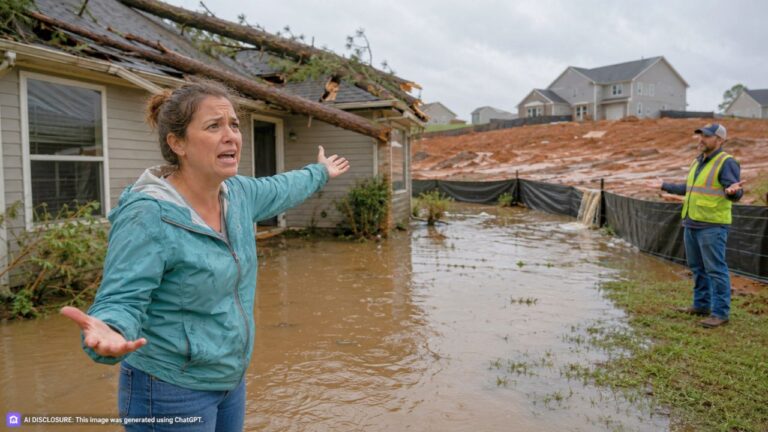
Your first pass should be a simple risk scan, not a toolbox marathon. Walk the perimeter of your home and look for anything that could turn a cold snap into a crisis: sagging gutters, loose siding, clogged downspouts, or low spots where meltwater could pool and refreeze. Pay special attention to overhanging branches that could snap under ice or snow and land on your roof, power lines, or parked car. One expert advised that you should check for overhanging tree limbs and get them trimmed back from the house so that, in the event you lose power or experience high winds, you have already taken some steps to prevent damage, a point underscored when She described how simple pruning can avoid major repairs.
Inside, do the same visual triage. Note any rooms that already feel drafty, plumbing that runs along exterior walls, and older windows or doors that never quite seal. This is also the moment to think about who is in your household and what they need if you are stuck at home for a day or two, from medications to pet supplies. Federal guidance on winter safety stresses that you should Get your home ready before storms arrive, including steps to Weatherproof your home and Insulate any water lines that run along exterior walls so your water supply is less likely to freeze.
2. Make sure your heating system is ready for work
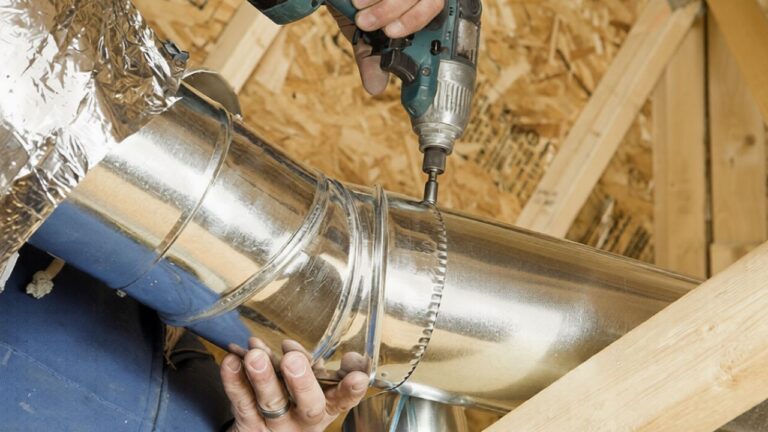
Once you know your broad risks, turn to the system that keeps everything else from failing: your heat. Your HVAC system is not just about comfort, it is a frontline defense against frozen pipes and moisture damage. Guidance shared in Dec emphasized that Your HVAC helps prevent frozen pipes from bursting and flooding your home, and that you should Keep your system maintained to stay safe and warm. If you have not heard your furnace cycle on recently, set the thermostat a few degrees higher and listen for any strange noises, short cycling, or burning smells that linger beyond the first minute of operation.
Professionals recommend treating your heating system like a car that needs regular service, not a black box you ignore until it fails. A detailed winter checklist urges you to Make Sure Your Heating System Is Ready for Work by Scheduling a tune‑up, replacing or cleaning filters, and testing your thermostat before severe weather arrives. If a technician visit is not realistic before the next cold snap, at least replace the filter, clear any clutter from around the furnace, and confirm that all supply and return vents are open so warm air can circulate evenly.
3. Protect indoor pipes before temperatures plunge
With heat addressed, your next priority is plumbing, because frozen pipes can turn a minor cold spell into a major insurance claim. Experts warn that even a short period of subfreezing temperatures can freeze water in unprotected lines, especially in basements, crawl spaces, and exterior walls. A widely cited winter guide puts “Protect Indoor Pipes” at the top of its cold weather priorities, noting that pipes in unheated areas are especially vulnerable and should be insulated or relocated if possible.
Your immediate checklist is straightforward: identify any exposed pipes in garages, under sinks, and along foundation walls, then wrap them with foam sleeves or fiberglass insulation. Another detailed explainer on How To Prevent Frozen Pipes stresses that you should Keep Your Home Warm as the first and most important step, maintaining a consistent indoor temperature even overnight. If a hard freeze is forecast, open cabinet doors under sinks on exterior walls so warm air can reach the pipes, and let a trickle of water run from faucets served by vulnerable lines to keep water moving.
4. Know exactly what to do if pipes freeze anyway
Even with good preparation, a sudden Arctic blast can still catch a weak spot in your plumbing. The key is to recognize the signs of a frozen pipe early and respond methodically instead of panicking. If you turn on a faucet and only a trickle comes out, or none at all, you may be dealing with ice in the line. A practical guide on what to do during a December cold snap explains that when you suspect a freeze, Here is exactly what you need to do, starting with the instruction to Keep That Faucet Running so pressure does not build behind the ice blockage.
Next, follow the safest thawing steps. Turn up the heat in the affected area, use a hair dryer or space heater at a safe distance to warm the pipe gradually, and never use an open flame, which can damage the pipe or start a fire. The same guidance stresses that you should Insulate Your Vulnerable Pipes after they thaw and let Faucets Drip During Extreme Cold to prevent a repeat. If you see bulging pipes, hear hissing, or notice water pooling behind walls or ceilings, shut off the main water supply and call a licensed plumber immediately, since a burst line can release hundreds of gallons in minutes.
5. Weatherproof windows, doors, and exterior gaps
Once your core systems are stable, shift to the building envelope that keeps cold air out and warm air in. Drafty windows and doors do more than raise your utility bill, they create cold pockets where pipes and people are both at risk. A detailed winterizing guide highlights Exterior Doors and Windows as a priority, advising you to Check the exterior of your home for any cracks, crevices, or exposed entry points around frames and siding, then seal them with caulk or weatherstripping before the first hard frost.
You can tackle many of these fixes in a single afternoon. A simple five‑step cold weather prep list notes that Here is a straightforward way to Ready your windows and doors using plastic film kits, draft stoppers, and foam gaskets behind outlet covers on exterior walls. While you are at it, check that your ceiling fans are set to push warm air down, and if you use a fireplace, confirm that the damper closes tightly when not in use so you are not venting heated air straight up the chimney.
6. Tidy the exterior: roof, gutters, and yard hazards
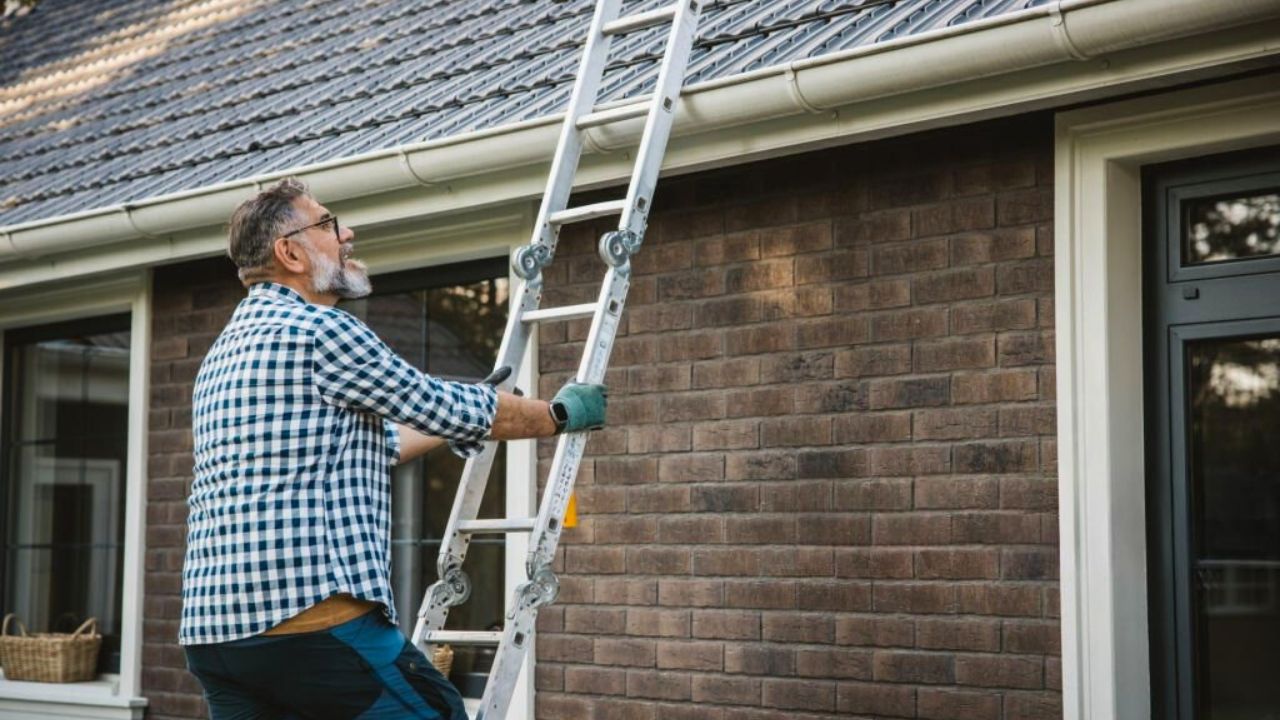
Cold snaps often arrive with wind, sleet, or a quick burst of snow, so your roofline and yard deserve a fast but focused inspection. Clear leaves and debris from gutters and downspouts so meltwater can drain instead of refreezing into heavy ice dams that pry up shingles and force water into your attic. A comprehensive winterization checklist advises that Remove leaves and debris to Clean gutters and downspouts, and notes that when you stay ahead of this maintenance, we have got you covered against some of the most common winter leaks.
Beyond the gutters, look at your roof from the ground with binoculars if needed, scanning for missing shingles, loose flashing, or sagging sections that could fail under a load of wet snow. Tie this back to your earlier tree inspection and trim any branches that still threaten the roof or power lines. One winter home maintenance guide organizes its Table of Contents around exterior priorities like Focus on your heating system, Maintain your water heater, and Inspect your plumbing, but it also underscores that exterior upkeep is part of the same system, since clogged gutters and heavy snow can strain the very infrastructure that keeps your home warm.
7. Build a cold‑weather emergency kit and plan
Even the best prepared home can lose power or heat in a severe cold snap, which is why an emergency kit is not optional. You should be able to get through at least several days without leaving the house, especially if roads are icy. Federal preparedness guidance recommends assembling a Basic Disaster Supplies Kit and storing items in airtight plastic bags, then placing the entire kit in easy‑to‑carry containers so you can move it quickly if you need to relocate to a warming center or a neighbor’s home.
Your winter version of that kit should include flashlights, batteries, a battery‑powered or hand‑crank radio, blankets, warm clothing layers, and enough food and water for every person and pet in your household. Broader winter safety advice notes that Common Winter Risks and How to Stay Safe include power outages, frostbite, and hypothermia, and that you should Learn the signs of cold‑related illness and Prevent Carbon Monoxide poisoning by using generators and space heaters correctly. Write down key phone numbers, including your utility, a trusted neighbor, and your heating contractor, in case your phone battery dies or you lose access to cloud contacts.
8. Use pro‑level checklists to tighten your routine
Once you have handled the urgent items, it helps to adopt a structured checklist so winter prep becomes a routine rather than a scramble. A detailed home maintenance guide for cold weather suggests you Follow the Four P’s of winter safety, which cover people, pets, pipes, and plants, and emphasizes that General winter safety tips work best when you combine them with a plan and key items on hand. That framework can anchor your own list: check on vulnerable family members, bring pets indoors, protect plumbing, and move sensitive plants away from drafts.
Professional contractors also publish seasonal guides that mirror how they would walk through your home. One winterization checklist starts with Here is a checklist of steps you can take to ensure your home is ready for the winter chill, including HVAC System Maintenance, plumbing checks, and exterior cleanup, and notes that Your heating and cooling equipment should be inspected regularly. Another resource on Let us explore how to prevent frozen pipes and HVAC damage in Lancaster organizes its advice into Tip sections, starting with Tip number one to Insulate Exposed pipes, which you can adapt to your own region even if you do not live in Lancaster.
9. Think like NASA: prioritize critical systems first
There is a useful mental model for winter prep that comes from far outside home maintenance. When NASA engineers work on missions like Artemis II, they do not try to fix everything at once, especially during a shutdown. To mitigate risks, NASA has prioritized critical path activities such as propulsion system checks and environmental tests so the mission can still target an early February 2026 window, assuming problems are resolved in time. You can borrow that mindset at home by identifying your own “critical path” systems, starting with heat, water, and structural safety, and tackling those before you worry about cosmetic projects.
That same disciplined approach shows up in local guidance too. A winter prep video reminding residents that Mississippi winter is just around the corner urges people to start preparing for the winter weather season ahead of the first real cold front, not after it. Another home checklist frames its advice around Jan tasks like Focus on your heating system, Maintain your water heater, and Inspect your plumbing for leaks, which dovetails with the idea of handling mission‑critical items first. If you adopt that hierarchy now, your “home safety check” before the next cold snap becomes a focused, high‑impact routine instead of a last‑minute scramble.
Like Fix It Homestead’s content? Be sure to follow us.
Here’s more from us:
- I made Joanna Gaines’s Friendsgiving casserole and here is what I would keep
- Pump Shotguns That Jam the Moment You Actually Need Them
- The First 5 Things Guests Notice About Your Living Room at Christmas
- What Caliber Works Best for Groundhogs, Armadillos, and Other Digging Pests?
- Rifles worth keeping by the back door on any rural property
*This article was developed with AI-powered tools and has been carefully reviewed by our editors.