Norovirus is trending again and the cleaning step that actually helps isn’t what people want to do
Photo credit: Undefined Undefined/istock.com
Norovirus is back in the headlines, and it is not just another seasonal nuisance. You are dealing with a virus that spreads explosively through households, schools, and workplaces, and the usual quick-swipe cleaning habits are not enough to stop it. The one cleaning step that reliably cuts your risk is also the one many people skip, because it is messy, smelly, and takes more effort than a spritz of all-purpose spray.
If you want to avoid days of vomiting, diarrhea, and disinfecting every surface in sight, you need to understand how this virus behaves and why your instincts about “clean enough” are probably wrong. That starts with accepting that norovirus is built to survive, and only a very specific kind of cleaning and disinfection routine will actually make a difference.
Norovirus is surging again, and it is not just “a stomach bug”
You are hearing more about norovirus because cases really are climbing, not because people suddenly became more anxious. Norovirus, often called the “winter vomiting disease,” has surged to decade high levels, with Levels especially high in the Midwest and Northeast. Two schools in Massachusetts even had to close for several days because so many students and staff were sick at once, a reminder that this virus can disrupt daily life quickly when it gets a foothold.
Clinicians are also seeing a sharp uptick in people seeking care for vomiting and diarrhea that match classic norovirus symptoms. At Medstar Health Urgent Care, visits for stomach bugs like Norovirus are up five to ten times compared with quieter periods, according to reporting that asks bluntly, Why are Norovirus cases so high this year. When you see that kind of spike across multiple regions, it is a signal that your personal prevention habits, including how you clean, matter more than usual.
Why this year’s norovirus feels so relentless
Part of what makes this season feel worse is the virus itself. Norovirus is notorious for mutating, and current reporting points to an ultra contagious variant that is driving many of the new outbreaks. In practical terms, that means you can get sick after ingesting only a tiny number of viral particles, and those particles are being shed in huge quantities when someone vomits or has diarrhea. Once that happens in a shared space, you are not just dealing with a one time mess, you are dealing with a contamination event that can keep seeding new infections.
Public health officials describe Cases of “winter vomiting disease” surging across the United States, with people reporting sudden onset nausea, repeated vomiting, watery diarrhea, and body aches that can last for days. Some individuals may gain short term immunity after an infection, but experts still do not know exactly how long protection lasts, which means you cannot count on having had norovirus once to shield you for the rest of the season. The combination of a highly transmissible strain and uncertain immunity is why you are seeing clusters in schools, long term care facilities, and families that thought they were already “through it.”
Norovirus is built to survive your usual cleaning routine
Norovirus is not just contagious, it is physically tough. The virus is non enveloped, which makes it more resistant to many common disinfectants than respiratory viruses like influenza. Guidance on Why Is Norovirus 2024 so Difficult to Kill notes that Norovirus can cling to hard, non porous surfaces and remain infectious despite temperature swings and drying. That durability is why outbreaks on cruise ships, in dorms, and in daycare centers can drag on even after staff feel they have cleaned “thoroughly.”
On top of that, norovirus particles can survive on surfaces, objects, and even foods for up to two weeks, according to Norovirus guidance that cites the Cleveland Clinic. That means the bathroom faucet handle, the kitchen counter, or the shared TV remote can keep passing the virus around long after the original patient feels better. If your cleaning routine is a quick wipe with a multi surface spray that is not rated for norovirus, you are mostly moving particles around, not eliminating them.
The cleaning step everyone avoids: bleach based disinfection after real cleaning
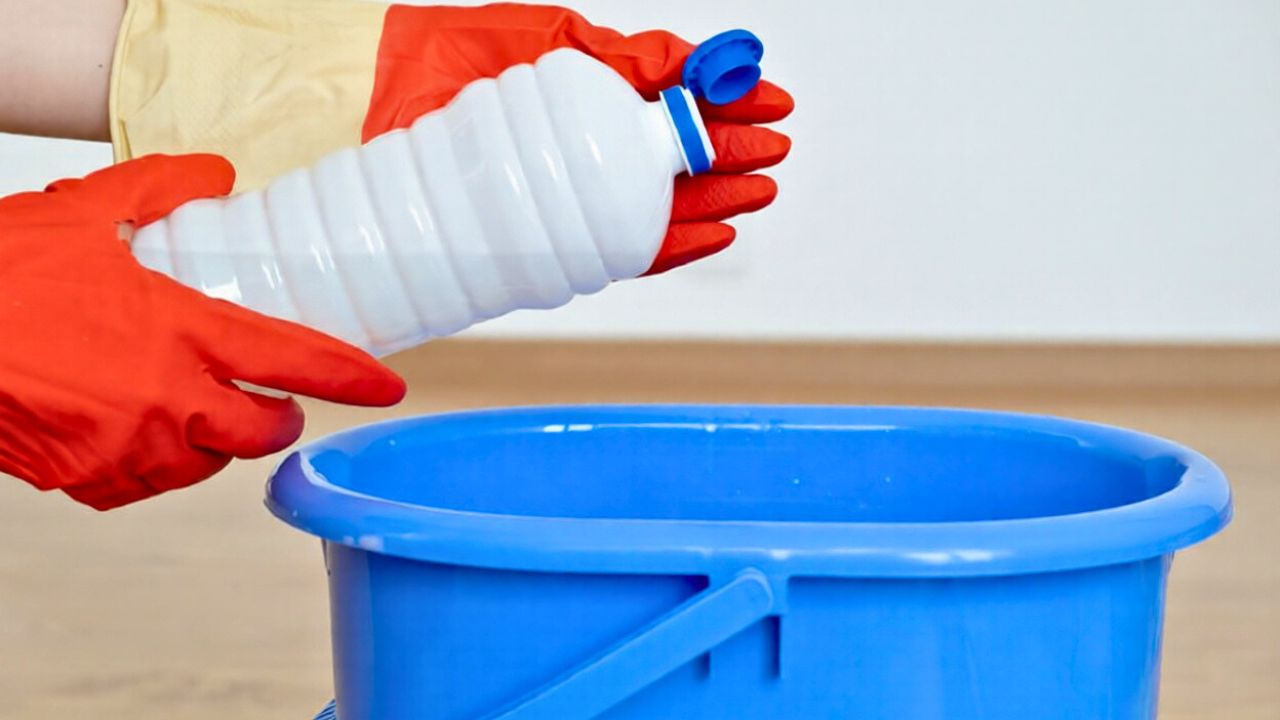
The unglamorous truth is that the step that actually helps is the one people least want to do: physically cleaning up vomit or stool, then using a bleach based disinfectant at the right strength and contact time. Public health guidance is explicit that you must always clean well and disinfect surfaces that might be contaminated, and then wash your hands after with soap and water. The Key instructions for Norovirus prevention emphasize that you should first remove visible material with disposable towels, then apply a disinfectant that is known to kill norovirus on surfaces and objects.
That two step process is exactly what most people skip, either because they are squeamish about handling the mess or because they assume their usual cleaner is enough. A detailed report on how to handle an active case explains that when someone has norovirus, you should start by wiping up any vomit or stool with paper towels, placing them in a plastic bag, and then running contaminated linens on the hottest water setting and the longest cycle length possible. The same guidance notes that How you clean matters, because When you rely on many standard household sprays, you are not actually using a product that has been tested and approved to kill this virus.
Why your favorite cleaner and hand sanitizer are not enough
It is tempting to believe that if a product smells like bleach or promises to kill “99.9 percent of germs,” it will handle norovirus. In reality, many household cleaners do not protect against this particular pathogen. An analysis of cleaning products found that a surprising number of popular sprays and wipes lack the specific ingredients or concentrations needed to inactivate norovirus, even though they work well on bacteria and some other viruses. That gap leaves you with a false sense of security if you are not checking labels for explicit norovirus or “virucidal” claims.
Your go to hand sanitizer is another weak link. Experts who focus on norovirus prevention are blunt that alcohol based sanitizers are not as effective at killing this virus as they are for respiratory infections. One detailed explainer on how to Protect yourself notes that, Unfortunately, hand sanitizer cannot reliably kill norovirus, so you should not treat it as a substitute for washing with soap and water. Another detailed overview of the current surge explains that while alcohol based products are convenient, they do not fully inactivate norovirus on surfaces and objects, which is why the section titled “Does Hand Sanitizer Kill Norovirus” stresses the limits of relying on gel alone.
The right way to clean up after someone gets sick
When someone in your home vomits or has diarrhea, you are not just tidying up, you are interrupting a chain of transmission. The recommended approach is methodical. You should Wear rubber or disposable gloves, use paper towels to wipe the entire area, and place those towels in a sealed plastic trash bag. Then you should apply a bleach based disinfectant or another product that is specifically labeled to kill norovirus, making sure the surface stays visibly wet for the full contact time listed on the label. Only after that should you remove your gloves and wash your hands thoroughly with soap and water.
Public health guidance also stresses that you should avoid vacuuming or dry sweeping areas contaminated with vomit or stool, because that can aerosolize viral particles and spread them further. Instead, you should use a detergent solution to clean hard floors before disinfecting, and wash any clothing or linens that were splashed or soiled using hot water and a full drying cycle. The same prevention advice that tells you to Dispose of contaminated materials carefully also reminds you to wash your hands after with soap and water, because even a tiny amount of residue on your skin can be enough to infect you or someone else.
Handwashing and hygiene: the habits that actually break the chain
Cleaning surfaces is only half the story. Norovirus spreads easily from person to person, especially when people do not wash their hands properly after using the bathroom or before preparing food. Official prevention advice is clear that you should Wash your hands well with soap and water for at least 20 seconds, rubbing all surfaces of your hands, then rinsing and drying them. That simple habit is one of the most effective ways to stop the virus from moving from the bathroom to the kitchen, or from your child’s classroom to your living room.
Health experts who work with patients on outbreak control emphasize that you should be especially diligent about handwashing after changing diapers, cleaning up vomit, or handling laundry from a sick person. One detailed overview of prevention notes that, Regarding prevention, you should wash your hands after using the bathroom and before eating, and that alcohol based hand sanitizers are not as effective at killing norovirus. That means you should treat sanitizer as a backup when you cannot get to a sink, not as your primary defense.
What symptoms to watch for and when to suspect norovirus
Recognizing norovirus quickly helps you respond faster with the right cleaning and isolation steps. Typical symptoms include sudden onset nausea, repeated vomiting, watery diarrhea, stomach cramps, and sometimes low grade fever and body aches. A video explainer on how to kill the virus notes that Jan neurovirus is spreading across the United States and is a nasty stomach bug that causes nausea and body aches among other things, which aligns with what clinicians are seeing in urgent care centers.
Because norovirus is so contagious, you should assume it is the culprit when several people in the same household, school, or workplace develop similar symptoms within a short window. Reporting on Dec outbreaks describes how quickly it can move through a community once introduced. If you suspect norovirus, you should focus on hydration, avoid preparing food for others while you are sick and for at least two days after symptoms stop, and immediately start the more intensive cleaning and disinfection routine rather than waiting to see if it “passes.”
How to protect your household before and after an outbreak hits
You cannot control what happens in every classroom, office, or restaurant, but you can make your home less hospitable to norovirus. That starts with stocking the right supplies before anyone gets sick: disposable gloves, heavy duty paper towels, a bleach based disinfectant or a product labeled as effective against norovirus, and a separate trash bag you can seal for contaminated waste. Public health guidance on how to prevent Jan outbreaks stresses that norovirus is very contagious, but you can take steps to stop it from spreading if you are prepared to act quickly.
Once someone in your home is sick, you should isolate them as much as possible, ideally using a separate bathroom. You should clean and disinfect high touch surfaces like toilet flush handles, faucets, doorknobs, light switches, and kitchen counters at least once a day, and more often if they are visibly soiled. Coverage of the current surge in Dec highlights that cases are rising across the country, which means you should assume the virus is circulating in your community even if you do not know anyone who is sick yet. By building the habit of thorough handwashing, targeted disinfection, and careful handling of laundry and waste now, you give yourself a much better chance of avoiding the worst of the “winter vomiting disease” season.
Like Fix It Homestead’s content? Be sure to follow us.
Here’s more from us:
- I made Joanna Gaines’s Friendsgiving casserole and here is what I would keep
- Pump Shotguns That Jam the Moment You Actually Need Them
- The First 5 Things Guests Notice About Your Living Room at Christmas
- What Caliber Works Best for Groundhogs, Armadillos, and Other Digging Pests?
- Rifles worth keeping by the back door on any rural property
*This article was developed with AI-powered tools and has been carefully reviewed by our editors.