10 Easy Ways to Ruin a Mower—and How to Avoid Them
Photo credit: Mykhailo Hrynchuk/ Shutterstock.com
Mowers aren’t cheap—and when they stop working, it’s usually because of something that could’ve been prevented. We’ve seen a lot of mowers go downhill fast because of simple mistakes that people don’t think twice about.
Whether you’ve got a push mower or a riding one, there are a few things you can avoid to keep it running strong. If you want your mower to last longer than a couple of seasons, here are 10 habits to break before they wreck your machine.
1. Leaving Old Gas in the Tank
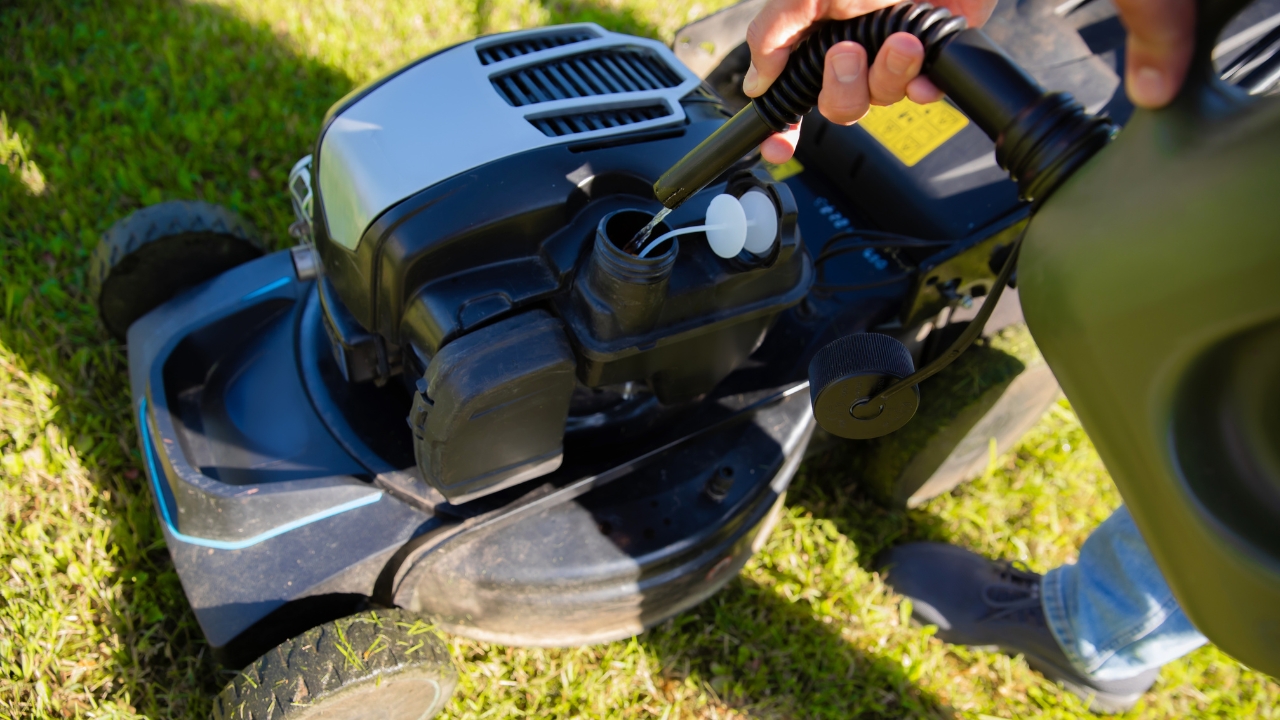
Gas breaks down faster than most people think. If it sits for weeks (or worse, all winter), it starts gumming up the fuel system.
Always use fresh fuel and add a stabilizer if your mower will sit for more than a couple weeks. Draining the tank before winter can also save you from major carburetor issues in the spring.
2. Skipping Oil Changes
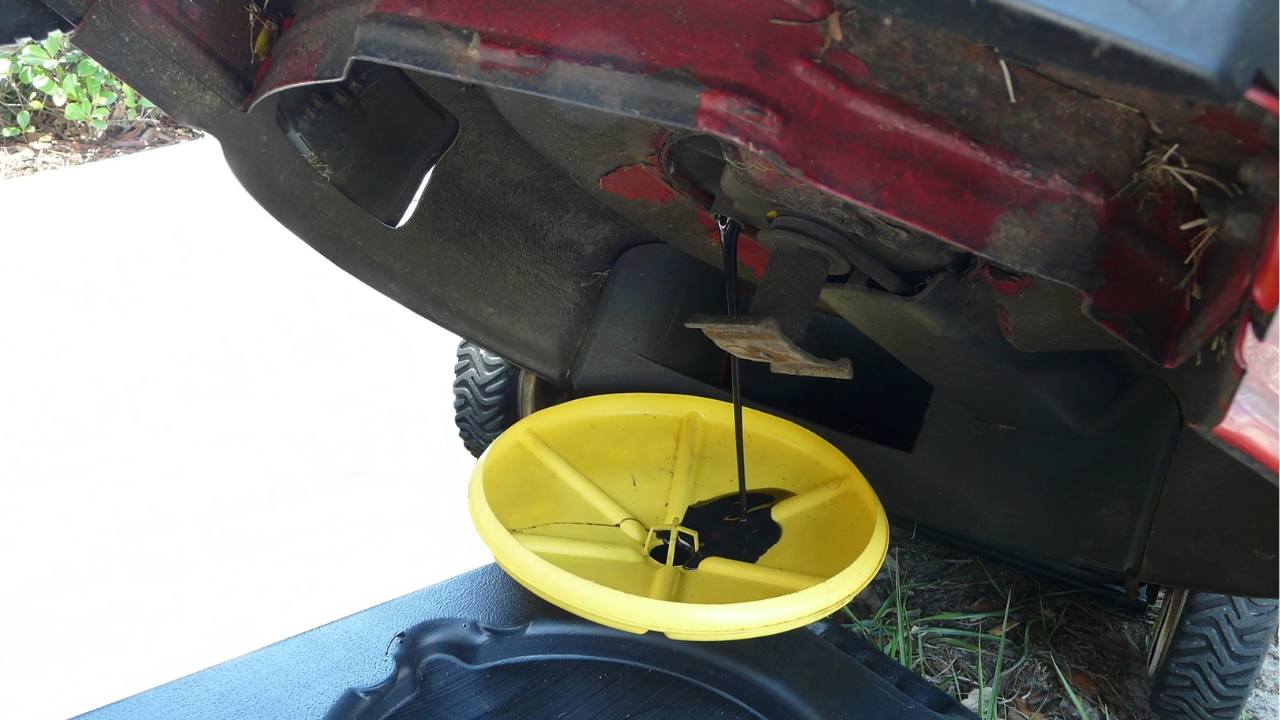
Your mower engine needs clean oil to stay lubricated and cool. If you never change it, the oil gets dirty and thick, which can cause serious wear or even engine failure.
Most mowers need an oil change once a season or after 25–50 hours of use. It’s a cheap and simple job that can add years to the life of your machine.
3. Never Cleaning Under the Deck
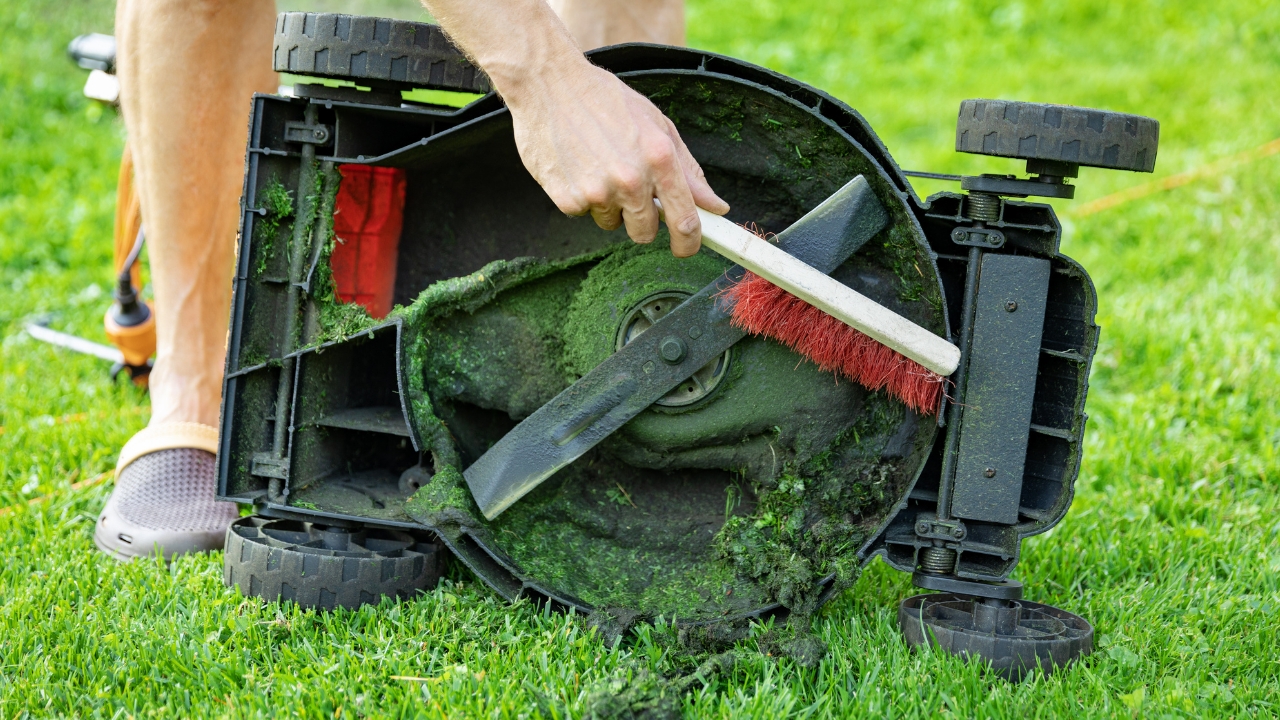
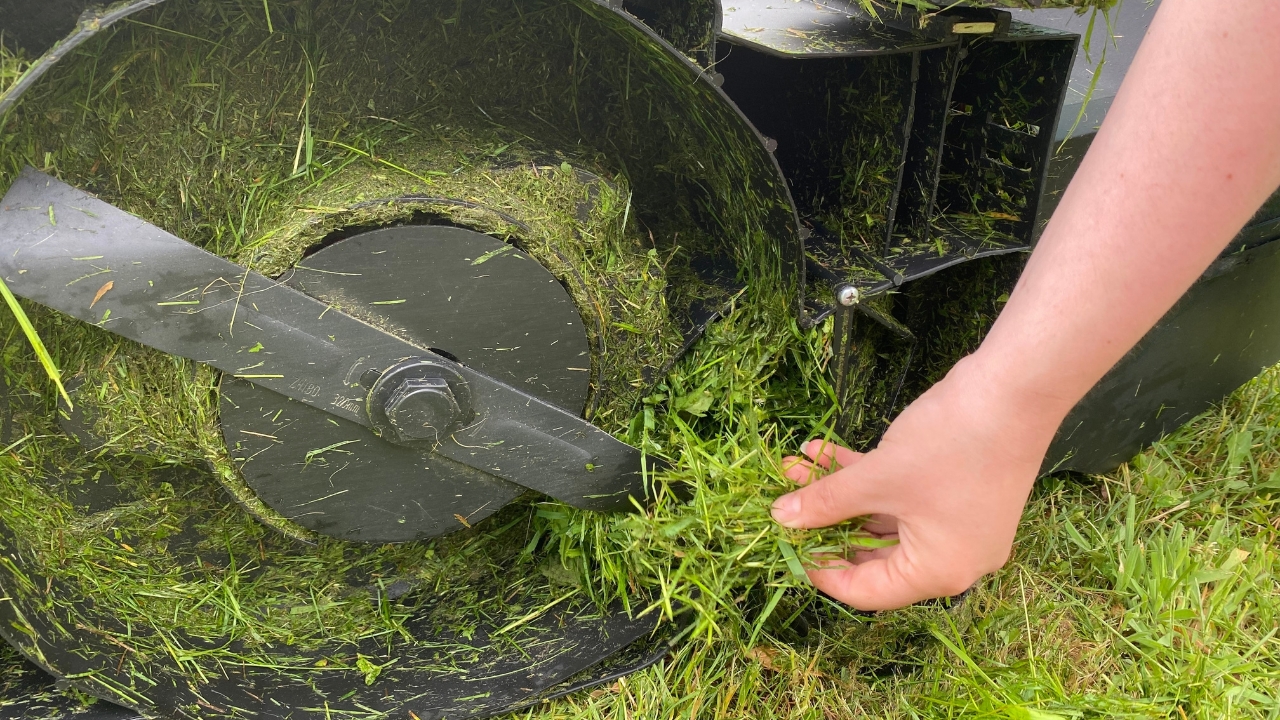
Grass and debris collect under the mower deck, holding moisture against the metal. Over time, that leads to rust and poor airflow, which affects cutting quality.
Scraping the underside after each mow keeps the deck from rotting out and helps the blade work more efficiently. Just make sure the spark plug is disconnected before flipping it over.
4. Running With a Dull Blade

A dull blade tears the grass instead of cutting it. That stresses both the lawn and the engine, since it has to work harder to push through thick, ragged cuts.
Sharpen your blade every 20–25 hours of mowing—or sooner if you hit rocks or sticks. A clean, sharp blade gives a better cut and reduces strain on the engine.
5. Letting the Air Filter Get Clogged
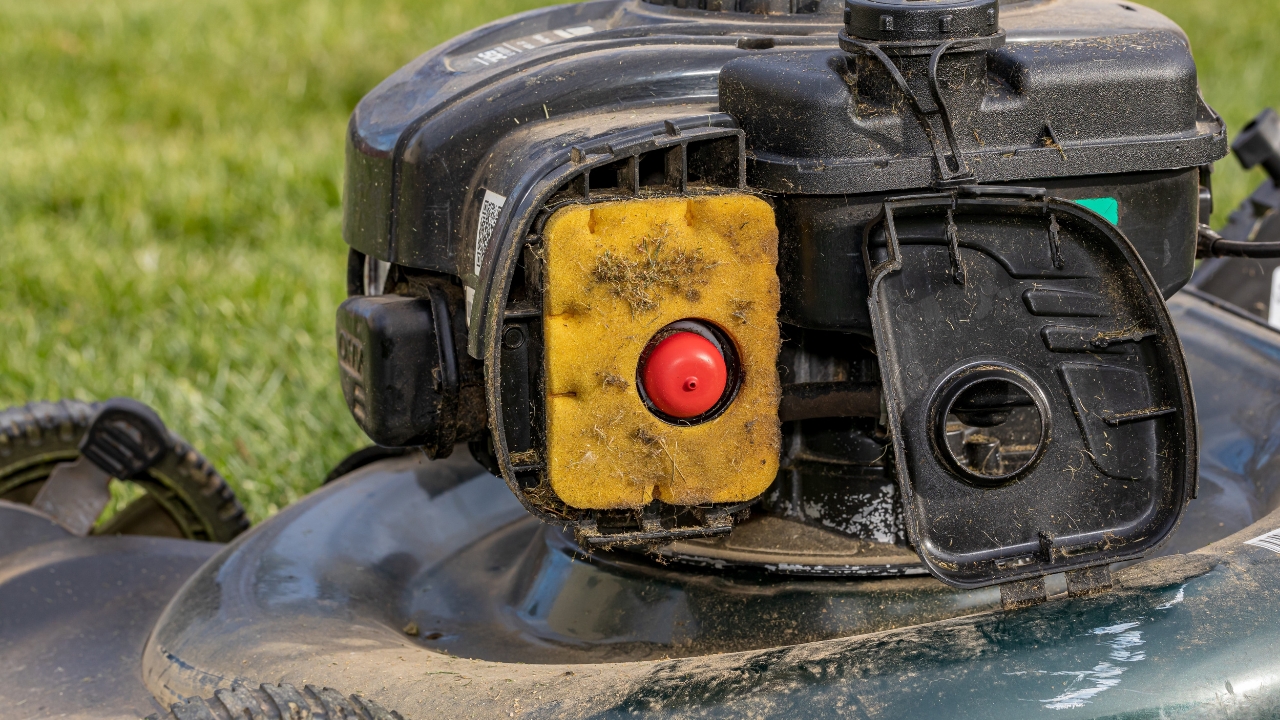
When the air filter is clogged, your mower can’t get the airflow it needs. That causes the engine to run rich, waste fuel, and lose power.
Check the filter regularly and replace it when it’s visibly dirty. It’s a cheap fix that helps the engine breathe and keeps it running smoother for longer.
6. Mowing Wet Grass

Wet grass clumps under the deck, clogs the chute, and stresses the engine. It also leaves ruts in the yard and gives you an uneven cut.
If the lawn is squishy or the blades are leaving streaks, it’s better to wait. Mowing dry grass protects your mower and gives you a cleaner finish.
7. Ignoring the Spark Plug

A worn or fouled spark plug can make your mower hard to start and run rough. If it goes unchecked too long, it can even cause engine misfires.
Replace the spark plug once a year or at the start of mowing season. It’s a cheap part and takes just a few minutes to swap out.
8. Letting the Tires Go Flat
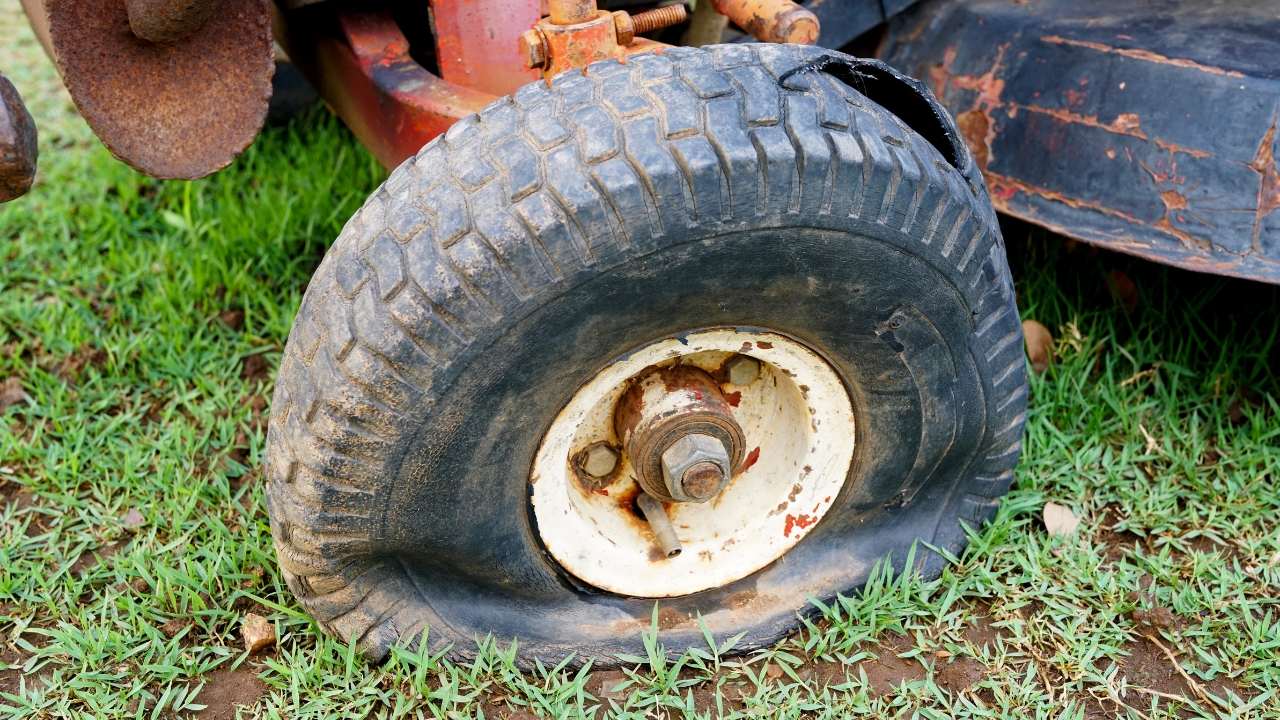
Low or uneven tire pressure can mess with your mower’s balance, wear down the deck unevenly, and make the mower harder to control.
Check the tires now and then—especially on riding mowers. Keeping them inflated to the right level protects the mower and gives you a more even cut.
9. Skipping End-of-Season Maintenance

Putting your mower away dirty and full of old gas is a good way to kill it over the winter. Come spring, you’ll be dealing with clogs, rust, and hard starts.
Before storing it, clean it thoroughly, drain or stabilize the fuel, and check the blade and spark plug. Cover it or keep it sheltered to protect from moisture and cold.
10. Ignoring the Owner’s Manual
It’s easy to overlook, but the manual has all the info on oil type, blade size, maintenance intervals, and more. Skipping it often leads to avoidable mistakes.
Even if you’ve used mowers before, every machine is a little different. Taking a few minutes to look over the manual can save you a lot of time—and money—down the line.
Like Fix It Homestead’s content? Be sure to follow us.