Calibers That Make Sense for Smaller-Framed Shooters Doing Pest Control
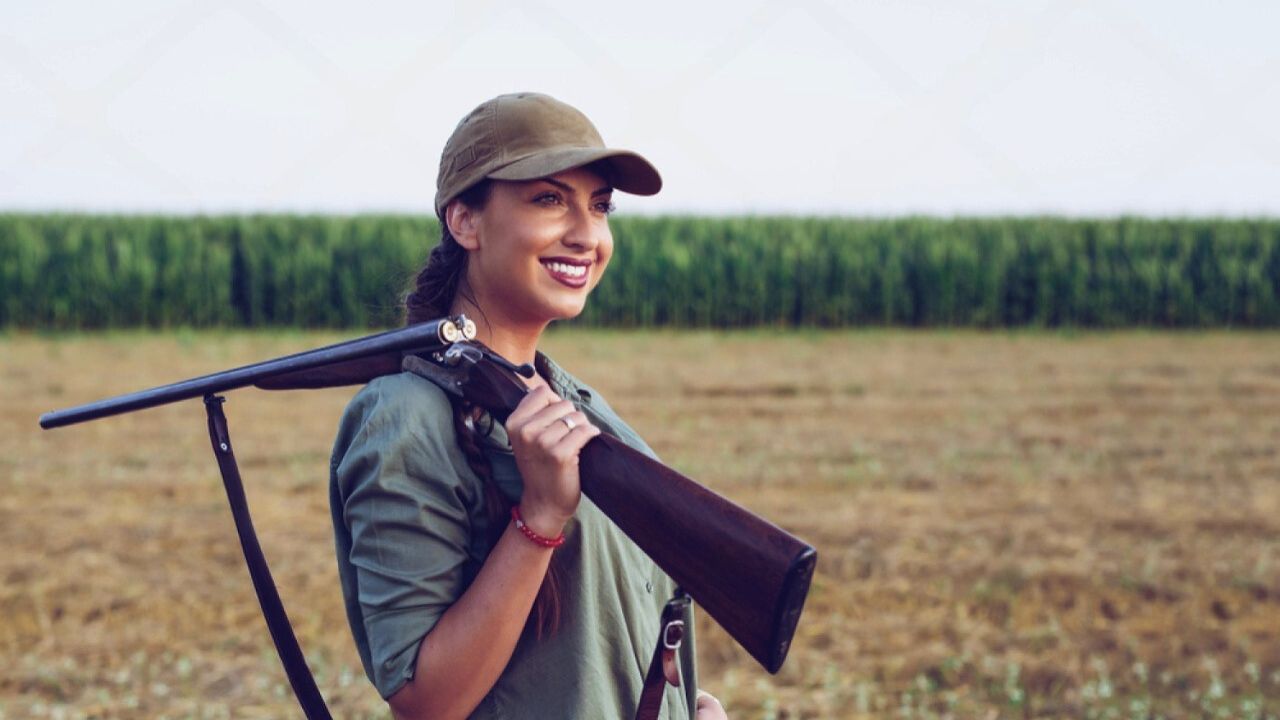
Photo credit: ZoranOrcik/Shutterstock.com
When you are a smaller framed shooter tasked with keeping pests in check, the right caliber is less about bravado and more about control, accuracy, and humane results. Recoil, report, and platform weight all shape how confidently you can handle a rifle, handgun, or air gun over a long day of dealing with everything from mice to coyotes. Choosing smart, efficient calibers lets you focus on safe shot placement instead of fighting the gun.
Across rimfire, centerfire, and air rifles, you have options that balance low recoil with enough terminal performance to dispatch pests cleanly at realistic distances. By matching caliber to target size and terrain, you can build a kit that works with your stature rather than against it, while still respecting local regulations and the ethical obligation to kill quickly.
Balancing Recoil, Control, and Humane Kills
If you are on the smaller side, recoil management is not a theoretical concern, it directly affects whether you flinch, rush shots, or avoid practice altogether. Light kicking cartridges help you maintain proper form and follow through, which is critical when you are shooting at small vital zones on pests that rarely hold still. Guidance on Bullets, bores, rifling, and pressures underscores that cartridges are engineered to deliver appropriate terminal energy at the target while still being safe to carry and fire, which is exactly the balance you need when you are not built like a linebacker.
Ethical pest control also means matching caliber to the animal so you neither wound nor destroy more than necessary. Rimfire rounds that are Ideal for Small and Medium Sized Game Rimfire, especially .22 LR, are described as perfect for hunting small to medium sized animals for food where only smaller game is targeted, which translates neatly to pest species like rabbits and tree squirrels. When you scale up to predators or deer sized pests on agricultural land, you step into mild centerfire territory that still respects your shoulder but carries enough energy to be decisive.
Why Rimfire .22 LR Still Rules Small Pests
For smaller framed shooters, .22 LR remains the workhorse for rats, ground squirrels, and similar pests because it combines minimal recoil with practical lethality at typical farm and backyard distances. You can train extensively without fatigue, and the light report is less intimidating for new or recoil shy shooters. On rabbits and squirrels, one analysis notes that the .22 LR has a theoretical maximum range that far exceeds what you should ever attempt in the field, which reinforces that your real limit is judgment and backstop, not raw ballistics, when you pick from the Honestly small set of rimfire options.
That same cartridge has become a favorite of plinkers, target shooters, and small game hunters because it is relatively inexpensive, has little recoil, and is chambered in a huge variety of rifles and handguns. Reporting on the 22LR highlights how its low cost and light kick encourage practice, which is especially important if your smaller frame makes you sensitive to blast and movement. For pest control, that translates into more confident head shots on pests like Mice and rats, and fewer wounded animals escaping into walls or burrows.
Air Rifles: Quiet Solutions for Yards and Barns
When you are working around neighbors, livestock, or outbuildings, air rifles offer a quieter, softer recoiling alternative that still handles many pest problems. Modern designs range from simple springers to sophisticated pre charged pneumatic platforms, and guidance on Small Game notes that Rifles powered by PCP systems can deliver enough energy for small game while punching a larger hole in the target. For a smaller framed shooter, that means you can carry a relatively light rifle, enjoy near zero recoil, and still anchor pests cleanly at modest ranges.
Caliber choice in air rifles matters just as much as in powder burners. A detailed comparison of .177 and .22 explains that .177 Calibre is one of the most popular and widely used sizes for air rifles, prized for its flatter trajectory, while .22 Calibre is known for its heavier pellet and greater stopping power on game. For pest control, that means .177 is ideal when you need precision on tiny targets like starlings, while .22 is better when you want a bit more authority on rabbits or tree squirrels, especially if you are using a 177 capable platform that can also handle the heavier pellets.
Choosing Calibres for Air Rifle Pest Work
Once you commit to air power, you still need to match caliber to the size of the pest and your own handling comfort. Guidance on what caliber air rifle is best for hunting notes that for Medium Sized Game such as rabbits or raccoons, .22 and .25 calibers provide the necessary power and impact to ensure a clean shot. That advice is particularly relevant if you are smaller framed, because a .22 or .25 air rifle gives you a forgiving margin of energy without the recoil and blast of a comparable rimfire, especially when you are shooting from awkward barn lofts or tight corners where stance is compromised, as described in the Medium Sized Game guidance.
At the same time, you should not overlook the role of lighter calibers for very small pests and indoor work. Many shooters find that .177 pellets are easier to place precisely and that the lower energy reduces the risk of over penetration in sensitive environments. When you are dealing with pests that, as one pest control guide notes, are small and can squeeze through tiny gaps, such as Mice and rats, a carefully chosen air rifle caliber lets you work surgically in attics, sheds, or feed rooms without the collateral damage that a centerfire round could cause.
Rimfire Handguns and Shotshells for Snakes and Close Work
Not every pest control shot is taken with a rifle, and smaller framed shooters often appreciate the compactness of a handgun when dealing with snakes, rats in tight spaces, or pests around equipment. Revolvers are frequently recommended as Best Choice platforms for this role, because they avoid cycling issues and provide reliable ignition with specialty ammunition. One detailed guide on CCI Shotshells explains that Revolvers are the Best Choice and lists Calibers like .22 LR, .38 Special, .357 M, and .44 for close range pest control, with the 38, 357 M, and 44 figures cited verbatim.
For very close work, especially indoors or around machinery, low noise rimfire loads and shotshells shine. The same CCI overview notes that 22 Short CB is perfect for tiny pests and that these loads remain rimfire quiet while still being effective on slightly larger pests. When you pair such ammunition with a compact revolver, you get a controllable, low recoil tool that even a smaller framed shooter can manage one handed if necessary, while the pattern of the What Are CCI Shotshells helps compensate for the stress of a sudden snake encounter at your feet.
Low Recoil Handgun Cartridges for Backup and Dispatch
Even if your primary pest control tool is a rifle or air gun, a low recoil handgun can be invaluable for finishing shots or dealing with surprise encounters. A review of low recoil handgun cartridges points out that They are some of the lowest kicking options available, and While .22LR might not traditionally be labeled a handgun cartridge, there are many pistols chambered for it that deliver very mild recoil. For a smaller framed shooter, that means you can carry a compact .22 or .380 ACP without dreading the practice sessions needed to stay proficient, as highlighted in the Feb discussion of how 380 ACP produces very little recoil thanks to its modest powder charge and heavier bullets.
When you combine a low recoil cartridge with a revolver or compact semi automatic, you gain a tool that is easy to stage in a pocket or chest rig while you carry a long gun. That is particularly useful when you are climbing into tree stands, crawling under equipment, or working in barns where a long rifle can be awkward. The key is to remember that these cartridges are best reserved for close range dispatch or defense against small pests, not as primary tools for larger animals, and that your smaller frame will benefit from the reduced blast and movement that encourage accurate, deliberate shooting with every trigger press.
Centerfire Choices: From Varmints to Coyotes and Deer
When pests move up the size ladder to foxes, coyotes, or even deer damaging crops, you eventually need to step into centerfire territory, even if you are recoil sensitive. The good news is that several classic calibers offer a balance of manageable kick and effective terminal performance. One overview of Minimum Caliber Requirements in the U.S. notes that the .243 Winchester is frequently regarded as the smallest legal option for deer in many jurisdictions, and it highlights how the 243 Winchester is widely accepted where deer species are abundant, which makes it a logical upper end choice for smaller framed shooters who still need to manage crop raiding deer.
For predators, the same cartridge appears again in lists of the best predator rounds, where it is described as by far one of the top options, with the 243 Win having been Introduced in 1955 and the 243 Winchester easily ranking near the top of predator cartridges. Another analysis of coyote calibers pairs 243 Winchester and .223 Remington as standout choices, reinforcing that these mid sized centerfires deliver enough reach and authority without the punishing recoil of magnums. For a smaller framed shooter, that means a well set up .223 or .243 with a good pad and perhaps a suppressor, as recommended in discussions of Here are top predator cartridges and Dec Reloading stories, can keep you effective on coyotes without leaving you bruised after a long night on stand.
Varmint and Predator Rounds That Stay Manageable
Between tiny rimfire pests and deer sized problems lies a broad category of varmints and mid sized predators where flat shooting, moderate recoil cartridges shine. One guide to varmint calibers singles out the .220 SWIFT as a standout for shooting smaller varmints from long distance, noting that if you are going to be shooting smaller varmints from a long distance, you will love using the 220 SWIFT because it can get the job done. For a smaller framed shooter, that kind of cartridge offers a compelling mix of reach and relatively modest recoil, especially in a heavier barreled rifle that soaks up movement, as described in the 220 SWIFT overview.
At the same time, you should be wary of jumping to large magnums for pest control just because they are marketed as do it all solutions. A discussion of the 7mm Remington Magnum, for example, notes that a do it Remington Magnum all hunting caliber should strike a balance, Not too fast, not too slow, which is a reminder that excessive velocity and recoil can be counterproductive when you are trying to make precise shots on small targets. For most smaller framed shooters, a mid sized varmint cartridge paired with a well designed stock and perhaps a suppressor will deliver more usable field performance than a heavy recoiling magnum that you hesitate to practice with, as highlighted in the Remington Magnum discussion of balance.
Rifles That Fit Smaller Shooters Without Punishing Them
Caliber is only half the equation for smaller framed shooters, the rifle itself must fit your body and manage recoil efficiently. Evaluations of Top Lower Recoil Hunting Rifles for 2025 highlight models like the TPS M6 M6 100 22 LR/410 Bore, which pairs a .22 LR barrel with a .410 Bore shotgun in a compact, versatile package. That combination gives you a light kicking rimfire option for precise shots and a mild shotgun barrel for close range pests, all in a platform that weighs little and is easy to shoulder, as described in the Sep Top Lower Recoil Hunting Rifles for list that cites the 100 and 410 figures.
For dedicated small game work, classic rimfire rifles like the Marlin 39A and Remington 552 Speedmaster appear in lists of The Best Squirrel Rifles, with commentary noting how these designs have earned their place through reliability and shootability. When you See these rifles at Guns shops or online, you will notice that their stocks and controls are often friendlier to smaller shooters than bulky centerfire hunting rifles, and that their mild recoil encourages long practice sessions. Choosing a rifle from the The Best Squirrel Rifles list, whether a Marlin or a Remington 552 Speedmaster, gives you a proven platform that will not beat you up while you keep squirrels and other pests out of your timber or feed stores.
Putting It All Together for Real‑World Pest Control
Once you understand how different calibers behave, you can assemble a practical, layered pest control battery that respects your size and strength. For many smaller framed shooters, that might start with a .22 LR rifle as the everyday tool, backed by an air rifle in .177 or .22 for quiet work around buildings, and a low recoil handgun or revolver loaded with CCI Shotshells for snakes and close quarters pests. Guidance that 22 LR is widely considered one of the best small game calibers for hunting squirrels and rabbits, as noted in the What Best Caliber for Hunting Squirrels and Rabbits discussion, reinforces that this rimfire should anchor your setup, while additional tools fill in the gaps.
From there, you can scale up to a mild centerfire like .223 or .243 for coyotes and deer, and perhaps add a .357 Magnum rifle if you want a crossover tool that doubles for low recoil deer hunting. One account notes that on paper, a 357 M rifle kicks about the same as the 300 BLK, but that felt recoil is actually a bit less, which is encouraging if you are worried about shoulder abuse yet still need a cartridge that can handle larger pests. Combined with the fact that 22LR has been a favorite of small game hunters for decades and that rimfire rounds are Ideal for Small and Medium Sized Game Rimfire, you can see how a thoughtful mix of calibers and platforms lets you control pests effectively without ever feeling overgunned or outmatched by your own equipment, as reflected in the Jul Magnum and BLK comparison, the Oct Minimum Caliber Requirements for Winchester, and the Aug rimfire overview.
Like Fix It Homestead’s content? Be sure to follow us.
Here’s more from us:
- I made Joanna Gaines’s Friendsgiving casserole and here is what I would keep
- Pump Shotguns That Jam the Moment You Actually Need Them
- The First 5 Things Guests Notice About Your Living Room at Christmas
- What Caliber Works Best for Groundhogs, Armadillos, and Other Digging Pests?
- Rifles worth keeping by the back door on any rural property
*This article was developed with AI-powered tools and has been carefully reviewed by our editors.