The cheap repair people skip that turns into a full ceiling mess later
Photo credit: Toa55/istock.com
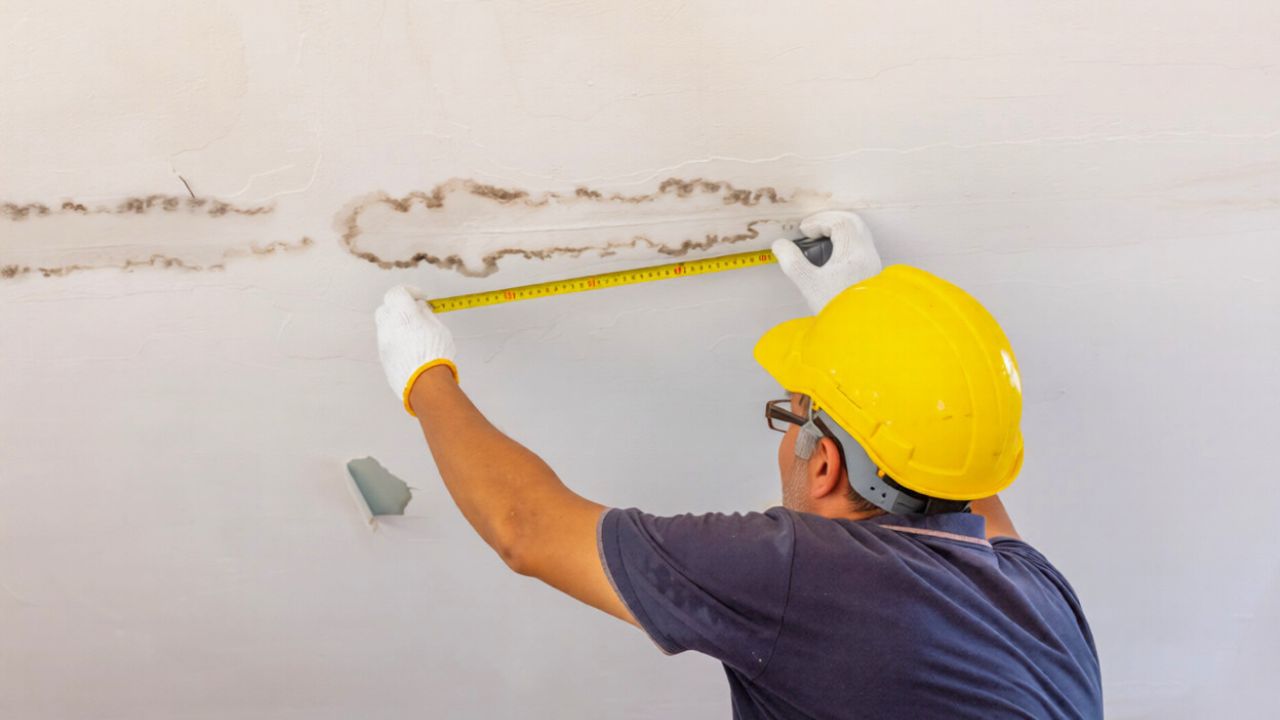
The smallest stain on your ceiling is rarely just a cosmetic flaw. It is usually the first visible sign of a leak that, if ignored, can spread through framing, insulation, drywall, and paint until you are paying for a full tear out instead of a simple patch. When you treat that early repair as optional, you are effectively trading a cheap fix today for a sprawling ceiling disaster later, with structural damage, mold, and interior finishes all on the line.
The “cheap” repair you keep postponing
The repair most homeowners skip is the first response to a minor ceiling leak, the kind that shows up as a faint yellow ring or a slightly soft patch of drywall. At that stage, you can usually solve the problem with a small section of replacement board, some joint compound, and touch up paint once the source of the water is addressed. Instead, you may convince yourself it is only a little discoloration, that it will dry out on its own, or that you will deal with it when you repaint the room, which is how a low cost intervention quietly turns into a major project.
By the time you notice sagging, bubbling, or seams splitting across the ceiling, the damage has already spread behind the surface. Water can wick along framing and insulation, saturate a much larger area of drywall than you can see, and even compromise fasteners that hold the ceiling in place. What started as a localized patch job becomes a full ceiling replacement, often paired with roof work, insulation removal, and mold remediation that could have been avoided if you had treated that first stain as a must fix instead of a maybe later.
How a tiny stain becomes structural damage
Water does not respect room boundaries or paint lines, it follows gravity and the path of least resistance through your house. When a leak drips slowly into your ceiling cavity, it can soak joists, trusses, and subflooring above long before you see anything on the surface. Over time, that constant moisture weakens wood fibers and corrodes metal fasteners, which is why experts warn that ignoring even a small ceiling leak leads to serious structural damage when water exposure is prolonged.
Once framing members start to warp or rot, you are no longer dealing with a simple ceiling repair, you are looking at shoring up or replacing parts of the building skeleton. That can mean sistering joists, rebuilding sections of roof deck, or pulling up flooring above the leak to access compromised material. At that point, the cost and disruption are measured in thousands of dollars and weeks of work, all triggered by a repair that would have been relatively cheap and contained if you had acted when the first mark appeared.
Mold, health risks, and the hidden cost of delay
Moisture trapped above your ceiling does more than stain paint, it creates ideal conditions for mold growth in dark, poorly ventilated cavities. Once spores take hold on damp drywall or insulation, they can spread quickly, releasing particles into the air that circulate through your living space. Reporting on the possible results of neglected ceiling leak repair notes that mold damage from these leaks can trigger all kinds of health issues, especially for people with allergies, asthma, or compromised immune systems.
By postponing that small repair, you are not just risking your ceiling, you are potentially exposing your household to a long term indoor air quality problem. Once mold colonies are established, you cannot simply paint over them, you need professional containment, removal of contaminated materials, and thorough drying of the structure. That kind of remediation is far more invasive than cutting out a small wet patch early, and it often requires you to vacate the affected rooms while the work is completed.
Why roof leaks and ceiling damage are inseparable
Ceiling problems rarely start in the ceiling itself, they usually begin with a failure above, often in the roof. A missing shingle, cracked flashing, or worn seal around a vent can let water in every time it rains, feeding a slow leak that eventually shows up as a stain below. Specialists who track consequences of not fixing a leaking roof point out that it is common for homeowners to delay roof repairs, only to face much larger bills when water damage spreads to the home’s interior.
Leaving a roof leak unresolved means every storm is pumping more water into your ceiling cavity, saturating insulation, staining drywall, and eventually damaging trim, fascia boards, and even floors as water finds new paths. Another analysis of what happens if you do not fix a roof leak explains that water from a roof leak can travel far from the entry point and end up rotting rafters, fascia boards, and floors, which is why a small ceiling stain often signals a much wider problem overhead.
How long you can really “wait and see”
When you first notice a mark on the ceiling, it is tempting to watch it for a while instead of calling a roofer or drywall pro immediately. You might tell yourself you will see if it gets worse, or wait for a dry spell to confirm whether the leak is still active. Guidance on a leaking roof and how long you can leave it unfixed makes it clear that if you are asking how long you can wait, the answer is that damage is already underway and every additional day of exposure increases the risk to your home’s structure and finishes.
Water intrusion is not like a scuff on the wall that can sit unchanged for months, it is a dynamic problem that worsens with each rain, each freeze thaw cycle, and each hour that materials stay wet. The longer you delay, the more likely it is that insulation will mat down and lose effectiveness, that fasteners will rust, and that the leak will find new paths into adjacent rooms. Acting quickly to locate and stop the source, then opening and drying the affected ceiling, is the only way to keep the repair in the “cheap and simple” category instead of the “full ceiling mess” you are trying to avoid.
DIY ceiling fixes that quietly fail
Even when you decide to tackle the problem, the way you repair the ceiling can set you up for repeat failures. Many homeowners underestimate the complexity of working overhead, cutting out damaged sections, and blending new drywall into an existing surface. Advice on how to avoid common ceiling install and repair errors warns that taking on too much DIY work and making poor hiring choices are two of the biggest reasons plaster and drywall ceilings end up with cracks, uneven joints, and visible seams after a repair.
If you simply skim joint compound over a stained area without cutting out the wet material, or if you screw a patch into crumbling drywall without tying it into solid framing, the repair may look fine for a few weeks and then start to sag or crack. Ceiling work also magnifies imperfections because light rakes across the surface, highlighting every ridge and dip. When you skip proper backing, taping, and sanding, you are not just saving money, you are building in a future failure that will require a larger section to be redone when it inevitably gives way.
Drywall mistakes that turn a patch into a patchwork
Even if you are comfortable with basic drywall tools, there are specific mistakes that cause ceiling patches to fail prematurely. Rushing through preparation, using the wrong compound, or skipping primer can all lead to visible seams, peeling paint, or recurring cracks around the repair. A breakdown of common drywall repair mistakes homeowners make notes that applying a quality primer is essential to seal patched areas, prevent flashing through the topcoat, and reduce the need for extra sanding later.
Ceiling patches are especially unforgiving because gravity is working against you and any weakness in the joint will show as a hairline crack or slight depression over time. If you do not feather the edges wide enough, match the existing texture, or allow each coat to dry fully before sanding, the repair will telegraph through the paint and draw more attention than the original stain. At that point, you may find yourself chasing flaws across the entire ceiling, turning what should have been a contained fix into a patchwork of mismatched areas that ultimately need to be redone professionally.
When to call a pro instead of chasing cracks
There is a point where continuing to tinker with a ceiling repair on your own stops saving money and starts compounding the problem. If you are seeing recurring cracks, new water marks after rain, or patches that never quite blend in, it is a sign that the underlying issue has not been resolved or that the repair was not executed correctly. Specialists who explain why your drywall repair is failing emphasize that recurring cracks or water damage are clear indicators you need professional installation to achieve a seamless and long lasting result.
Bringing in a qualified contractor means you get a full assessment of both the cosmetic and structural sides of the problem, from tracing the leak source to checking for hidden moisture and mold. A pro can also tell you when it is more cost effective to replace an entire ceiling section rather than keep patching isolated spots that are all being fed by the same underlying issue. While that invoice may sting in the short term, it is often far cheaper than paying for repeated small fixes that never address the root cause and eventually culminate in a full scale ceiling replacement.
Turning a potential disaster back into a small job
The way you avoid a ceiling catastrophe is by treating every new stain, bubble, or crack as a prompt to investigate, not as a cosmetic annoyance to ignore. That means checking the roof above for missing shingles or damaged flashing, looking in the attic for damp insulation or darkened wood, and using a moisture meter or professional inspection when you are unsure how far the problem extends. Once you know the source, you can stop the water, open up the affected area, and dry it thoroughly before any repair materials go back in, which is the only reliable path to keeping the job small.
From there, your focus should be on durable, not just pretty, fixes: solid backing for patches, properly taped and sanded joints, and primer that seals the surface before paint. If the damage is beyond your comfort level or you are dealing with structural concerns, mold, or repeated failures, bringing in a specialist early is not an extravagance, it is a form of insurance against the sprawling ceiling mess that comes from delay. By acting quickly and choosing the right level of help, you keep that “cheap repair” from ever graduating into the kind of full ceiling overhaul that empties your savings and disrupts your home for weeks.
Like Fix It Homestead’s content? Be sure to follow us.
Here’s more from us:
- I made Joanna Gaines’s Friendsgiving casserole and here is what I would keep
- Pump Shotguns That Jam the Moment You Actually Need Them
- The First 5 Things Guests Notice About Your Living Room at Christmas
- What Caliber Works Best for Groundhogs, Armadillos, and Other Digging Pests?
- Rifles worth keeping by the back door on any rural property
*This article was developed with AI-powered tools and has been carefully reviewed by our editors.