The thrift-store materials that look cheap until you see what they sell for online
Photo credit: BearFotos Shutterstock/com
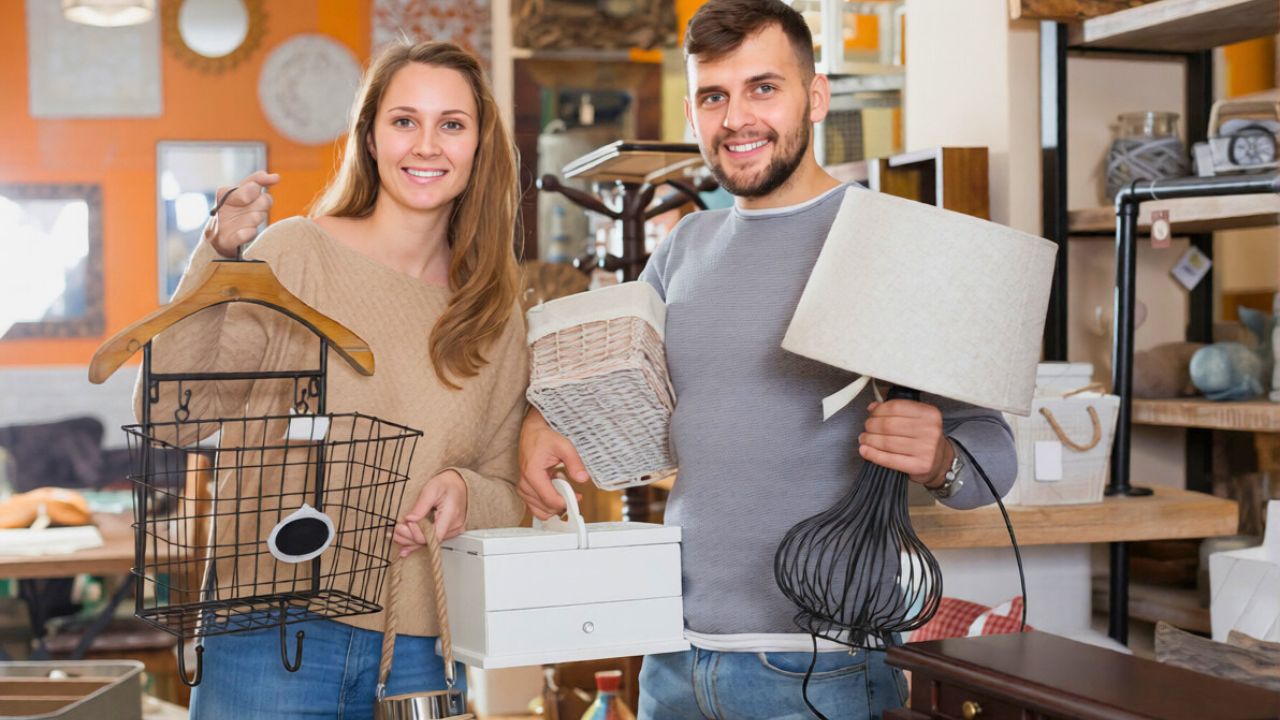
On a crowded thrift-store shelf, the most profitable items rarely announce themselves. The pieces that later command triple-digit prices online often look ordinary, even a little tired, until you know which materials and details to read as signals rather than flaws. If you train your eye for those cues, you can turn “cheap” castoffs into serious resale wins while keeping useful, beautiful objects in circulation.
The trick is to stop scanning for brands first and start noticing substance: the weight of real metal, the grain of solid wood, the patina of Vintage fabrics and the heft of old-school cookware. Once you understand which materials are quietly surging in demand, you can move through any thrift aisle with a clear strategy instead of guesswork.
Why materials matter more than logos right now
Resale trends in 2026 are tilting away from disposable decor and toward pieces that feel substantial, which is why material often matters more than the name on the label. Shoppers who are tired of flimsy particleboard and plastic are actively hunting for wood, stone, glass and metal that will last, and that shift is pushing up prices for items that might look unremarkable in a bin but photograph beautifully online. When you focus on what something is made of, you can spot value even when the branding is obscure or the style is understated.
That appetite for authenticity is especially strong in home goods, where people are gravitating toward neutral, Natural decor that pairs clean lines with materials that feel real under your hand. Expert forecasts for the coming year highlight how buyers are moving away from synthetic finishes and toward pieces that showcase visible grain, woven fibers and solid construction, a change that makes it easier for you to profit from unlabeled but well-made items that other shoppers overlook in favor of trendier, mass-produced designs.
Chrome and metal accents that look dated on the shelf
One of the most counterintuitive opportunities sits in the metal aisle, where chrome and polished steel can read as cold or dated at first glance. If the glint of a chrome accent piece catches your eye on a thrift store shelf, you might be tempted to keep walking, but current design trends are pushing these materials back into the spotlight. Influencers and home stagers are using chrome to add a sharp, reflective contrast to otherwise soft, neutral rooms, which means a lamp base or side table that looks like a relic under fluorescent thrift lighting can command a premium once it is cleaned, styled and photographed in a modern space.
That renewed interest is not limited to big furniture, it extends to smaller objects that are easier to ship and flip quickly. Sleek chrome candleholders, sculptural bookends and even metal-framed wall art are being scooped up by buyers who want a single bold accent to break up all the beige in their homes, a pattern that has led experts to flag chrome as an unexpected material predicted to be a hot grab at thrift stores. If you pay attention to weight, finish quality and condition, you can pull these pieces from the cluttered shelves and list them online at prices that reflect their current status as a design-forward choice rather than a dated leftover.
Vintage textiles and clothing that feel “too old” to matter
In the clothing racks, the items with the highest resale potential often look the least like what is on display in fast-fashion windows. Vintage clothing and accessories, especially those made from natural fibers like wool, linen and heavy cotton, can look shapeless or worn on the hanger, yet they are exactly what many online buyers are searching for. Old is not a liability in this market, it is a selling point, because older garments often feature better construction, distinctive prints and silhouettes that are hard to replicate with modern mass production.
Resale specialists consistently rank Vintage apparel among the most profitable items to flip, noting that older pieces attract an audience you can reach through targeted keywords and style niches. When you learn to recognize details like metal zippers, union tags and hand-finished seams, you can pull value from the racks that others skip, then style those finds in contemporary ways for your listings. The same logic applies to scarves, ties and handbags made from quality materials, which may look fussy or out of date in the store but photograph as unique statement pieces that stand out in a sea of new, generic accessories.
Kitchen workhorses hiding in the housewares aisle
Housewares shelves are full of scratched nonstick pans and chipped mugs, which makes it easy to miss the heavy, dark skillet or old kettle tucked behind them. Yet some of the most reliable thrift-to-online flips come from kitchen items that were built to last and have only grown more desirable as people cook at home more often. Cast iron is the clearest example: a pan that looks rough, with a dull surface and a bit of rust, can be restored with a scrub and seasoning, and buyers know that once it is cleaned up it will likely outlive the cookware they can buy new.
Seasoned cooks point out that They do not have coatings that flake off or handles that snap, and if a cast-iron pan is not cracked, it is still usable, sometimes for decades. That durability makes older skillets, Dutch ovens and griddles a smart buy even when they look neglected on the shelf, because you can invest a little elbow grease and then market them as ready for a first apartment or an upgrade from flimsy starter sets. Beyond cast iron, keep an eye out for solid metal tea kettles and saucepans from heritage makers, since experts like Jan Pearce specifically recommend hunting for high-value brands such as Ruffoni when you scan the thrift-store cookware section.
Mirrors, wood furniture and decor that blend into the background
In the furniture and decor aisles, the pieces that blend into the background are often the ones that quietly command the highest prices once they are staged in a bright room. Bold Mirrors with substantial frames, for example, can look heavy and out of place when they are leaning against a concrete wall in a thrift warehouse, but they become focal points in listing photos and in buyers’ homes. Experts say that shoppers are increasingly drawn to mirrors with presence, whether that means an oversized shape, an unusual frame profile or a finish that adds contrast to otherwise simple walls.
The same principle applies to case goods and accent pieces made from real wood rather than veneer. Midcentury Modern Credenzas, which might be scuffed or covered in old electronics in the store, are now among the most sought-after thrift finds because they combine clean lines with practical storage and a sense of history. Forecasts for the year ahead highlight how The Thrift Store Finds Everyone Will Be Looking for, Experts Say, include substantial wood furniture and sculptural mirrors that anchor a room, so when you see a solid, well-proportioned piece that just needs refinishing or new hardware, you are looking at an item that can sell for several times its thrift price once it is cleaned and photographed properly.
Art, serveware and natural materials that read as “grandma’s house”
Wall art, framed prints and old serving pieces are easy to dismiss as leftovers from someone’s attic, yet they are exactly the categories where taste is shifting fastest. Vintage items including art and serveware are expected to stay popular with buyers who want their homes to feel collected rather than staged, and that demand is especially strong for pieces that showcase natural materials. A heavy wood tray, a set of real stone coasters or a stack of linen napkins might look fussy in a thrift bin, but online shoppers see them as small, affordable ways to add texture and character to their tables.
Key Points from recent trend roundups emphasize that Natural materials like wood, cotton and stone will continue to fly off thrift shelves in 2026, particularly when they are paired with simple, neutral color palettes. That means you should pay attention to the feel of an object as much as its pattern: a plain, thick cotton tablecloth can be more valuable than a brightly printed synthetic one, and a slightly tarnished brass candlestick can out-earn a shiny but lightweight knockoff. When you learn to recognize the weight, temperature and texture of real materials, you can pull profitable pieces from the “grandma’s house” section and present them online as timeless rather than dated.
How influencers and online communities are reshaping thrift value
One reason these humble materials are suddenly commanding higher prices is the way influencers and online communities are reframing what counts as aspirational. Short videos and styling reels show viewers how to mix chrome with warm woods, layer Vintage textiles over modern sofas and build gallery walls from thrifted art, and those visuals create demand for items that used to sit untouched on the shelf. When a creator walks through a store and points out the exact kind of metal lamp or wood frame they would buy, they are effectively publishing a shopping list that thousands of followers then carry into their own local shops.
That feedback loop is especially clear in content where Influencers share real-time thrift hauls and styling tips, such as the clips that spotlight chrome accent pieces and substantial mirrors as must-grab finds. In one widely shared reel, a creator walks viewers through a store and highlights how a single reflective object can transform a neutral room, a message that has helped push chrome and other metals from “dated” to “desirable” in the eyes of younger buyers. As you watch these trends play out, you can use the same cues to guide your own hunts, focusing less on what looks trendy in the store and more on what you see being celebrated and reimagined online.
Turning cheap-looking finds into consistent online profit
Spotting valuable materials is only half the equation, the rest lies in how you present and price your finds once you bring them home. Successful flippers treat each item as a small case study in what buyers want to see: clear photos that highlight texture and scale, honest descriptions of condition and thoughtful keywords that connect the piece to current trends like “midcentury,” “chrome accent” or “Vintage linen.” When you list a heavy wood side table, for example, you are not just selling furniture, you are selling the idea of a more grounded, Natural home, and your language and styling should reflect that.
Experienced resellers who track the most profitable items to flip in 2026 consistently point to categories like Vintage clothing, solid-wood furniture and durable cookware as smart bets, precisely because they combine enduring materials with strong online demand. By focusing your thrift hunts on those materials, you reduce the risk of getting stuck with items that only looked good under store lighting and instead build an inventory that holds its value. Over time, you will find that the pieces other shoppers pass by as “cheap” are often the ones that quietly fund your next round of sourcing, as long as you have trained your eye to see what they are really made of.
Like Fix It Homestead’s content? Be sure to follow us.
Here’s more from us:
- I made Joanna Gaines’s Friendsgiving casserole and here is what I would keep
- Pump Shotguns That Jam the Moment You Actually Need Them
- The First 5 Things Guests Notice About Your Living Room at Christmas
- What Caliber Works Best for Groundhogs, Armadillos, and Other Digging Pests?
- Rifles worth keeping by the back door on any rural property
*This article was developed with AI-powered tools and has been carefully reviewed by our editors.