The generator load mistake that trips breakers and wastes fuel all night
Photo credit: VVVproduct/Shutterstock.com
When the power fails, you expect your generator to hum steadily in the background, not to spend the night tripping breakers and burning through fuel for almost no useful power. The most common culprit is not a mysterious electrical gremlin but a basic mistake in how you size and load the unit. If you understand how that error happens and how to correct it, you can keep the lights on, protect your equipment, and stop wasting fuel until sunrise.
The quiet mistake: sizing the generator for “everything” instead of what you need
The trouble often starts long before you pull the recoil starter, when you choose a generator sized for your entire wish list instead of the loads you will actually run. Industrial service data shows that improper sizing and load is a “common generator problem,” with units either too small to handle demand or so large that they never operate in a healthy range, which can lead to overheating, nuisance trips, and even destructive fires if the mismatch is severe enough, as highlighted in guidance on improper sizing. You see the same pattern at home when someone buys a 12 kW portable unit “just in case,” then runs a single fridge and a lamp all night, leaving the engine loafing, the fuel consumption high, and the electrical side barely engaged.
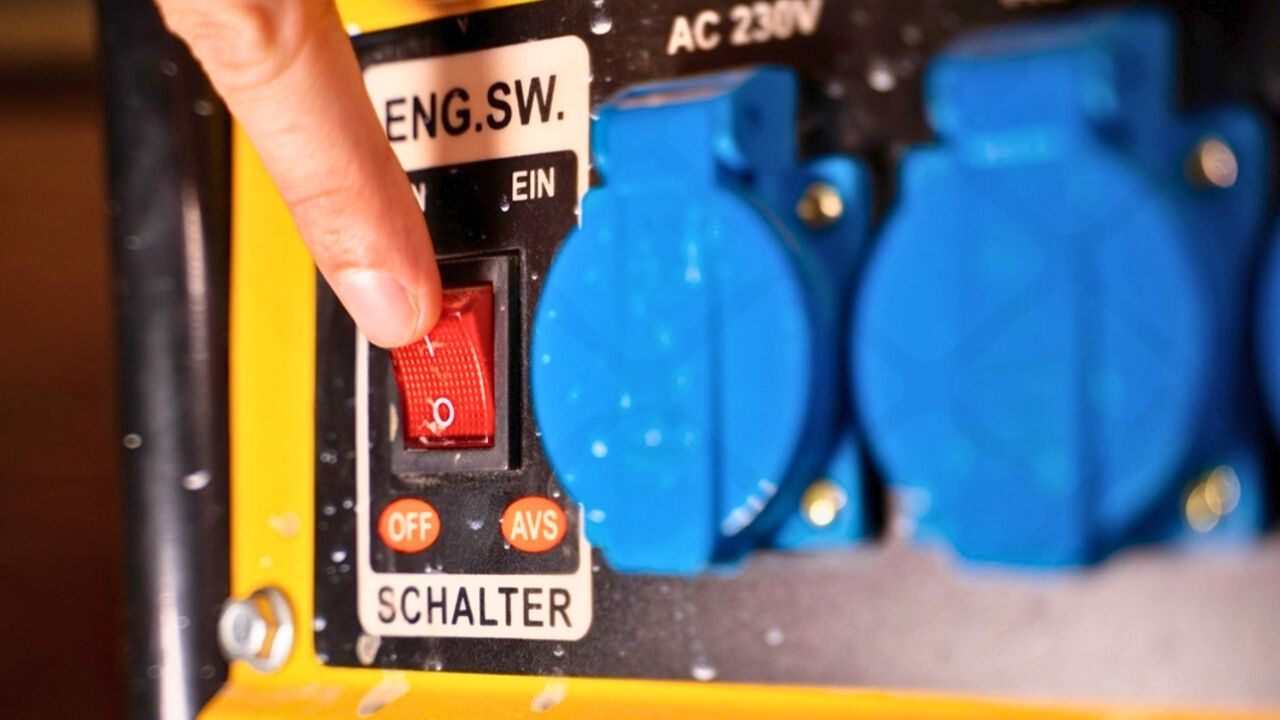
On the other end of the spectrum, undersizing is what leads to the classic scenario where you flip on a microwave or well pump and the generator’s breaker snaps off in protest. A main breaker is designed to trip when the current exceeds its rating or when a fault is detected, and video walk-throughs on how to fix a generator that keeps tripping the breaker stress that the device is protecting the windings and wiring from overload, not malfunctioning for no reason, as explained in tutorials such as Sep. If you size the unit to run your entire house “like normal,” then actually try to do that, you are setting yourself up for a long night of resets, partial blackouts, and wasted gasoline.
Why your breaker keeps snapping off under load
Once the generator is running, the most visible symptom of a load mistake is a breaker that will not stay on. Owners often describe a pattern where the unit starts fine, accepts a small load, then trips as soon as a heavier appliance kicks in, which is exactly the behavior described in discussions of gas powered generators that “worked fine up until” a recent change and now trip as soon as they are plugged into the house, as in one case shared under Jul. In many of these situations, nothing “mystical” has failed; the total load, especially during motor start-up, simply exceeds what the breaker and alternator can safely deliver.
Technical troubleshooting notes point out that a generator that starts flawlessly but trips shortly after taking load can also be suffering from fuel delivery problems, low voltage, or poor frequency control, all of which make the machine more sensitive to sudden demand spikes. When fuel flow is restricted or the engine is not allowed enough warm-up time, the voltage sags as soon as you add a big appliance, which can trigger protective circuits and shut the system down, a pattern described in detail in guidance on Troubleshooting Generator Trips Under Load. The result for you is the same: a dark house, a hot breaker, and an engine that has burned fuel for nothing.
Light loads, heavy consequences: when “just a few things” is still wrong
It is tempting to assume that if overloading is bad, then running a generator on a very light load must be safe, but that assumption is another way to waste fuel and shorten the life of the machine. Owners of small portables have documented cases where a unit shows overload warnings or unstable behavior even with slight loads, only to discover that the underlying issue is a carburetor or jet that has not been cleaned in years, as one commenter suggested after carefully Looking at a video of a misbehaving set. When the engine cannot breathe or fuel properly, it struggles to maintain speed and voltage, so even modest appliances can push it into a fault condition.
At the same time, running a large generator for a handful of low wattage devices all night is a classic recipe for glazed cylinders, wet stacking, and poor combustion, especially on diesel units that are designed to work under a meaningful share of their rated capacity. Industrial experience with Common generator problems shows that chronic underloading can be just as damaging as chronic overloading, because the engine never reaches proper operating temperature and unburned fuel accumulates in the exhaust. For you, that translates into a machine that drinks fuel, smokes, and eventually refuses to carry even the small loads you bought it for.
The overnight trap: running all night when you do not need to
The other half of the “wasted fuel all night” equation is time. Many people assume that once the generator is running, it should simply stay on until grid power returns, but safety and operating guidance for portable units is far more cautious. Advisories on whether it is okay to run a generator overnight stress that continuous operation needs planning, precaution, and someone awake to monitor the machine, and they warn that you should not leave a portable unit running while you sleep, as explained in advice on whether you should Run a Generator Overnight. If you size and schedule your loads intelligently, you can often shut the unit down for long stretches, saving fuel and reducing risk.
Preppers and long outage veterans have refined this into a deliberate strategy: instead of running the generator nonstop, they cycle it for specific tasks, such as cooling refrigerators and freezers, then shut it off while the food coasts on stored cold. One widely shared approach is to run the generator twice a day, long enough to keep perishables safe and charge batteries, then rely on insulation and careful door opening to prevent food poisoning in those circumstances. By matching runtime to actual needs instead of habit, you cut fuel use dramatically and reduce the hours your equipment spends under stress.
Load planning that keeps breakers on and fuel use down
To avoid the breaker trips and fuel waste that come from guesswork, you need a simple load plan before the lights go out. Start by listing the specific appliances you cannot do without, then note their running and starting wattage from the nameplate or manual, paying special attention to anything with a motor or compressor, such as a 3 ton central air unit, a 1 hp well pump, or a full size refrigerator. Technical notes on preventing generator overload emphasize that if you notice dimming lights, a struggling engine, or breakers tripping, you should immediately reduce the load and let the unit and your appliances cool down, a point underscored in guidance on how to Prevent Generator Overload. That kind of disciplined response protects both the generator and the devices you are trying to save.
Once you know your critical loads, you can schedule them so they do not all start at once. For example, you might run the well pump and water heater in a short window, then switch to the refrigerator and a few LED lights, rather than letting everything cycle randomly. Experienced technicians who field questions about main circuit breakers tripping on standby units often boil the problem down to three possibilities, one of which is that at certain times the total load briefly exceeds the rating of the generator as a result of high demand, as explained in a forum discussion that begins with Apr. By staggering heavy loads and avoiding simultaneous starts, you keep the current below that invisible cliff where the breaker has no choice but to open.
Safety rules that matter more at 3 a.m.
When you are tired, the temptation is to “just plug it in and go back to bed,” but that is exactly when small shortcuts turn into big hazards. Electric cooperatives and safety campaigns repeat the same core rules: never connect a generator directly to your home’s wiring without a transfer switch, always shut off appliances before starting the unit, and never leave a running generator unattended, guidance captured in reminders that you should Never leave a running unit where it cannot be monitored. Those rules are not bureaucratic overkill; they are a direct response to fires, backfeed incidents, and carbon monoxide poisonings that have followed improvised setups.
Community emergency response teams also stress practical details that are easy to overlook in the dark, such as never plugging a generator directly into a home outlet, keeping the unit outside where fumes cannot accumulate, allowing the engine to cool at least 10 minutes before refueling, and using only properly rated extension cords and transfer switches. Safety bulletins spell out that generator fumes can kill when there is not enough fresh air, that engines emit carbon monoxide, and that you must not run a generator in an enclosed area, all summarized in checklists that begin with “Home Outlet – Never plug your generator directly into your home outlet” and continue through warnings about Portable generator fumes and wet conditions. Following those steps does not just keep you compliant; it keeps you alive.
Maintenance and monitoring: the unglamorous fix for midnight failures
Even with perfect load planning, a neglected generator will find ways to fail at the worst possible moment. Long term reliability data on home standby units shows that battery failures are a leading cause of faltering and failing generators, and that oil leaks, coolant issues, and problems with the engine’s block heater or load bank can all prevent the system from working as designed, as detailed in technical notes on What Causes Generators to Falter and Fail. If you only think about the machine when the lights go out, you are effectively gambling that none of those slow, predictable problems have had time to develop.
Safety organizations urge you to treat installation and upkeep as seriously as you treat fuel storage, starting with having a qualified electrician install any transfer equipment and continuing with regular testing and servicing according to the manufacturer’s schedule. They also warn that improper connections can backfeed power into utility lines and endanger repair crews, which is why they insist that you Follow the instruction to have a qualified electrician install and maintain the system. Combined with the earlier advice on load planning and runtime, that kind of disciplined maintenance is what turns a noisy, fuel hungry headache into a quiet, reliable backup that does exactly what you need and nothing more.
Like Fix It Homestead’s content? Be sure to follow us.
Here’s more from us:
- I made Joanna Gaines’s Friendsgiving casserole and here is what I would keep
- Pump Shotguns That Jam the Moment You Actually Need Them
- The First 5 Things Guests Notice About Your Living Room at Christmas
- What Caliber Works Best for Groundhogs, Armadillos, and Other Digging Pests?
- Rifles worth keeping by the back door on any rural property
*This article was developed with AI-powered tools and has been carefully reviewed by our editors.