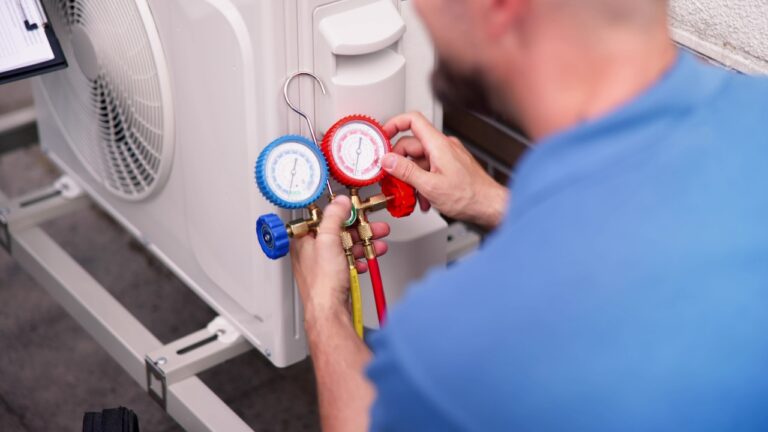
What a burning smell actually means and what to do immediately
Photo credit: AndreyPopov/istock.com
The sharp scent of something burning instantly cuts through background noise, and for good reason: it is one of the most reliable early warnings that you, your home, or your car may be in danger. When you notice it, your next few minutes matter more than you might think. Understanding what that smell actually signals, and how to respond before smoke or flames appear, can turn a potential disaster into a contained repair job.
Instead of dismissing a faint burning odor as “probably nothing,” you can learn to decode it, from electrical overheating to engine trouble or even a health issue. With a clear checklist in mind, you will know when to flip a breaker, when to pull over, when to call 911, and when a lingering burnt smell is simply a cleanup problem rather than an emergency.
1. Why a burning smell is an alarm you cannot ignore
When you smell burning without an obvious, harmless source like a toaster or candle, you are getting an early alert that something is breaking down under stress. Heat is damaging insulation, oil, plastic, or wiring long before visible flames appear, and that damage can escalate quickly if you keep using the appliance, outlet, or vehicle as normal. Electrical systems are especially unforgiving, because a small fault can arc, ignite nearby material, and spread through walls or engine bays in minutes.
Professionals who deal with home systems stress that an unexplained burning odor in a house is never a good sign, because it often means something is overheating behind walls or inside equipment where you cannot see it. A quick and correct is the difference between a minor repair and a serious fire. The same logic applies in your car, where a burning smell often signals mechanical or electrical trouble that can damage the engine or brakes if you keep driving, as detailed in guidance on common causes of burning smells in your vehicle.
2. First moves: what to do in the first 60 seconds
Your first priority when you catch a burning odor is to protect people, then property. Stop what you are doing and quickly scan for obvious sources like a pan left on the stove, a space heater too close to fabric, or a candle near paper. If you see smoke, flames, or an outlet that is hot or discolored, get everyone away from the area, close doors behind you to slow any fire, and be ready to call emergency services. In a car, that means signaling, pulling over safely, turning off the engine, and getting passengers out before you start investigating under the hood.
If you do not see flames but the smell is strong or getting worse, treat it as a developing emergency. Electricians advise turning off power to the affected circuit at the breaker panel, or if you are unsure which circuit is involved, shutting off the main breaker entirely, then calling a qualified professional. One detailed emergency checklist for a burning smell from notes that if you see smoke, flames, or charring, you should get out and call 911 because fires can develop within minutes to hours. In a house, once everyone is safe and any immediate fire risk is addressed, you can start methodically tracking the source so you do not restore power or resume normal activity until you know what failed.
3. Decoding electrical burning: plastic, rubber, and ozone
Electrical problems have a distinctive scent profile that you can learn to recognize. When wiring, outlets, or appliance components overheat, they often give off a hot, acrid odor similar to burning plastic or rubber, sometimes mixed with a sharp, chemical tang. That smell comes from insulation, wire coatings, or internal parts breaking down under excessive current or poor connections. If you notice it near a particular outlet, light fixture, or appliance, treat that spot as suspect and stop using it immediately.
Specialists who investigate electrical fires explain that an electrical fire can smell like burning plastic or rubber, and sometimes like a fishy or metallic odor, depending on which materials are overheating. Restoration experts add that there are two especially distinctive odors associated with an electrical fire smell, and both should prompt you to stop using the affected circuit and call for help. Guidance on electrical burning smell risks notes that this odor often means wires or devices are overheating and potentially creating a fire hazard, so ignoring it is not an option.
4. When the burning smell is coming from your furnace or HVAC
Heating systems create heat by design, so it can be tricky to know when a burnt odor from a furnace or HVAC unit is normal and when it signals danger. At the start of the heating season, a brief dusty smell can be harmless, caused by accumulated lint and debris burning off internal surfaces after months of inactivity. That odor should fade within a few cycles. If it lingers, grows stronger, or smells more like hot metal, plastic, or smoke, you may be dealing with a mechanical problem or an electrical fault inside the unit.
Manufacturers explain that types of burning range from burning dust or lint to more serious odors linked to overheating components or a cracked heat exchanger. A separate guide on burning smell in problems notes that an electrical fire smell in house issues can be caused by wiring, blower motors, or other internal parts, and that a heat exchanger issue is especially serious because it can allow combustion gases into your living space. If your system emits a persistent burning odor, shut it down at the thermostat and breaker, then call a licensed technician rather than continuing to run it.
5. Kitchen and hidden household sources you might overlook
In the kitchen, it is easy to blame every burnt odor on cooking, but some smells point to hidden electrical or appliance issues. If you notice a burning scent when no burners are on, or long after you have finished cooking, check behind and under appliances for scorched wiring, melted plastic, or signs of arcing near outlets. Range hoods, dishwashers, and microwaves all contain motors and electronics that can overheat and produce a hot, plastic-like odor even when the front of the appliance looks normal.
Home service specialists advise that if you detect an electric fire smell in the kitchen but cannot see anything wrong, you should head to your fuse box and switch off power to the area where the smell is coming from, or even to your whole house until help arrives. Broader advice for a burnt smell in emphasizes that once you find the source, you can fix the problem and get your home smelling fresh again, but that you should start with immediate safety checks before chasing minor nuisances. A companion guide that highlights smells that signal notes that some odors, especially those linked to electrical faults or combustion, are associated with increased indoor air risks identified by the World Health Organization, which is another reason not to ignore them.
6. Burning smells in your car: brakes, oil, and wiring
Inside a vehicle, a burning odor is often your first clue that a critical system is under stress. Overheated brakes can produce a sharp, acrid smell after repeated hard stops or driving downhill, while leaking oil that drips onto hot engine parts tends to smell like burning oil and may be accompanied by light smoke from under the hood. Clutch problems in manual transmissions can create a hot, metallic scent, and electrical issues behind the dashboard can smell similar to melting plastic in a house.
Automotive technicians warn that a burning smell often something is wrong under the hood, such as an overheating engine, slipping belts, or fluid leaks, and that you should not keep driving as if nothing is wrong. Another detailed breakdown of what that burning in a car highlights burning oil as a classic and costly warning sign that can lead to engine damage if ignored. A separate guide that urges drivers to follow your nose through bad car smells lists weird car odors and their potential causes, and stresses that paying attention to them keeps you safe on the road.
7. Outlet and wiring emergencies: when to kill the power and leave
When the burning odor is clearly coming from a specific outlet, switch, or light fixture, you are dealing with a localized electrical emergency. The safest move is to stop using that device immediately, unplug anything connected to it if you can do so without touching hot or damaged surfaces, and then shut off power at the breaker. Do not test the outlet “one more time” or assume that a faint smell will go away on its own, because the underlying fault may still be heating nearby materials even when nothing is plugged in.
Electricians who specialize in these incidents describe an electrical burning smell as one of the most urgent warning signs in a home, and they recommend a clear sequence: turn off the power at the panel, avoid using the affected area, and call a professional. Another section of the same guidance advises that if you detect this odor and especially if you see smoke or flames, you should turn off the at the main breaker and get out immediately, then call emergency services from a safe location. That aligns with the outlet-specific emergency checklist, which underscores that fires can develop within minutes to hours after the first smell, so waiting to see visible flames is a dangerous gamble.
8. When the problem is not in the room: health and phantom smells
Sometimes you smell burning when there is no actual source in your surroundings, and no one else can detect it. That experience, often described as a phantom odor, can be unsettling, but it is important not to dismiss it outright. Medical specialists note that smelling something burning without an external cause can be linked to issues in the nose, sinuses, or brain, and in some cases may be associated with neurological conditions that affect how your brain processes smell signals.
Health guidance that asks smelling something burning a sign of what explains that a burning smell might mean a serious health problem, especially if it recurs or is accompanied by other symptoms like headaches, seizures, or changes in behavior. A related overview on smelling something burning emphasizes that while environmental checks are essential, persistent phantom smells warrant medical evaluation rather than endless home inspections. If you have ruled out obvious sources in your house and car, and others around you do not notice the odor, it is reasonable to raise the issue with a doctor instead of assuming it is “all in your head.”
9. Turning a scary smell into a safety habit
Once you understand what different burning odors can signal, you can turn that knowledge into a routine safety habit instead of a source of constant anxiety. In practice, that means pausing whenever you notice a burnt scent, quickly checking for visible hazards, and then following a simple decision tree: if you see smoke or flames, get out and call for help; if you suspect an electrical issue, cut power and call a professional; if the smell is tied to your car, pull over and have it inspected; and if there is no external source, consider a medical check. Over time, this response becomes automatic, much like fastening a seat belt when you get into a car.
Home maintenance guides aimed at people who search “burnt smell in” stress that your family’s safety is non-negotiable and that immediate safety checks come first, before deodorizing or cosmetic fixes. Electrical experts who outline urgent safety warnings about electrical burning smells echo the same principle: treat the odor as a serious warning, act quickly, and let qualified professionals find and fix the damage properly. By treating every unexplained burning smell as a prompt to slow down, investigate, and, when needed, call for help, you give yourself the best chance of catching problems early, protecting both the people around you and the places you live and drive.
Supporting sources: Smells that Signal.
Like Fix It Homestead’s content? Be sure to follow us.
Here’s more from us:
- I made Joanna Gaines’s Friendsgiving casserole and here is what I would keep
- Pump Shotguns That Jam the Moment You Actually Need Them
- The First 5 Things Guests Notice About Your Living Room at Christmas
- What Caliber Works Best for Groundhogs, Armadillos, and Other Digging Pests?
- Rifles worth keeping by the back door on any rural property
*This article was developed with AI-powered tools and has been carefully reviewed by our editors.