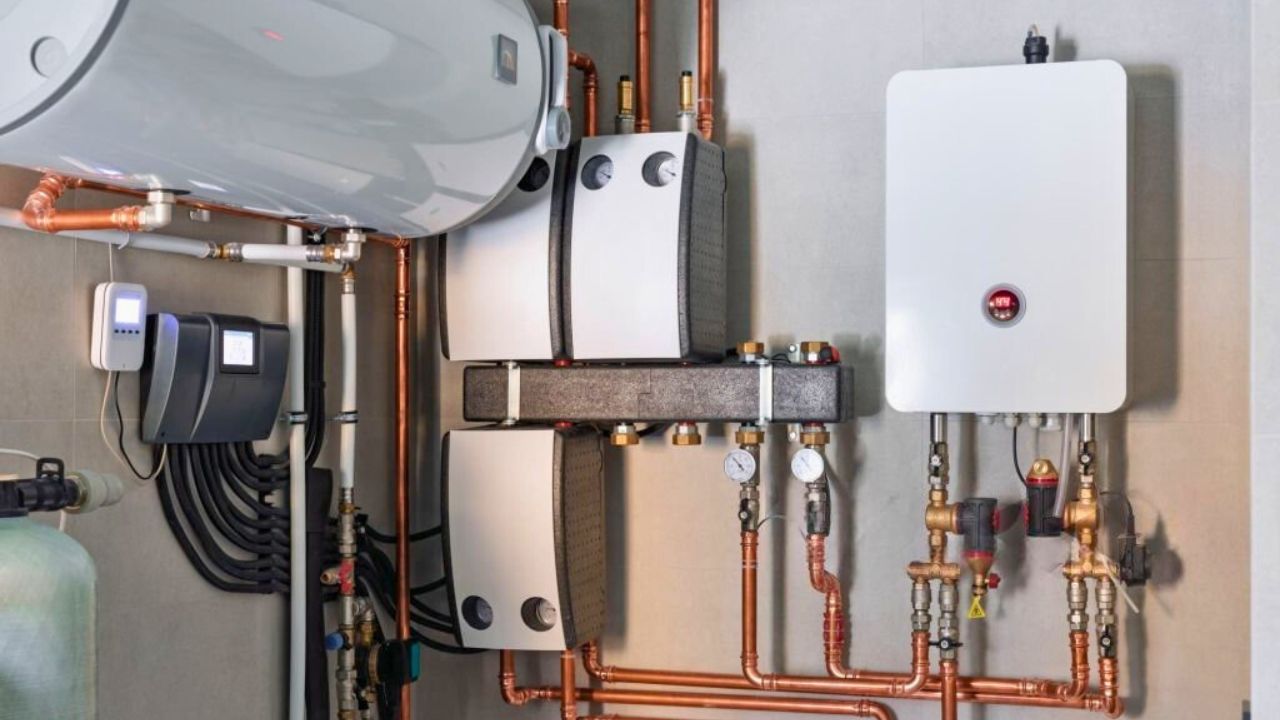
The home system most likely to fail during extreme cold snaps
Photo credit: Tetiana Garkusha/istock.com
When temperatures plunge, the system most likely to fail is the one you notice only when it stops working: the network of pipes, heating equipment, and controls that keep your home warm and supplied with water. Extreme cold does not just test comfort, it exposes weak links in furnaces, heat pumps, and plumbing that may have gone unnoticed all year. Understanding where those failures usually start gives you a chance to fix problems on your schedule instead of in the middle of a deep freeze.
The core risk is simple. Your home’s mechanical and water systems were designed for a certain range of conditions, and sudden Arctic air can push them past that limit in a matter of hours. If you know which components are most likely to give out first, you can prioritize maintenance, spot early warning signs, and avoid the kind of cascading damage that turns a cold snap into a financial crisis.
Why your heating system is under the most stress
In a brutal cold snap, your heating system is the first line of defense and the most likely to buckle under pressure. When outdoor temperatures drop quickly, furnaces and boilers run almost nonstop, cycling far less than they were designed to. HVAC specialists explain that heating equipment operates most efficiently when outside conditions change gradually, not when a mild afternoon turns into a subzero night. That sudden demand spike exposes every marginal component, from blower motors to ignition systems.
At the same time, your home’s envelope leaks more heat as the temperature difference between indoors and outdoors widens. Poor insulation, drafty windows, and unsealed attic penetrations force your furnace or heat pump to work even harder just to hold the thermostat set point. Guidance on how winter weather underscores that cold alone, even without snow or ice, can strain everything from siding to seals, which in turn increases heat loss. The result is a feedback loop: more heat escaping, more runtime, and a higher chance that your primary heating system will be the first major failure when the mercury crashes.
Furnaces: the hidden weak point in extreme cold
Among heating options, traditional forced-air furnaces are especially vulnerable if you have deferred maintenance. Service companies list “Furnace Not Working” as the top Winter Home Emergency, noting that few moments are as alarming as waking up to a cold house when the unit should be running. In extreme cold, safety controls inside the furnace can trip more often, burners can struggle to ignite, and older units may short cycle or shut down entirely if they cannot keep up with the load. Every time the system locks out, your home temperature drops, which increases the risk of frozen plumbing elsewhere.
Technicians in Anchorage describe a familiar pattern during deep freezes: dirty air filters, clogged intake or exhaust vents, and neglected tune-ups combine with record demand to knock furnaces offline just when you need them most. The analysis of Why Furnaces Fail During Anchorage Cold Snaps and How to Prevent It highlights that something as simple as a blocked combustion air pipe or a worn igniter can turn into a no-heat emergency once temperatures plunge. If your furnace has not had its burners cleaned, heat exchanger inspected, and filter replaced ahead of winter, it is statistically the system most likely to fail first, and its failure can trigger a chain reaction of other damage.
Heat pumps and hybrid systems under sudden temperature swings
If you rely on a heat pump, the risk profile looks different but just as serious. These systems move heat rather than generate it, and their efficiency drops as outdoor air gets colder. When a polar blast hits, many units run continuously, and if the equipment is undersized or the backup heat is not configured correctly, indoor temperatures can sag. Specialists who explain how heat pumps in cold weather warn that if your heat pump is undersized or your thermostat has limitations, the system can struggle to maintain comfort during sudden cold snaps and may rely heavily on expensive electric resistance strips.
Hybrid setups that pair a heat pump with a gas furnace can also falter if the switchover temperature is set incorrectly or if the furnace side has not been maintained. When the heat pump can no longer extract enough outdoor heat, the system should hand off to the furnace automatically. If that handoff fails, you can end up with lukewarm air at best. Advice on avoiding heat emergencies during a deep freeze stresses that when temperatures reach dangerously cold levels, any obstruction of outdoor units by ice or snow can cause the system to stall. That combination of mechanical stress and control complexity makes modern heat pump systems another leading candidate for failure when the weather turns brutal.
Plumbing and frozen pipes: the most expensive failure
While heating equipment is most likely to fail first, frozen plumbing is often the costliest consequence if you do not react quickly. When water in a pipe turns to ice, it expands and dramatically increases internal pressure. Facilities experts note that plumbing failures are among the most common winter storm issues because that pressure can rapidly lead to cracks, ruptures, and flooding. Once a line bursts, water can pour into walls, ceilings, and basements, turning a simple freeze into a structural and electrical hazard.
Insurance and risk specialists rank frozen pipes among the Top Winter Weather Risks to Home and Property, warning that freezing temperatures can quickly damage supply lines and that repairs may cost more than 5,000 dollars once you factor in remediation. Consumer guidance on Most Common Cold Weather Repairs and How To Avoid Them reinforces that frozen or burst pipes are a leading winter repair category. In practice, that means your water system may not fail first in time, but when it does, it is often the failure that defines the size of your insurance claim.
Where pipes freeze first inside your home
Not every pipe in your house faces the same risk. Lines that run through unconditioned spaces, exterior walls, or poorly insulated crawl spaces are far more likely to freeze than those in interior chases. Plumbing specialists emphasize that pipes in unheated areas are most at risk, such as garages, attics, and basements, especially where cold air can seep through gaps or vents. Outdoor hose bibs, irrigation lines, and supply lines that run along foundation walls are frequent failure points.
Community alerts ahead of Arctic outbreaks often warn that burst pipes are a common consequence of extreme cold and urge homeowners to keep heat consistent and watch for signs of frozen or leaking lines. Broader guidance on how cold weather weakens homes notes that issues with pipes can quickly escalate and that disconnecting and draining outdoor plumbing, then allowing a trickle of water through pipes, helps prevent freezing. If you know where your vulnerable runs are, you can focus insulation, heat tape, and monitoring where they will matter most.
How cold snaps cascade into multiple home emergencies
One reason extreme cold is so destructive is that failures rarely happen in isolation. A furnace that quits overnight can let indoor temperatures fall below freezing, which in turn sets up your plumbing for a catastrophic break. Home emergency guides point out that Winter Home Emergency scenarios often stack: a “Furnace Not Working” episode can be followed by “Frozen” pipes that develop leaks and cracks later on, even after water flow resumes. That lag can lull you into thinking you dodged a bullet, only to discover a soaked ceiling days after the cold snap ends.
Business risk analysts describe a similar chain reaction in commercial settings, where HVAC failures during can lead to frozen sprinkler lines, water damage, and business interruption. Their review of Why Cold Snaps Create Serious Business Risks notes that at CIS, specialists help Florida business owners understand that even in warmer climates, a rare cold event can overwhelm systems that were never designed for it. The same logic applies at home: once your primary heat source falters, every other system that depends on a stable indoor temperature moves closer to its breaking point.
Preventive maintenance that keeps heat running
The most effective way to keep your heating system from being the first casualty is to treat maintenance as a nonnegotiable, not a luxury. HVAC pros consistently highlight filter changes as a simple step with outsized impact. Guidance on how to prepare your system for extreme cold notes that you should replace or clean air filters regularly, since a dirty filter is one of the most common causes of furnace problems during extreme cold. Restricted airflow forces the heat exchanger to run hotter, which can trip safety limits and shut the system down just when windows stay shut all season and ventilation is limited.
Beyond filters, you should schedule annual inspections that include combustion analysis, blower checks, and verification that intake and exhaust terminations are clear. Advice on avoiding heat emergencies stresses that when temperatures reach dangerously cold levels, snow and ice can block vents or outdoor units and cause the system to stall. Local utilities and contractors, such as CenterPoint Energy and Standard Heating & Air Conditioning, Inc, remind customers that technicians will be working around the clock during a cold snap, but that simple pre-season checks can keep you from joining the emergency queue. In practice, that means clearing snow from around outdoor equipment, testing your thermostat, and confirming that backup heat sources are safe and functional before the forecast turns ominous.
Protecting your water system before pipes freeze
On the plumbing side, prevention is equally straightforward and just as critical. Winter readiness checklists urge you to shut off and drain outdoor spigots, insulate exposed lines, and keep cabinet doors open under sinks on exterior walls so warm air can circulate. Facility managers emphasize that when water freezes inside a pipe, pressure increases rapidly, leading to cracks, ruptures, and flooding, so the goal is to keep water moving and temperatures above freezing wherever possible.
Consumer guidance on water leaks notes that even small dripping faucets can waste gallons over time and often signal worn-out washers or faulty seals. In a cold snap, that same drip can be a deliberate strategy to keep vulnerable lines from freezing, but it should not distract you from fixing underlying weaknesses once the weather moderates. Broader advice on Be Prepared for winter repairs underscores that every season has its weather woes, but in winter, frozen or burst pipes top the list of avoidable disasters. A few hours spent insulating and tracing shutoff valves before the first Arctic blast can spare you from scrambling in ankle-deep water later.
What to do when something fails anyway
Even with meticulous preparation, extreme weather has a way of finding the one weak link you missed. When that happens, your first moves can dramatically limit the damage. Severe cold survival guides advise that In the event of a problem, you should act quickly rather than waiting to see if it resolves on its own. Sometimes the unfortunate happens, but shutting off water to a leaking line, using space heaters safely to protect critical areas, and documenting damage can make the difference between a manageable repair and a full-scale gut job.
Home emergency playbooks stress that you should not wait for Don’t-worry reassurances from neighbors or social media if you suspect frozen pipes or a failing furnace. Instead, call qualified help, notify your insurer, and follow their guidance on mitigation. Advice on home emergencies explains that quick action can minimize losses and that your insurer can help with the claims filing process. In parallel, local alerts that warn Extreme Cold Temperatures are a reminder that the best time to think through your response plan is before the first pipe freezes or the first burner fails to light.
Like Fix It Homestead’s content? Be sure to follow us.
Here’s more from us:
- I made Joanna Gaines’s Friendsgiving casserole and here is what I would keep
- Pump Shotguns That Jam the Moment You Actually Need Them
- The First 5 Things Guests Notice About Your Living Room at Christmas
- What Caliber Works Best for Groundhogs, Armadillos, and Other Digging Pests?
- Rifles worth keeping by the back door on any rural property
*This article was developed with AI-powered tools and has been carefully reviewed by our editors.