The spring upkeep that’s becoming harder to skip
Photo credit: Greggory DiSalvo/istock.com
Spring has always been the season to reset your home after winter, but the list of “must do” tasks is getting longer and harder to ignore. Between aging houses, more extreme weather, and higher repair costs, skipping basic upkeep now often means writing a much bigger check later. If you are tempted to postpone maintenance this year, the numbers and expert checklists suggest you should think again.
Rather than treating spring chores as optional, it helps to see them as a short, targeted campaign to protect your biggest asset. By focusing on a handful of high impact jobs, you reduce risk, keep your home comfortable, and put yourself in a stronger position if you decide to sell.
Why skipping spring upkeep is getting riskier
Feeling overwhelmed by spring chores is common. Surveys of homeowners show that those who skip seasonal work often do so because the projects feel too big and they do not know where to start, even though they understand that maintenance prevents small issues from turning into expensive failures. One national insurer found that homeowners who are skipping spring cleaning this year say it is because they feel overwhelmed by the projects that need attention, even as the same research warns that ignoring critical home maintenance keeps things from becoming big problems only in the very short term, a pattern highlighted in a Top Spring Cleaning report.
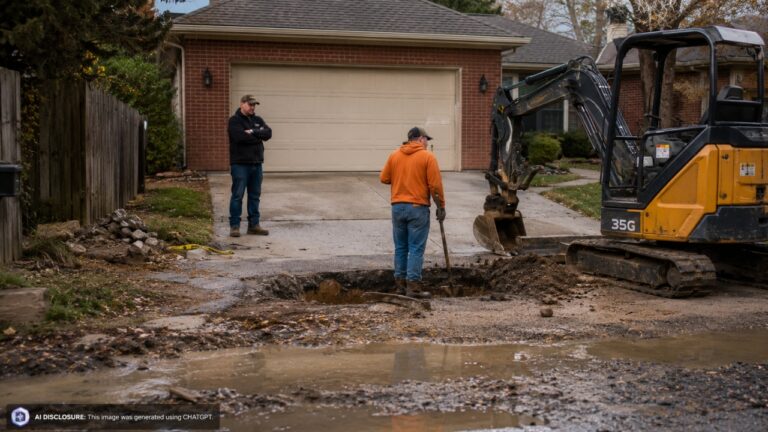
Climate data also shows that weather swings are sharpening, which means your roof, siding, and foundation are taking more punishment each year from freeze thaw cycles, heavy rain, and heat waves, as documented in federal weather climate indicators. Combined with rising labor and material costs, the stakes climb quickly: a clogged gutter that might have taken you an afternoon to clean can evolve into foundation damage that requires professional crews and thousands of dollars. In other words, the maintenance you skip in March often returns as a repair bill in August.
The core checklist you really cannot ignore
The good news is that you do not need to tackle every project you see on social media to protect your home. Several expert guides converge on a short list of essentials that belong on your spring calendar every year. One widely shared Spring Home Maintenance video, for example, walks you through seven must do tasks and reminds you to change those smoke detector batteries, test alarms, and look for small leaks before they spread.
Professional maintenance lists also emphasize that spring is when you transition your house from heating to cooling season, so you should clean or replace HVAC filters, check windows and doors for drafts, and make sure outdoor faucets and irrigation lines survived the winter. Real estate groups frame these chores as both safety and comfort work, and one guide on Safety and Interior cleaning describes how a focused interior refresh improves safety while also enhancing comfort and overall appeal.
Hidden systems that quietly cost you money
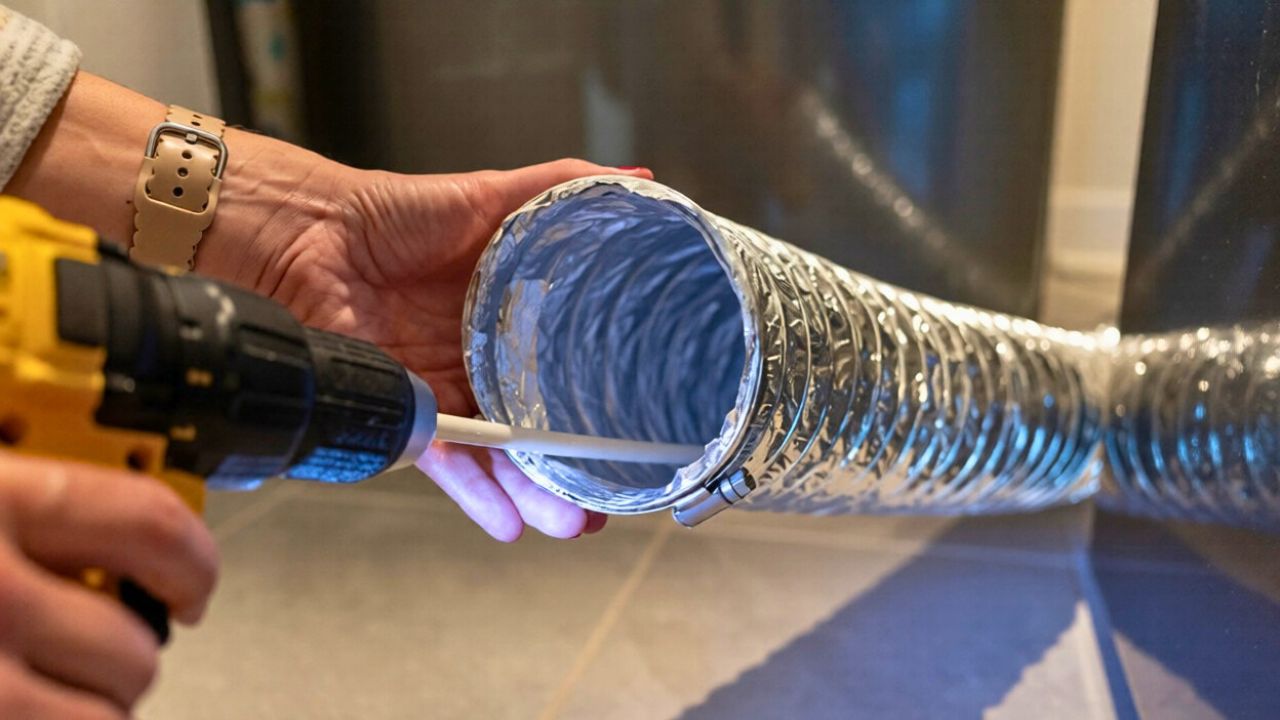
Some of the most important spring jobs are the ones you never see in listing photos or Instagram posts. Ducts, vents, and mechanical systems are easy to forget until they fail, yet they affect your energy bills and indoor air every day. A national roundup of 11 spring chores you definitely do not want to skip singles out Duct And Vent as a priority so you can prepare for the cooling season with better airflow and less dust.
Other checklists echo that message and add tasks like flushing your water heater, checking dryer vents for lint buildup, and inspecting electrical panels for signs of scorching or corrosion. Tackling these items in spring reduces the odds of mid season breakdowns and improves efficiency. One detailed home guide, for instance, urges you to Check Windows and that seals are tight so cool air stays in during summer and your system does not work harder than it should.
Gutters, roofs, and the quiet march of water damage
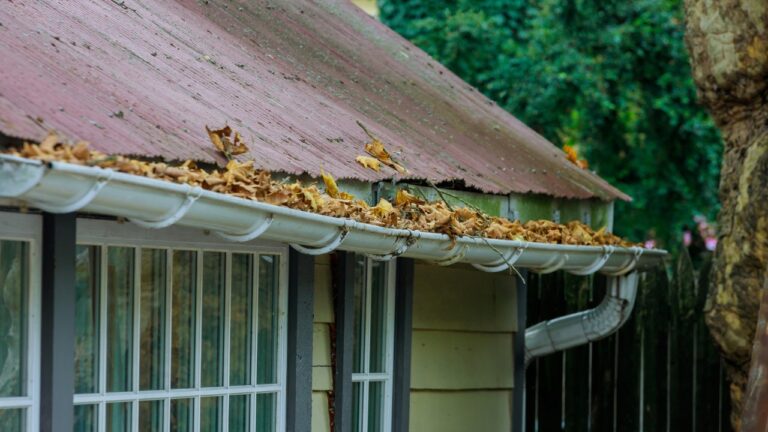
Water is one of the most expensive problems you can ignore, and spring is when you have the clearest view of how winter treated your exterior. Maintenance specialists repeatedly flag gutters and downspouts as a top risk area because they control where water goes when it leaves your roof. One national insurer advises you to Clean gutters and downspouts, clear debris, and confirm that water flows away from your foundation instead of pooling next to it.
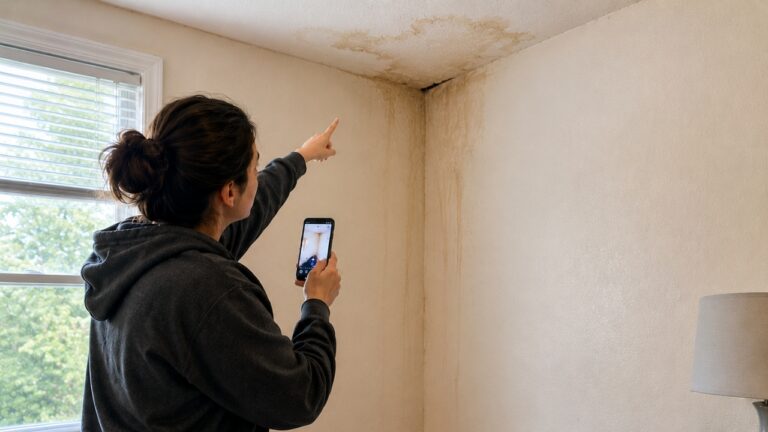
Roof inspections belong in the same category. Property managers warn that some winters can be brutal and that your roof then becomes the first line of defense against leaks, a point made in a guide to Spring Home Maintenance that opens with Inspect Your Roof and adds that some small repairs now can prevent only expensive repairs later. When you catch missing shingles, cracked flashing, or soft spots early, you avoid the mold, insulation damage, and interior repairs that follow a slow leak.
Your yard is not just cosmetic
It is easy to treat lawn care as an aesthetic choice, but your yard also functions as part of your drainage and pest control system. Landscape experts explain that the Impact of Winter Debris on Spring Lawn Growth is significant and that one of the biggest risks of skipping a spring clean up is the adverse effect on turf health, since leaves and branches left on the grass trap moisture and reduce the risk of disease only if they are removed, as detailed in an analysis of Impact of Winter on Spring Lawn Growth.
Broader homeowner guides echo that you should not wait until those humid summers or frosty winters to square away essential tasks like gutter cleaning, pest control, or yard work, and one list of 10 spring tasks homeowners should not skip urges you to handle these jobs in March, when the weather is most agreeable, advice captured in a Don t wait reminder. Cleaning up overgrowth, tidying up beds, and trimming shrubs away from siding also keeps moisture and insects from creeping into your structure.
What you can skip or stretch out
Not every spring ritual deserves your limited time and budget. Some deep cleaning tasks can move to a slower rotation without putting your home at risk. One national home guide argues that it seems logical to deep clean or service your heating system as spring rolls in after months of regular use, but that a regular maintenance schedule set by your technician is totally sufficient for most homes, a point made in a piece that starts with the word But to challenge your assumptions.
Other tasks that often fall into the “nice to have” category include washing every interior wall, reorganizing perfectly functional closets, or polishing seldom used silver. You can rotate these on a multi year schedule or outsource them if your budget allows. A detailed Spring Cleaning Tasks t Want To Skip guide, for example, pairs a core checklist with links to pros so you can decide which time consuming jobs to hand off and which to drop entirely this year.
Why spring upkeep matters even more if you plan to sell
If you are thinking about moving, spring maintenance shifts from optional to strategic. Real estate research consistently finds that homes listed in the warmer months perform better, and one analysis points out that Buyer Demand Peaks in Spring and that, according to Buyer Demand Peaks data from Zillow, homes listed in that season sell faster and for more money than during other times of the year.
That premium does not happen automatically. A survey by The Zillow found that 30 percent of recent sellers think more home improvements or repairs would have helped them get a higher sale price or sell their home more quickly, a conclusion drawn from a The Zillow survey. When you handle obvious maintenance issues before listing, you reduce buyer objections, strengthen your negotiating position, and avoid last minute repair credits that eat into your proceeds.
The cost of waiting: deferred maintenance as a debt
Every chore you push off effectively becomes a small debt that your future self has to pay, often with interest. Financial analysts who track homeownership costs emphasize that What we are seeing is that over 70 percent of homeowners are prioritizing preventative maintenance to avoid larger bills down the road, a statistic highlighted in a breakdown of What the most expensive home maintenance costs tend to be.
Ignoring that reality pushes you into what property managers call deferred maintenance, where minor fixes are postponed until they snowball into projects that require permits, specialists, and sometimes temporary relocation. One guide to handling this problem urges you to start by prioritizing repairs and explains that Taking Action The best way for a homeowner to tackle their maintenance is to begin by prioritizing the repairs so that the most urgent items do not keep slipping to the bottom of the list for another day, advice laid out in a Taking Action The guide. Treating your spring list as a chance to chip away at that backlog keeps the debt from compounding.
How to make a realistic, repeatable spring plan
To keep from feeling buried by tasks, you need a plan that fits your life instead of a fantasy schedule. Start by listing every maintenance job you can think of, then rank them by risk and cost if they fail. Insurance data suggests you should give priority to items that prevent water damage, fire, and structural problems, and one survey of pre summer preparations notes that for all homes, especially older ones, prioritizing proactive maintenance can help prevent damage and potentially get ahead of home insurance claims, a pattern described in a Survey: Pre-Summer Homeowner report.
Next, spread the work across several weekends and match jobs to your skills. If you are comfortable on a ladder, you might handle gutter cleaning yourself, then hire out more technical work like duct cleaning or window washing. Platforms that connect you with local pros, such as Discovered marketplaces, can help you price those options and decide what to outsource. The goal is a repeatable routine that you can revisit each spring without dreading it.
Spring upkeep as long term insurance
Viewed through a wider lens, your spring chores function as a kind of self funded insurance policy. When you clean gutters, test alarms, clear winter debris, and refresh tired interiors, you are not just tidying for the season, you are preserving the value and safety of the place you live. Real estate groups that coach homeowners toward spring checklists stress that these efforts improve both day to day comfort and long term resale appeal, a message woven through guides on Exterior Checkups That and interior refreshes.
Treat this season as your annual reset and you put yourself in a stronger position no matter what comes next, whether that is a surprise storm, a job change that prompts a move, or simply another year of wear and tear. The spring upkeep that once felt optional is becoming harder to skip for good reason: it is one of the most effective ways you have to control risk, contain costs, and keep your home working for you.
Like Fix It Homestead’s content? Be sure to follow us.
Here’s more from us:
- I made Joanna Gaines’s Friendsgiving casserole and here is what I would keep
- Pump Shotguns That Jam the Moment You Actually Need Them
- The First 5 Things Guests Notice About Your Living Room at Christmas
- What Caliber Works Best for Groundhogs, Armadillos, and Other Digging Pests?
- Rifles worth keeping by the back door on any rural property
*This article was developed with AI-powered tools and has been carefully reviewed by our editors.