Why insurers ask for appliance serial numbers after major claims
Photo credit: Kyle Hatfield/Shutterstock.com
After a fire, flood, or major theft, the last thing you want is an insurer asking for tiny details from appliances that may be charred, soaked, or gone. Yet model and serial numbers are often the first pieces of information a claims adjuster requests. Those strings of letters and digits are not bureaucratic trivia, they are how insurers verify what you owned, what it was worth, and how much they should legally pay.
Understanding why those identifiers matter, and how to capture them before disaster hits, can mean the difference between a smooth payout and a drawn out dispute over value, age, or even ownership.
Serial numbers as proof you really owned the item
When you file a large claim, the insurer’s first task is to confirm that the items you list actually existed and belonged to you. A serial number is a unique identifier assigned to a specific product by the manufacturer, and it is designed to distinguish one unit from every other identical looking unit in the world. That uniqueness lets an adjuster match your description of a stolen television or destroyed refrigerator to a specific device, rather than a generic model line, which is why guidance on what serial numbers are stresses their role in identification and insurance documentation.
Insurers lean on that uniqueness to combat inflated or fabricated claims. If you report a high end laptop stolen, a serial number lets the company check whether that device was ever registered, sold, or previously claimed as a loss. Advice on keeping a record of device serial numbers notes that these identifiers help prove ownership after burglaries, because you can show that the exact unit that disappeared was in your possession before the break in. Without that level of detail, adjusters are left to rely on vague descriptions and memory, which slows claims and invites more scrutiny.
How serial numbers help insurers value and depreciate appliances
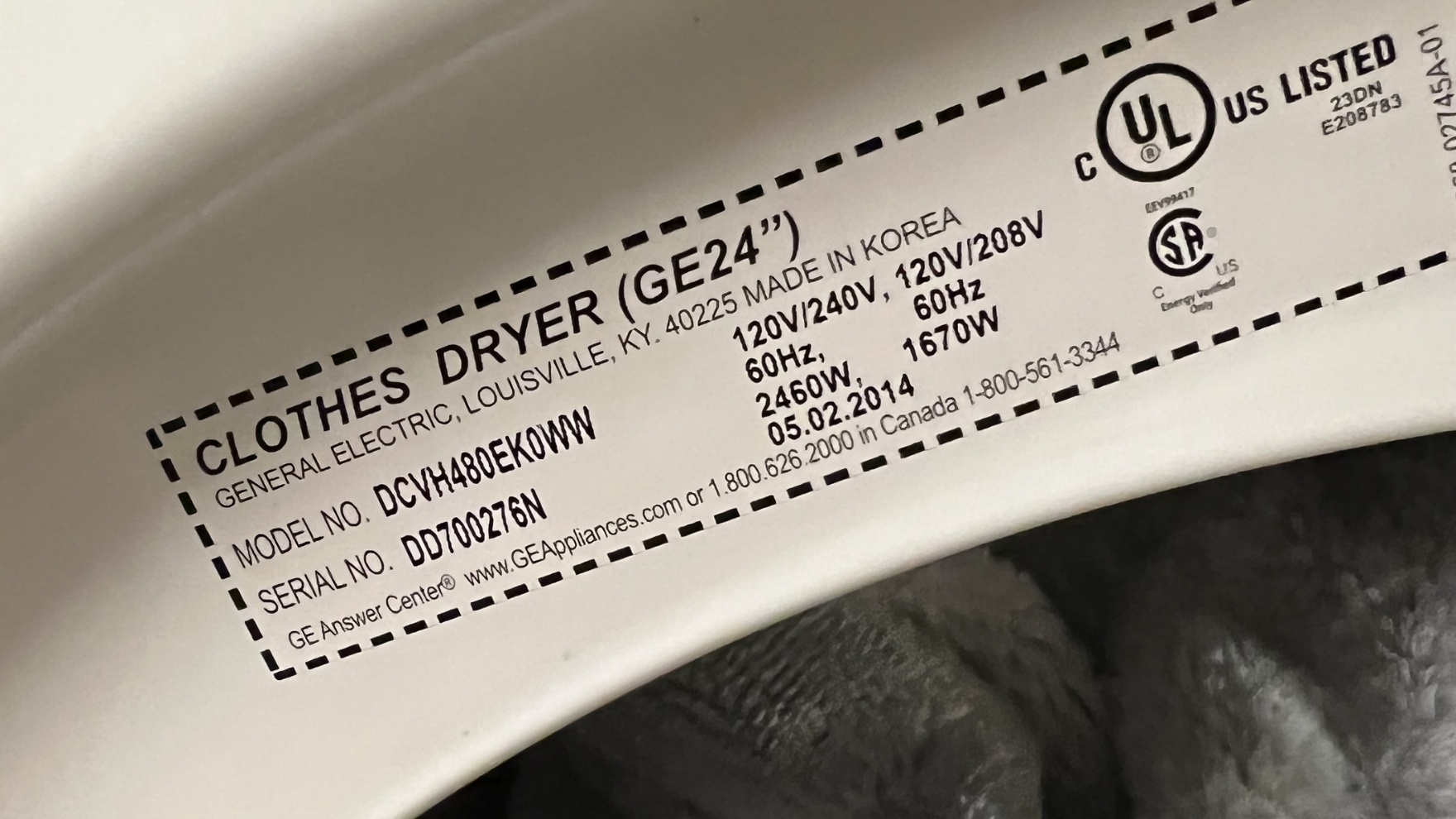
Beyond proving that an appliance existed, insurers need to know how old it was and which exact version you had so they can calculate a fair payout. Many manufacturers encode the production month and year directly into the serial number. Guidance on where to find model and serial numbers for major brands explains that the first two letters in some serial formats reveal the manufacturing date, which lets anyone, including insurers, determine age without guesswork.
Claims professionals use that information to apply depreciation formulas that are written into your policy. A discussion of how insurers determine the age of appliances notes that if you can provide the model number and serial tag, the company can look up a reasonable age for depreciation purposes rather than estimating from photos or your recollection. That is why home inventory advice urges you to prioritize items with serial numbers, since recording those details can significantly improve the greater accuracy of claims and the values assigned to big ticket appliances.
Tracing models, recalls, and hidden risks after a loss
Serial numbers also tell insurers exactly which version of a product failed or was damaged, which matters when safety issues or recalls are involved. Manufacturers and regulators use serial based tracking to follow individual units through production and distribution, a practice that has been formalized in sectors like pharmaceuticals under the Drug Quality and Security Act, or DQSA, which mandates traceability systems for prescription drugs. While your dishwasher is not a prescription drug, the same logic applies: a serial number links that specific appliance to manufacturing batches, design revisions, and any safety bulletins.
For insurers, that traceability can reveal whether a fire or flood loss was made worse by a known defect. Guidance on why are model and serial tags important points out that these tags are essential for checking recalls related to home appliances, because they pinpoint which units are affected. If your oven’s serial number falls inside a recall range tied to overheating, an insurer may pursue recovery from the manufacturer or adjust how it views the risk of similar units in your home. That is another reason adjusters push for serials after a major claim: they are not only settling today’s loss, they are mapping potential future hazards.
Fraud prevention and warranty cross checks behind the scenes
Insurers also use serial numbers to guard against fraud, particularly when claims involve expensive electronics or repeated losses. Serial tracking is a standard tool in manufacturing and distribution, where systems follow a single, specific item from production through sale so that shrinkage and misuse become visible. A guide explaining that, unlike lot tracking, serial tracking follows individual units, highlights how this level of detail supports warranty management and exposes irregular patterns.
Those same patterns matter to insurers. If a serial number shows up in multiple claims, or if it has already been used in a warranty replacement, that is a red flag. Guidance on processing warranty claims and product recalls notes that serial records let companies verify that a returned or claimed item is the same one they sold, which is exactly the kind of cross check insurers perform when they suspect inflated losses. Broader discussions of why your warranty system needs built in fraud detection emphasize that serial based data helps teams act early to reduce costs, and insurers are part of that ecosystem, comparing your claim details with manufacturer and retailer records when something looks off.
Why you are asked for serials even when the appliance is gone
One of the most frustrating moments for policyholders comes when an adjuster asks for a serial number from an appliance that has been destroyed or stolen. From the insurer’s perspective, that request is not optional. Claims guidance aimed at consumers explains that most items and appliances have model and serial numbers to identify the type and version of the product, and that these details are standard claim evidence. A help center note on claim documentation even walks through where to find those tags on home appliances, because the expectation is that you will provide them whenever possible.
That is why home inventory experts urge you to build a detailed list of belongings long before a loss, and to prioritize items with serial numbers. Advice on creating a home inventory list notes that recording serials significantly improves the accuracy of claims and helps substantiate the value of high end items. A separate overview of what a home inventory is and why homeowners should have one describes it as a detailed record of personal belongings, including descriptions and identifying details, so you do not forget items or misreport their value after a disaster. If you have already captured serials in that inventory, you can give your insurer what it needs even when the physical label has been burned or ripped away.
Like Fix It Homestead’s content? Be sure to follow us.
Here’s more from us:
- I made Joanna Gaines’s Friendsgiving casserole and here is what I would keep
- Pump Shotguns That Jam the Moment You Actually Need Them
- The First 5 Things Guests Notice About Your Living Room at Christmas
- What Caliber Works Best for Groundhogs, Armadillos, and Other Digging Pests?
- Rifles worth keeping by the back door on any rural property
*This article was developed with AI-powered tools and has been carefully reviewed by our editors.