The electrical inspection rule that applies the moment drywall comes down
Photo credit: Ungvar/Shutterstock.com
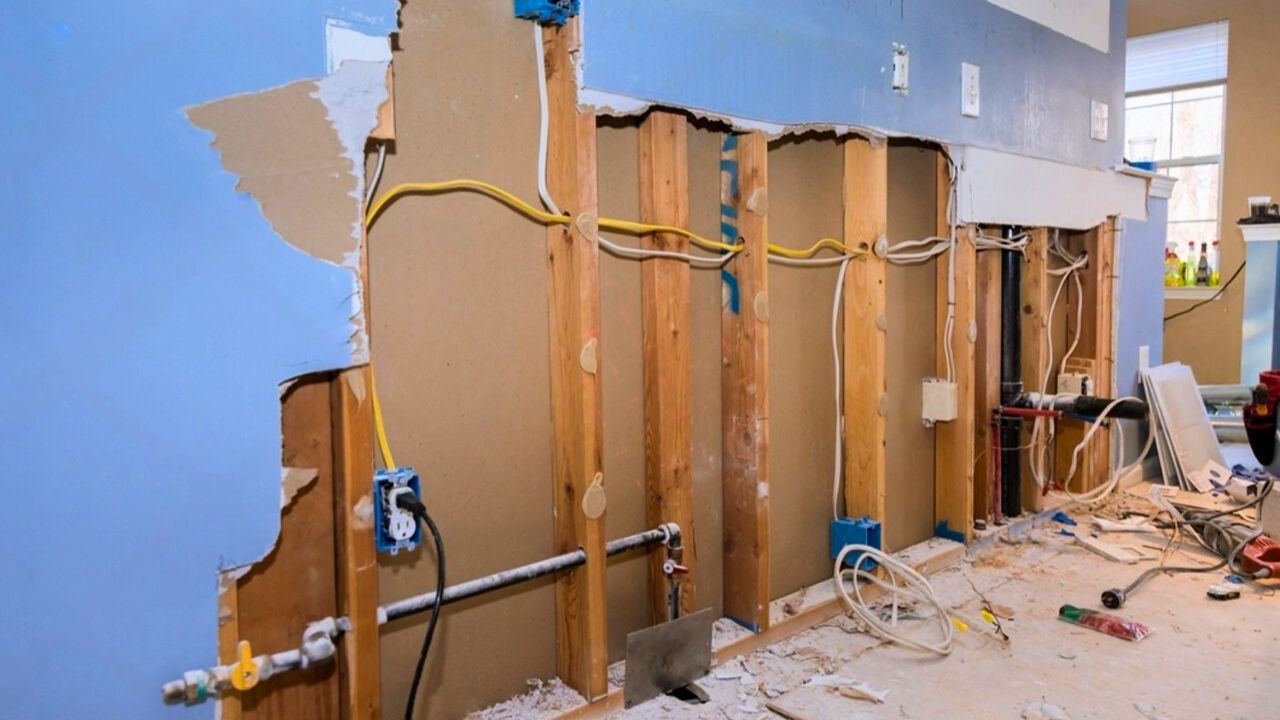
Once drywall comes down, you are no longer in a cosmetic project, you are in the middle of an electrical job that building officials treat as new work. The moment wires, boxes, or panels are exposed, the rule that matters most is simple: permitted electrical work must be inspected before it is covered again. If you ignore that sequence, you risk failed inspections, forced tear‑outs, and delays that can dwarf whatever you saved by skipping a permit.
The rule that kicks in as soon as walls are open
When you strip drywall and expose wiring, inspectors treat what they see as an active electrical installation that must meet current standards, not a frozen snapshot of the year your house was built. Local codes spell this out in plain language. In Portland, for example, Required Inspections under section 26.06 and subsection 010 state that All electrical installations that need a permit are subject to inspection, and that Work may not be covered until it passes. A separate city guide reinforces that All permitted work must be inspected before it is covered by drywall, concrete, or backfill, and urges you to call when in doubt to avoid costly rework.
That same logic applies even if you are “just” updating an old basement or moving a few outlets. A brochure on residential permits explains that You can get permits and inspections for work that was done without a permit, but the catch is that the work needs to be exposed so inspectors can see it. In practice, that means once the drywall is off, you are in the window when officials expect to review any wiring changes before you close the walls again. If you skip that step and cover everything back up, you are inviting an inspector to order you to reopen finished surfaces later.
Rough‑in inspections: the checkpoint before drywall goes back up
Electrical rules are built around a rough‑in inspection that happens after the wiring is installed but before it disappears behind insulation or sheetrock. A homeowner handout that tells you to PLAN YOUR WIRING PROJECT explains that a rough‑in inspection is required before any wiring is concealed by wall coverings, ceilings, or insulation. Another guide to Electrical Inspections notes that electrical permits typically involve three checkpoints, often described as cover, service, and final, and instructs you to Call for a cover inspection when the wiring is in place but still visible.
Professional licensing material gives the same sequence in more practical terms. One training resource advises you to Have the inspector come out after the electrical work is done but before any insulation or sheetrock is installed, and to Install and protect cables and conduits properly at that stage. A checklist for Oregon homeowners describes a Rough In Electrical Inspection Key Takeaways as confirming that circuits are sized correctly, boxes are accessible, and grounding is intact before anything is concealed. Once your drywall is down, you are effectively standing at that rough‑in checkpoint, and the next legal move is to schedule the inspection, not to close the wall and hope for the best.
Permits, inspectors, and the legal backbone behind the rule
The requirement to pause for inspection before closing walls is not just a local quirk, it is tied to how electrical safety is regulated. The The National Electrical Code is used in all 50 states in the United States, as well as parts of North, Central, and South Ame, and it sets the baseline for how wiring must be installed to reduce the risk of fire or heat damage. Local codes, like Portland’s Title 26 Electrical Regulations, then plug that standard into enforceable rules, including the 26.06 010 inspection requirement that bars you from covering work before it passes review. State rules go further by defining who enforces those standards: Oregon’s Building Codes Division lists Chapter 918 and division 271 on Electrical Inspections, and spells out the Role of an Electrical Inspector as examining installations for compliance with adopted codes.
Permits are the mechanism that pulls your project into that system. A local contractor guide on Electrical Work That Requires a Permit in Portland lists common jobs that trigger permitting, including Installing or Replacing Electrical Wiring and Adding new circuits. If you open a wall and decide to move a receptacle, extend a circuit for a home office, or rewire a kitchen, you have crossed into work that typically needs a permit and therefore an inspection before you close the wall. Even if the wiring was altered years ago without paperwork, the city guidance that You can retroactively permit unpermitted work, as long as it is exposed, means that the moment drywall comes down is also your best chance to legalize and document what is in those cavities.
What happens if you cover work without inspection
Skipping the inspection step and reinstalling drywall over unreviewed wiring can create a tangle of problems that only surface when you least want them. A code reference on final approvals notes that Partial approvals can be issued for incomplete installations, but they are revocable, and it stresses that Wiring that will be concealed must be inspected before it is covered. If an inspector later discovers that you closed walls without sign‑off, they can require you to remove finishes so they can see the work, and they can revoke earlier partial approvals if unsafe conditions are not corrected within a set timeframe. In a real‑world example shared in a homeowner discussion, Ian Hirchak warned that Electrical inspection or reconfiguration is needed before moving forward, or officials can make you rip it out, which is exactly the scenario local codes are trying to prevent.
The financial and practical fallout can be significant. If you finish a basement, paint the walls, and install trim, only to have an inspector flag unpermitted wiring behind that new drywall, you may have to demolish sections of your completed work, pay additional permit fees, and hire an electrician to bring everything up to current code. Residential inspection guidance that says All permitted work must be inspected before it is covered and urges you to call When in doubt is not just procedural language, it is a warning that the cheapest time to fix a problem is when the studs are still bare. Once you understand that, the rule that applies the moment drywall comes down looks less like red tape and more like a chance to avoid paying twice for the same renovation.
How this intersects with home inspections and buyer protection
The timing of electrical inspections also shapes how you, as a buyer or seller, should think about third‑party home inspections. New construction specialists point out that a Pre‑Drywall Inspection lets an independent inspector review framing, wiring, plumbing, and fire blocking before the builder closes the walls. Some buyers wait until the home is finished and schedule a standard inspection just before closing, and While that can catch surface issues, it cannot see what is buried behind new sheetrock. Another firm describes a Jul post‑drywall inspection as a “pre‑paint” check that happens after drywall is installed but before paint, focusing on finishes, insulation quality, and fire blocking rather than open wiring.
For major builds, some inspectors emphasize that they can evaluate the quality of work before the drywall is “poured,” using that moment to look closely at structural elements and electrical runs while everything is still accessible. A new construction overview notes that an inspector can review the structure to make sure it is sound and that the wiring layout makes sense before the builder seals it up. That private inspection does not replace the official electrical rough‑in sign‑off, but it works alongside it, giving you another set of eyes on the same exposed systems. If you are renovating an older home and have taken walls down, hiring a qualified electrician to walk the space before you schedule the municipal inspection can serve a similar purpose, catching issues early so the official visit is more likely to pass on the first try.
Like Fix It Homestead’s content? Be sure to follow us.
Here’s more from us:
- I made Joanna Gaines’s Friendsgiving casserole and here is what I would keep
- Pump Shotguns That Jam the Moment You Actually Need Them
- The First 5 Things Guests Notice About Your Living Room at Christmas
- What Caliber Works Best for Groundhogs, Armadillos, and Other Digging Pests?
- Rifles worth keeping by the back door on any rural property
*This article was developed with AI-powered tools and has been carefully reviewed by our editors.