What to shut off first when your power flickers so you don’t damage appliances
Photo credit: Me dia/Shutterstock.com
When your lights start to flicker, the real danger is not the brief darkness but the violent swings in voltage that can quietly destroy expensive appliances. The safest move is to shut down the right equipment in the right order before the power cuts in and out again. By prioritizing the biggest power hogs and the most sensitive electronics, you can ride out unstable power without turning your living room into a repair bill.
The goal is simple: reduce the load on your wiring and keep delicate circuits away from surges and low voltage until the grid is stable. That means knowing exactly what to switch off first, what to unplug, and what you can safely leave alone while you wait for the lights to settle.
Why flickering power is so dangerous for appliances
When the power flickers, it is usually a sign that the voltage feeding your home is bouncing up and down instead of staying near its normal level. Those swings can be just as damaging as a full outage, because both high and low voltage stress motors, compressors, and circuit boards. Technical guidance on voltage fluctuation compares it to water pressure: too much and components can “burst,” too little and they stall, which is exactly what happens inside your washing machine and AC when the lights dim and brighten.
Low voltage is not harmless brownout behavior. Analysis of how low voltage damages home appliances notes that motors run hotter and less efficiently, which accelerates wear and can lead to motor failure in devices like pumps and heaters. On the other side, a sudden spike when the power snaps back can send a surge through your wiring that fries sensitive electronics. Reporting on power surges highlights that modern devices with microprocessors are highly sensitive to these fluctuations, which is why a brief flicker can take out a television even if the outage itself is short.
First move: shut down the biggest power hogs
Your first priority when the power starts stuttering is to get the heaviest loads off the system. Guidance on what to shut off when the power fails stresses that your first move should be to kill the biggest power hogs, especially central air conditioning, electric furnaces, electric water heaters, and large well or sump pumps. These appliances draw a surge of current every time they start, so if they try to restart during unstable voltage, they can strain your wiring and the utility’s equipment and also damage their own motors and compressors.
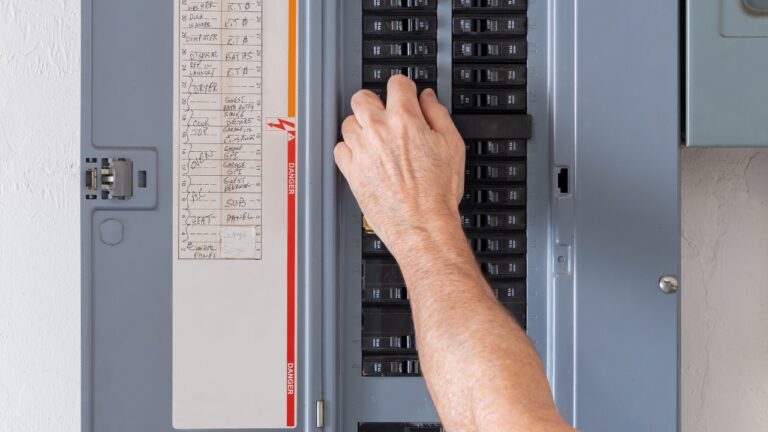
The safest way to do this is at the breaker panel, not by fiddling with individual switches. Utility advice shared as Advice from PGE recommends turning off major appliances at the breaker box and then unplugging other sensitive equipment. A community warning about hurricane prep described how Maria in Naples shut down her air conditioning at the thermostat the night before landfall to avoid damage when the grid started to fail, a simple step that can save you thousands in repairs if the compressor tries to restart into bad power.
Next: protect sensitive electronics and “smart” devices
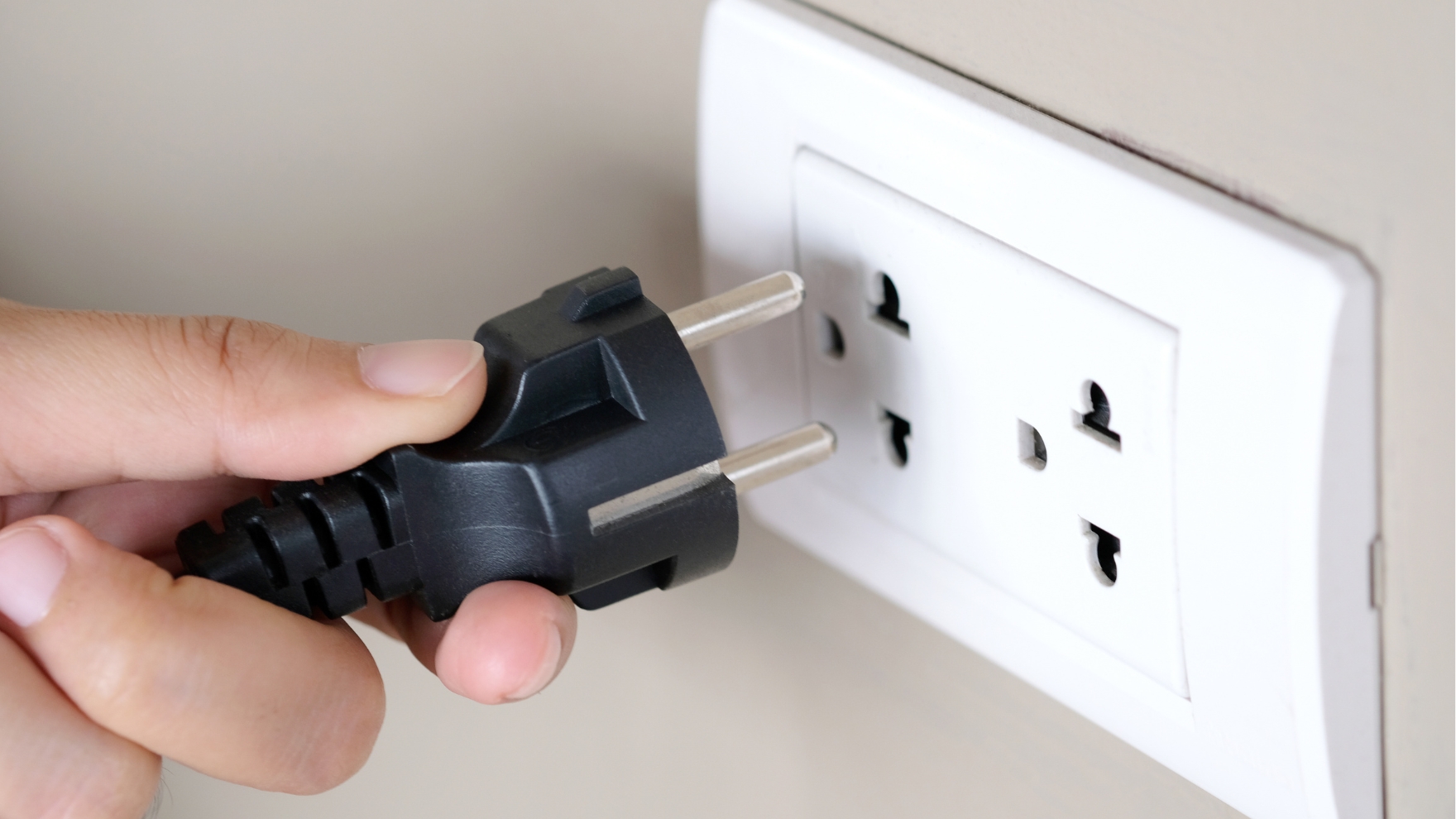
Once the big loads are off, your next move is to isolate anything with a brain, meaning circuit boards, memory, or smart features. That includes televisions, computers, game consoles, Wi‑Fi routers, smart speakers, and modern appliances with digital displays. Guidance on outage prep urges you to unplug sensitive electronics, especially if they are not connected to surge protectors, because even a brief surge can punch through delicate components.
Some of the most at‑risk devices are the ones you use every day. A breakdown of electrical devices most at risk from power surges points to computers, home entertainment systems, and smart home hubs as especially vulnerable because they rely on microprocessors that do not tolerate voltage spikes. Another set of outage tips advises you to turn off and unplug small appliances like televisions and computer equipment, even if some have built‑in surge protection, since those internal components can be overwhelmed by a strong surge.
What to do with refrigerators, freezers, and other “must stay on” gear
Refrigerators and freezers sit in a gray area when the power flickers. They are large appliances with compressors that are vulnerable to both low voltage and surges, but they also protect hundreds of dollars of food. Reporting on storm power surges notes that large appliances like refrigerators, dishwashers, and washing machines can suffer damage that costs hundreds or thousands of dollars to repair after a surge. If the power is rapidly cycling on and off, it is safer to switch the refrigerator and freezer off at the breaker so the compressor is not trying to restart into unstable voltage.
Once the power has been out for a while and the grid seems stable again, you can bring these appliances back online in stages. A power outage checklist advises that once you have handled immediate safety issues, your next priority is to protect your home’s major systems and appliances, including guidance to turn off your HVAC system and protect your water heater until power is steady. The same logic applies to refrigerators and freezers: keep the doors closed to preserve cold, leave them off while the voltage is suspect, then restore power after the lights have stayed solid for several minutes so the compressor gets a clean restart.
Use your breakers and switches to control the restart
Flickering power often ends with a full outage, and what you do in that dark window determines how rough the restart will be on your appliances. Safety guidance for short term power failures recommends unplugging everything in your home and then turning off the main breaker, so when power returns, your system is not hit with every device starting at once. Another utility checklist suggests you first reset any tripped breakers, then keep microwaves, televisions, computers, and other electronics switched off so they are not exposed to surges when electricity is restored.
Local emergency managers echo the same idea in simpler terms. A public safety reminder urged residents to make sure appliances are turned OFF even when the power is out, so they do not all roar back to life the instant power returns. National grid operators also advise you to switch off electrical appliances that are not designed to run unattended, then turn them back on one by one once the power is back and stable. That staggered restart keeps the initial surge low and gives you a chance to spot any odd behavior before damage spreads.
Like Fix It Homestead’s content? Be sure to follow us.
Here’s more from us:
- I made Joanna Gaines’s Friendsgiving casserole and here is what I would keep
- Pump Shotguns That Jam the Moment You Actually Need Them
- The First 5 Things Guests Notice About Your Living Room at Christmas
- What Caliber Works Best for Groundhogs, Armadillos, and Other Digging Pests?
- Rifles worth keeping by the back door on any rural property
*This article was developed with AI-powered tools and has been carefully reviewed by our editors.