The outlet replacement rule that surprises homeowners during inspections
Photo credit: Benjamin44/istock.com
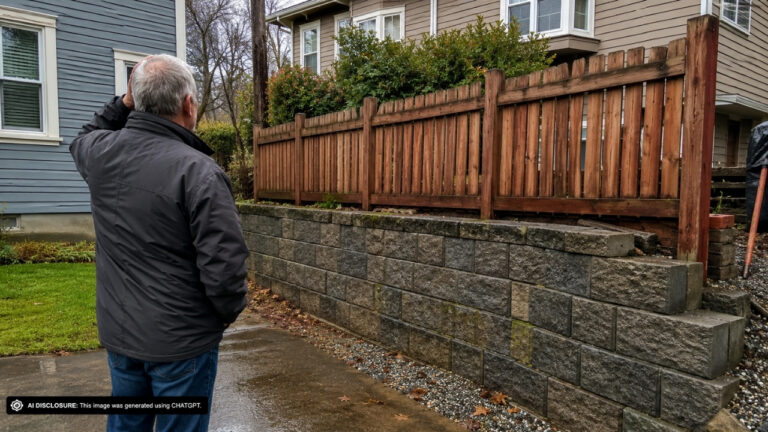
Homeowners are often blindsided during inspections when a seemingly simple project triggers a sweeping outlet replacement requirement. Once you open a wall, add a deck, or upgrade HVAC equipment, inspectors can insist that your receptacles meet current safety standards, not the rules in place when the house was built. That surprise can stall permits, add hundreds of dollars in parts, and force you to rethink where and how you power everyday life at home.
The core shock is that modern codes treat outlets as a safety system, not a convenience, so one change can obligate you to upgrade a whole circuit. Instead of swapping a single device, you may be told to install Ground Fault Circuit Interrupter protection, arc-fault protection, or tamper-resistant receptacles across a room or even an entire level. Understanding why that happens, and how inspectors interpret the rules, can help you budget realistically and avoid last-minute rewiring drama.
Why one small project suddenly triggers a house-wide outlet upgrade
When you remodel, you tend to think in terms of finishes and fixtures, but inspectors think in terms of systems. Once you open a wall or extend a circuit, your work is judged against current electrical standards, not the era when the original wiring went in. Reporting on electrical upgrades notes that Inspectors rely on clear guidance that wall receptacles should be installed so that no point along the Wall line is more than 6 feet from an outlet, and once you touch that wall, the entire run can be judged against those standards. That is why a single new cabinet or window can snowball into a requirement to add or relocate multiple receptacles.
The same domino effect shows up outside. Coverage of outdoor power rules explains that One of the most common flashpoints is outdoor outlets that no longer meet current protection requirements once you add HVAC equipment or a deck. You may discover that every exterior receptacle serving that new space must be upgraded to work with compatible breakers or devices, even if the old outlets seemed to function just fine. The surprise is not that the rules exist, but that they apply retroactively the moment you decide to improve something.
The code backbone: how NFPA 70 and inspectors drive outlet decisions
Behind these surprises is a dense rulebook that most homeowners never read. The National Fire Protection Association publishes NFPA 70, better known as the National Electrical Code, which local jurisdictions adopt and adapt into binding law. That code is updated on a regular cycle, so a house wired to one edition can fall behind as new requirements for receptacle spacing, GFCI coverage, and arc-fault protection are added. When you pull a permit, you are effectively agreeing that your new work will meet the latest edition your city or state has adopted.
Inspectors are the ones who translate those pages into real-world decisions in your kitchen or backyard. Professional guidance for buyers stresses that you should choose an inspector who is certified by organizations such as the American Society of Home Inspectors, and that you should Feel free to ask for recommendations so you know the person evaluating your outlets understands current standards. Trade groups like the American Society of Home Inspectors emphasize that their members are trained to flag safety issues tied directly to code, which is why they will call out missing GFCI protection or outdated receptacles even if your local permitting office has not yet forced a change.
The outlet replacement rule that shocks owners of older homes
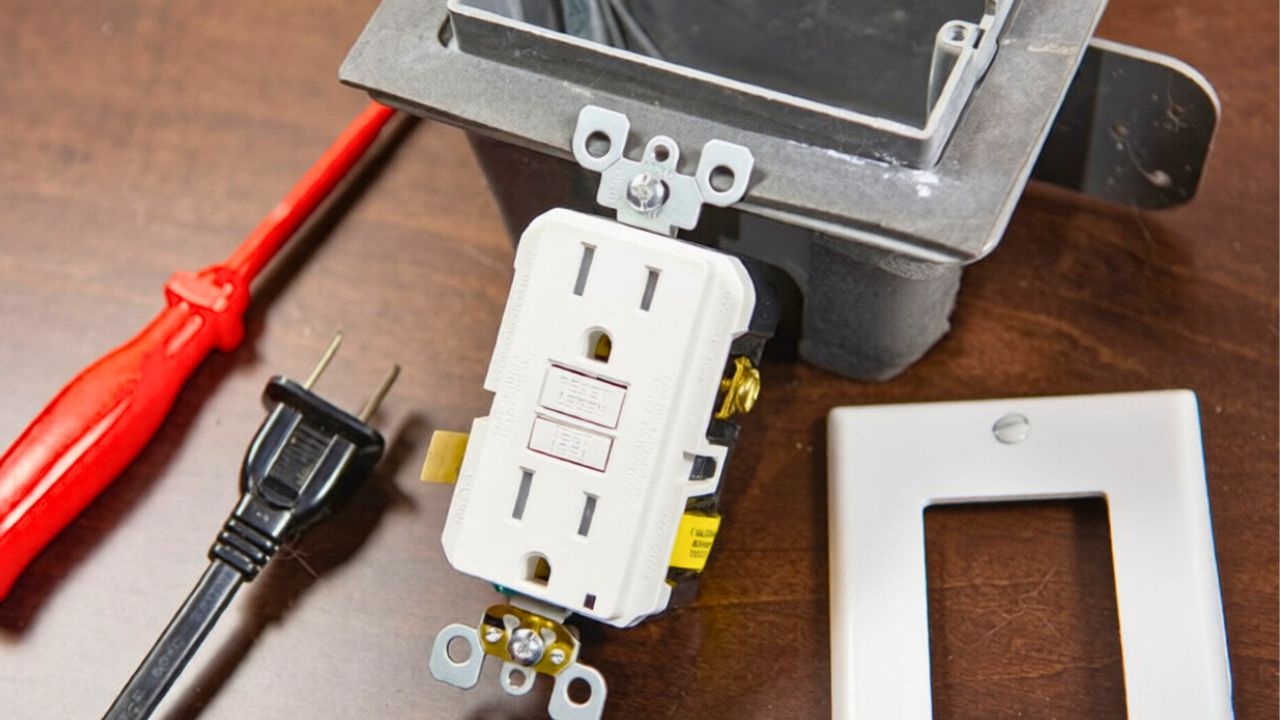
The rule that most often catches owners of older homes off guard is the expectation that once you touch a circuit, you must bring its outlets up to current safety requirements. That typically means adding Ground Fault Circuit Interrupter protection in kitchens, bathrooms, laundry rooms, garages, and outdoor areas, even if the house predates those rules. Electrical safety guidance notes that Many building codes now require that GFCI (Ground Fault Circuit) outlets be installed in these areas regardless of the age of the home, so the moment you remodel a bathroom or move a countertop outlet, the inspector can insist that every receptacle in that zone be upgraded.
Newer code cycles also tighten rules around specialized equipment. A technical discussion of recent NEC updates notes that an exception for certain outdoor equipment will expire on a specific date and that But that exception will expire to give manufacturers and the HVAC industry time to ensure equipment and GFCI devices work together. And the idea is that once that grace period ends, outdoor outlets serving that equipment will need full GFCI protection. For a homeowner replacing a condenser or heat pump on an older patio, that can mean swapping a basic receptacle for a more expensive protective device and sometimes upgrading the breaker as well.
Tamper-resistant, AFCI and GFI: the alphabet soup behind modern receptacles
Beyond GFCI, modern codes increasingly expect you to install tamper-resistant and arc-fault protected outlets whenever you add new wiring. Guidance for secondary suites explains that All new electrical work needs to comply with current electrical code, including AFCI outlets, GFI outlets, and tamper resistant outlets. That means if you carve out a basement apartment or garden suite, you are not just adding more of the same old receptacles, you are installing devices that can detect arc faults, ground faults, and even block foreign objects from being inserted.
Child safety is a major driver behind tamper-resistant requirements. Lighting and electrical experts explain that Tamper-resistant outlets are designed with child safety in mind, using built-in shutters that prevent foreign objects from entering. Installation guides for specific products note that Tamper-resistant internal shutters resist the insertion of foreign objects, providing safety from electrical shocks whether you are upgrading a child’s bedroom or a busy family room. Outlet spacing advice now points out that You will find these outlets identified by a “TR” on the face, and that they are increasingly required on new builds as an additional safety measure. The upshot is that when an inspector tells you to replace “all the outlets in this room,” they are usually steering you toward a specific, safer class of devices, not just a cosmetic refresh.
Permits, liability and why skipping the upgrade can backfire
Because these outlet rules are rooted in safety, skipping permits or partial upgrades can create real risk. Homeowners discussing rewires in Sacramento have noted that the obvious answer is that All electrical work should have a permit, but they have also been surprised that several electricians did not clearly explain what their permit situation was. Without that paper trail, you can end up with a mix of old and new outlets that technically should have been upgraded, leaving you exposed if something goes wrong or if a future buyer’s inspector flags the discrepancy.
Responsibility can be especially murky in multiunit buildings. A legal discussion of condo outlet failures notes that If the secondary outlet was independent of the master GFCI, then the unit owner might bear responsibility for fixing a faulty electrical outlet, and negligence is defined as an act that falls below the standard of care. Broader safety guidance for commercial spaces underscores that life-safety systems must comply with local building codes, Safety Notice requirements, Exit sign rules, OSHA regulations, and NFPA (National Fire Protection) standards, and that you should coordinate with your fire marshal or building inspector. The same logic applies at home: if you ignore required outlet upgrades, you are not just bending a technical rule, you are potentially accepting legal and safety liability that will surface at the worst possible moment, whether during a sale, an insurance claim, or an emergency.
Like Fix It Homestead’s content? Be sure to follow us.
Here’s more from us:
- I made Joanna Gaines’s Friendsgiving casserole and here is what I would keep
- Pump Shotguns That Jam the Moment You Actually Need Them
- The First 5 Things Guests Notice About Your Living Room at Christmas
- What Caliber Works Best for Groundhogs, Armadillos, and Other Digging Pests?
- Rifles worth keeping by the back door on any rural property
*This article was developed with AI-powered tools and has been carefully reviewed by our editors.