9 Ways You’re Making Fresh Food Go Bad Faster
Photo credit: pexels.com
Fresh food isn’t cheap, and when it spoils before you get to it, that’s money straight down the drain. A lot of the time, it’s not the food that’s the problem—it’s how it’s being handled or stored. Things like temperature changes, airflow, and even what you’re storing next to what can all mess with shelf life.
If your fruits, veggies, or dairy keep turning faster than they should, it’s probably one of these habits that’s doing the damage.
Storing Fruits and Vegetables Together
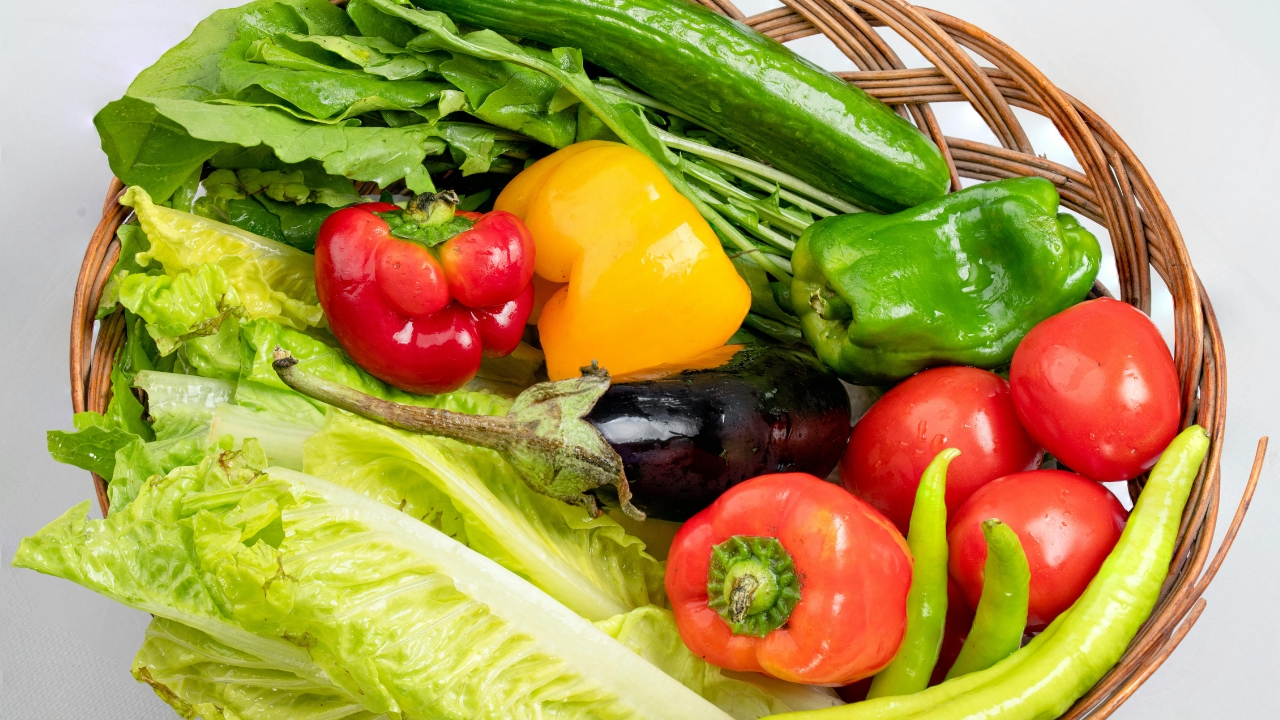
Certain fruits release ethylene gas as they ripen, and that gas can speed up spoilage in nearby vegetables. Apples, bananas, and avocados are some of the worst offenders when it comes to this.
If you’re keeping everything in the same drawer or bowl, you’re likely making your fresh produce go bad faster than it needs to. Separate your ethylene-producing fruits from sensitive veggies like leafy greens, cucumbers, or carrots to give everything a longer life.
Washing Produce Too Early
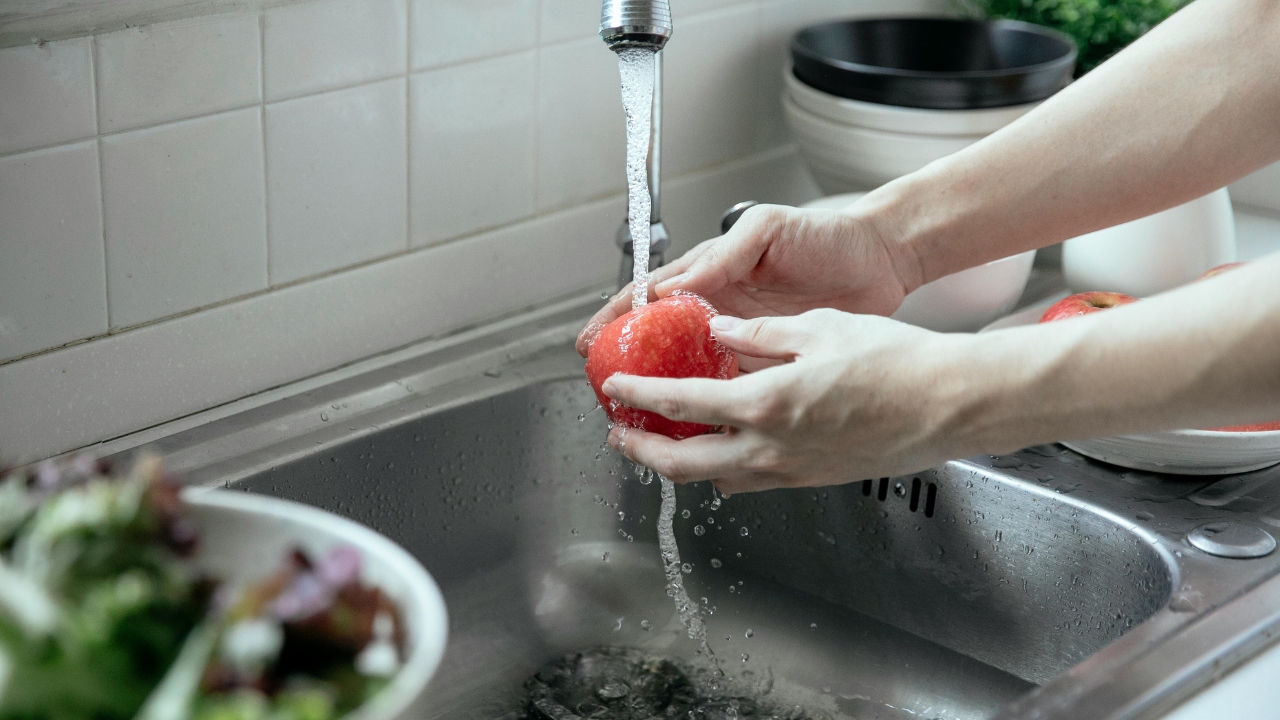
It feels productive to wash fruits and veggies right after bringing them home, but doing it too early can backfire. Moisture left behind—especially if you’re storing them in plastic—creates a perfect setup for mold and rot.
Instead, wait to rinse produce until you’re ready to eat or cook it. If you like things ready to grab, use paper towels to thoroughly dry everything before storing. That extra step helps keep moisture from turning your food too fast.
Using the Wrong Containers
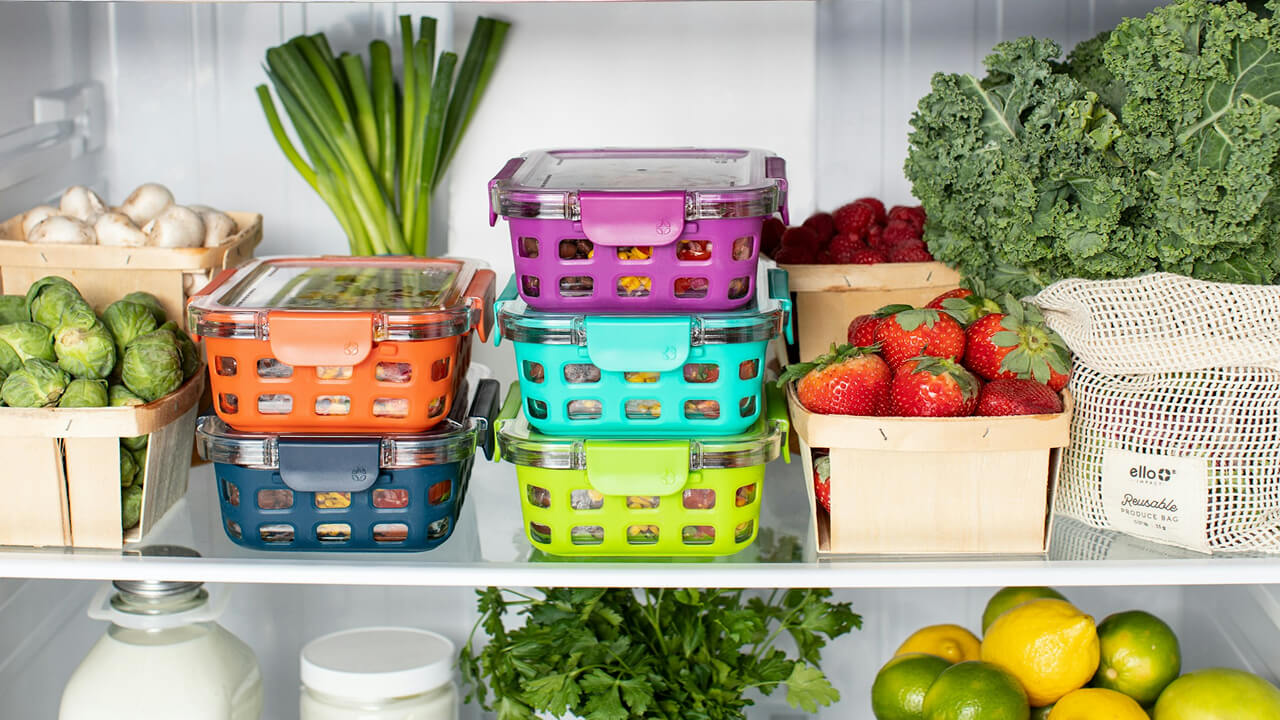
Shoving produce in sealed plastic bags with no airflow traps moisture and speeds up decay. Some foods need ventilation, while others benefit from a bit of humidity.
Use breathable containers or veggie-specific produce bags when you can. For leafy greens, a container lined with paper towels works well. For berries, a vented basket or the original container (if it’s not packed too tight) tends to be safer than a plastic bag.
Ignoring the Crisper Drawer Settings
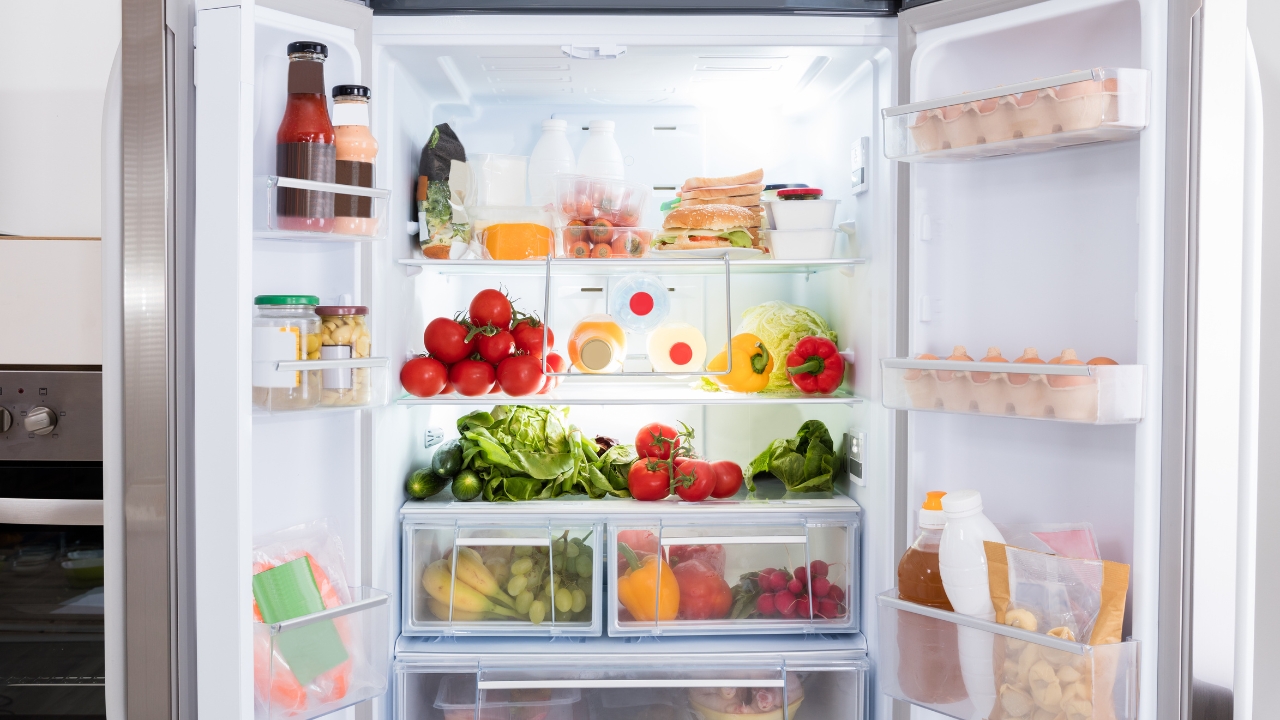
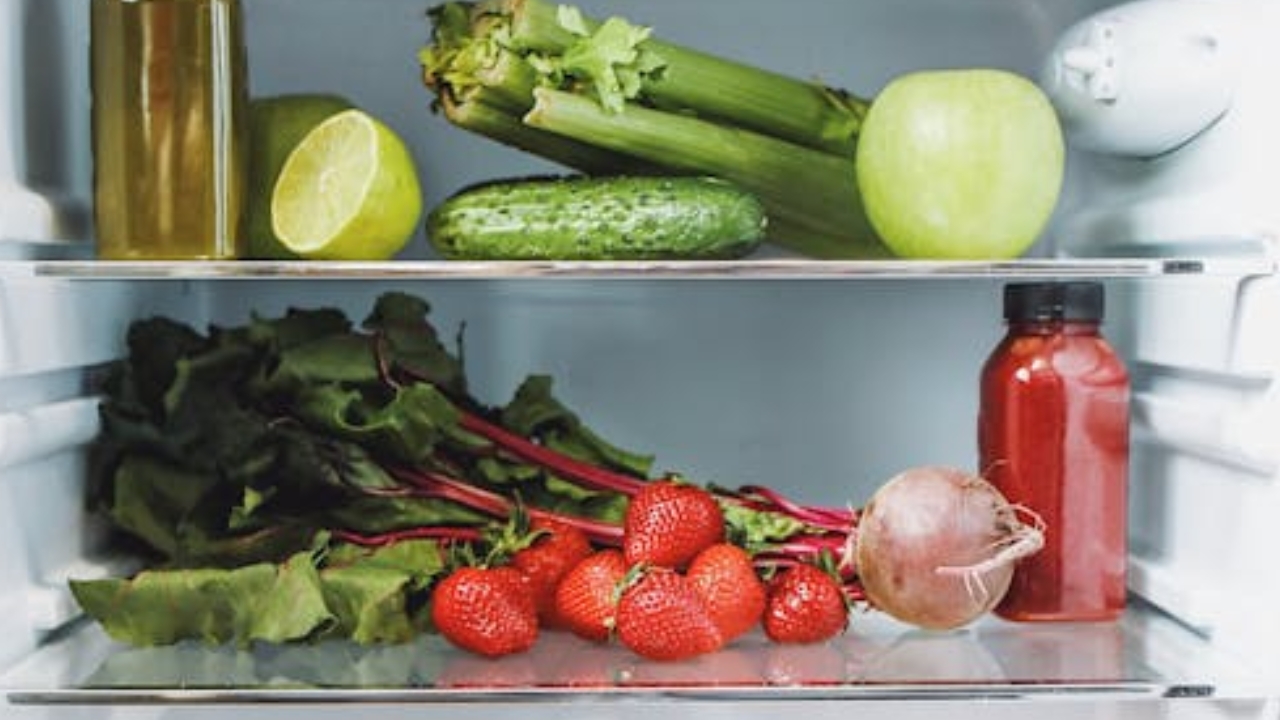
Most fridges have two drawers labeled high and low humidity—but they only help if you’re using them right. The low-humidity drawer is best for fruits that rot, while the high-humidity drawer is better for vegetables that wilt.
If you’ve got your lettuce in the low-humidity drawer with the apples, it’s going to go limp fast. Take a second to sort things based on what they actually need. It makes a noticeable difference in how long things stay fresh.
Keeping Dairy in the Fridge Door
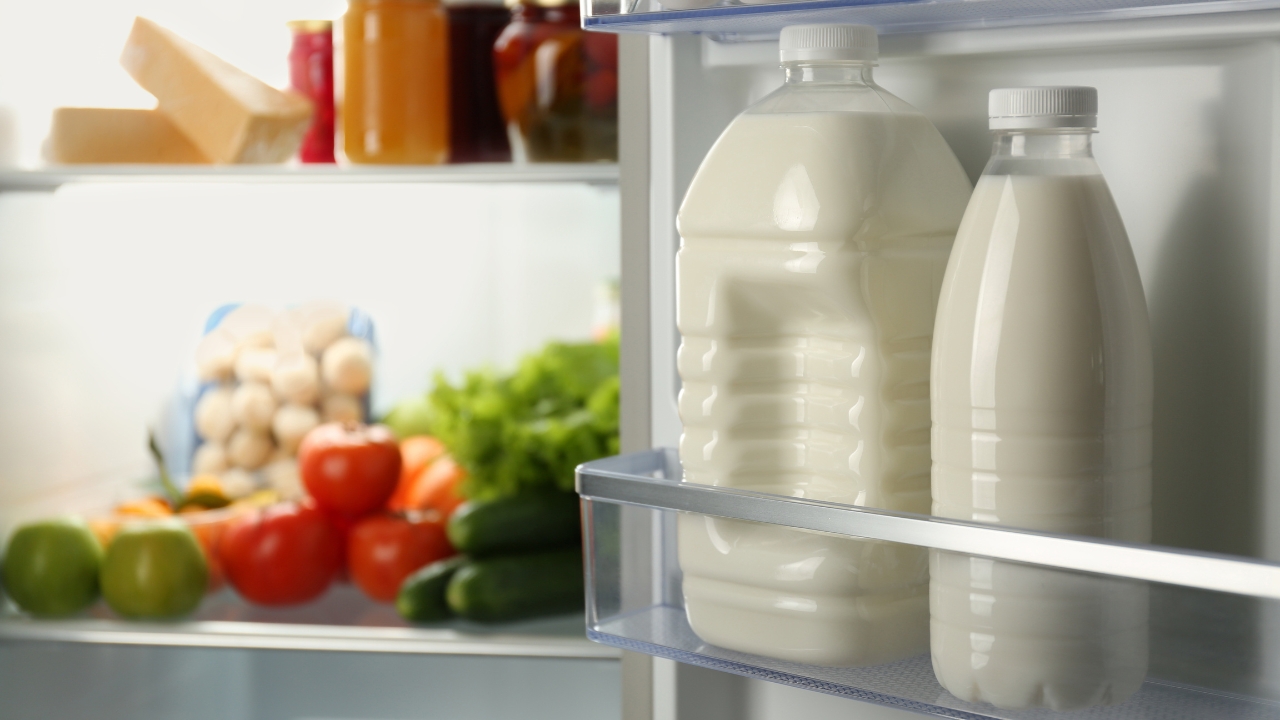
The fridge door is the warmest part of the appliance, and dairy products don’t hold up well to the constant temperature swings. That includes milk, yogurt, sour cream, and cottage cheese.
If you’re putting milk in the door for convenience, it’s probably going sour earlier than it should. Instead, keep all dairy items on the middle shelf where the temperature is more consistent and colder.
Letting Herbs Sit in the Bag
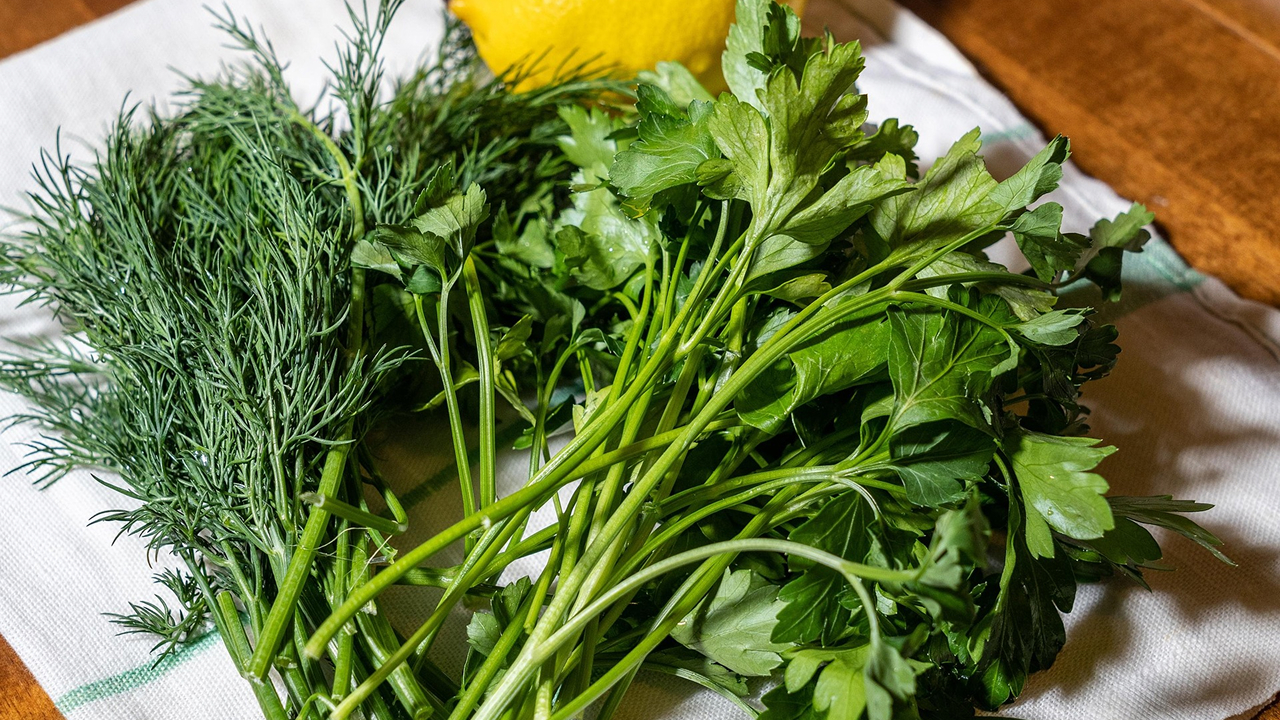
Fresh herbs don’t like to be smothered. Leaving them in the bag they came in is one of the fastest ways to turn them into mush. They either dry out completely or get slimy in a hurry.
Treat them like a small bouquet: trim the stems and put them in a jar of water in the fridge, covered loosely with a plastic bag. That setup can stretch their shelf life from days to over a week.
Not Rotating What You Store

It’s easy to overlook what’s already in the fridge or pantry when you’re unpacking new groceries. But ignoring older food while loading in fresh stuff means you’re almost guaranteed to waste something.
Make it a habit to rotate—bring the older items to the front and slide the new ones behind. That small habit helps make sure you actually use what you’ve already bought before it goes bad.
Putting Warm Leftovers in the Fridge
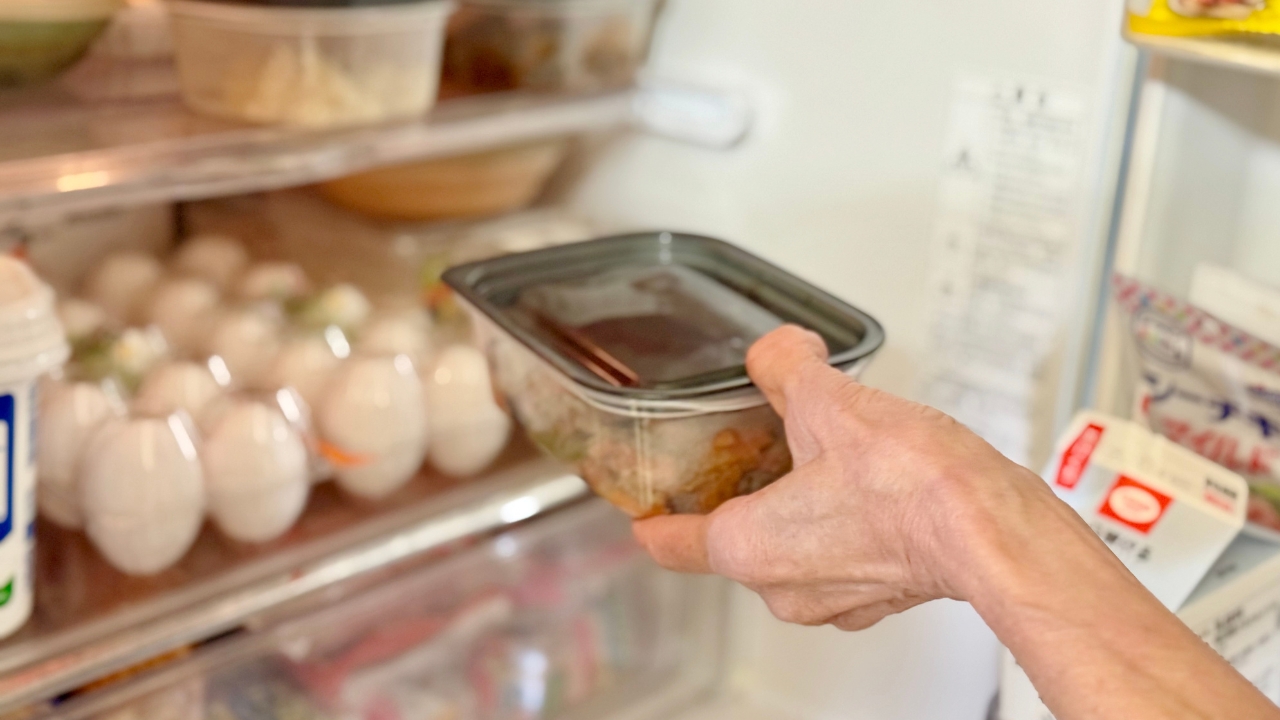
Hot food raises the temperature inside the fridge, and that quick temp change can mess with anything sitting nearby—especially dairy, eggs, or raw meat.
Always let leftovers cool on the counter for 30 to 60 minutes before covering and refrigerating them. You’ll protect both the leftovers and everything else in the fridge from spoilage.
Leaving Berries in the Store Container
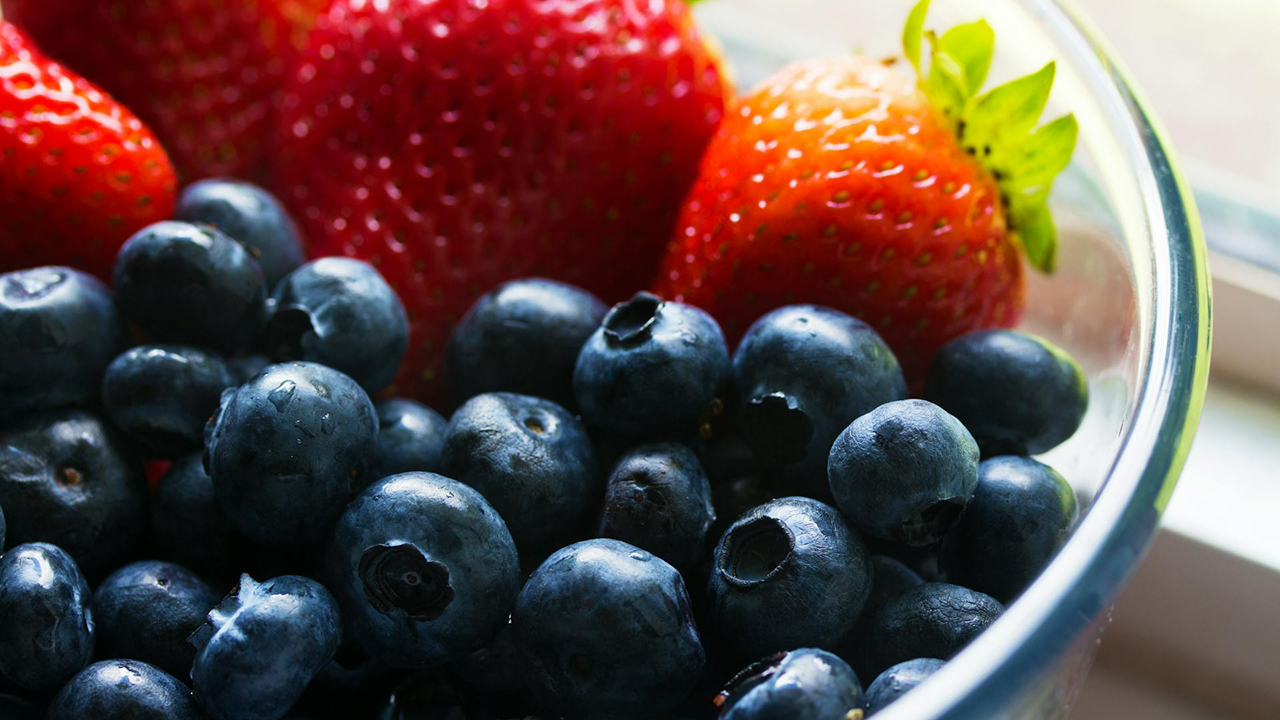
Those little plastic clamshells don’t do a great job of keeping moisture out. If you leave berries in them without checking for mold or moisture first, one bad berry can ruin the whole batch.
When you get home, sort through the berries, toss any that look questionable, and transfer the rest to a shallow container lined with a paper towel. Don’t rinse them until you’re ready to eat. That keeps them fresher way longer.
Like Fix It Homestead’s content? Be sure to follow us.