What to check immediately after power comes back on
Photo credit: Andrey Zhuravlev/istock.com
When the lights flick back on after an outage, the real work is just beginning. The first few minutes shape whether your home comes back online safely, whether your food is still usable, and whether your electronics survive the surge that often rides in with restored power. Treat that moment less like a return to normal and more like a short safety inspection that you run every single time.
Instead of racing to restart every gadget, you need a clear checklist for what to inspect, what to throw out, and what to leave off a little longer. By moving in a deliberate order, you protect your wiring, your appliances, and your family, and you turn a stressful blackout into a controlled reset rather than a second emergency.
Start with safety checks before you touch a switch
Your first job when electricity returns is not to crank the thermostat, it is to make sure the house is actually safe to re-energize. Walk through key rooms and look for obvious hazards like the smell of smoke, scorch marks near outlets, or water intrusion around your service panel or any extension cords. Guidance on Staying Safe During a Power Outage stresses that you should already have flashlights instead of candles and a Ready Emergency Kit, but once power is back you still need to confirm that nothing in your environment has turned into a fire risk while the lights were off.
Experts on what to do when electricity is restored are blunt that you should Start with safety checks before you touch a switch, especially if utility crews are still working nearby. Look for downed lines outside, listen for arcing or buzzing at your panel, and keep children away from any damaged equipment until a crew confirms they are safe. If you evacuated because of wildfire risk or another hazard, advice on Checking in after the evacuation also includes looking in on neighbors and making sure vulnerable residents have heat, light, and a way to call for help.
Check your electrical system for damage or surges
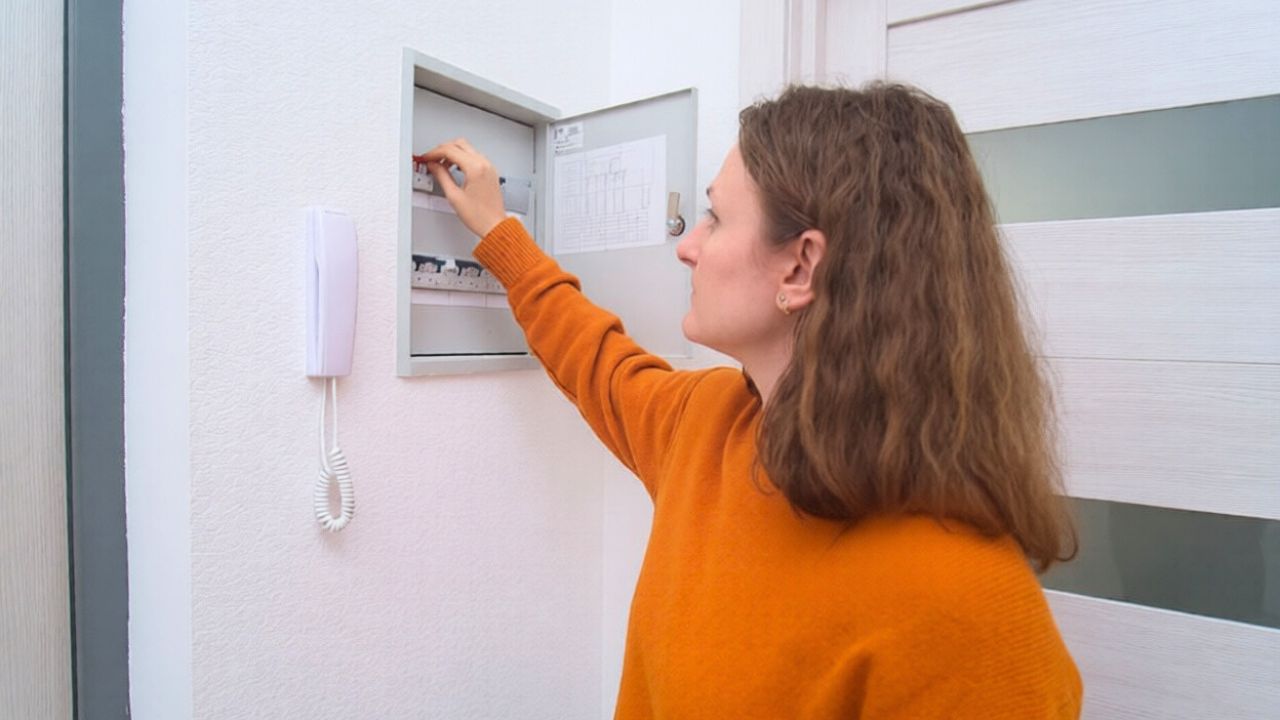
Once the house itself looks safe, your next priority is the electrical system that just took a hit. Power restoration can come with a spike that stresses wiring, so you should look at your breaker panel for Tripped Breakers or Blown Fuses, which are signs the system protected itself from a surge. If breakers keep tripping as you restore devices, that is a warning that either a circuit is overloaded or a specific appliance was damaged and needs a professional inspection.
Home safety campaigns emphasize an Electrical Safety Tip that you should Regularly inspect cords, plugs, and outlets for fraying, exposed wires, or scorch marks before you plug anything back in. If you suspect a surge, guidance on What to do after a power surge recommends resetting, unplugging, and then repowering electronics in a controlled way, and calling an electrician if you see repeated failures. If your lights are dim or flickering when service resumes, that can indicate a brownout condition, and advice on Switch off major appliances and Turn off air conditioners and washing machines until voltage stabilizes to avoid damage or tripping your circuit breakers.
Bring lights and appliances back in a deliberate order
With the wiring checked, you can start turning things back on, but the order matters. Utilities advise that during an outage you should have turned off all lights and appliances, including heating and air conditioning systems, to prevent circuits from being overloaded when power returns, a step laid out in What to do when the lights go out. When service is restored, start with a few essential lights so you can see what you are doing, then gradually add critical appliances like the refrigerator, and only later bring back high draw systems like central air or electric dryers.
Home repair specialists who list Things to Do After a Power Outage recommend that you Reset electronic devices carefully, rather than flipping everything on at once. Another guide that outlines What to do After a Power Outage notes that When the power comes back on, you should walk room by room, checking that outlets are not hot to the touch and that no device is making unusual noises or smells. If anything seems off, unplug it immediately and, if you see smoke or fire, call 911 as soon as possible rather than trying to troubleshoot live equipment yourself.
Inspect food, water, and medications before you consume anything
Once the lights are stable, your next check is the fridge and freezer, because spoiled food is one of the most expensive and dangerous side effects of an outage. Federal emergency guidance on Returning After a Power Outage is blunt: When in doubt, Throw it out. You are told to discard any food that has been exposed to temperatures above 40 degrees Fahrenheit for more than two hours, and to contact your doctor or pharmacist immediately for a new supply of any medications that must be refrigerated if they have been stored above their safe temperature.
Food safety officials echo that warning, noting that As the USDA explains in Keeping Food Safe During an Emergency, your refrigerator will keep food safe for up to 4 hours during a power loss, but after 4 hours without power perishable items should be thrown away. A homeowner guide that lists Here are six things to do once electricity comes back on also stresses that you should Check your electronics and appliances for damage and toss any food that has been above safe temperatures for more than two hours. Local emergency managers add practical tips, such as using Snow that you melt as an additional water source if pipes have frozen, and reminding you that if you lose your heat you should seal off unused rooms and, when in doubt, throw it out when assessing questionable food, advice shared in a Feb outage briefing.
Confirm your service status and reset your home to normal
After the immediate hazards and perishables are handled, you can focus on getting your household fully back to normal. If your lights are still off while the rest of the street is glowing, basic troubleshooting starts with a simple question: is your neighbor’s electricity on. A utility FAQ that begins with Check the basics suggests verifying whether your main breaker has tripped and whether only part of the home is affected, which can indicate a localized wiring issue rather than a grid problem. Building managers in storm prone regions also advise you to Check with your neighbors and your building’s management office to confirm whether a main switch or circuit breaker has been tripped for the whole property, guidance that appears in a typhoon preparation Check list.
Once you know service is stable, you can deal with the smaller but still important tasks that outages scramble. Consumer advocates who describe what to do after evacuations remind you that You will need to reset digital clocks, timers, and security systems, and it is worth checking that backup batteries in devices like smoke alarms and garage door openers still hold a charge. Broader preparedness advice on Preparing for a Power Outage and how to Build a Ready Emergency Kit suggests using this moment to restock flashlights, test radios, and update your contact list so that the next time the grid fails, you are not improvising in the dark. Local emergency posts that explain what to do if you experience a power outage also remind you to be aware of attracting animals when disposing of spoiled food and trash, and to keep using flashlights instead of candles for light, a point echoed in typhoon guidance that says, for safety’s sake, please use flashlights instead of open flames.
Like Fix It Homestead’s content? Be sure to follow us.
Here’s more from us:
- I made Joanna Gaines’s Friendsgiving casserole and here is what I would keep
- Pump Shotguns That Jam the Moment You Actually Need Them
- The First 5 Things Guests Notice About Your Living Room at Christmas
- What Caliber Works Best for Groundhogs, Armadillos, and Other Digging Pests?
- Rifles worth keeping by the back door on any rural property
*This article was developed with AI-powered tools and has been carefully reviewed by our editors.