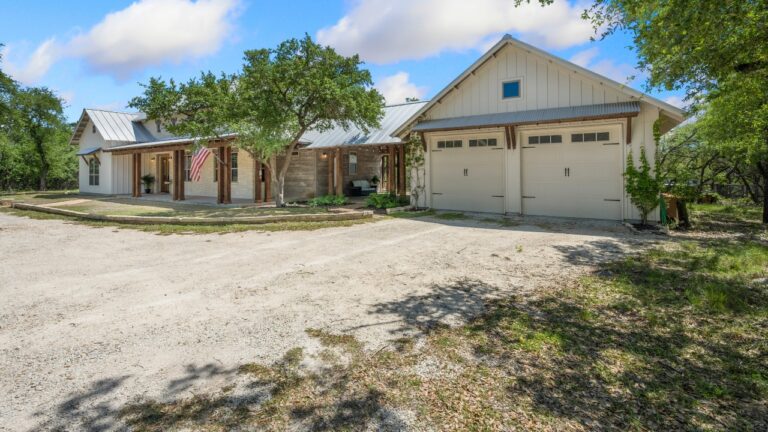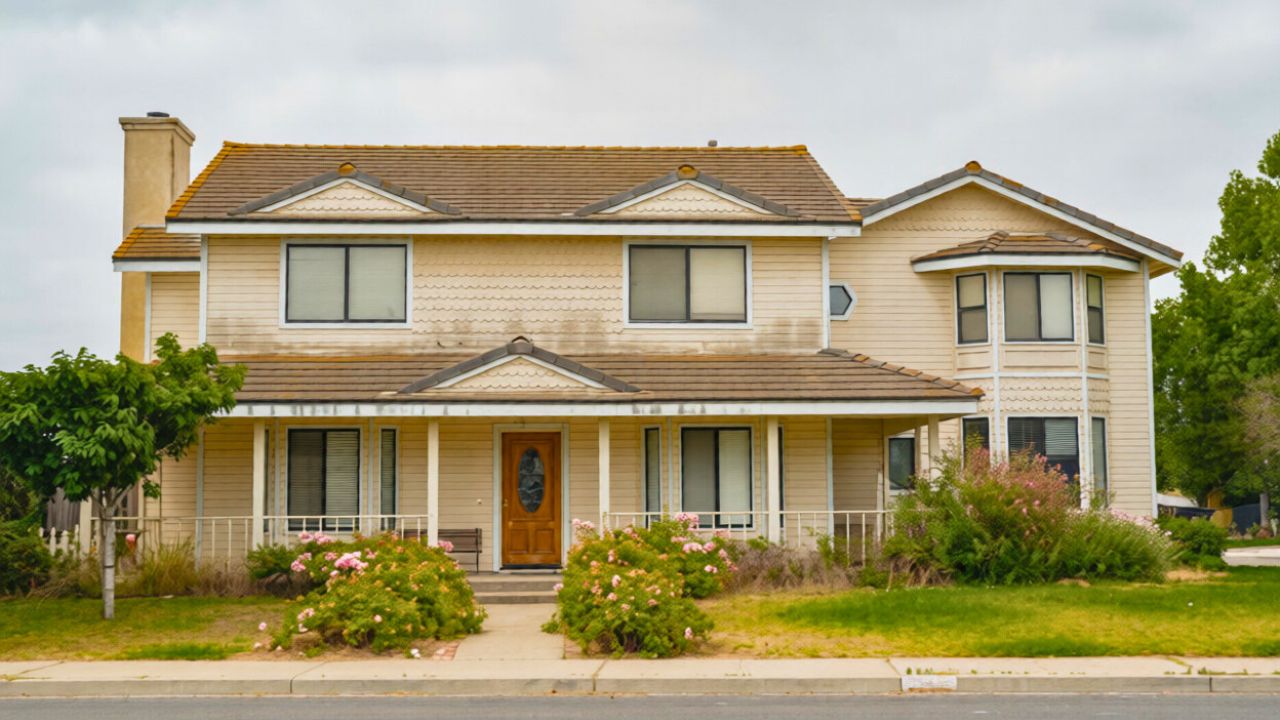
Why pre-1990 homes need different maintenance rules
Photo credit: Nature food landscape travel/istock.com
Once a house passes its 30th birthday, the rules that keep it safe and comfortable start to diverge from the checklist you would use on a newer build. If your place went up before 1990, you are dealing with aging materials, outdated standards and hidden risks that demand a different maintenance playbook. Treating it like a recent subdivision home is how small quirks quietly turn into expensive failures.
Instead of reacting to leaks, cracks or flickering lights as they appear, you need a strategy that anticipates how older systems age and where the weak points usually hide. That means prioritizing structure, wiring, plumbing, hazardous materials and efficiency upgrades in a deliberate order, then budgeting for proactive work before problems surface in dramatic fashion.
Why era matters more than age on the calendar
You might think of your home simply as “old,” but the decade it was built in tells you far more about how to care for it. Inspectors who specialize in older properties stress that construction methods and materials shifted significantly from the 1920s through the 1980s, so a 1965 ranch and a 1988 split-level can have very different vulnerabilities even if they are the same age on paper. One guide compares houses to cars, noting that, Just as a 1990 sedan and a 2020 SUV require different service schedules, homes from different eras need tailored maintenance.
Specialists who focus on Houses that are 40 years old or more point out that each construction era brought its own mix of benefits and challenges, from solid lumber framing to experimental plastics and insulation that did not always age well. A pre‑1990 home may combine original plumbing from the 1960s, aluminum branch wiring from the 1970s and a furnace from the late 1980s, all layered under finishes added during later remodels. Your maintenance plan has to respect that patchwork history, not just the date on the deed.
Foundations and structure: the quiet failures under your feet
For homes built before 1990, structural health is not a background concern, it is the first line item. Repair professionals are reporting that Why foundation issues are so common in older houses has a lot to do with the materials and construction practices of the time, which were never designed to perform indefinitely under shifting soils and changing drainage patterns. Cracks that look cosmetic, doors that stick or floors that feel slightly uneven can all be early signals that the base of your home is moving.
Structural specialists emphasize that environmental forces such as soil movement and water intrusion gradually create Common Types of in Historic Homes Over decades, often hiding behind finished walls until gaps appear around windows and doors. Foundation experts at Pinnacle Structural Services describe a sound foundation as critical to a stable and secure home, which is why you should schedule periodic inspections, keep gutters and grading tuned to move water away from the structure and address small cracks before they widen into structural repairs.
Asbestos and hazardous materials: safe until you disturb them
One of the starkest differences between pre‑1990 homes and newer construction is the likelihood that hazardous materials are quietly embedded in walls, ceilings and floors. Older Homes built before the 1980s often contain Asbestos in insulation, textured ceilings and siding, and the same source notes that Wallboards used between 1900 and 1980 can be a hidden reservoir of fibers. Another guide on Walls of Homes underscores that these materials are common in houses from that period.
Experts are clear that asbestos is not automatically an emergency. Building consultant Saltzman notes that Asbestos usually is not a big deal as long as you do not disturb it, a view echoed by renovation specialists who stress that it is only hazardous when fibers become airborne. One remodeling advisory explains that it ( asbestos ) is only hazardous when the fibers are airborne and urges you to Avoid sanding, drilling or scraping suspect floor tiles, insulation and old roofing materials. Before any renovation in a pre‑1990 home, specialists recommend a professional survey, with one lab outlining Here three reasons an inspection is wise to Ensure Healthy Living and, as the same source puts it, Let you check before any renovation work.
Electrical systems: hidden fire risks behind familiar switches
Flip a light switch in a pre‑1990 home and it may feel indistinguishable from a newer house, but inspectors are repeatedly finding problems that sit just out of sight. One report on older properties notes that Even when a pre‑1990 house has a newer panel, Inspectors still see Outdated Elect details, such as missing arc‑fault or ground‑fault protection, that leave circuits unprotected by modern safety devices.
Older electrical systems commonly have problems with wiring and panels, and one analysis points out that Older homes from the 1960s and 1970s often rely on aluminum branch circuits that are more prone to overheating. The same source notes that Many of these systems struggle with modern loads and power surges, which increases fire risk. A separate review on When Does a House Need Rewiring explains that the Bottom line is that Most homes built before 1990 need rewiring evaluation, especially those with aluminum wiring, so your maintenance plan should include a licensed electrician’s assessment rather than waiting for tripped breakers to tell you something is wrong.
Plumbing: aging metals, brittle plastics and surprise leaks
Water systems in pre‑1990 homes are another area where time and materials work against you. A review of the home systems that fail most often in older houses notes that One of the most frequently cited trouble spots is Knob and tube wiring, but the same reporting flags plumbing breakdowns from corroded, obsolete pipes that can hide deterioration until a sudden leak appears. That pattern is especially common where galvanized steel or early copper has been patched over the decades.
On top of metal fatigue, you also have to watch for problematic plastics. A guide to older homes warns that Special care is warranted if your supply lines are made of polybutylene, a gray, flexible plastic used from the 1970s into the 1990s that has a history of failing from the inside out when exposed to typical, nutrient‑rich water. Another inspection guide covering homes from 1920 to 1990 notes that However modernized a property may look, original underground or in‑wall plumbing can still be in place, so your maintenance plan should include camera inspections of main lines, replacement of suspect materials and regular checks for slow, hidden leaks rather than waiting for a ceiling stain to appear.
Heating, cooling and energy efficiency: comfort with a cost
Mechanical systems in pre‑1990 homes often still run, but they rarely meet today’s expectations for safety and efficiency. Inspectors who focus on 1980s properties point out that certain furnace designs from that era carry such a stigma that, Due to liability concerns, many heating contractors refuse to work on them at all. Another advisory on boiler replacement notes that if you need to replace a 20‑year‑old boiler, you are already past the recommended timeframe and adds that While older units may still run, newer Bosch models can achieve over 90% efficiency.
That efficiency gap matters more than ever as energy costs and climate goals tighten. One analysis of climate policy notes that, as per the DUH, a key study strongly emphasizes the crucial role of energy efficiency for climate goals and a socially just transition, including its impact on residents and the wider energy system. HVAC specialists explain that Modern, high‑efficiency systems Can exceed 90% AFUE, a level that older furnaces and boilers in pre‑1990 homes rarely approach. For you, that means building regular replacement planning into your maintenance rules instead of waiting for a mid‑winter breakdown.
Safety inspections before you renovate or buy
Because so many risks in pre‑1990 homes are invisible, your maintenance rules need to start before you swing a hammer or sign a contract. Real‑estate inspection guides stress that not all homes are the same and that you should expect different issues when Just buying older homes from different decades, from limited bathrooms in early 20th‑century houses to experimental materials in later ones. A detailed PDF on Buying a House notes that by 1920 most homes in central areas had indoor plumbing and one bathroom, but However, remote properties could lag behind, a reminder that location and era both shape what you inherit.
Safety specialists focused on older housing stock warn that Homes built before 1990 may have safety issues, outdated materials or hidden repair needs that are not obvious during a casual walk‑through. Renovation labs argue that, for any pre‑1990 renovation, you should schedule a professional asbestos inspection first, with one advisory stating that Here are three reasons such an inspection is essential and urging you to Ensure Healthy Living by checking before any renovation work. That same logic applies to electrical and plumbing: build specialized inspections into your budget as non‑negotiable line items, not optional extras.
Proactive maintenance instead of crisis response
Once you understand the specific vulnerabilities of a pre‑1990 home, the next step is to shift from reactive fixes to a disciplined maintenance schedule. Infrastructure specialists who work on aging facilities argue that the answer is to prioritise scheduled maintenance to prevent further degradation and protect equipment and structures, describing it as a strategic plan that must be adhered to. That same mindset applies at the household scale: you should calendar regular roof checks, foundation monitoring, electrical evaluations and mechanical servicing rather than waiting for visible failures.
Some building standards documents even spell out how responsibility shifts over time. One property maintenance guide notes that home was built, it is the homeowner’s job to ensure the property continues to meet the standards it was built to, including expected durability for each building element. For pre‑1990 homes, that responsibility is even heavier, because codes have moved on and you cannot assume your house still aligns with current expectations. Treat your maintenance plan as a living document, updated after every inspection, rather than a one‑time checklist.
Setting different rules for different systems
To make all of this manageable, you need system‑specific rules that reflect how each part of a pre‑1990 home ages. For structure, that might mean annual visual checks of cracks and drainage, plus a professional foundation review every few years, especially in areas where repair pros say Why foundation issues are popping up most often in older houses. For electrical, your rule might be to commission a full panel and wiring assessment as soon as you move in, then follow the guidance from the Even and Outdated Elect findings that inspectors keep flagging.
For plumbing, your rules should reflect the specific materials in your walls and under your yard, guided by the patterns of failure described in the review of Plumbing breakdowns and the warnings about Special polybutylene lines. For hazardous materials, your standing rule should be simple: no sanding, drilling or demolition of suspect materials without professional testing, guided by the detailed asbestos information on Homes and the renovation warnings that urge you to Avoid disturbing asbestos‑containing products. By codifying these system‑specific rules, you turn a vague sense of “old house worry” into a concrete, manageable plan.
Like Fix It Homestead’s content? Be sure to follow us.
Here’s more from us:
- I made Joanna Gaines’s Friendsgiving casserole and here is what I would keep
- Pump Shotguns That Jam the Moment You Actually Need Them
- The First 5 Things Guests Notice About Your Living Room at Christmas
- What Caliber Works Best for Groundhogs, Armadillos, and Other Digging Pests?
- Rifles worth keeping by the back door on any rural property
*This article was developed with AI-powered tools and has been carefully reviewed by our editors.