The one backyard upgrade celebrities keep adding that hurts resale in normal neighborhoods
Photo credit: Wirestock/istock.com
Backyard trends tend to trickle down from celebrity compounds, where money, space, and privacy are almost limitless. The one feature that keeps showing up behind those gates, and then in aspirational Instagram feeds, is the full-scale resort pool, complete with sprawling hardscape, tanning ledges, and built-in entertainment zones. In a typical neighborhood, that same in‑ground pool can quietly drag on resale value, shrinking your buyer pool and your eventual sale price.
If you are renovating with an eye on future equity, you need to separate fantasy from financial reality. High-end outdoor amenities that make sense for celebrities, from elaborate water features to concrete-heavy pool decks, often translate into high maintenance, higher insurance, and lower return for you. The goal is not to avoid fun, but to understand where the line sits between a lifestyle splurge and a smart investment.
The celebrity backyard fantasy, and why it tempts you
When you scroll past aerial shots of Malibu estates or reality‑TV mansions, the backyard centerpiece is almost always a glittering pool framed by stone, cabanas, and outdoor kitchens. You see that same pattern in rental listings for star properties, where agents highlight special amenities such as private pools, screening rooms, recording studios, and even golf courses as justification for a premium, with one report noting that Major celebrities tend to ask for more because of those extras. It is no surprise that you might look at your own yard and imagine a scaled‑down version of that resort life, especially if you live in a warm climate or work from home.
Celebrity culture reinforces the idea that a “real” luxury home must have a pool, and television personalities lean into that image when they spend their post‑show windfalls on big‑ticket real estate. Coverage of TV stars, for instance, has spotlighted how Celebrities of the TV industry gravitate toward sea‑facing apartments, high‑end SUVs, and other status symbols that photograph well. When you internalize that visual language, a modest deck and a patch of lawn can start to feel inadequate, even if they are exactly what most buyers in your price bracket actually want.
The upgrade in question: a full in‑ground pool with resort hardscape
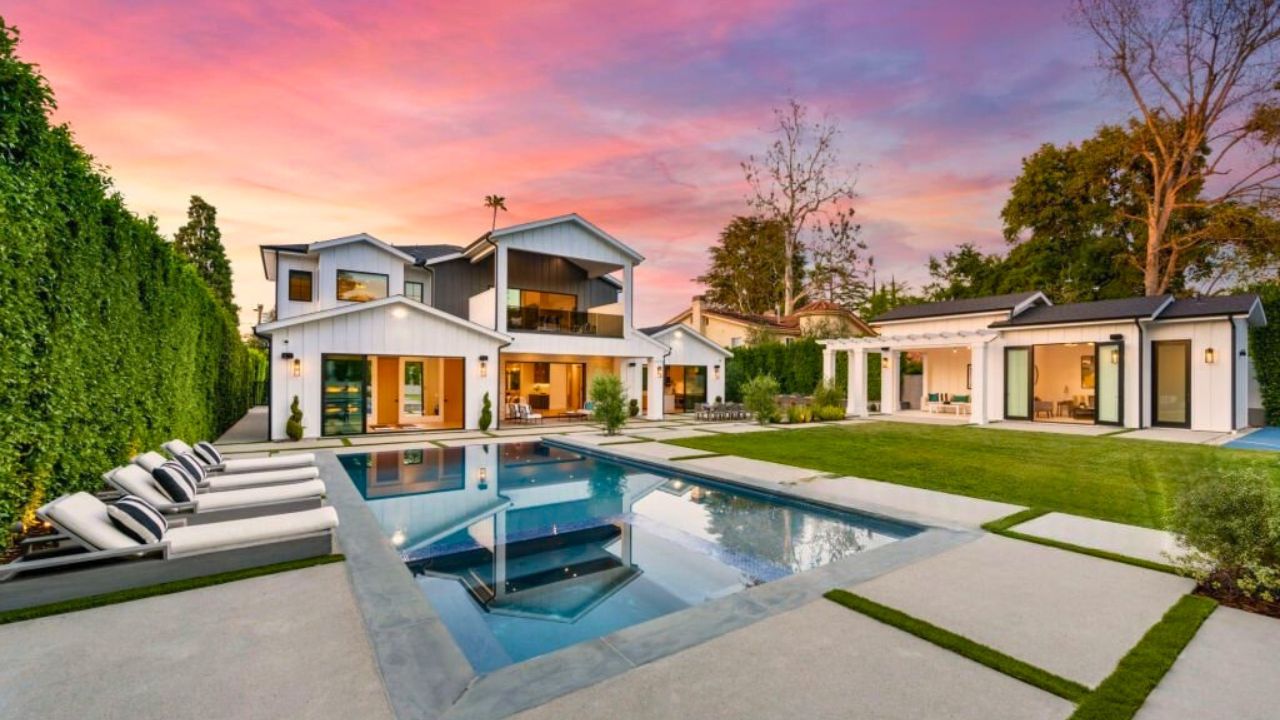
The backyard feature that most clearly bridges the gap between celebrity fantasy and everyday reality is the in‑ground swimming pool, especially when it is wrapped in extensive hardscaping and custom design. You are not just talking about a simple rectangle for laps, but a complex installation with tanning shelves, waterfalls, and a wide apron of stone or concrete that turns most of the yard into a pool deck. In high‑end enclaves, that kind of installation can feel almost mandatory, yet in a typical subdivision it can look out of scale with the house and the neighborhood.
Real estate data consistently shows that this kind of pool behaves more like a luxury toy than a reliable investment. One analysis of outdoor projects found that an in‑ground pool delivered a cost recovery of only 56 percent, placing it among the features with the least demand and return, alongside items like landscape lighting at 59 percent and fire features at 56 percent, according to a breakdown of Landscape upgrades. When you add the cost of surrounding hardscape, custom coping, and integrated spas, the gap between what you spend and what you recoup at resale can widen even further.
Why pools are a resale problem in normal neighborhoods
In a celebrity enclave, buyers expect to inherit a staff and a budget that can absorb the upkeep of a large pool, but in a standard neighborhood, that same feature can feel like a burden. Prospective buyers see year‑round maintenance, higher utility bills, and insurance implications, not just a place to lounge with a drink. Some real estate surveys group pools with other high‑maintenance landscaping, noting that Landscaping Features that Can Hurt the Value of Your Home include Swimming pools, Water features, and Highly customized layouts that are expensive to repair or replace.
There is also the issue of safety and liability, especially for families with young children or pets. A pool can trigger concerns about fencing requirements and ongoing supervision, which can be enough to knock your home off a buyer’s shortlist. In fact, broader research into design trends has flagged pools as a double‑edged sword, with one roundup of Home Design Trends That Quietly Lower Resale Value, Realtors Report noting that Swimming Pools Create Mor complications than many sellers expect. In a neighborhood where most yards are simple grass and patios, your elaborate pool can feel like an outlier that narrows, rather than expands, your buyer pool.
How hardscape-heavy “resort” design backfires
Once you commit to a pool, it is tempting to keep building around it with more stone, more decking, and more built‑in seating, until the yard resembles a hotel courtyard. That kind of overwhelming hardscape can look sleek in photos but harsh in person, especially in hot climates where stone and Concrete radiate heat. Design guidance warns that Too Much Concrete is a common misstep, explaining that Concrete should be used sparingly in a backyard because it is Not only unappealing in large slabs but can also cause drainage and comfort issues, and that you should instead mix in other materials and be strategic about placement, as one Jun design guide puts it.
From a buyer’s perspective, an expanse of stone can feel like a maintenance headache and a missed opportunity for usable green space. Another analysis of yard decisions that hurt value points to Overwhelming hardscape as a problem, noting that too much paving can make a yard feel like a griddle during the hotter months and reduce the sense of refuge that trees and planting beds provide, as highlighted in a Jun breakdown of landscaping choices. When buyers mentally add the cost of jackhammering out patios or re‑landscaping around a pool, your resort‑style upgrade can start to look like a renovation project they would rather avoid.
Artificial turf, water features, and other “celebrity” add‑ons that compound the problem
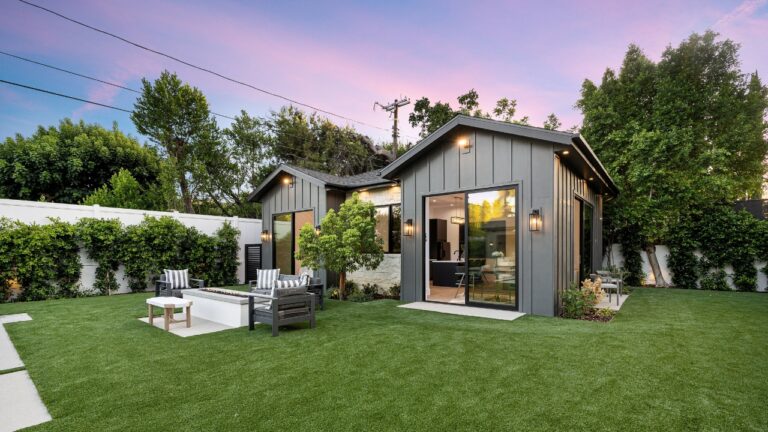
Once a pool is in place, you might be tempted to finish the look with artificial turf, koi ponds, or elaborate lighting, all of which show up frequently in celebrity yards and luxury listings. Yet the data on these add‑ons is not kind. One breakdown of Landscaping Choices That Lower Home Resale Value notes that Installing Artificial Turf or Synthetic Grass can cut into what sellers receive, with an estimate that buyers may reduce offers by around five percent when a yard has synthetic grass, and that while artificial grass may be low maintenance, it is not the most eco‑friendly choice, as highlighted in a Installing Artificial Turf analysis.
Water features can create similar headaches. A review of Landscape Features That Hurt Home Value lists Artificial grass alongside other risky elements and notes that an old wooden picnic table or dated pond can drag down appeal compared with a simple, well‑kept lawn located comfortably inside the home’s footprint, as one Jan landscaping guide explains. Another survey of Common Yard Additions That Could Lower Neighborhood Value, Real Estate Studies Show, singles out Above‑Ground Swimming Pools and elaborate landscaping or a koi pond as features that can actually depress surrounding property values, with one summary noting how such additions are often illustrated with Houses (Image Credits: Flickr), as detailed in an Oct report. Layering these elements around a pool can turn your yard into a maintenance museum that many buyers would rather skip.
What everyday buyers actually want in a backyard
When you strip away the celebrity gloss, most buyers are not chasing a private resort, they are looking for a functional, low‑stress outdoor room. Homeowners who have been through the selling process repeatedly report that People generally want big backyards that are move in ready and have some kind of patio area to enjoy, even if they do not plan to host large parties, and that everybody wants lush and green spaces that feel easy to maintain, as one widely shared People discussion of gardening and resale value puts it.
Professional stagers and landscape designers echo that simplicity. One design expert notes that Clean edges, defined plant beds, and a few statement plants make a much stronger impression than dozens of random species or cluttered decor, and warns that neglected features can become a potential breeding ground for insects, as summarized in a Clean landscaping guide. In other words, a tidy lawn, a modest patio, and a few well‑chosen shrubs will usually do more for your resale prospects than a showpiece pool that dominates the yard.
How high-maintenance landscaping quietly erodes your equity
Even if you never install a pool, it is easy to fall into the same trap by over‑investing in complex landscaping that looks impressive but demands constant attention. Real estate analysts warn that Expensive, high‑maintenance landscaping and trendy designs that quickly go out of style can actually lower your home’s appeal to buyers, with one breakdown of home improvement projects stressing that Not every upgrade boosts your home’s value and that some Expensive outdoor choices can backfire, as detailed in a Not analysis of what really adds value.
Even basic neglect can compound the problem. A review of Landscaping Choices That Lower Home Resale Value points out that Poor Lawn Maintenance and Overgrowth can hurt perceived value, and that when you skip weeding and seasonal care, your yard can look unkempt enough to cut your sale price by up to seven percent, as one Nov breakdown notes. When you combine that with a pool that already limits your buyer pool, the cumulative effect on your equity can be significant.
Smarter ways to channel that “celebrity backyard” energy
If you love the idea of an outdoor oasis, you do not have to abandon it, you just need to scale it to your neighborhood and your likely buyer. Mortgage and real estate advisors caution that Below are several popular home projects that can backfire when it comes to resale value, especially DIY Projects That are highly personalized or poorly executed, as one guide to surprising common upgrades explains, urging you to focus on broadly appealing improvements instead, as outlined in a Below list of risky projects. Think along the lines of a well‑proportioned deck, a simple pergola, or a compact spa that can be removed or updated more easily than a full pool shell.
Designers also recommend investing in quality materials and storage rather than sprawling installations. One trend report on outdated backyard features notes that if you can splurge for real stone, you should save up your pennies and do it, according to multi‑project pros who prefer durable finishes over flimsy imitations, and suggests replacing clunky fixtures with thoughtful, integrated storage that keeps outdoor spaces tidy, as captured in an Apr feature illustrated with lillisphotography / Getty Images. Those kinds of upgrades echo the polish of celebrity homes without locking you into a single, high‑maintenance feature that future buyers might resent.
When a pool might still make sense for you
There are scenarios where a pool, even with modest hardscaping, can be a reasonable choice, as long as you treat it as a lifestyle expense rather than a guaranteed investment. If you live in a region where outdoor swimming is practical for much of the year and your immediate market already has a high percentage of homes with pools, the amenity may be closer to a baseline expectation than a risky outlier. Some regional analyses of outdoor projects note that the appeal of a pool can vary by climate and neighborhood, and that in certain regions the enjoyment factor can offset the limited cost recovery, even if the financial return is still capped around that 56 percent figure cited in the Jun discussion of Wouldn it be nice to sit by your own in‑ground pool.
The key is to be clear‑eyed about trade‑offs. Broader home improvement guidance stresses that some projects are worth doing purely for personal enjoyment, as long as you accept that they may not pay you back at closing. That same logic applies to pools and resort‑style yards. If you know you will use the feature heavily, plan to stay in the home long enough to amortize the cost, and are comfortable that future buyers might discount it, then the upgrade can still be rational. Just resist the urge to keep layering on more concrete, more Artificial grass, and more Water features, all of which show up on lists of Highly customized landscaping elements that Can Hurt the Value of Your Home.
Supporting sources: 10 Home Design Trends That Quietly Lower Resale Value ….
Like Fix It Homestead’s content? Be sure to follow us.
Here’s more from us:
- I made Joanna Gaines’s Friendsgiving casserole and here is what I would keep
- Pump Shotguns That Jam the Moment You Actually Need Them
- The First 5 Things Guests Notice About Your Living Room at Christmas
- What Caliber Works Best for Groundhogs, Armadillos, and Other Digging Pests?
- Rifles worth keeping by the back door on any rural property
*This article was developed with AI-powered tools and has been carefully reviewed by our editors.