The power-restoration mistake that shortens appliance lifespan
Photo credit: Seiya Tabuchi/istock.com
When the lights flick back on after an outage, most people rush to restart life as usual. Yet the way you bring your home back online can quietly shave years off the appliances you rely on every day. The most damaging habit is letting everything power up at once, right into unstable voltage and hidden surges that punish sensitive electronics long after the storm has passed.
If you treat restoration as a race instead of a controlled restart, you turn refrigerators, HVAC systems, and smart ranges into shock absorbers for the grid. With a few deliberate steps, you can flip that script, protecting your investment instead of feeding the very failures that keep repair technicians busy.
1. The real #1 mistake: treating power restoration as an on/off switch
The biggest mistake you make after an outage is assuming that “power back” means “safe back.” When electricity returns, the grid is often unstable, with voltage bouncing as utilities re-energize lines and large loads reconnect. If every appliance in your home is still switched on, they all try to start simultaneously, drawing a surge of current just as the supply is at its noisiest. That combination is brutal on compressors, control boards, and motors that were never designed to be the first responders for a shaky grid.
Professionals already warn that neglecting routine care is the top long term threat to appliance life, but the way you handle outages is part of that same pattern. When you ignore how sensitive electronics react to sudden interruptions and restarts, you are effectively extending the same neglect that shortens lifespan in normal operation. Treating restoration as a process, not a single flip of a breaker, is the first step to breaking that habit.
2. What actually happens to appliances when the power goes out
During an outage, your appliances do not simply “pause.” Motors stop mid cycle, compressors stall under pressure, and electronic control boards lose power in the middle of writing data. When electricity cuts unexpectedly, refrigerators, dishwashers, and washing machines can be left with pumps full of water or fans that stop without a proper cooldown. As technicians who study what happens when the power goes out point out, that abrupt stop can leave components in stressed positions that make the next restart harder on every part in the chain.
The danger does not end when the lights return. When power is restored, those same devices try to restart under load, often while line voltage is still fluctuating. Compressors that were forced to stop under high pressure now attempt a “hard start,” drawing more current and generating more heat. Over time, that repeated stress accelerates wear on windings, bearings, and electronic relays, even if you never see a dramatic failure in the moment.
3. The surge problem you do not see coming
Power surges are not limited to dramatic lightning strikes. Everyday grid switching, nearby equipment starting, and even your own large appliances turning on and off can send short spikes of voltage through your wiring. Insurers warn that these power surges can damage electronics even when you never notice a flicker. The sensitive circuitry inside modern refrigerators, ovens, and laundry machines is closer to a laptop than to the analog workhorses of a generation ago, and those boards are especially vulnerable when voltage briefly jumps above normal.
In places like Chiliwack, technicians have documented that homes can experience around 20 small surges a day, a pattern described in Appliance Power Surge as “silent killers.” Each spike may be too small to trip a breaker, but every one slightly degrades capacitors, microchips, and insulation. Over months and years, that invisible erosion sets you up for sudden board failures that look random but are really the final straw in a long series of tiny hits.
4. Why the first seconds after power returns are the most dangerous
The moment electricity comes back is when surges are most likely and most damaging. Utilities re-energize lines in stages, and as they do, voltage can briefly overshoot normal levels before stabilizing. If every device in your home is still switched on, they all wake up at once into that unstable environment. Large loads like air conditioners and well pumps draw heavy current right as the line is spiking, which amplifies stress on both the grid and your own wiring.
Technicians who track how power outages can damage the electronics in appliances note that sudden interruptions and returns are especially hard on control boards. When voltage jumps, tiny pathways on those boards can overheat or arc, leaving microscopic damage that does not always cause an immediate failure. The same pattern is echoed in guidance on how a power can harm electronics, where the emphasis is on the damage caused by the return of power, not just the loss.
5. “Death by a thousand paper cuts”: how repeated surges shorten lifespan
Most of the damage from outages and surges is cumulative. You may never see a dramatic flash or smell burnt plastic, yet each event slightly weakens internal components. One repair guide describes surge damage as “death by a thousand paper cuts,” where every spike shaves a little more life off your appliances. Over time, that slow degradation leaves you with boards that fail early, motors that run hotter, and compressors that draw more current than they did when new.
In Chiliwack, where homes face frequent grid fluctuations, experts warn that surge damage is slowly degrading internal components long before any obvious failure. That same pattern applies anywhere you experience regular outages or flickers. When you let every device restart instantly after each event, you are effectively volunteering your appliances to absorb those thousand cuts instead of shielding them with simple habits and basic protection.
6. The power-restoration routine that protects your appliances
The safest way to handle restoration is to think in stages. When the power goes out, turn off or unplug as many major appliances as you can safely reach, especially air conditioners, electric ranges, well pumps, and desktop computers. Leave one small light switched on so you know when electricity returns. Once power is back and has stayed steady for a few minutes, you can begin bringing devices online one by one, starting with the most essential and lowest draw.
This staggered restart gives the grid a chance to stabilize before your heaviest loads kick in, and it prevents every motor and compressor from trying to start at the same instant. Guidance on appliances during outages and advice on how a power outage can damage electronics both stress the importance of managing sudden interruptions and returns. By treating restoration as a deliberate sequence instead of a single flip, you dramatically cut the stress on every circuit in your home.
7. Surge protection and generators: why hardware alone is not enough
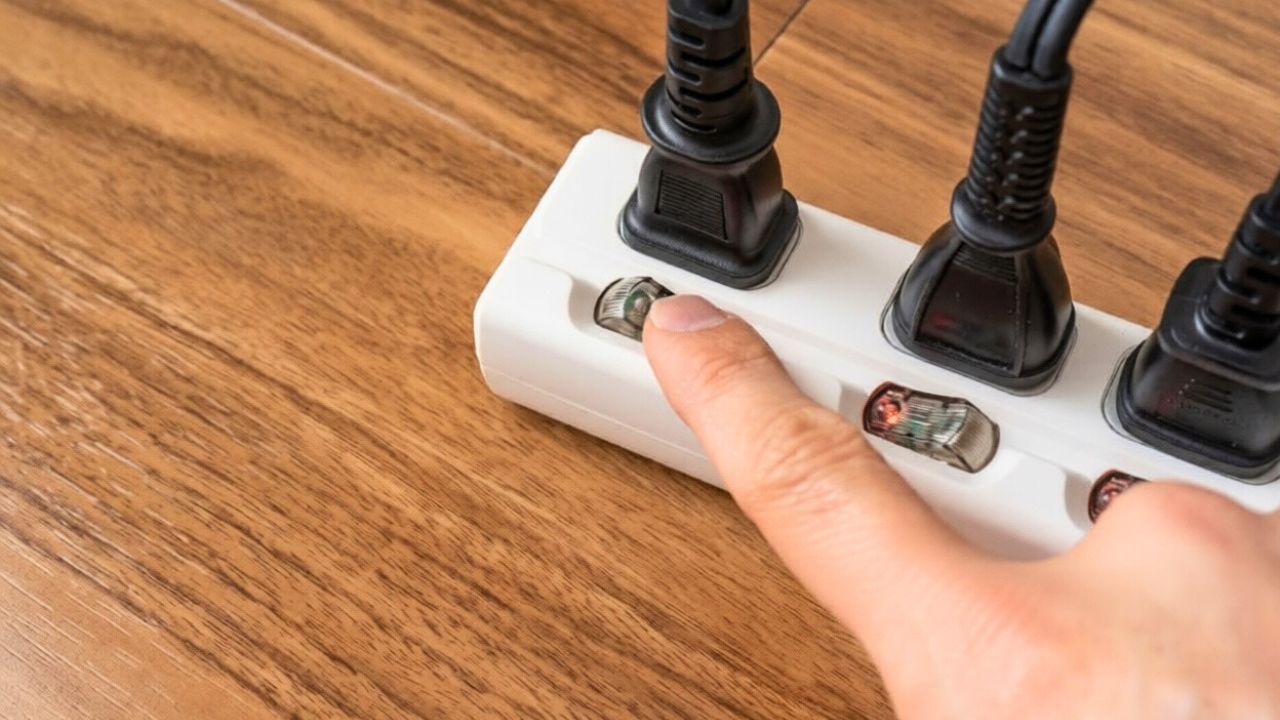
Whole home surge protectors and point of use strips are critical, but they are not magic shields. A quality protector can clamp many spikes before they reach your appliances, yet it has limits and can wear out over time. Insurers who track damaging surges note that even protected homes can see failures when a surge is large enough or long enough. That is why your behavior at restoration still matters, even if you have invested in hardware.
If you rely on a backup generator, the stakes are even higher. During an outage, all of the electronics and appliances that you have plugged in are subject to a sudden boost in voltage when during startup the generator comes online or when utility power returns and transfers back. Poorly regulated generators can produce their own surges and dips, which is why you should still unplug the most sensitive devices and bring them back gradually. Surge strips, transfer switches, and good grounding are essential, but they work best when paired with the same staged restart routine you would use without a generator.
8. Everyday habits that quietly compound outage damage
How you treat appliances the rest of the year determines how well they survive outages and surges. Overloading the appliance, whether it is a washing machine packed to the lid or a dishwasher crammed beyond its racks, forces motors and pumps to work harder every cycle. Repair specialists describe overloading the Thermador units in New York as one of the most common mistakes that leads to early breakdowns. When you combine that daily strain with hard restarts after outages, you are stacking stress on already tired components.
Ignoring maintenance has a similar compounding effect. Guidance on Common Mistakes that shorten the life of appliances highlights how skipping simple tasks like cleaning filters or checking hoses leaves parts more vulnerable when something goes wrong. The same pattern appears in advice that overloading the Appliances is one of the fastest ways to shorten service life. When motors are already running hot from heavy loads and clogged vents, a surge or hard restart is more likely to push them past their limit.
9. Turning outage discipline into long term savings
Outage discipline is not just about avoiding catastrophic failures, it is about preventing the slow creep of problems that lead to expensive calls later. When an appliance part wears and you ignore the early signs, you increase the risk of collateral damage, from ruined food to emergency service calls. Consumer advocates warn that Why Procrastinating on repairs costs more than you think, because a small issue under normal conditions can become a major failure when the next outage hits.
The same mindset that encourages you to schedule regular service, as urged in guidance that neglecting routine maintenance is the top mistake, should extend to how you handle power events. When you pair basic upkeep with a disciplined restoration routine, you are no longer letting outages and surges dictate the lifespan of your appliances. Instead, you are doing what experts in Chiliwack describe in Key Outtakes from The Appliance Power Surge Apocalypse: taking simple, proactive steps that can save you hundreds or even thousands of dollars in surge damage over the life of your home.
Like Fix It Homestead’s content? Be sure to follow us.
Here’s more from us:
- I made Joanna Gaines’s Friendsgiving casserole and here is what I would keep
- Pump Shotguns That Jam the Moment You Actually Need Them
- The First 5 Things Guests Notice About Your Living Room at Christmas
- What Caliber Works Best for Groundhogs, Armadillos, and Other Digging Pests?
- Rifles worth keeping by the back door on any rural property
*This article was developed with AI-powered tools and has been carefully reviewed by our editors.