Inspectors say this fix almost always backfires
Photo credit: Purple Queue/istock.com
Home inspectors are remarkably consistent about one thing: the “quick fix” you are sure will impress buyers is often the very move that triggers red flags. When you patch, paint, or swap finishes without addressing the underlying problem, you do not just waste money, you invite closer scrutiny and sometimes kill a deal outright. The fix that feels clever and thrifty to you is frequently the one professionals say almost always backfires.
If you are preparing to sell, the real leverage is not in cosmetic bandages but in targeted, transparent repairs that stand up to an inspector’s flashlight and moisture meter. That means understanding which shortcuts signal risk, how inspectors interpret them, and what you should do instead if you want to protect both your sale price and your sanity.
1. The cosmetic cover‑up that screams “what are you hiding?”
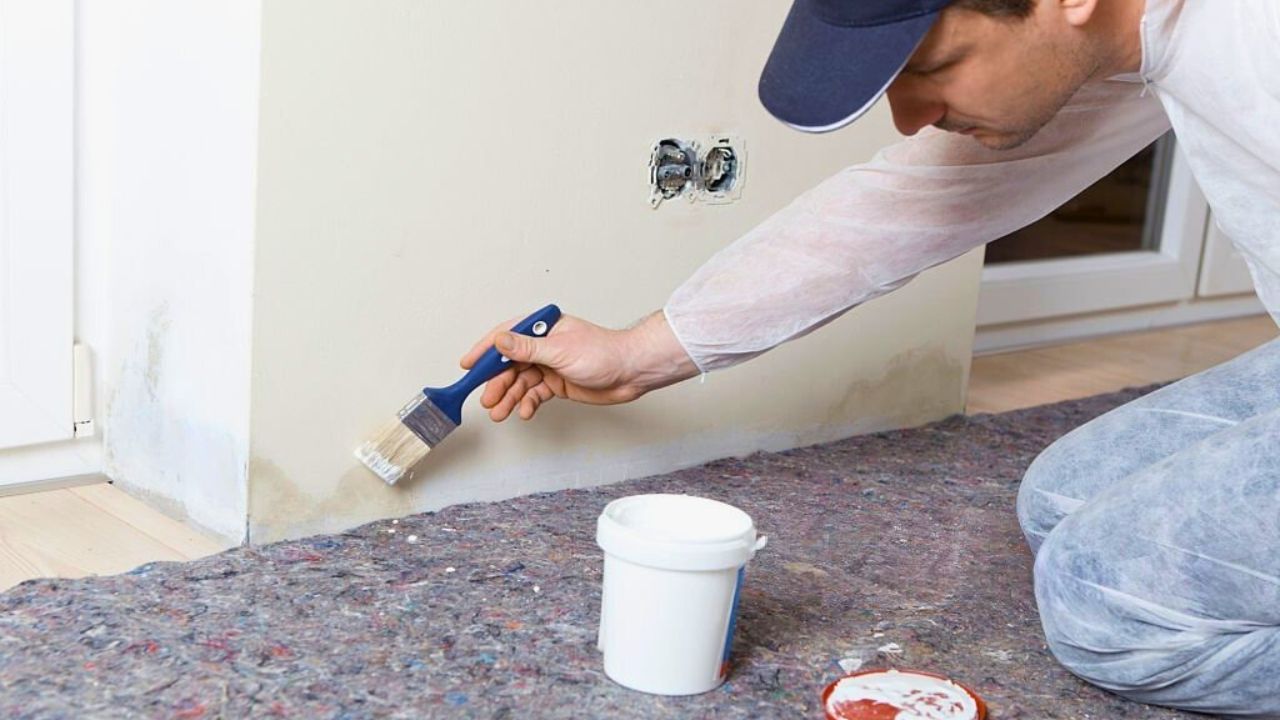
The most common misstep sellers make is treating visible damage as a purely aesthetic problem. You see a stained ceiling tile, a cracked tile around the tub, or a discolored baseboard and assume a little caulk and paint will calm buyers’ nerves. To an inspector, that same fresh caulk line or oddly pristine patch in an otherwise lived‑in room is a neon arrow pointing to possible leaks, rot, or structural movement that you chose to conceal rather than correct.
Bathroom moisture is a prime example. If you skim coat over peeling paint or grout without fixing the fan, sealing the shower, or checking for mold, an inspector will read that as neglect, not improvement. Reporting on bathroom defects has highlighted how sellers often dismiss a small patch of mildew or a bit of soft drywall as “no big deal,” while inspectors treat that “minor” issue as a sign of broader neglect or hidden damage. When you cover instead of cure, you invite the harshest interpretation of everything else in the house.
2. The bathroom “refresh” that exposes deeper neglect
Bathrooms tempt you to chase quick wins. A new mirror, trendy faucet, and fresh shower curtain feel like an easy way to modernize without a full remodel. The trap is upgrading surfaces while ignoring the systems that actually matter, like ventilation, waterproofing, and plumbing. Inspectors are trained to look past the pretty finishes and ask whether the room can handle daily humidity without slowly destroying itself.
Jan and other agents describe sellers who proudly point to a new vanity and lighting while the fan barely works and the caulk around the tub is failing. Inspectors then find soft subflooring, mold behind tile, or staining around the toilet that suggests a long‑term leak. Coverage of bathroom red flags notes that what buyers see as a “small” moisture blemish is often interpreted by inspectors as a symptom of hidden water damage. When your upgrades are purely decorative, you risk making the underlying problems more obvious, not less.
3. Small design tweaks that throw the whole house off
Another fix that often backfires is the isolated design upgrade. You repaint one room in a high‑end color, swap in a luxury light fixture, or fully update a single bathroom while leaving the rest of the house firmly stuck in another decade. Instead of reading as “thoughtful improvement,” that one polished space can make everything around it look more dated and raise questions about why the work stopped there.
Real estate pros have described clients who updated a bathroom with new tile and fixtures, only to have buyers focus on the contrast with the older kitchen and hall bath. Reporting on small design fixes notes that when you modernize one area in isolation, you can unintentionally highlight flaws elsewhere and create a disjointed feel that hurts perceived value. Inspectors, meanwhile, see a patchwork of eras and wonder whether the work was done with permits, whether plumbing and electrical were updated consistently, and whether the shiny room is masking older infrastructure that never got the same attention.
4. The DIY electrical “upgrade” that terrifies inspectors
Few shortcuts worry inspectors more than amateur electrical work. You might think adding a couple of outlets, swapping a light fixture, or tying in a new appliance is a simple weekend project. To an inspector, any sign that a non‑professional has been inside the panel or behind the walls is a serious safety concern, because mistakes here can mean shocks, fires, or overloaded circuits that fail under stress.
Electrical inspectors routinely report seeing illegal add‑ons in homes that otherwise look freshly updated. They encounter double‑tapped breakers, unapproved junction boxes buried behind drywall, and extension cords used as permanent wiring, all of which violate code and often start with a homeowner who skipped a permit. Coverage of these recurring problems notes that Electrical inspectors live with a kind of déjà vu, walking into beautifully staged homes only to find the same dangerous shortcuts behind the scenes. When you “upgrade” electrical without a licensed pro, you are not just risking a failed inspection, you are risking your buyer’s insurance and your own liability.
5. Skipping permits because “it’s just a small job”
Closely tied to DIY electrical work is the decision to skip permits altogether. You might rationalize that finishing a basement, moving a non‑load‑bearing wall, or adding a bathroom is minor enough to fly under the radar. Inspectors and appraisers, however, are trained to spot unpermitted work, and once they do, every improvement in that area becomes suspect, no matter how good it looks on the surface.
Real estate coaches who work with investors emphasize that cutting corners on permits is the fastest way to blow up a deal. In a widely shared series, Nov highlighted a segment titled DAY 10, focused on Permits, When You, stressing that inspectors and appraisers catch almost everything. Once unpermitted work is on the table, buyers may demand retroactive approvals, price reductions, or full removal of the offending changes, turning your “small job” into a major financial setback.
6. The SASSY way to decide what to fix and what to leave alone
Not every flaw needs to be fixed before you list, and not every fix earns its cost back. The mistake is assuming that any improvement is better than none. A more strategic approach is to triage repairs based on safety, age, systems, style, and yield, so you focus on what actually moves the needle for both inspectors and buyers instead of chasing every cosmetic imperfection.
One framework circulating among agents is the SASSY system, which encourages you to weigh structural and safety issues first, then look at aging components, system performance, and finally style, with an eye on return on investment. In a video shared in Nov, a coach opens with “Thinking of selling your home? Not every ‘fix’ puts money back in your pocket,” and walks through how to prioritize repairs that matter while skipping upgrades that only. When you apply that lens, you stop obsessing over minor scuffs and start investing in the items most likely to pass inspection and reassure buyers.
7. When “minor” bathroom issues are actually deal‑breakers
Among all the rooms in a house, bathrooms are where the gap between what you consider minor and what inspectors consider serious is often widest. A bit of loose caulk, a slow drain, or a fan that rattles might feel like small annoyances you can leave for the next owner. Inspectors, however, see bathrooms as high‑risk zones for moisture, mold, and hidden structural damage, so they treat even small defects as clues that warrant a closer look.
Jan has pointed out that sellers often focus on quick visual upgrades in the bathroom and ignore anything that looks like a small maintenance task, such as regrouting or improving ventilation. Reporting on these patterns notes that when you dismiss a “small” bathroom issue, inspectors may interpret it as a sign of broader neglect that could hide rot or mold. In practice, that means a bit of peeling paint above the shower can trigger moisture readings, attic checks, and even recommendations for further specialist inspections, all of which slow your transaction and give buyers leverage.
8. How inspectors read your “story” from small clues
Every shortcut you take tells a story, and inspectors are expert storytellers. A single illegal electrical add‑on suggests a pattern of DIY work. One unpermitted wall hints at other changes that might not meet code. A beautifully tiled shower with no visible waterproofing details raises questions about what is behind the walls. You may see isolated fixes, but inspectors connect them into a narrative about how the home has been cared for over time.
That is why seemingly small choices, like using a power strip as a permanent solution or installing a new vanity without addressing a slow leak, carry outsized weight. Coverage of illegal electrical add‑ons and small bathroom issues shows how often inspectors see the same patterns repeat, which makes them quicker to assume that one visible shortcut is the tip of an iceberg. When your fixes look rushed or incomplete, you are not just risking a punch list, you are shaping the entire narrative of your home’s maintenance history in the least flattering way.
9. A smarter pre‑inspection game plan
If you want to avoid the fixes that backfire, your best move is to think like an inspector before one ever walks through the door. Start with safety and code: electrical panels, GFCI outlets near water, handrails, smoke and carbon monoxide detectors, and any obvious trip hazards. Then move to moisture: bathrooms, kitchens, basements, and attics, looking for stains, soft spots, or musty odors that suggest leaks. Finally, address functionality, from windows that stick to doors that do not latch, because these small annoyances can hint at bigger issues like settling or humidity problems.
Once you have that list, apply a SASSY‑style filter and decide which items to fix professionally, which to disclose, and which to leave alone. Lean on licensed trades for anything involving wiring, plumbing, or structural changes, and pull permits where required so you can show buyers a clean paper trail. When you resist the urge to slap on cosmetic bandages and instead invest in solid, documented repairs, you transform the inspection from a minefield into a formality, and the “fixes” that used to backfire become the very reasons a buyer feels confident moving forward.
Like Fix It Homestead’s content? Be sure to follow us.
Here’s more from us:
- I made Joanna Gaines’s Friendsgiving casserole and here is what I would keep
- Pump Shotguns That Jam the Moment You Actually Need Them
- The First 5 Things Guests Notice About Your Living Room at Christmas
- What Caliber Works Best for Groundhogs, Armadillos, and Other Digging Pests?
- Rifles worth keeping by the back door on any rural property
*This article was developed with AI-powered tools and has been carefully reviewed by our editors.