What to Stock Before the Next Big Storm
Photo credit: Pexels
When the forecast turns serious, the last place you want to be is stuck in a crowd at the store, staring at empty shelves. Storm prep doesn’t need to be complicated, but it does need to be done ahead of time.
A well-stocked house can ride out power outages, blocked roads, and water shutdowns with way less stress. Here’s what you should have on hand before the next big one hits.
Drinking Water

Store at least one gallon per person per day for three days, but more is better. Don’t count on tap water staying clean or available.
You can buy bottled water, but it adds up fast. Filling pitchers, food-grade containers, and even your bathtub with water ahead of time gives you a free backup. Don’t forget pets—they need water too.
Non-Perishable Food
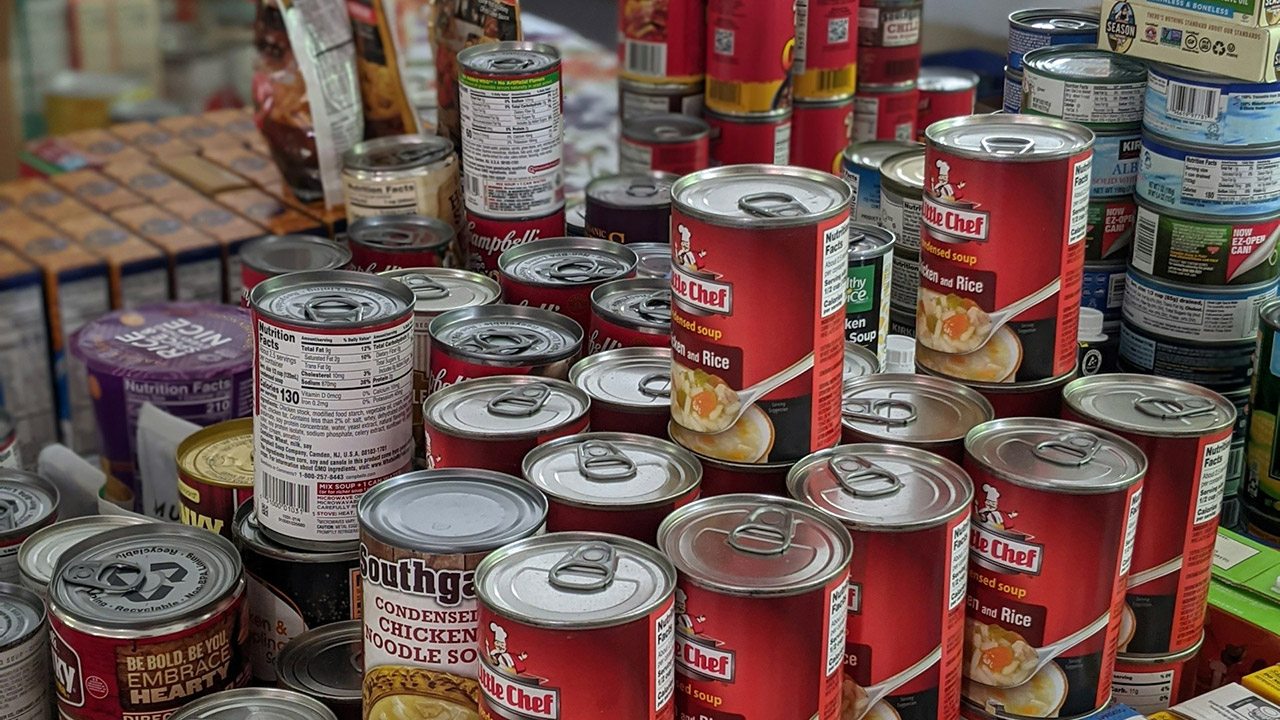
Canned goods, granola bars, instant oatmeal, peanut butter, and shelf-stable snacks all come in handy. Go for food that doesn’t need cooking.
Think about meals you can eat cold or with boiled water. Skip stuff that needs a full kitchen to prepare. If you’ve got babies, toddlers, or anyone with dietary needs, stock their food separately so you’re not scrambling.
Manual Can Opener

It sounds small, but if your only can opener is electric, you’ll be out of luck when the power goes. A manual one is cheap and takes up hardly any space.
Make sure it’s something you’ve tested before. The dollar store versions might not hold up when you actually need them. Keep it with your food stash so you’re not digging around in the dark.
Extra Batteries
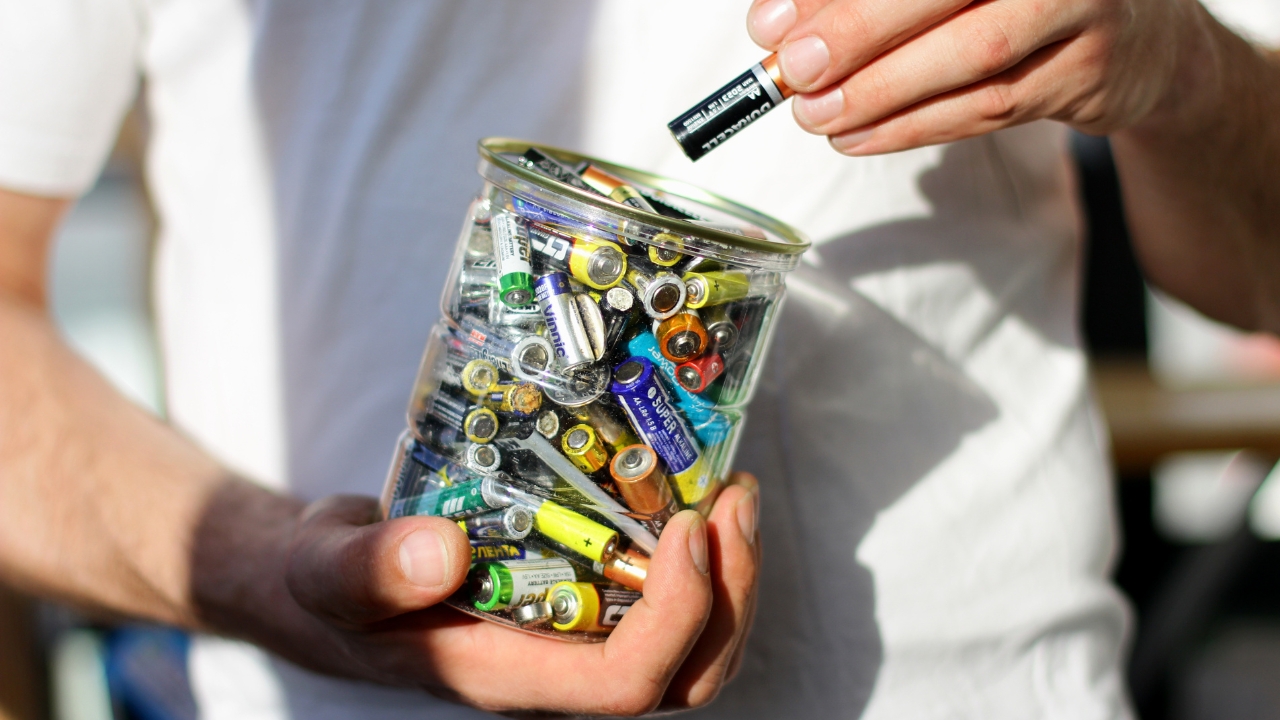
Flashlights, radios, fans, lanterns—they all run on batteries. And they run through them fast in an extended outage.
Check what sizes your gear uses and buy extras. Don’t forget about less common ones like D or C batteries. Store them somewhere dry and easy to access so you’re not fumbling through junk drawers in a blackout.
Flashlights and Headlamps
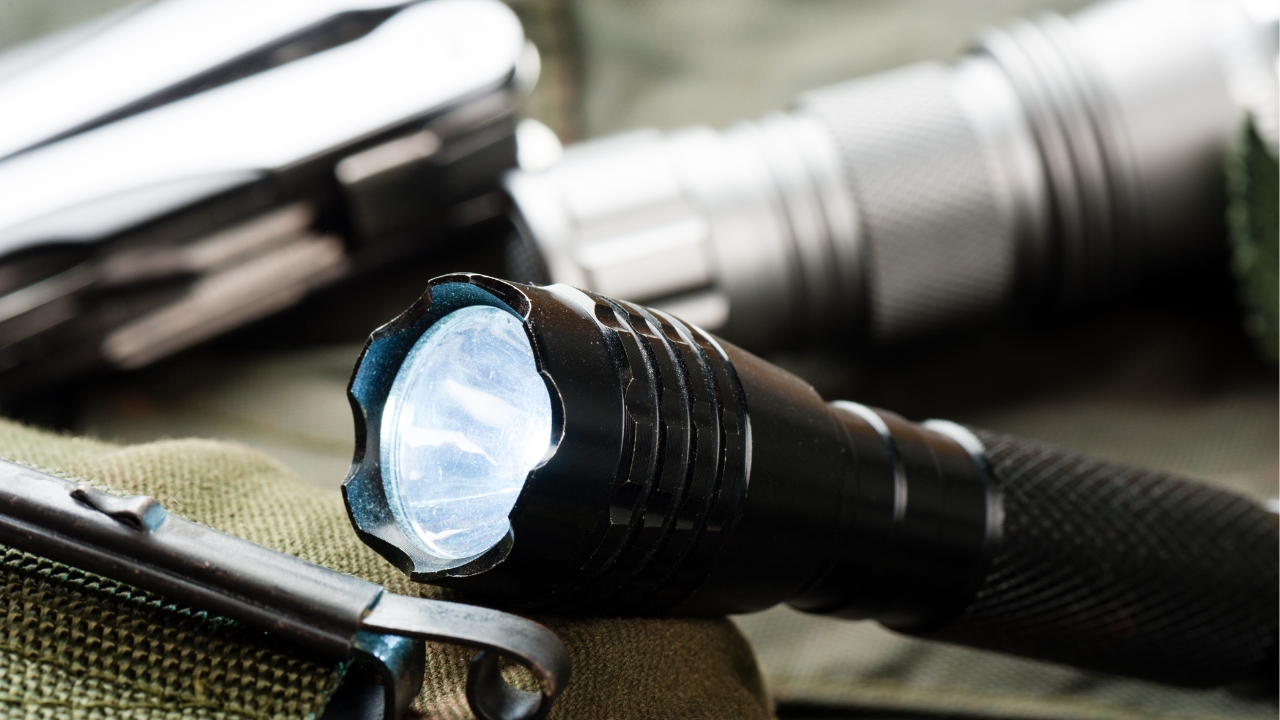
You need light in every room—not just your phone. Headlamps are great because they keep your hands free, especially if you’ve got kids or need to move around outside.
Have backups and make sure you know where they are. One per person is ideal. Rechargeable options are great, but only if you’ve already charged them and have a power bank to back them up.
Backup Power Bank

Phones are more than communication—they’re your weather alerts, flashlight, and way to check on others. If the power goes out, it doesn’t take long for your battery to drain.
Charge all your power banks ahead of time and use them wisely. Even a basic model can give you a couple extra charges when it matters most.
First Aid Supplies

Storms can knock out access to medical help. A well-stocked first aid kit should cover cuts, scrapes, pain relief, and any regular meds you rely on.
Include bandages, antiseptic, tweezers, gloves, and pain relievers. If you or someone in your house needs daily medication, try to have at least a week’s worth stored ahead of time.
Hygiene and Sanitation
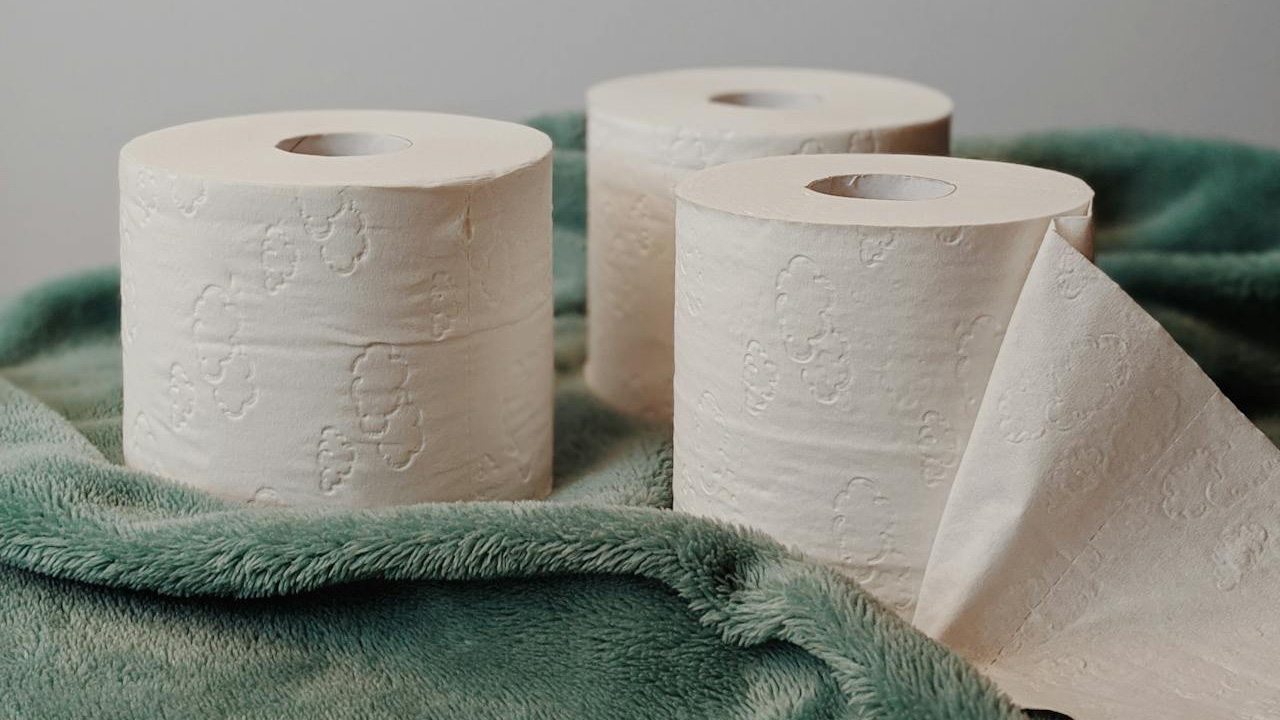
Toilet paper, wet wipes, garbage bags, and hand sanitizer can make a big difference when the power or water is out. Don’t overlook how hard it is to stay clean without running water.
Keep a stash of personal hygiene items and a plan for makeshift toilets if you can’t flush. Even a five-gallon bucket with bags and kitty litter can help in a pinch.
Fuel for Cooking
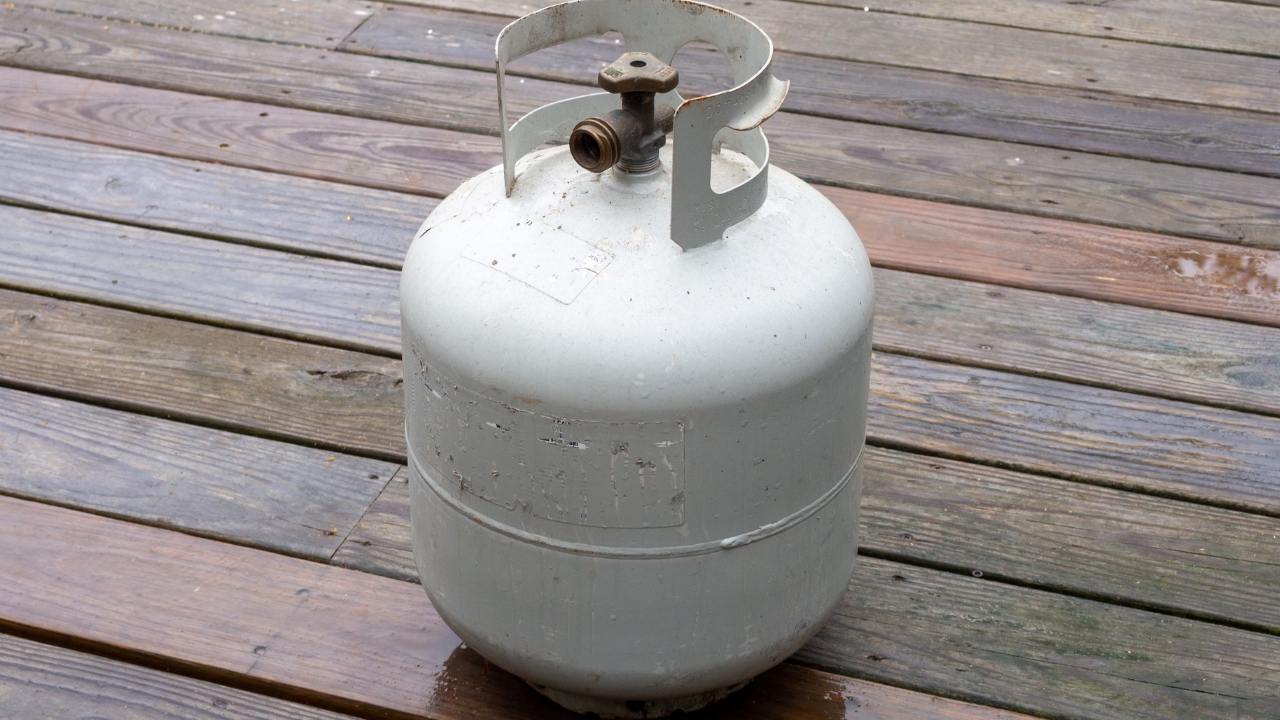
A small propane stove or grill can keep meals going when your kitchen can’t. Make sure you have the right fuel and that everything works before the storm hits.
Store propane or charcoal safely, and never use grills or camp stoves indoors. Even if you only use it to boil water or heat soup, it makes a big difference.
Pet Supplies

Don’t wait until the day of the storm to think about your pets. Make sure you’ve got enough food, water, and meds for them too.
It helps to pack a small bin with the basics—food, bowls, leash, potty pads, and any comfort items. Keep it somewhere you can grab fast if you need to leave in a hurry.
*This article was developed with AI-powered tools and has been carefully reviewed by our editors.