What buyers wish they had asked before closing
Photo credit: AUNG MYO HTWE/istock.com
Buyers rarely regret the paperwork. They regret the questions they never asked. From surprise five‑figure repairs to noisy neighbors and sky‑high utility bills, the most painful lessons tend to surface only after you move in and the keys are already in your pocket. Learning what other homeowners wish they had pressed on before closing can help you avoid turning your dream purchase into a long, expensive apology tour.
The patterns are strikingly consistent: gaps in inspection, silence about the home’s history, and a rushed final walkthrough show up again and again in regret stories. If you slow down long enough to ask targeted, specific questions at each stage, you dramatically improve your odds of walking into a house that matches both your budget and your expectations.
What you did not ask about the house itself
The most common regrets start with the structure and systems you can see, but did not fully interrogate. Buyers often discover after closing that the roof is near the end of its life, the HVAC is decades old, or the water heater is limping along, all of which can trigger immediate, unplanned expenses. Experienced agents and homeowners urge you to ask directly how old the major systems are, a point echoed in a widely shared checklist that highlights questions like “How old” the roof, furnace, and appliances are, and what maintenance has been done. When you know that a typical HVAC replacement can run into the thousands, that information becomes central to whether the price you are paying actually makes sense.
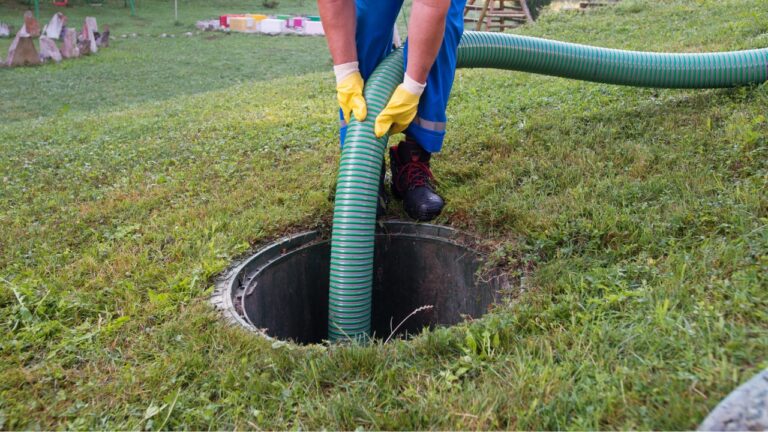
Buyers also underestimate how much hidden infrastructure can cost to fix. Septic systems are a prime example: one homeowner warned that if the property has a septic setup, you should confirm it has passed its required Title V inspection, because Replacing a failed system is “hella expensive.” Others point to older electrical systems, urging buyers to make sure there is no knob and tube wiring still in place and to verify what each switch and outlet actually controls, a detail that surfaced in a Comments Section where people admitted they did not even know what half their switches did until after moving in. These are not cosmetic annoyances; they are safety and budget issues that you can and should probe before you sign.
The questions you skipped about history, damage, and risk
Another cluster of regrets centers on what happened to the house before you ever saw it. Buyers who never asked about flooding, leaks, or pests often discover the answers the hard way during the first heavy storm or warm season. In one discussion of “things you wish you knew,” owners stressed asking whether the house has ever flooded, sits in a flood zone, or has any kind of water leak during heavy rain, and whether there have been issues like critter infestations or termites, advice that came through clearly in a Jun thread of hard‑won lessons. Skipping those questions can leave you with recurring water damage, mold risk, and insurance complications that are far more expensive than an awkward conversation with the seller.
Neighborhood context is another blind spot. Buyers often focus on the house and ignore the street, only to find that their supposedly quiet block is anything but. One compilation of buyer stories described how an “Our ‘Quiet’ Neighborhood Turned Into a Nightmare” once the buyers realized how traffic, noise, and nearby activity spiked at different times of day. Other owners advise you to “Meet the neighbors” before closing, because They can flag issues you will not see during a 20‑minute showing, and to Consider things like the direction of the sun and how it affects heat and light inside the home.
The seller intel you never pushed for
Many buyers later realize they treated the seller as a formality instead of a resource. One of the simplest, most revealing questions is “Why are you selling the home?” You may not always get a full answer, but you can often pick up clues about whether there have been ongoing problems, disputes with neighbors, or upcoming changes in the area. Guidance for buyers also suggests asking “You” focused questions about recent repairs and replacements, especially for big‑ticket items like the HVAC system, which one source pegged at around 7,000 dollars to replace. That context can help you negotiate price or credits instead of inheriting a looming expense.
Online threads are full of people wishing they had been more direct with sellers. In one What do you wish you had asked the Seller discussion, buyers talked about wanting detailed timelines for renovations, clarity on which fixtures and appliances would stay, and documentation for warranties. Another buyer, who noted they would close on Monday and might not even meet the seller at Closing, shared a long list of questions they hoped to ask if they got the chance, underscoring how easily that opportunity can slip away. Others on a Dec thread emphasized meeting neighbors and probing for “sneaky” issues, reinforcing that the seller and surrounding community often know more than any listing sheet will reveal.
The inspection and walkthrough gaps that cost you later
Inspection is where many buyers think they are protected, only to find out later that they did not go far enough. Homeowners in one Best wishes thread urged buyers to “Get your own inspection” and to hire someone like Charlene Evans and not an inspector recommended by the realtor, stressing that independence is worth the cost. They also highlighted the importance of checking for termite risks, knob and tube wiring, and the condition of major systems like the water heater, as well as asking about utility costs in colder northern climates. Separate guidance for first‑time buyers warns that skipping or rushing inspection is one of the “Buying” mistakes that can snowball into long‑term financial strain.
The final walkthrough is another stage where buyers often treat a critical safeguard as a formality. One buyer timeline notes that the WALKTHROUGH typically happens Within 24 hours of closing, often the morning of, and describes it as largely a check that everything is as agreed. More detailed guidance explains that the home should be clean, free of dust and debris, and that the seller should have removed all belongings, listing Common items buyers should verify. Another walkthrough guide warns that Incomplete repairs are a frequent problem and that Sometimes work agreed to after inspection simply is not done by closing. Buyers who regret their purchase often wish they had treated the walkthrough as a serious inspection of repairs, cleanliness, and included items, not just a quick lap around the house.
The paperwork, closing day, and long‑term costs you overlooked
Even buyers who ask sharp questions about the property itself can stumble on the process and paperwork. Closing day is often described as exciting and stressful, with one guide noting that Closing on a house involves throwing large amounts of money around and juggling signatures, which makes it easy to miss details. To counter that, federal regulators encourage buyers to Get the CFPB Consumer Financial Protection Bureau closing checklist so you are prepared for the mortgage closing process. Lenders also provide their own checklists to ensure you go into closing day prepared and leave with everything you need as a new homeowner, including reviewing the Closing Disclosure and other key documents in advance rather than skimming them at the table.
Like Fix It Homestead’s content? Be sure to follow us.
Here’s more from us:
- I made Joanna Gaines’s Friendsgiving casserole and here is what I would keep
- Pump Shotguns That Jam the Moment You Actually Need Them
- The First 5 Things Guests Notice About Your Living Room at Christmas
- What Caliber Works Best for Groundhogs, Armadillos, and Other Digging Pests?
- Rifles worth keeping by the back door on any rural property
*This article was developed with AI-powered tools and has been carefully reviewed by our editors.