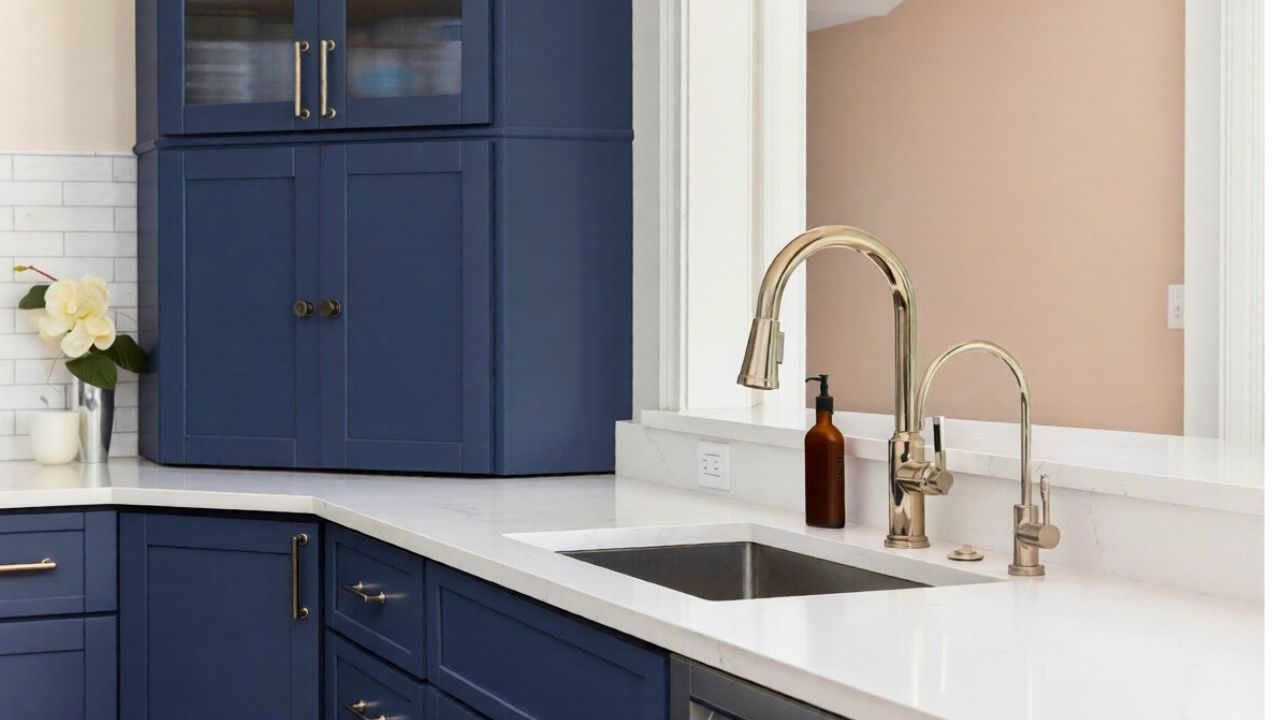
The new fixtures that don’t mean the system behind them is okay
Photo credit: Joseph Hendrickson/Shutterstock.com
New faucets, shiny showerheads, and sleek fixtures can make a bathroom or kitchen feel brand new, but they are often a cosmetic bandage on a plumbing system that is quietly failing behind the walls. You might walk away from a renovation believing the worst is behind you, when in reality the most expensive problems are still forming in the dark. To protect your home and your budget, you need to look past the chrome and ask whether the pipes, joints, and drains feeding those fixtures are actually sound.
The real story in most houses is not what you can see, but what you cannot: aging lines, hidden leaks, and design shortcuts that only reveal themselves when something bursts or backs up. Treating fixtures as proof that everything is fine is how small warning signs turn into structural damage, contaminated water, and emergency repair bills. The system behind the new hardware is what matters, and it deserves the same scrutiny you give to countertops and tile.
The illusion of “fixed” when fixtures are new
When you replace a faucet or showerhead, it is tempting to assume the underlying plumbing has been refreshed too. In reality, you are usually attaching new hardware to pipes that may be decades old, with joints that have already survived multiple freeze–thaw cycles and pressure spikes. Guides on how to detect and repair problems stress that leaks rarely start at the visible fixture, and that the real trouble often sits in concealed runs where corrosion and movement slowly open gaps.
That disconnect between what you see and what you own is why so many homeowners are blindsided by failures shortly after a remodel. You might admire the way new Faucets transform a sink while ignoring the fact that the shutoff valves and supply lines feeding them are original to the house. Even when you follow advice on How, Detect and Repair Hidden Plumbing Leaks Fast, you are still working within a system whose weakest points are usually buried in walls, under slabs, or in crawl spaces that never make it into the renovation mood board.
New construction and renovation: fresh finishes, familiar defects
Even in brand new homes, the presence of pristine fixtures does not guarantee that the plumbing behind them was installed correctly. Inspectors who walk new builds repeatedly find the same problems, from misaligned drains to fittings that were never tightened properly. One guide, written in Sep and credited By Korey with Comments, highlights how often new construction hides loose connections and poorly supported lines that only reveal themselves once the house is occupied and the system is under daily load, turning what looked like a flawless installation into a slow leak or sudden failure behind the drywall.
Renovations can introduce their own hidden risks, especially when walls are opened and closed quickly to keep projects on schedule. Plumbers working in Anna Maria, for example, warn that changes to layout and fixtures can alter how water moves through a home, creating pressure imbalances and new stress points in older sections of pipe. When you shift lines or add bathrooms without recalculating flow, you can trigger hidden plumbing issues that only become obvious after the renovation dust has settled and the contractor is long gone.
Old pipes, new hardware: a time bomb combination
Pairing modern fixtures with Old piping is like putting new tires on a car with a cracked frame: the upgrade looks reassuring, but the underlying structure is still compromised. Specialists in aging systems describe old plumbing as a time bomb in any home, warning that corrosion, mineral buildup, and outdated materials can lead to costly repairs and even health risks. One detailed overview explains that One of the most common problems is internal pipe decay that narrows the opening, increases pressure, and makes leaks more likely when new fixtures increase usage.
Other experts focus on why Old Plumbing Systems are especially dangerous for drinking water. They note that The Dangers Lurking in Old Plumbing Systems include Lead Contamination, since Over time, pipes made from lead or galvanized steel can leach metals and allow water contamination from external sources. One of the most sobering points is that you can have sparkling new faucets while your family still drinks water that has passed through deteriorating lines, a risk that only a full assessment of old plumbing can uncover.
Hidden leaks: the quiet threat behind the wall
Hidden leaks are where the gap between shiny fixtures and failing systems becomes most expensive. You can have a brand new kitchen sink and still be losing water into the cabinet base or wall cavity behind it, with no obvious puddle in sight. Plumbers who specialize in early detection urge you to watch for subtle clues such as an Increased Water Bill that jumps without any change in usage, or faint staining and bubbling on paint. One guide framed as Early Warning Signs of Hidden Plumbing Leaks lists an Unexplained Increase in Water Bills as One of the first red flags that something is wrong behind the scenes, long before you see visible damage.
Other checklists encourage you to Spot issues by Paying attention to small shifts in your home environment. They point to Subtle Wall And Ceili discoloration, musty odors, or warm patches underfoot as signs that water is moving where it should not. Another resource on Signs of Hidden explains How to Detect Them by combining meter checks with visual inspections, while a separate guide on how to spot hidden leaks stresses that a Sudden spike in costs or dampness around appliances should never be ignored.
Slab leaks, floors, and the cost of what you cannot see
Some of the most destructive failures happen far from the fixtures you just upgraded. When supply or drain lines running under a concrete slab begin to fail, the first hints are often easy to dismiss: a slightly warm tile, a hairline crack, or a small area where flooring feels damp. Specialists who outline Early Warning Signs of Slab Leaks urge homeowners to look for Warm Spots on the Floor that do not match any heating layout, explaining that this can signal hot water escaping from a buried line and slowly eroding the foundation around it.
Left unchecked, these hidden leaks can undermine structural supports, invite mold, and force you into major remediation that dwarfs the cost of any faucet or vanity. One breakdown of how to avoid being caught off guard describes how spotting hidden plumbing early can save you from pipe corrosion that needs addressing before it compromises the slab. Another checklist of 5 Hidden Plumbing Issues Every Homeowner Should Catch Before they become disasters warns that Slow or Gurgling Drains are often the first sign of deeper trouble, and that Here are five of the most common issues you should watch for if you want to avoid big bucks in repairs.
Water quality: when clear water is not clean
New fixtures can make water look more appealing, but they cannot fix contamination that starts inside your pipes. Even when municipal supplies are treated, Despite extensive treatment before reaching your home, your water can still fall victim to specific contamination issues once it enters your plumbing. One detailed review of 7 Plumbing Issues That Can Affect Your Water Quality explains how corrosion, biofilm, and stagnant sections of pipe can all contribute to potential water quality issues, even if the water leaving the treatment plant meets every standard.
Inside the house, the warning signs are often subtle. A guide to Silent Signs Your House has a Major Plumbing Problem notes that discoloration at the tap, especially if the water coming out is brown or yellow, can indicate extensive corrosion in copper pipes. Another resource on water quality issues stresses that even minor leaks or Frequent Clogs and Leaks in Piping Older than a few decades can create pockets where contaminants thrive. Some older buildings, as one analysis of plumbing issues common notes, have pipes that cannot even handle double sinks or modern appliances, which means water can stagnate and pick up unwanted material before it ever reaches your new faucet.
New builds, old mistakes: design flaws that outlast the paint
Even when every pipe in a house is new, design mistakes can bake long term problems into the system. One of the most common mistakes in new home plumbing is inadequate ventilation, which can leave drains slow, noisy, and prone to sewer gas smells. A technical guide on avoiding errors in new home builds explains that Poorly designed venting prevents optimal airflow and can cause traps to siphon dry, turning what should be a simple flush into a recurring maintenance headache. When you see a sparkling new bathroom in a model home, you have no way of knowing whether the vent stack behind it was sized correctly or whether shortcuts were taken to save time.
Construction checklists also warn about layout choices that look efficient on paper but ignore how water actually moves through Your Plumbing System. Analysts who explain Why Old Pipes Can Be a Hidden Danger in Your Plumbing System also outline What To Do With Old Or Outdated Piping, noting that Pipes in homes that are 20 years old or more may already be nearing the end of their reliable life. When builders tie new wings or additions into these older lines without upgrading them, they create a hybrid system where new fixtures depend on aging infrastructure that is far more likely to fail. That is why experts emphasize that avoiding common plumbing at the design stage is just as important as choosing the right tile.
Cosmetic upgrades vs systemic repairs
There is nothing wrong with wanting Improved Aesthetics. New Faucets can make a tired kitchen feel current, and guides on How New Faucets Benefit Your Plumbing System point out that replacing rusted or stained hardware can reduce surface corrosion and improve day to day usability. The problem arises when you treat these cosmetic upgrades as a substitute for inspecting and repairing the system that feeds them. A polished spout does not change the fact that Aging Infrastructure Plays a Major Role in many residential wastewater failures, and that Many systems were installed decades ago with materials and layouts that no longer meet modern demands.
Experts who argue that plumbing issues are often symptoms, not the real problem, urge homeowners to see recurring clogs, slow drains, or minor leaks as signals that the broader network needs attention. One analysis explains that aging infrastructure can turn minor plumbing inconveniences into major failures if you only address the visible symptom each time. Another checklist of 10 Silent Signs Your House has a Major Plumbing Problem, illustrated with images by Grace Cary and Getty Images, notes that Discolored Pipes, persistent moisture, or unexplained mold growth around new fixtures should push you to look deeper, not just recaulk and repaint.
How to read the signs and act before disaster
If you want to know whether your new fixtures sit on a healthy system, you need to learn how to read the early signals. Professionals who outline Early Warning Signs of Hidden Plumbing Leaks urge you to track your bills, listen for changes in how drains sound, and walk your home regularly looking for subtle shifts. They recommend that you Spot issues like a sudden, unexplained Increased Water Bill, Slow or Gurgling Drains, or faint staining as reasons to call in help before you are dealing with soaked drywall. Another guide on early warning signs stresses that even a small, recurring drip can point to pressure problems or failing seals deeper in the system.
Installation errors: when “tight” is too tight
Building a strategy that looks past the fixtures
Like Fix It Homestead’s content? Be sure to follow us.
Here’s more from us:
- I made Joanna Gaines’s Friendsgiving casserole and here is what I would keep
- Pump Shotguns That Jam the Moment You Actually Need Them
- The First 5 Things Guests Notice About Your Living Room at Christmas
- What Caliber Works Best for Groundhogs, Armadillos, and Other Digging Pests?
- Rifles worth keeping by the back door on any rural property
*This article was developed with AI-powered tools and has been carefully reviewed by our editors.