You’re probably killing your lawn with “helpful” spring fertilizer timing
Photo credit: Ronstik/istock.com
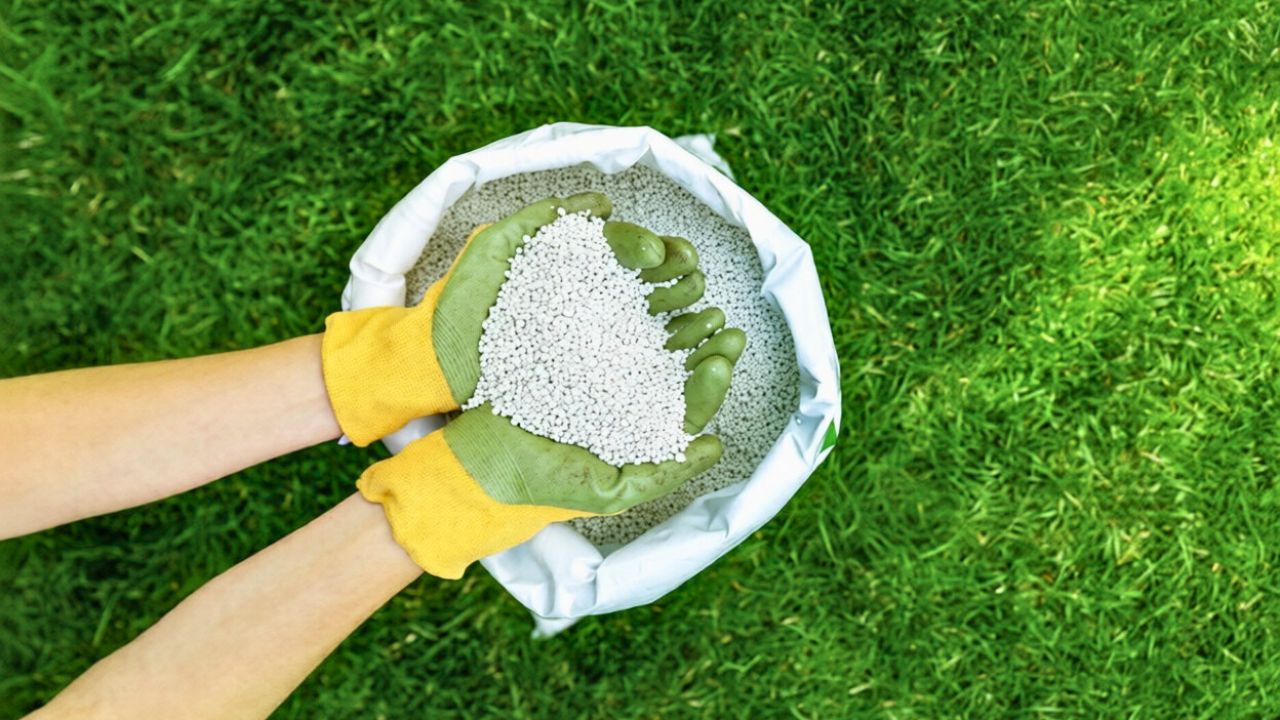
Spring makes people want to do something, and fertilizer is usually the first thing they grab because it feels like the quickest path to a thicker, greener yard. The problem is timing matters more than brand, and a lot of lawns get stressed out by “helpful” early feeding that’s based on excitement, not what the grass is actually ready for. You’ll see it as fast, bright green top growth that looks great for a short window, followed by weak roots, sudden thinning when heat shows up, and patchy areas that invite weeds. Then the cycle starts: more fertilizer, more watering, more money, and the lawn still looks like it can’t hold itself together once summer hits.
Most of the damage happens because spring fertilizer is often applied too early, too heavy, or with the wrong type of nitrogen for the grass you’re growing. Cool-season lawns and warm-season lawns don’t wake up the same way, and even within the same neighborhood, shade, soil temp, and drainage can change what “spring” really means for your yard. Fertilizer is not a magic restart button. It’s a push, and if you push at the wrong time you can force growth your lawn can’t support yet. That’s when you end up with tender blades that burn, shallow roots that can’t handle heat, and disease pressure that shows up right when you want the yard looking its best.
Why early spring fertilizer can backfire harder than people expect
When you fertilize too early, you’re basically telling the grass to grow fast while the soil is still cold and the root system isn’t fully active. The lawn responds by pushing top growth because that’s what nitrogen encourages, but the roots don’t always keep pace. That mismatch is why the lawn can look fantastic for a couple of weeks and then start struggling. A lawn with shallow roots dries out faster, stresses faster, and needs more water to stay green, which is the opposite of what most people want. It also becomes more sensitive to temperature swings, and spring is full of those. One warm stretch can make you think the lawn is “on,” then a cold snap hits and the grass is still in recovery mode while you’ve already fed it like it’s mid-season.
Early feeding can also make weeds happier. When grass is still waking up and thin, fertilizer doesn’t just feed the lawn, it feeds everything growing in that soil. If crabgrass prevention isn’t timed correctly, or if broadleaf weeds are already established, early nitrogen can turn a small weed problem into a loud one. People will then spray weed killer on a lawn that’s already stressed from growth push, which stacks problems instead of fixing them. It’s not that fertilizer is bad. It’s that the “as soon as I see green, I fertilize” habit is a common way to create a lawn that looks good briefly and then falls apart when conditions get real.
Cool-season vs. warm-season lawns get ruined by different timing mistakes
Cool-season grasses like fescue, bluegrass, and rye do most of their real work in spring and fall, but that doesn’t mean they need a big nitrogen blast the second winter ends. Many cool-season lawns do better with a lighter spring feeding and a stronger fall program, because fall is when they build roots and store energy. If you dump heavy nitrogen in early spring, you can get that lush top growth that looks impressive, but it can leave the lawn more vulnerable to disease and summer stress. In places where summers get hot fast, that lush spring growth can become a liability because it demands water and mowing at a time when the lawn should be slowly building strength.
Warm-season grasses like Bermuda, zoysia, and centipede are a different story. A big mistake is fertilizing them while they’re still partly dormant. If they’re not fully greened up and actively growing, fertilizer doesn’t get used efficiently, and you can encourage uneven growth or stress. Warm-season lawns generally want feeding once they’ve truly started growing, not when you’re tired of looking at winter color. People also misread “green” because weeds can green up before the lawn does, and a patchy spring yard can trick you into feeding too soon. With warm-season grass, waiting until the lawn is clearly awake and consistent is usually safer than guessing based on the calendar.
A better spring approach that doesn’t sabotage summer
A safer way to time spring fertilizer is to think in terms of soil and growth, not the date. When the lawn is actively growing, you’re mowing regularly, and the grass is thickening on its own, that’s a better sign the roots are engaged and the lawn can actually use what you apply. Starting with a modest amount and watching how the lawn responds beats going heavy because you want instant results. You can always add later. You can’t un-apply fertilizer once it’s down, and if you push too hard you’ll spend the rest of the season trying to calm the lawn down and keep it from burning out.
It also helps to match the fertilizer to your goal. If your lawn needs steady support, a slow-release product is often gentler than something that hits fast and hard, because it doesn’t create that surge-and-crash pattern. And if you’re dealing with thin areas, compacted soil, or drainage issues, fertilizer won’t solve the real problem by itself. Sometimes the best “spring lawn move” is aeration, soil improvement, and consistent mowing height before you feed heavily. When the lawn has the foundation to grow, fertilizer becomes a helpful tool instead of a stress multiplier that sets you up for a rough summer.
Like Fix It Homestead’s content? Be sure to follow us.