The one garage storage habit that invites mice every winter
Photo credit: Oksana Vainrub/istock.com
Most people don’t think of their garage as part of their pest plan until the weather turns and suddenly there are droppings in a corner, a weird smell near the wall, or a chewed-up bag that wasn’t chewed up last month. Mice aren’t showing up because your garage is “dirty” in a moral sense. They show up because garages are warm, quiet, and full of hiding spots, and winter pushes them to find shelter fast. The frustrating part is you can keep a garage pretty organized and still attract mice if you’re doing one specific storage habit that basically puts out a welcome sign when temperatures drop. Once they move in, they don’t just stay on the floor. They get into insulation, engine bays, cardboard stacks, and anywhere that feels safe and undisturbed.
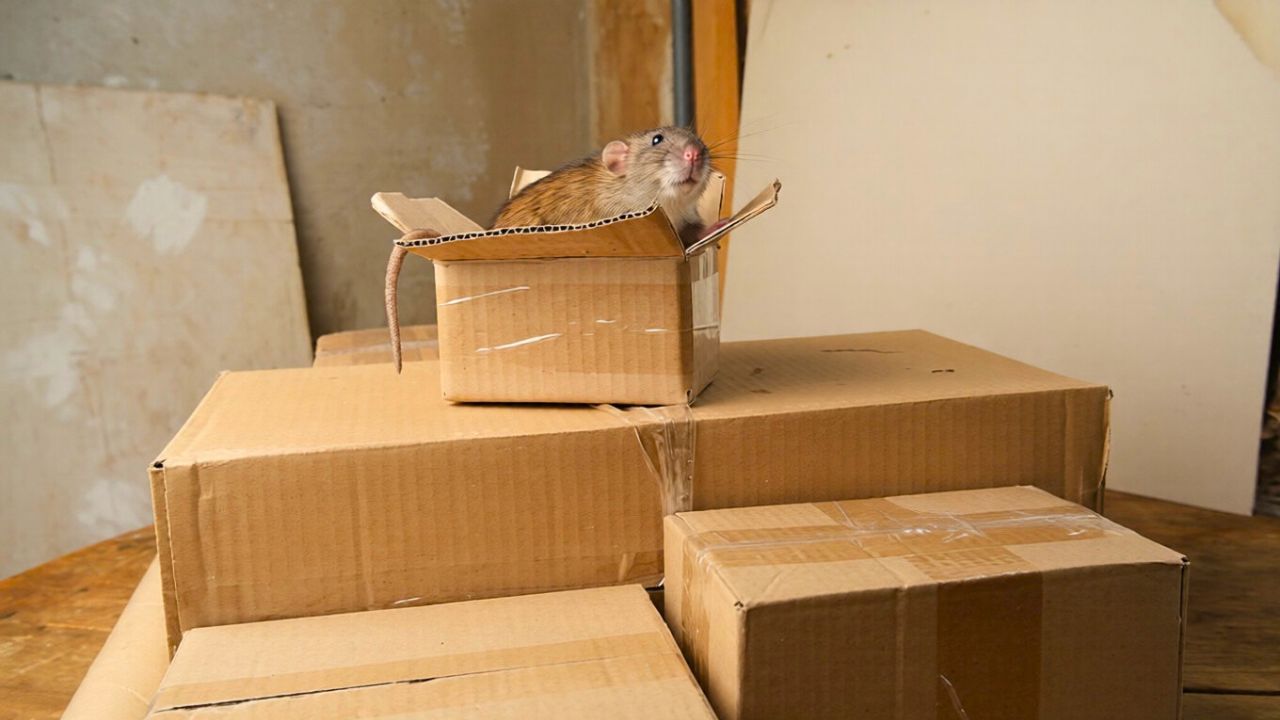
The one habit that invites mice every winter is storing anything soft or edible in cardboard boxes or thin plastic bins, especially along the walls. Cardboard is a mouse favorite because it’s easy to chew, it holds warmth, and it makes an instant nest when it’s filled with fabric, paper, or packing material. Thin tote lids are not much better because mice can chew corners and slide in. Even if you don’t think you have “food” in the garage, mice treat a lot of things like food: bird seed, pet kibble, grass seed, snacks in a sports bag, even the glue on cardboard and paper. When that stuff is stored low, against a wall, and left untouched for weeks, you’re giving them shelter, nesting material, and often a food source in one place.
Why cardboard along the wall turns into a mouse condo
Mice like edges. They run along walls because it keeps them hidden and gives them cover from predators. So when you stack boxes along the perimeter of your garage, you’re creating a protected highway with little side rooms. Cardboard boxes also trap heat and reduce airflow, which makes the space behind and under stacks warmer than the open middle of the garage. That’s exactly the kind of micro-shelter mice look for when the outside temps drop. The boxes don’t have to be “gross” or even old. A clean moving box full of baby clothes can be just as attractive as a messy pile, because it’s soft, quiet, and rarely disturbed.
The other reason cardboard is such a problem is how easy it is to chew. Mice don’t need a big opening. A small corner gnaw is enough to get access, and once they’re inside, they’ll shred whatever is in there for nesting. Holiday décor, towels, kids’ stuffed animals, sleeping bags, and spare bedding are all prime targets. If you’ve ever opened a box in December and found shredded paper or fabric you don’t remember putting there, that’s often the first sign. People will set traps and think the problem is “random,” but the storage setup is usually what allowed them to settle in quietly in the first place.
The “hidden food” people don’t realize they’re storing
Most garages have something edible in them, even if you’d never call it pantry storage. Bird seed is a huge one, but so is dog food, chicken feed, livestock minerals, grass seed, and even bags of potting soil that contain organic material. Mice also go after snack crumbs in sports bags, empty drink cups in the car, and pet treats that got tossed in a bin and forgotten. Once mice find a reliable food source, they don’t just visit. They move in. And when food is stored in cardboard or weak plastic, it’s not a matter of if they’ll get in, it’s when. Even sealed cardboard flaps aren’t a barrier. They can chew through it and climb right inside.
The tricky part is that the garage also provides water in subtle ways, like condensation near doors, tiny leaks, pet bowls, or even the drip line from a car after a drive. So you may think, “There’s no food and no water,” but a mouse can live off surprisingly little, especially if it’s warm and undisturbed. That’s why the storage habit is such a big deal. You can have a clean garage and still create ideal conditions simply by giving them chewable access and long-term hiding spots right along the wall.
What to do instead so winter doesn’t turn into a mouse season
If you want to cut the odds drastically, switch to thick, hard plastic totes with tight lids for anything soft, and store them off the floor when possible. Better yet, keep the perimeter of the garage more open so there aren’t endless hiding spots along the wall. If you have to store along the wall, using shelving that lifts items up and leaves the floor visible makes a big difference because mice hate crossing open spaces when they feel exposed. For anything edible like seed or kibble, use metal cans with tight-fitting lids or heavy-duty containers that can’t be chewed through. This one change solves a lot of “mystery” infestations because it removes both the nesting and feeding opportunity.
It also helps to do a quick pre-winter reset: pull boxes away from the wall, sweep out the corners, and look for gaps around the garage door seal, utility penetrations, and corners where light comes in. Mice can fit through holes that look too small to matter, and garages often have tiny entry points near the door track or where siding meets concrete. Storage fixes won’t matter if you’ve got a wide-open entry route, but the storage habit is the thing that makes them stay once they do get in. When your storage is chew-proof and the walls aren’t lined with cozy hiding spots, mice usually move on to an easier target.
Like Fix It Homestead’s content? Be sure to follow us.