You’re making your front door look dated with this paint finish
Photo credit: BryanChavezPhotography/Shutterstock.com
Your front door sets expectations for everything that happens once someone steps inside, so the finish you choose on that surface quietly signals how current or dated your home feels. High-shine, high-drama doors once looked luxurious, but in 2026 that mirror-like gloss can instantly age a façade that might otherwise feel fresh. If you want your entry to read as intentional and up to date, you need to rethink both the sheen and the color you are using on that small but powerful piece of real estate.
Rather than defaulting to the same glossy enamel that builders have used for decades, you now have a spectrum of low-sheen, soft-gloss, and matte options that better match where exterior design is heading. Paired with the warmer, moodier hues designers are backing for exteriors, those subtler finishes help your door stop looking like a leftover from another decade and start acting as a tailored, modern welcome.
Why sheen matters more than you think
Most homeowners spend more time debating color than finish, yet sheen is the detail that can instantly date your front door. High-gloss paint creates a hard, reflective surface that emphasizes every ripple in old wood and every seam in metal, which can make even an expensive door look busy and a little plastic. By contrast, a softer sheen lets the architecture speak, because your eye reads the form and color before it catches a glare.
Design reporting on exterior trends for 2026 points to a clear shift away from blinding shine and toward finishes that feel more natural and tactile. One analysis of front door trends explains that low-sheen and soft-gloss doors dominate current projects, with designers favoring finishes that sit comfortably next to stone, brick, and textured siding. Taken together, the trend line in that Matte, High, Gloss coverage shows homeowners stepping away from a showroom shine in favor of surfaces that lean on flat, natural textures.
The glossy mistake that makes your entry feel stuck in 2012
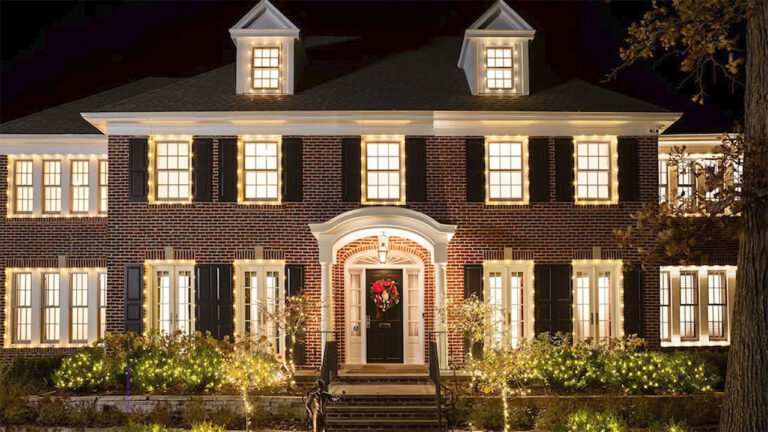
High-gloss front doors once signaled a kind of aspirational polish, especially when paired with cool gray siding and bright white trim. Today that combination reads more like a time capsule than a design statement. When you keep a high-gloss finish in place while the rest of your exterior softens, the door starts to feel like a leftover accent from a past renovation, not a deliberate part of your current style.
Shifting color trends only amplify that effect. Designers now warn that certain hues, including Gray, Stark White, Millennial Pink, and some Blues And Greens, are sliding out of favor for 2026, especially when they appear in their coldest, most saturated forms. Reporting on Paint Colors Designers highlights how these once ubiquitous shades can flatten a façade when they are paired with a glossy, reflective finish. If your front door is still a shiny slab of cool gray or stark white, you are visually anchoring your home in a trend cycle that designers have already moved past.
How 2026 exterior colors are changing what “updated” looks like
Even if you never repaint your siding, the colors gaining ground for exteriors in 2026 change how your front door is judged. Instead of crisp white boxes with black trim, you now see richer, moodier palettes that feel more grounded. Deep, complex hues are emerging as the new neutrals, and they work best with finishes that do not shout for attention with a wet-look shine.
One forecast identifies The Winner for exteriors as Brown-ish Purples and Purple-ish Browns, with Aubergine singled out as a dark shade of purple with warm brown undertones that flatters a wide range of materials. Put a color like that on a door in a soft satin or matte finish and the entry feels tailored and current rather than theatrical. Coverage of these Brown, Purples and tones shows how a more muted sheen lets the complexity of the color do the work, which is exactly the opposite of the old approach where a high-gloss finish tried to carry the entire look.
Why bright whites and cool grays age your door even faster
If your front door is both glossy and a bright, cool color, you are doubling down on a look that designers are actively moving away from. High reflectivity already feels a bit formal and stiff, and when you pair that with a cold white or icy gray, the result can read as sterile rather than welcoming. That impression only intensifies when the rest of your home leans warmer, because the door starts to look like it belongs to another house entirely.
Designers are clear that Bright, cool whites and grays will remain out of style in 2026, especially when they dominate large surfaces or focal points. Reporting on Key Points, Bright, warns that bold primary colors and certain neo pastels can feel harsh, while indecisive mid-tones fall flat. Other guidance on colors to skip reinforces that Cool White While technically neutral, has lost its appeal, and that a bright, cold white is the one color some designers recommend avoiding if you do not want to repaint again in 2026. Kailee Blalock of House of Hive Design Co has even described that kind of white as reading harsh and sterile now, a strong signal that a glossy white front door is working against you.
The finishes and colors designers actually want you to use
Once you pivot away from a dated high-gloss finish, you open up a wider range of colors that feel sophisticated instead of flashy. Satin and matte sheens tend to flatter deeper, earthier hues because they let the pigment absorb light instead of bouncing it back. That quality is especially helpful on front doors, which often sit in direct sun for part of the day and can look almost plastic when coated in a full gloss.
Current recommendations for front door colors highlight cozy, grounded shades that still have personality. One forecast points to Warm Eucalyptus, a soft green with warmth, as an example of the kind of color that feels calming yet distinctive. Designer Sarah explains that you are seeing a shift toward hues that feel relaxed but still expressive, especially when they are paired with finishes that are not overly shiny. Coverage of 6 Front Door shows how these warmer greens, soft blues, and complex neutrals thrive in sheens that sit between flat and semi-gloss, which keeps your entry feeling both current and inviting.
How to pick the right sheen for your specific door
Choosing a modern finish is not as simple as grabbing the flattest paint on the shelf. You need to balance style with durability, especially on an exterior surface that takes daily abuse. Matte and eggshell finishes hide imperfections beautifully and look very current, but they can be more prone to scuffs on a door that you touch constantly. Semi-gloss, on the other hand, is easier to wipe clean but can creep back toward that dated, overly reflective look if you are not careful.
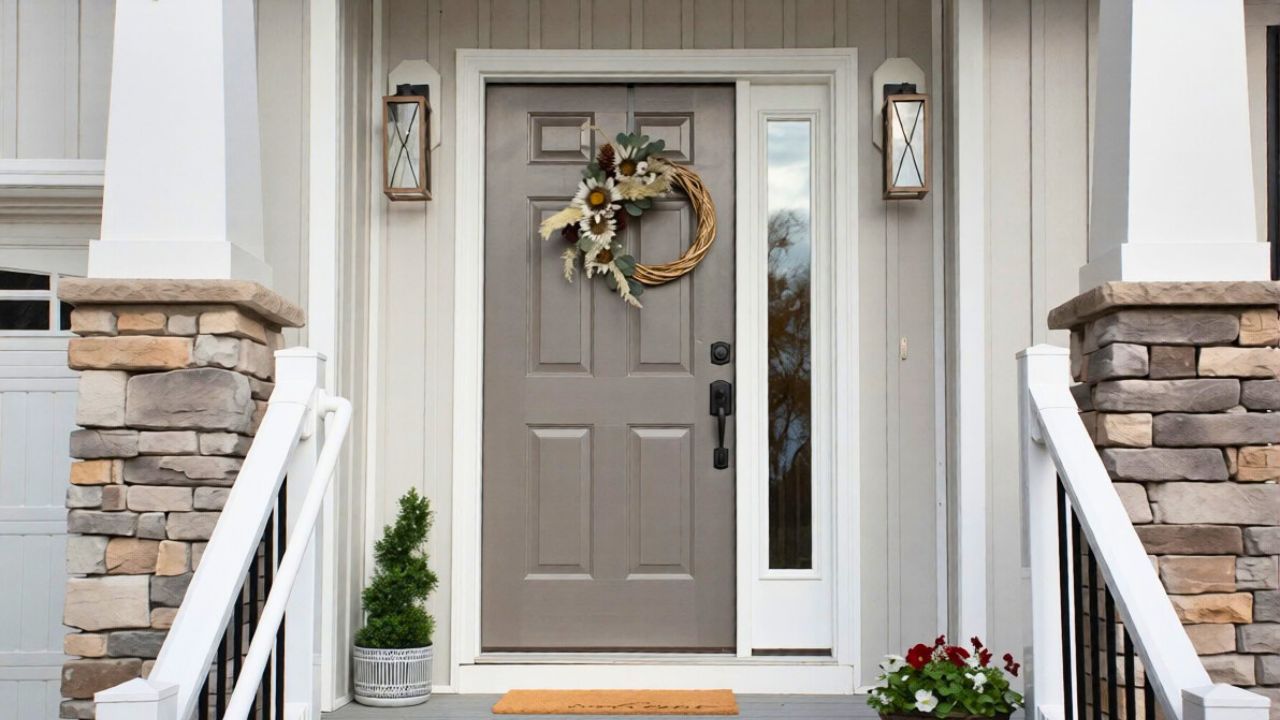
A practical approach is to treat your front door like a piece of furniture that lives outdoors. If your door has deep wood grain or panel details you want to highlight, a soft-gloss or satin finish will catch just enough light to show the shape without turning the surface into a mirror. The trend coverage on Discovered, Front Door shows many examples of doors finished in that middle ground, where the sheen looks intentional but never plastic. For metal or fiberglass doors that already have a very smooth skin, stepping down one level in sheen can keep fingerprints and minor dings from stealing attention.
Common prep mistakes that sabotage even the best finish
Even the perfect satin or matte product will look second-rate if you skip the unglamorous prep work. Glossy paint is unforgiving, but lower sheens still reveal every dent and old drip when the light hits at an angle. If you simply roll a trendy new color over an existing high-gloss coat without sanding or priming, you risk peeling, uneven sheen, and a patchy appearance that makes your door look neglected instead of updated.
To avoid that, you need to treat your front door like a small renovation project. That means cleaning off grime, lightly sanding to knock down the old shine, filling any cracks, and using a primer that is compatible with both the existing surface and your new paint. Brands that focus on architectural coatings, such as those highlighted in Discovered, Front Door, build entire systems around that sequence for a reason. When you follow those steps and then apply a modern, low-sheen finish, the result looks more like a custom piece than a weekend touch-up.
Coordinating your door with the rest of your exterior
Refreshing your front door only works if the new finish plays well with everything around it. If your siding, trim, and hardware still reflect older trends, a single updated door can feel disconnected. You want the sheen and color to bridge what you already have with where design is heading, not to fight with your brick, stone, or roof color. That often means choosing a slightly warmer or moodier version of a hue you already like, then dialing down the shine so the door feels integrated.
Trend reporting on exterior palettes shows a broader move away from the cool, stark combinations that defined the last decade. Coverage of Discovered, Paint Colors and similar roundups illustrates how homeowners are trading icy whites and grays for softer neutrals and earth tones. When you echo those shifts on your front door, using a satin or matte finish, you create a subtle throughline from the street to the threshold. The goal is not to make the door disappear, but to let it feel like a natural extension of the rest of your exterior rather than a glossy outlier.
Small styling tweaks that make a modern finish feel intentional
Once you repaint your door in a fresher sheen, you can reinforce that update with a few simple styling choices. Hardware with a brushed or satin finish, such as unlacquered brass or blackened steel, echoes the softer paint sheen and keeps the entry from slipping back into a dated, high-shine look. Even your choice of doormat, house numbers, and lighting can either support or undermine the new finish. A low-profile mat, clean-lined numbers, and a lantern with clear geometry will all help your door feel like part of a cohesive story.
Designers who share their work on social platforms, including accounts connected to Discovered, Paint Colors and Discovered, Front Door, consistently pair modern door finishes with restrained styling. You see fewer ornate wreaths and more simple greenery, fewer glossy kick plates and more understated thresholds. Those choices let the updated color and sheen take the lead, which is exactly what you want when your goal is to move your front door out of the past and into the present.
Like Fix It Homestead’s content? Be sure to follow us.
Here’s more from us:
- I made Joanna Gaines’s Friendsgiving casserole and here is what I would keep
- Pump Shotguns That Jam the Moment You Actually Need Them
- The First 5 Things Guests Notice About Your Living Room at Christmas
- What Caliber Works Best for Groundhogs, Armadillos, and Other Digging Pests?
- Rifles worth keeping by the back door on any rural property
*This article was developed with AI-powered tools and has been carefully reviewed by our editors.